
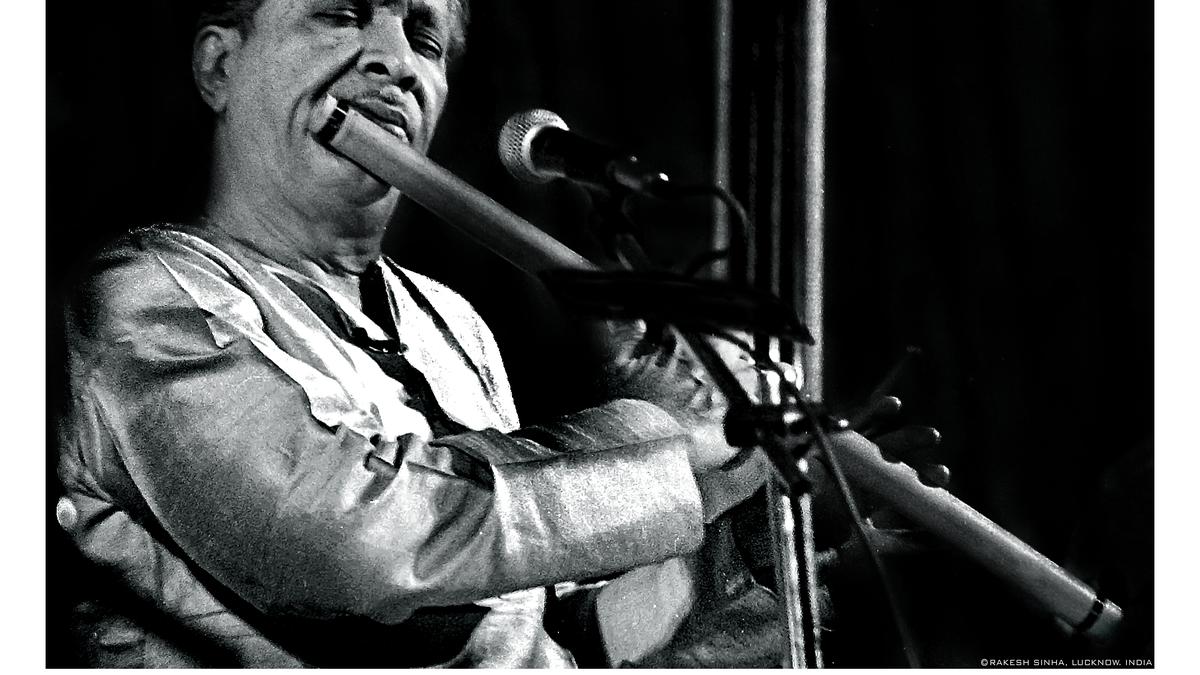


Pt. Hariprasad Chaurasia
| Photo Credit: Courtesy: Rakesh Sinha
Some artistes, without being performers themselves, have been an intrinsic part of the world of classical arts. One such is Rakesh Sinha, who has documented India’s performing arts through his lens for the past five decades. In recognition of his contribution, he has been selected for a Sangeet Natak Akademi Award.
Rakesh, who hails from Lucknow, learnt photography from his elder brother, who was a photographer in the Uttar Pradesh Information Department. During his childhood, he accompanied his brother, who covered cultural programmes. This early exposure connected him deeply to India’s artistic and cultural heritage. Gradually, the stage, the artistes, and the camera became inseparable elements of his life.

Veena exponent Chitti Babu
| Photo Credit:
Courtesy: Rakesh Sinha
His first photography assignment was at the age of 15. At that time, photography relied on analogue cameras and black-and-white film rolls. Despite the limited resources, expensive film reels and technical challenges, he patiently refined his craft and developed the ability to capture fleeting artistic moments.
After completing his education, Rakesh joined the Manufacturing Division of Hindustan Aeronautics Limited (HAL), Lucknow. Though his job had nothing to do with photography, Rakesh devoted his evenings capturing the cultural milieu of the city.
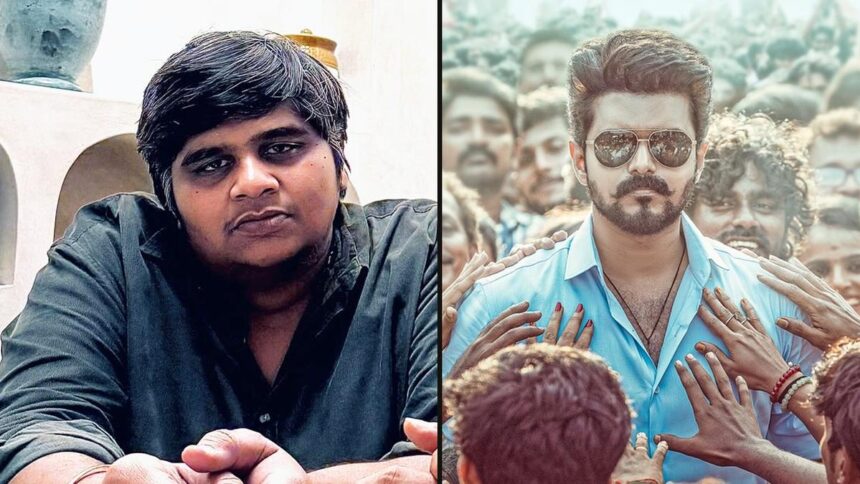
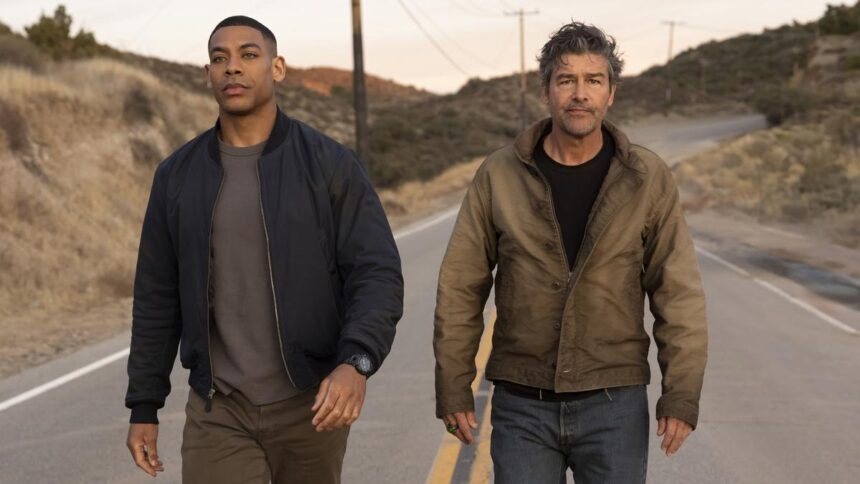
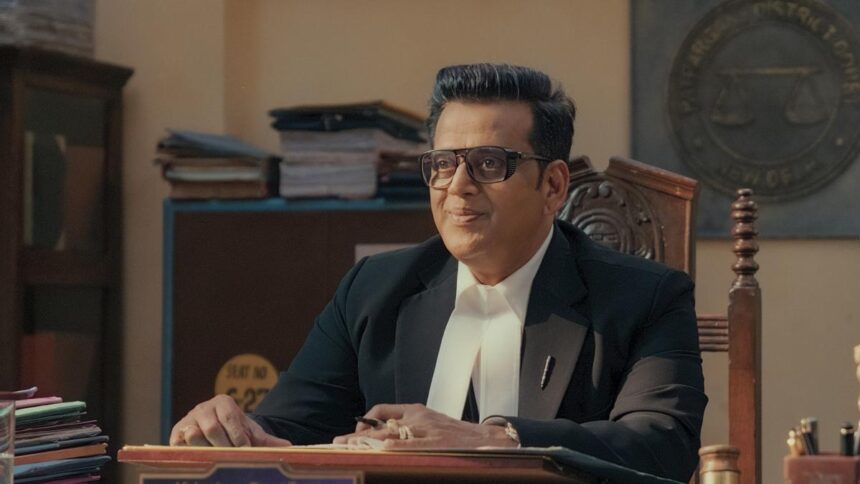
His archives has several rare photographs, which in itself constitute a visual history. These images capture not merely the physical presence of the artistes, but also reflect their years of discipline, humility and spiritual depth.

Pt. Jasraj
| Photo Credit:
Courtesy: Rakesh Sinha
One of the most distinctive features of his work in classical music and dance photography is the masterly use of light and shadow. He does not regard stage lighting merely as a technical requirement, but transforms it into a powerful emotional language.
Rakesh explains that he often waits for hours for that decisive moment when the artiste and the art become one. He cites the example of one particular image — where the posture of a tabla player’s hands at the sam of a tihai; with the vocalist’s expression while reaching the taar saptak (upper octave), becomes a silent dialogue exchanged through the eyes of musicians during a jugalbandi.

Malini Awasthi
| Photo Credit:
Courtesy: Rakesh Sinha
Rakesh is particularly celebrated for his black-and-white photography in Lucknow’s cultural circles.
Recalling the days of the black-and-white era, Rakesh says: “Those days a camera could accommodate only a limited number of film rolls. One was fortunate if an entire roll could be utilised successfully; otherwise, some frames would invariably get spoilt. What was most disheartening was that an entire roll could be ruined just before the photographs were to be developed and that would break my heart. Unfortunately, I experienced such setbacks on several occasions.”
He has photographs of many of India’s greatest musicians, dancers and theatre personalities, which today constitute an invaluable resource for researchers, art historians, and cultural institutions alike.
In 2023, his much-acclaimed exhibition, Swar Virasat (The Legacy of Melody), held in Lucknow, drew widespread attention in the world of arts.
The Sangeet Natak Akademi award, he says, further motivates him to devote the rest of his life to the preservation and documentation of India’s cultural heritage.
Published – July 08, 2026 02:33 pm IST