







(This article is part of the View From India newsletter curated by The Hindu’s foreign affairs experts. To get the newsletter in your inbox every Monday, subscribe here.)
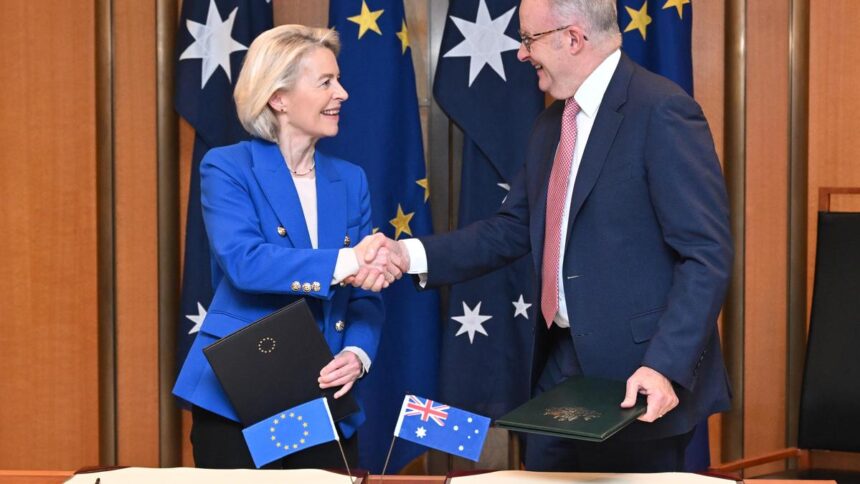
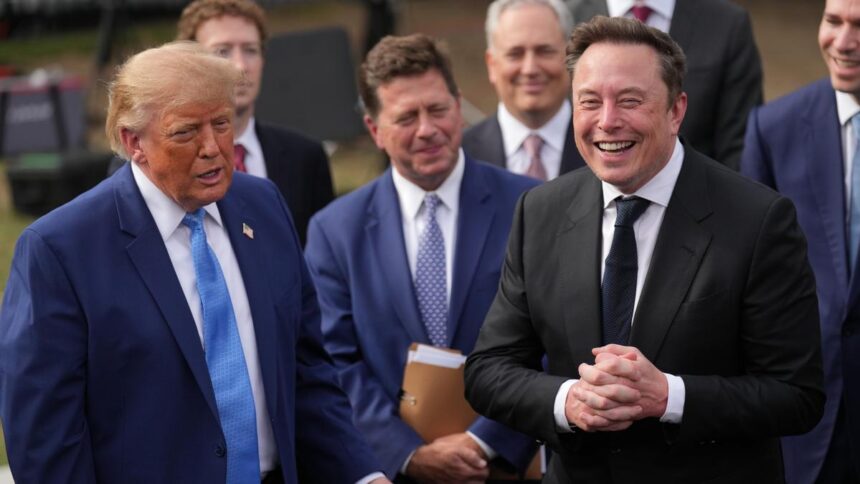
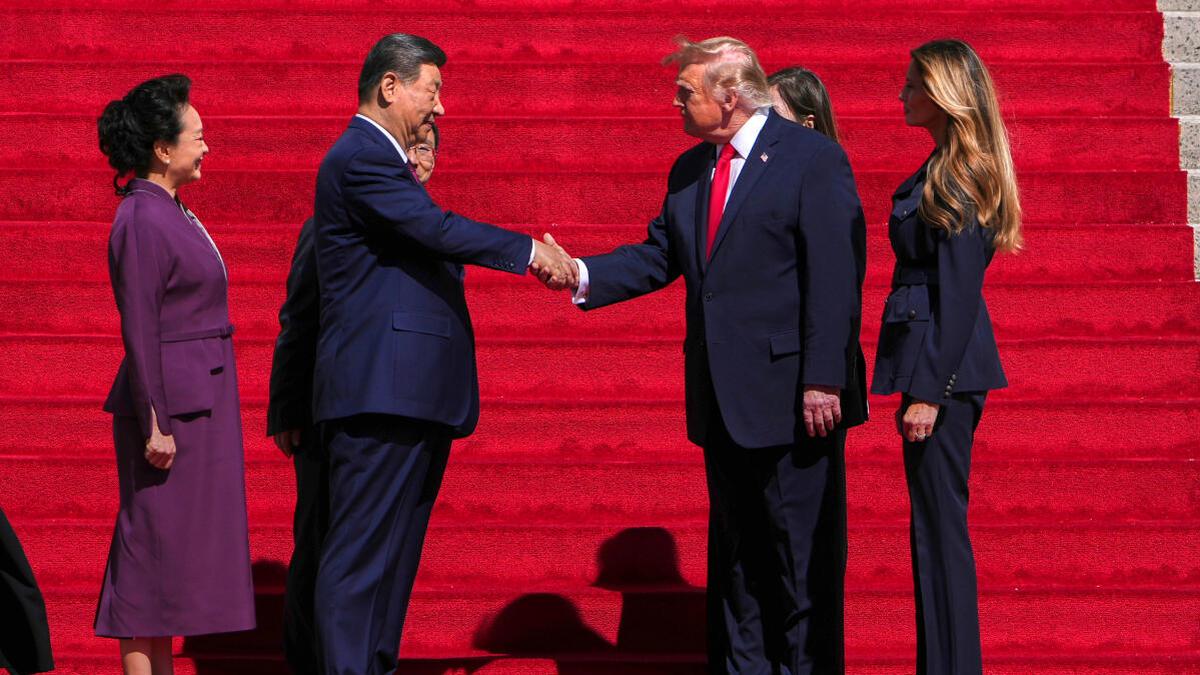
U.S. President Donald Trump hosted his Chinese counterpart in Washington on September 23-25, marking the second meeting between the leaders of the world’s two largest economies this year. The summit was high on symbolism, with Mr. Trump welcoming the Chinese leader on the tarmac of Joint Base Andrews. Later, at a state dinner, Mr. Trump said the leaders had “never gotten along better”. While the U.S. side placed considerable emphasis on the personal chemistry between the leaders and both parties agreed to hold more high-level meetings, there were few tangible outcomes on the structural issues that continue to strain the relationship.
The summit took place against the backdrop of two conflicts–in Ukraine and Iran– as well as a continuing trade dispute between the U.S. and China. Beijing has a close strategic partnership with Russia, whose invasion of Ukraine has entered its fifth year. China also remains the largest trading and economic partner of Iran, which was bombed by the U.S. and Israel on February 28, 2026. American policymakers want China to distance itself from both Russia and Iran. Earlier this month, Mr. Trump signed the Russia sanctions Bill into law, giving him powers to impose tariffs up to 100% on countries that buy oil and gas from Russia. But China has shown no signs that it is reconsidering its relations with Russia and Iran. On trade, the U.S. and China agreed to extend the existing detente by two more months, but tensions remain beneath the surface. For Beijing, as it has made clear repeatedly, Taiwan and the U.S. support for the island remain the brightest of its red lines.
Yet, despite their disagreements and the challenges confronting the relationship, Washington and Beijing seem determined to manage their ties without allowing tensions to escalate into conflict. To understand this evolving recalibration – its context and substance – I spoke to Ananth Krishnan, The Hindu’s correspondent in China and the author of India’s China Challenge. Here is what he had to say:
What’s your key takeaway from the Trump-Xi meeting?
Ananth Krishnan: The visit definitely seemed to be more about pomp and symbolism than substance. The optics were no doubt striking, starting with Trump receiving Xi at the airport. Both leaders were also effusive in their praise of the other. One striking fact is the frequency of their meetings. They agreed to meet two more times this year at APEC in Shenzhen and at the G20 in Miami. Clearly, both sides see this frequency of four meetings in one year, including Trump’s May visit to China, as key to sustaining this current effort at stability.
A key takeaway for me is how much the U.S. appears to have bought into China’s idea of what both sides now call a “constructive relationship of strategic stability based on fairness and reciprocity”. This may sound vague and unimportant, especially as the other concrete outcomes on trade were rather modest, limited to just an extension of their current truce. But below the surface, to me it hints at a new equilibrium and at an effort by both to better manage their rivalry, even if they can’t solve outstanding issues.
How does China look at ties with the U.S. under Trump? G2, strategic stability or just managing the competition?
Ananth Krishnan: Publicly at least, Chinese officials disavow the idea of a G2. Privately, they certainly look at China and the U.S. as being in a league of their own, and perhaps understandably so. I would say they look at the relationship as a blend of two of the latter terms you suggested – a certainly competitive relationship that needs to be managed, and an aspiration of some kind of strategic stability that sees red lines protected. For China, the biggest red line, of course, is Taiwan. What has changed perhaps is how this competitive relationship is seen.
I found interesting what Da Wei, who’s a leading voice in Beijing on China-US relations, argued in his recent Foreign Affairs essay, where he said China was looking at the relationship “from a position of greater equality and with more confidence” and was “less anxious that competition will undermine its national development prospects”. I don’t think they are under any illusion that this visit will solve the serious structural problems in a fundamentally competitive relationship, with unresolved issues from semiconductors to rare earths. But the last few years have, however, appeared to have given China greater confidence in how they manage it.
What does this new equilibrium mean for India? In this editorial, published on September 28, The Hindu argues that New Delhi should carefully watch the evolving great power relationship. “The recent U.S. tariff threats aimed at India have offered a stark contrast to the measured language with which Washington has been engaging Beijing. For long, a strand of Indian strategic thinking has been predicated on the assumption that U.S. strategy in the region was centred on the idea of a relationship with India as a bulwark against Chinese influence. That assumption increasingly appears open to question.”
U.S.-Greenland deal

Mr. Trump’s threat to take over Greenland, an ice-covered Danish territory located between the Arctic Ocean and the North Atlantic Ocean, had strained the transatlantic relationship earlier this year. Greenland, Denmark and America’s European allies had pushed back against the U.S. leader. But under the shadow of the takeover threat, officials from the U.S., Denmark and Greenland continued talks to reach a diplomatic agreement acceptable to all sides. That agreement was signed last week in New York, on the sidelines of the UN General Assembly.
Under the agreement, the U.S. would respect Danish sovereignty and Greenlanders’ right to self-determination, but would boost its military presence on the island and would have a say in its economic and investment policies. Why does the U.S., which already has a military agreement with Denmark for troop presence in Greenland, want to tighten its control over the Arctic island? Read this explainer: The Arctic race.
Published – September 28, 2026 12:36 pm IST