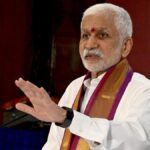


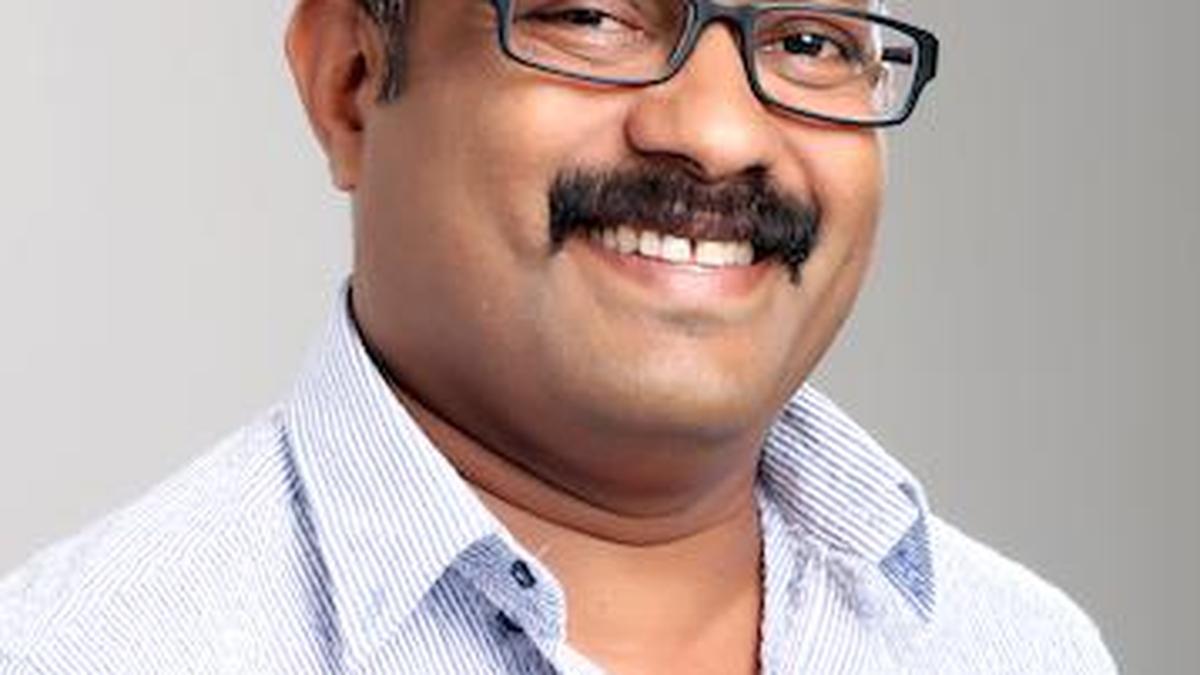


Minister for Local Self-Government K.M. Shaji suggested that the State explore organisational frameworks such as nagar panchayats and a centralised fund-pooling mechanism at the panchayat level. (File photo)
Calling for structural and institutional reforms in Keralam’s local bodies, experts and policymakers have advised the State to look beyond “fragmented projects” and shift the focus from mere financial expenditure to tangible development outcomes.
The observations came at a workshop, ‘Finance Commission and Keralam’s Local Governments: Challenges and Way Forward,’ organised by the Gulati Institute of Finance and Taxation (GIFT) here the other day.
Speakers at the workshop observed that while Keralam leads in decentralisation, the next era of local governance requires administrative agility, outcome-driven resource allocation and commitment to asset sustainability. The workshop discussed ways to make effective use of the grants that Keralam’s local governments are expected to receive over the 2026-2031 period under the 16th Finance Commission.
Nagar panchayats
Local Self-Government Minister K.M. Shaji suggested that the State explore organisational frameworks such as nagar panchayats and a centralised fund-pooling mechanism at the panchayat level. He drew attention to the persistent challenges faced by local bodies in implementing new projects and effectively utilising Finance Commission funds.
Expressing concern over rigid tied-fund allocations, the Minister stressed the need to strengthen staffing patterns, municipal cadres and overall institutional capacity. He urged local self-government institutions to move away from conventional, fragmented infrastructure works towards high-impact, need-based investments.
The workshop brought together administrators, economists and local body representatives to deliberate on fund utilisation, institutional capacity and long-term public asset management. It put forward suggestions on the need to change the existing pattern of small schemes and the March-end spending rush. It also called for joint projects by multiple local bodies, and for governance arrangements such as Metropolitan Planning Committees that promote urban-rural connectivity. Policymakers, current and former Finance Commission members, elected representatives and academics participated.
Economist M.A. Oommen; GIFT director K.J. Joseph; Divya S. Iyer, principal director, Local Self-Government department; and Nirmal Roy V.P., coordinator of the Local Finance Cell, were among the participants.
Published – October 08, 2026 05:06 pm IST