



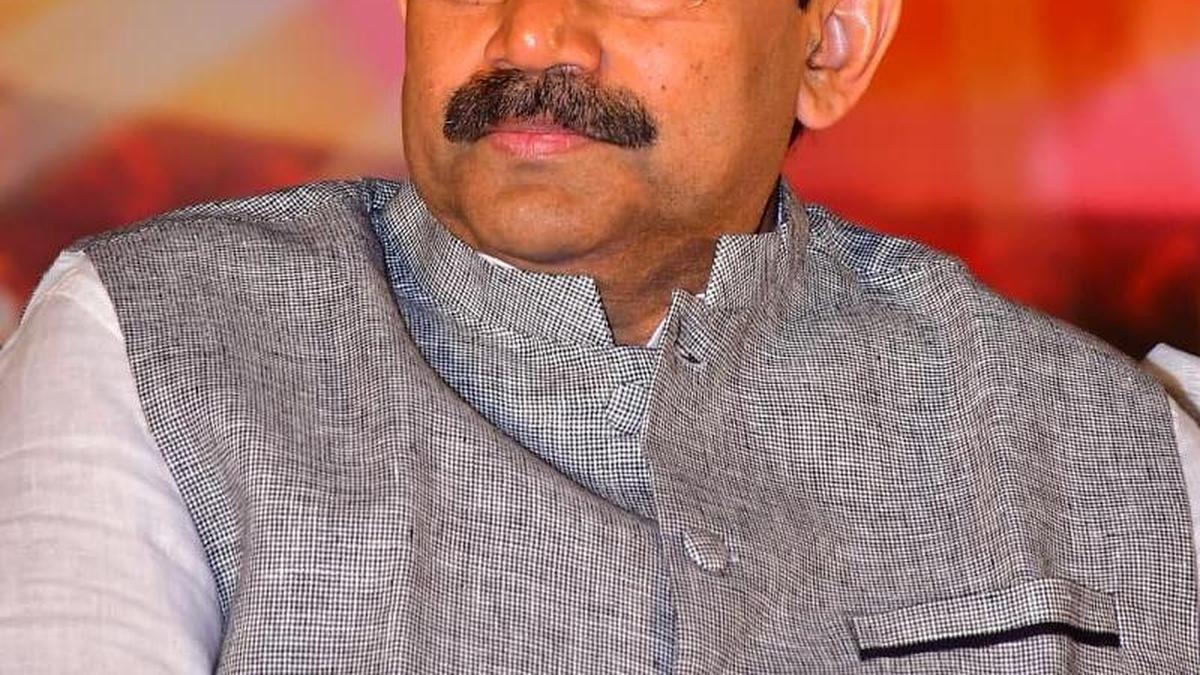


G. Kumar Naik is the Raichur MP
| Photo Credit: SPECIAL ARRANGEMENT
Raichur MP G. Kumar Naik has accused the Union government of failing to protect traditional kirana stores from the aggressive expansion of e-commerce quick-delivery platforms, claiming that nearly two lakh small retail shops have shut down across the country in the last one year.
Raising the matter in the Lok Sabha during Question Hour on Tuesday, Mr. Naik said that small retailers are under severe strain due to predatory pricing and overwhelming competition from digital platforms.
He asked Union Minister of Commerce and Industry whether the government recognises the pressure on kirana owners, particularly regarding pricing, competition and long-term survival in a rapidly digitising economy.
“The government, in its reply, said that the sector is guided by market forces and existing laws and that aggrieved retailers can approach the Competition Commission of India (CCI). This response is deeply unrealistic as individual shopkeepers lack resources, legal access and time to fight prolonged battles against large corporations,” he said in a note released on Tuesday.
Citing a report by the All India Consumer Products Distributors Federation (AICPDF), he said that almost two lakh kirana shops have closed in the last one year. “This is not a minor market shift, but a crisis affecting livelihoods, local economies and neighbourhood ecosystems,” he said.
Mr. Naik said that the government continues to highlight the Open Network for Digital Commerce (ONDC) as its flagship intervention. But he pointed out that the platform has supported only 3,500 kirana stores, a negligible number when compared to the scale of closures.
Welcoming the 30% procurement rule for Single Brand Retail under FDI norms as it will strengthen sourcing from MSMEs and local producers, Mr. Naik stressed the need for ensuring more than indirect protection for kirana shops.
“Kirana shops need direct safeguards, fairer competition rules and active measures to prevent predatory pricing. Without this, we will continue to see small retailers pushed out while large platforms consolidate their dominance,” he said.
Emphasising the wider social impact, he said that small retail outlets served as anchors of community trust, local credit and everyday convenience.
“We want our youth to become entrepreneurs and small business owners, not be restricted to precarious gig work without long-term prospects,” he said.
Published – December 02, 2025 09:09 pm IST