

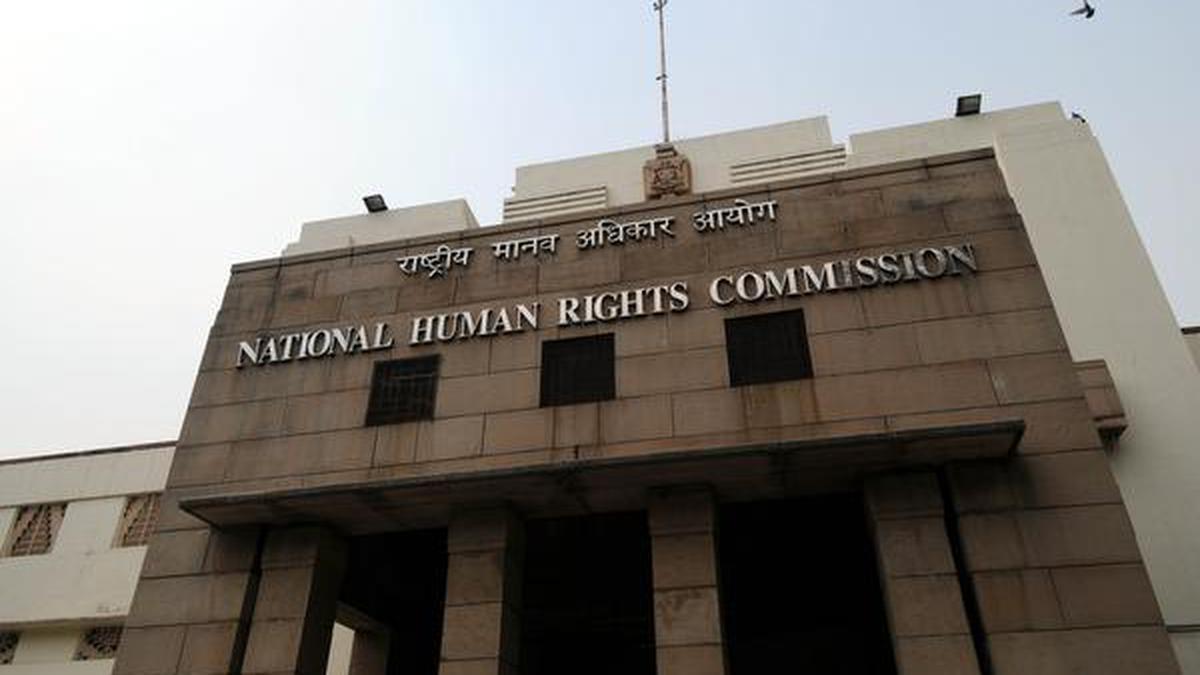

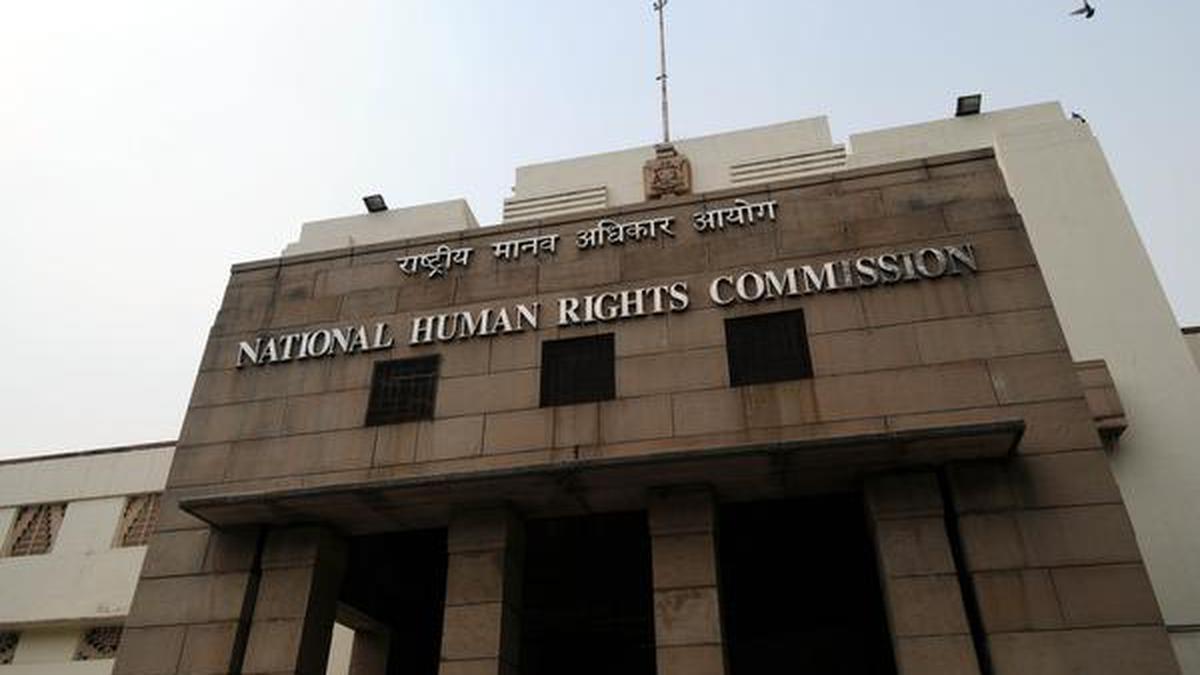
A file image of the headquarters of National Human Rights Commission. Photo: Special Arrangement
The National Human Rights Commission (NHRC) has informed the Supreme Court that nearly 97 Central and State laws continue to contain provisions that discriminate against persons affected by leprosy. These provisions, the Commission said, impede access to employment, public transport, elected office and several public spaces, further entrenching the stigma associated with the disease.
A Bench of Justices Surya Kant and Joymalya Bagchi was hearing a batch of petitions, including one instituted in 2010, which contended that more than a hundred provisions across Central and State statutes discriminate against persons affected by leprosy in ways that entrench stigma and undermine their dignity.

In its latest report, the NHRC has apprised the top court that India continues to account for about 57% of all reported leprosy cases worldwide, with a vast majority of affected persons living in deplorable conditions and facing persistent social and legal discrimination. The Commission has recommended a comprehensive set of measures aimed at early identification, timely treatment, rehabilitation, and the removal of discriminatory provisions to ensure dignity and equal access for persons affected by leprosy.
Among its key recommendations, the rights body has urged the Union government to consider enacting a law to replace derogatory terminology that persists in several statutes. It has also advised State governments to improve healthcare, sanitation, electricity, and other civic amenities in leprosy colonies and homes, and to ensure that no resident is evicted without rehabilitation and adequate compensation. The Commission has further recommended that the Unique Identification Authority of India promote the use of iris scans for Aadhaar enrolment, noting that many affected persons have impairments that make fingerprint authentication difficult.
Discriminatory laws
Multiple Central and State laws continue to retain discriminatory clauses. For instance, the Nurses and Midwives Act, 1953, disqualifies persons affected by leprosy from being members of nursing councils. Section 5(C) of the Act declares a person ineligible if they are “of unsound mind and stands so declared by a competent Court, a deaf-mute or a leper”.

The Indian Railways Act, 1989 and its accompanying rules also contain provisions restricting the travel of persons with “infectious or contagious diseases”. While patients with non-infective leprosy may travel with a medical certificate, the law permits railway staff to remove or segregate passengers with infective leprosy and even forfeit their tickets under Section 56.
Several State-level statutes similarly retain discriminatory provisions. The Allahabad High Court Rules, 1952, for example, disqualify persons with leprosy from enrolment as pleaders or mukhtars unless medically certified as cured. The Andhra Pradesh Charitable and Hindu Religious Institutions and Endowments Act, 1987, disqualifies persons with leprosy from serving as trustees. The Andhra Pradesh Excise Act, 1968, bars individuals with leprosy from certain categories of employment and prescribes penalties for violations.
In the national capital, the Delhi Land Reforms Act, 1954, prohibits persons with leprosy from being members of the Gaon Panchayat. The Delhi Municipal Corporation Act, 1957, authorises market officials to prevent individuals with active leprosy from entering or selling goods in municipal markets.
Reports from States sought
Taking the report on record, the Bench on November 12 directed all States and Union Territories to submit reports detailing the steps they have initiated pursuant to the NHRC’s recommendations. “Let the copy of the report be circulated amongst the learned counsel for the parties to enable them to identify the areas which might require judicial intervention and the nature of the directions that this Court may eventually be required to issue,” the Bench recorded in its order. The matter has been listed for further hearing on December 17.

Earlier, the top court had called upon the States to summon special one-day Assembly sessions or enact an ordinance to amend such discriminatory statutory provisions.
“States can call upon a special Assembly session or a one-day session instead of waiting for a regular monsoon session or winter session, and remove or amend the discriminatory provisions against leprosy-affected persons. Where it is not possible to call for a session, an ordinance can be enacted. The State government will be doing great service to them”, a Bench headed by the Chief Justice had said.
The petitioners, including the Federation of Leprosy Organisation (FOLO) and legal think-tank Vidhi Centre for Legal Policy, have argued that these provisions no longer serve any legitimate public interest, particularly in light of modern medical advancements that have rendered leprosy non-infectious and fully curable.
Published – December 03, 2025 01:32 am IST