






The reservation issue in Karnataka has turned tricky for the State government, even as the future of thousands of public service aspirants is in a limbo.
For about a year since October last, public recruitments had been stalled by the Karnataka government awaiting report on internal reservation for the Scheduled Castes (SCs). The recent High Court judgement restricting the government from issuing any fresh notification, for now, under the State legislation that allowed reservation crossing the 50% limit has left the job aspirants anxious.
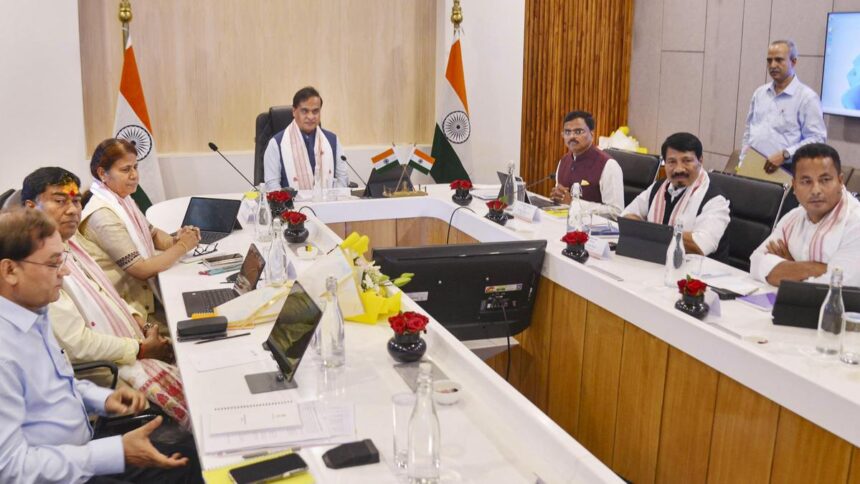
The government, according to informed sources, is “weighing its options” since alternatives are few due to political pressure and compulsions. “We do not know what view Karnataka High Court would ultimately take in cases pending before it,” a source said. The meeting chaired by Chief Minister Siddaramaiah recently to take stock of the situation ended without any substantial outcome.
“The government is in a dilemma since the situation is in flux. The government feels that the current issues have larger constitutional ramifications, and could involve intervention of Supreme Court too,” said the source.
The government, after deciding to set up a commission to recommend the internal reservation matrix within 17 % meant for SCs in October last year, had stalled public recruitment till the recommendations were received. After the one-man commission headed by retired judge H.N. Nagmohan Das submitted its report, the government modified the categories and accepted the report in August this year.
Following this, the process for recruitment had commenced in November.
Court cases
However, the reservation matter is now before the Karnataka High Court, which is hearing multiple cases. In the recent case, it has given a conditional go-ahead for the recruitment process that has already begun, subject to the outcome of the cases. Two public interest litigations have been filed against the Karnataka Scheduled Caste (SC) and Scheduled Tribe (ST) (Reservation of Seats in Education Institutions and Appointments of Posts and Services under the State) Act, 2022, which increased quota for SCs and STs to 17% and 7% respectively, taking the total to 56%. With this, the quota had breached the 50% cap imposed by the Supreme Court in 1992 in Indira Sawhney case.
Besides, the Alemari (nomadic and semi-nomadic) community members have approached the court against the internal reservation matrix. While the commission had recommended 1% to them, the government merged their quota with Lambani, Korma, Korcha, and Bhovi, considered to be relatively better-off communities. A senior Minister said that the government is discussing the possibility of a package for Alemari community.
In a related case, the State government has gone to the High Court on an appeal against the Karnataka Administrative Tribunal (KAT) order that has set aside the 56% reservation matrix with respect to a KPSC notification.
According to sources, about 2.80 lakh vacancies exist across government departments, boards, corporations, universities and autonomous institutions among others against sanctioned posts of about 7.50 lakhs. To address the shortage, about 3.80 lakh outsourced/ contract/ daily wage persons are employed.
Commenting on the situation the government finds itself in, a former KPSC member said, “When the Supreme Court ruling on reservation is clear about capping it at 50%, the government has not prepared its ground well and has no roadmap.” The government is stuck in a vortex of political decisions, the member said.
A government source and an expert on matters of reservation commented, “There is huge confusion on reservation. If the EWS reservation of 10% can exceed the 50% cap, why is it that SC and ST reservations cannot be increased? The BJP government at the Centre is not in favour of a hike in reservation, and we cannot see a Constitutional amendment in the foreseeable future. However, the State should write to the Centre to bring pressure.”
The source suggested that another way is to revert to 15% and 3% reservations for SC and ST, respectively, and come out with a fresh matrix for internal reservation to overcome the impasse for the time being.
Published – December 03, 2025 07:43 pm IST