







As you know, through the 1990s, vinyl sales declined into near-obsolescence as CDs massively took over the world. What you see now is digital music with high-resolution streaming, but unexpectedly, a counter-movement is washing over the world. After all these decades, vinyl culture is indeed making a comeback, and Chennai is no exception. Even the renowned music composer Ilaiyaraaja debuted his much-anticipated Valiant Symphony No. 1 this year, available only through his world tour and as a limited collector’s-edition vinyl.
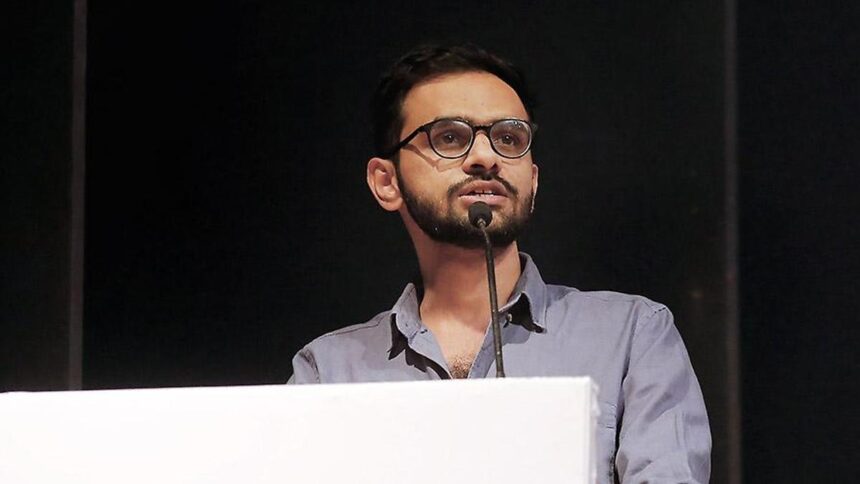
Quiz master and avid music enthusiast Berty Ashley, who spent his formative years wandering through Moore Market’s famous vinyl shops, says that the 12-inch record gives artists more space to be creative, allowing them to include extra notes and stories behind the songs.

“Modern-day vinyl has truly seen a re-emergence. Earlier, production was a long process, and many records were lost, which is why the prices went up. But now, vinyl has become more accessible. Indie bands also release their albums on vinyl because it directly benefits the artists,” he says. Mr. Ashley discovered rare records such as The White Album by The Beatles and The Sound of Music (theatre version) in the cramped rows of Moore Market. His most prized possession remains The Whirlwind by Transatlantic, where the vinyl was signed not only by every band member at a concert but also by the recording engineer who recorded and mixed all the albums.

Berty Ashley with his most prized possessions
| Photo Credit:
Special Arrangement
Mr. Ashley has also conducted a vinyl session at Vinyl & Brew cafe in Chennai, which is home to nearly 300 records. Visitors can also bring their own records and play them on the cafe’s vinyl player. “If you listen to music for eight hours continuously, listening fatigue sets in, but that doesn’t happen with vinyl. Back in the day, bands sat together and sequenced the songs in an album, unlike an algorithm deciding your next mood. There is also a certain meditativeness to listening this way,” adds the cafe’s founder Ragu Muthiah. He also recalls a regular, a nine-year-old compulsive listener who often comes with his family, picks a new record, and listens to it from start to finish.
Gen Z and vinyl
Like all analogue things, including film cameras and analogue radios, vinyl records are having a moment with Gen Z too, albeit as an expensive hobby. Sidhant Nichani, a 24-year-old coffee consultant and educator from Chennai, says he is actively building his collection and trying to listen to more music on vinyl. He also hosted a vinyl listening session in the city last year. “Analogue things have always intrigued me. When I travelled abroad post-pandemic and saw vinyl and coffee shops there, I was really hooked,” says Mr. Nichani.

He adds that the appeal is partly a reaction to digital overstimulation. “We are spoilt for choice on music apps, but it’s much easier to pick a record and sit through it, enjoying every song.” He plays his turntable a few times a week, usually for himself, listening to Bossa Nova and jazz (Getz/Gilberto, Benny Goodman, Miles Davis), some Pink Floyd, and Sade. But he notes that while many of his Gen Z peers are interested in listening to vinyl, Chennai completely lacks modern vinyl stores, and the culture is often “gatekept.”

The vinyl collection at Vinyl & Brew cafe
| Photo Credit:
Special Arrangement
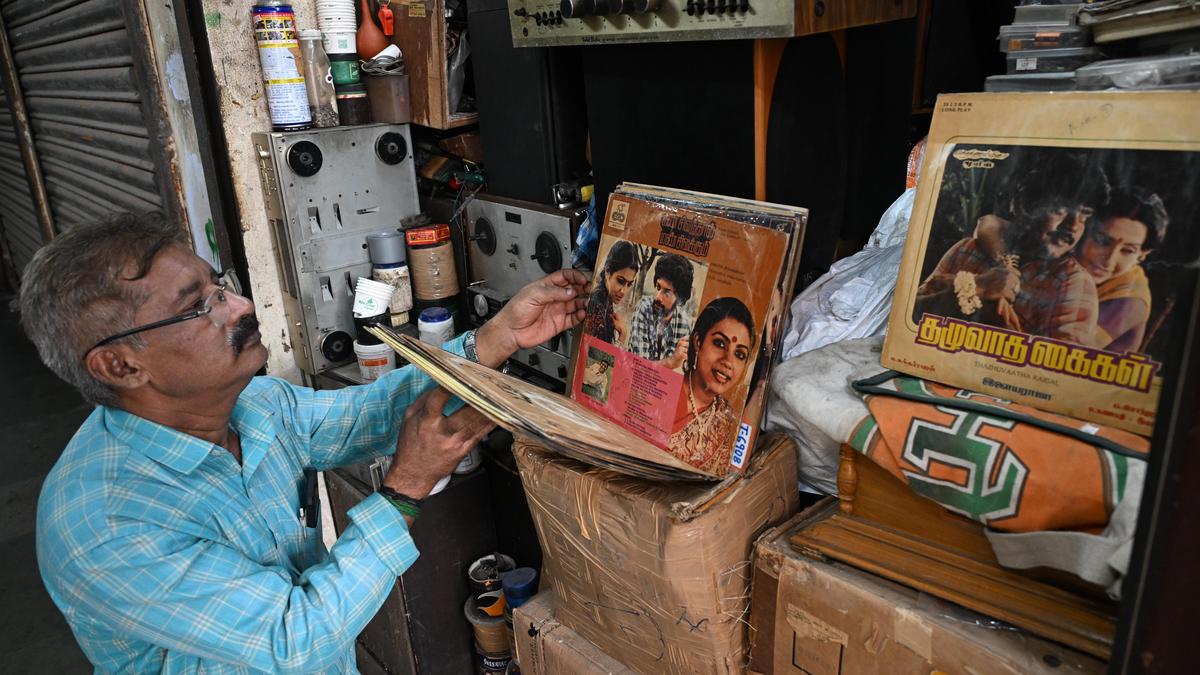
Across Chennai, the only major holdout is A.K. Sreeramulu’s Rhythm House in Moore Market, which also has a massive warehouse in Puraisaiwalkam with nearly 60,000 records, and the business has been thriving since the 1970s. Although there was a dull stretch in the ’90s and 2000s, vinyl has risen like a phoenix this season. “Things are going well now, and our website has been receiving orders for The Beatles and Ilaiyaraaja records from both youngsters and senior citizens,” says Venkatesh L. of Rhythm House. He adds that the records are priced anywhere from ₹500 to ₹5,000 depending on their quality.
Meanwhile, Pramod Kumar, who divides his time between Thiruvananthapuram and Chennai, explains that many brand-new vinyl releases today are cut from old analogue tapes, now part of a billion-dollar industry in the U.S. alone. He adds that several record companies have restarted production there. “Vinyl is the closest you can get to the original recording; it feels like the artist is sitting next to you. But most modern pop releases are digital recordings converted to analogue, not true analogue recordings,” he says.
Having collected over 500 records, Mr. Kumar primarily listens to jazz, Indian classical, Western classical, and Tamil film music. “Sourcing a good record is labour-intensive, but that’s precisely why many people collect vinyl. It feels exotic now: you can hold it, study it, and the very process of playing it has become part of the charm,” he says.
Published – December 12, 2025 04:00 pm IST