




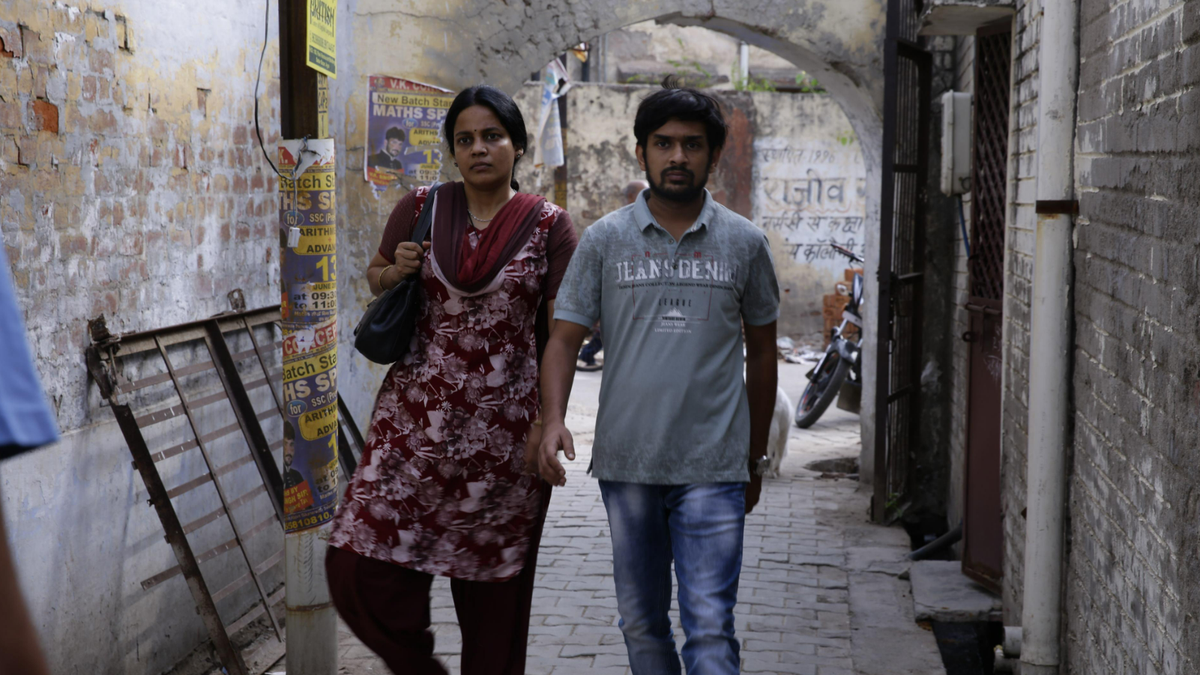

There is no shot of Taj Mahal in Kanu Behl’s Agra. There are no sprawling gardens that dot the city of monuments. Instead, the fearless chronicler of our society’s hidden fractures and fault lines focuses on the cramped spaces, repressed desires, and the incommodious mindscapes in the mofussil town that the city holds beneath its touristy topsoil.

It is the Agra that Sahir Ludhianvi referred to in his critique of the Taj Mahal when he said that the monument symbolised the exploitation of the poor by the elite. Behl is more matter-of-fact, but there is a distinctive rhythm to his storytelling. It is like the movement of a worm under the skin that is difficult to ignore or resolve.
Agra (Hindi)
Director: Kanu Behl
Cast: Mohit Agarwal, Priyanka Bose, Rahul Roy, Vibha Chhibber, Sonal Jha
Runtime: 132 minutes
Storyline: In the suffocating confines of a cramped Agra household, a sexually frustrated young man spirals into obsession and madness while battling his fractured family and the crushing weight of repressed desire
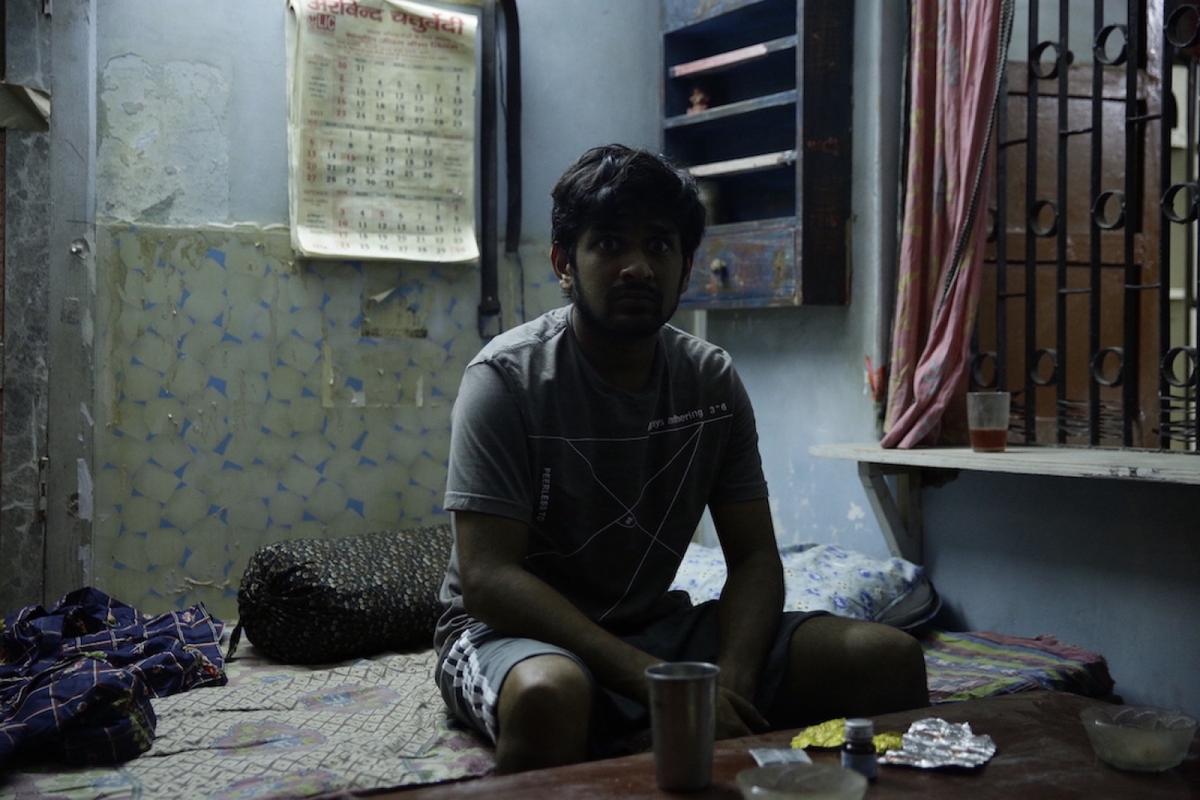
The introverted Guru’s (Mohit Agarwal) desires, physical and emotional, are trapped in a dilapidated two-storey home with a real estate value. Struggling to lead a life of honour as a call centre employee, Guru (Mohit Agarwal) is surrounded by family and relatives who are negotiating with each other for space in each other’s lives and material resources.
Guru shares the ground floor with his acerbic, abandoned mother (Vibha Chhibber). At the same time, his domineering father, Daddy Ji (Rahul Roy, the heartthrob of the Aashiqui generation in a role reversal), openly lives upstairs with his second wife (Sonal Jha).
A still from ‘Agra’
| Photo Credit:
Saregama India Ltd
The three elders bicker, but they have learned to live a life of transactional relationships. The young Guru, however, is a work in progress, hence brittle. As the house becomes a battleground for territorial control and privacy, Guru is consumed by loneliness and digital erotic fantasies. Infatuated with a colleague, he hallucinates, and his life spirals into a self-destructive behaviour. The arrival of his dentist sister adds to the chaos and claims for space. Through Guru’s perspective, the film explores how the lack of physical space in urban India intertwines with deep-seated sexual repression, patriarchal toxicity, and the quiet violence of everyday family life.
The film is riven with atmospheric tension and thriller-like dread, but it is not just about provocation and confrontation. It is Behl’s empathy for the fragile lives he exposes that elevates Agra as not just a tale of personal misery but a broader indictment of the moral rot. The explicit sexual fantasies don’t titillate; they shine a torch on the troubled soul writhing for salvation.

Eschewing easy resolutions, Behl and co-writer Atika Chohan ensure the layout of the house doesn’t remain just a backdrop. It reflects how space and dependence on material needs shape the human psyche. The desire for a room of one’s own, the presence of the father’s mistress upstairs, and the son’s desire all become metaphors for control and shame, agency and aspiration.
The psychological mess might frustrate those looking for clean character arcs, but Kanu is in no mood to manufacture an uplifting experience. Creating their visceral mirror images, he is aiming to keep the audience uneasy. He places the audience at the cross-section of disparate points of view of his characters and expects the audience to find their way out of the disturbia we all inhabit, without acknowledging it as such.
A still from ‘Agra’
| Photo Credit:
Saregama India Ltd
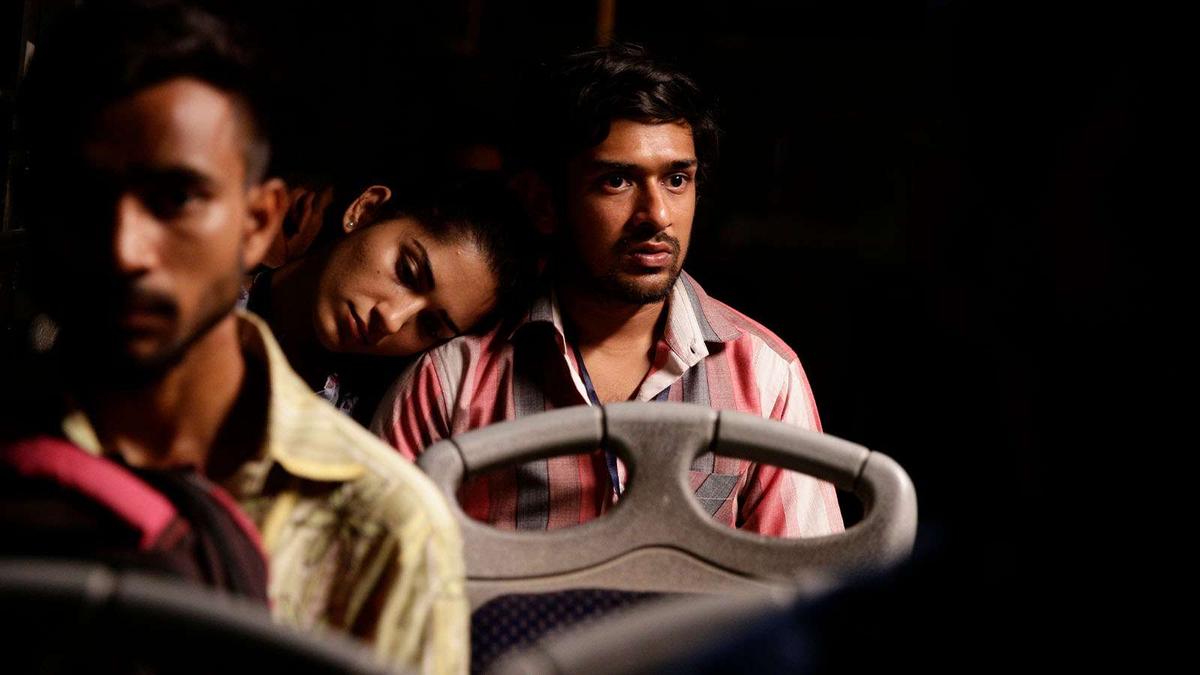
When the film threatens to become an advert for male sexual misery, a limping frame of Priya (Priyanka Bose) emerges from the shadows and strikes a bond with Guru. It is a fragile, secret window of tenderness carved out of the film’s suffocating structure. Like Guru, Priya is also seeking her space under the sun. In and out of relationships of convenience and compromise, Priya runs an Internet cafe. Guru pays for the computer time, and she tolerates his lingering stares. Like most relationships in Behl’s films, it also begins as a transactional bond, where bed becomes the seat of give and take. Still, the bond between Priya and Guru gradually develops into a sustained, tender note of mutual recognition. Gradually, we discover that the two souls, who are perceived as damaged by society and share the same gaze on them, complete each other.

Behl extracts raw, uninhabited work from his ensemble. In a breakout role, Mohit impresses with his haunted gaze and terrifying rage. Rahul is a revelation as the hypocritical father with a plan. Vibha and Sonal are bitter representatives of a generation of women who lament about patriarchy but don’t want have the moral base to give up on its perks. The highlight is Priyanka as the enigmatic Priya. It is hard to make a manipulative figure look dignified on screen, but Priyanka strikes a balance as the polio-afflicted Priya negotiates the power dynamics of society and home.
Agra is currently running in theatres.
Published – November 14, 2025 03:28 pm IST