




Home is usually a place, sometimes a feeling and in the case of Péro, almost a person. At the recent AD show in Mumbai, the beloved Delhi label unveiled its debut home line with a wink and a runway that drifted somewhere between gossamer dreamscape and gentle mischief.
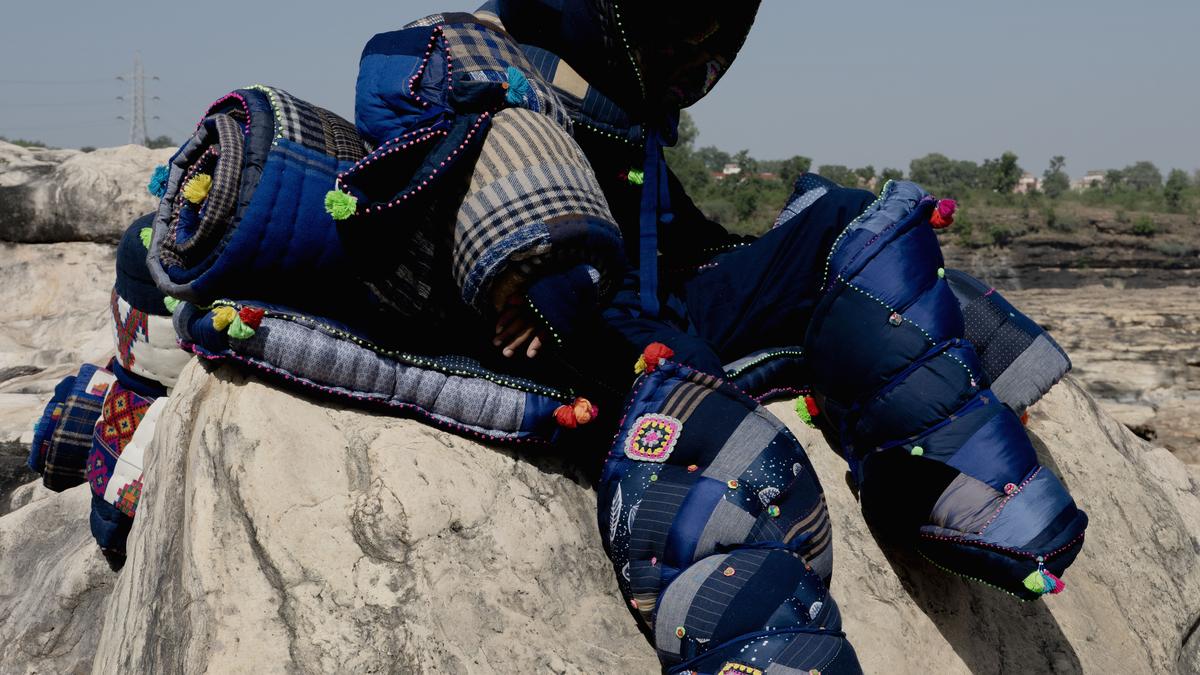
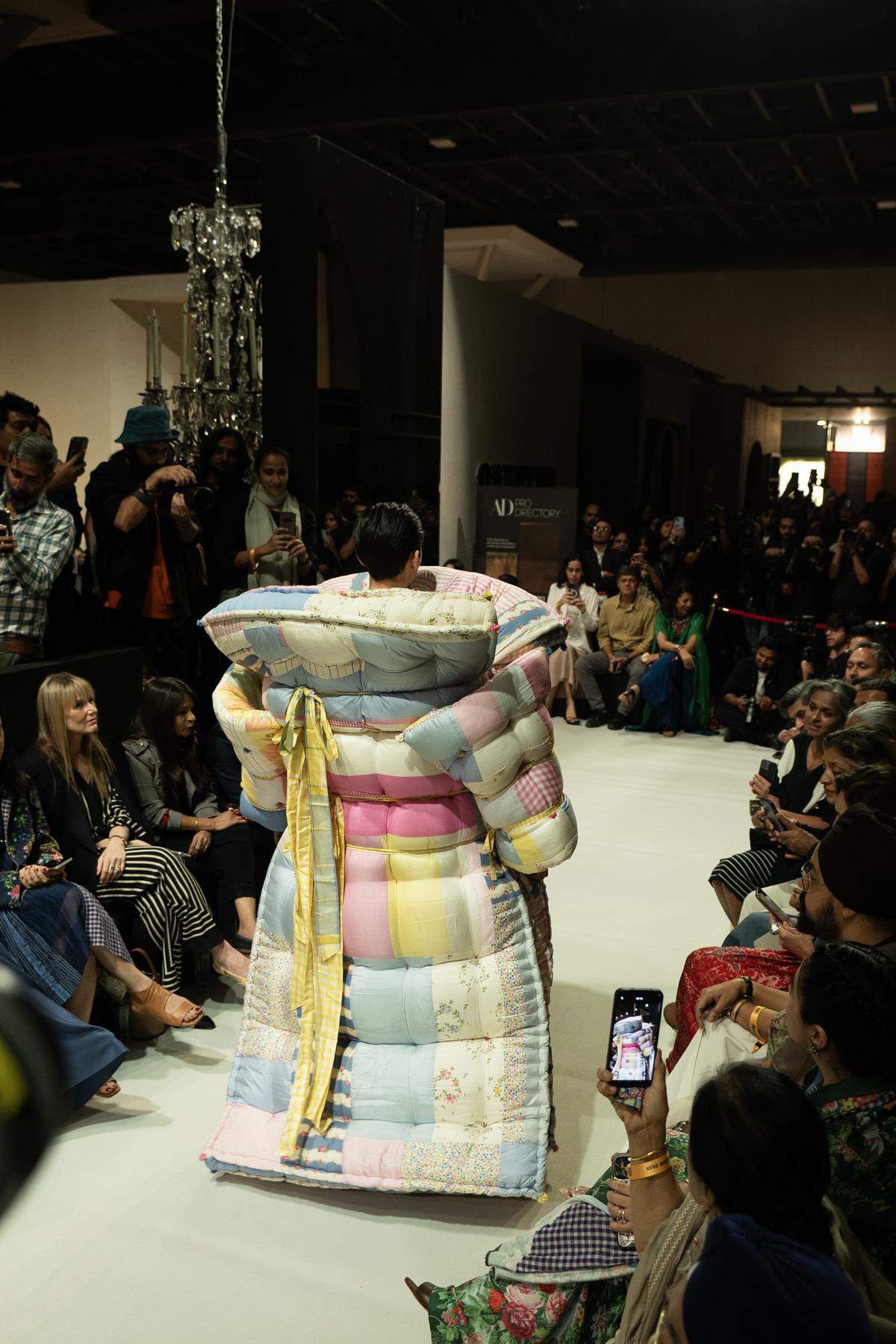
Aneeth Arora, the elusive creative force behind the brand, staged a presentation that turned bedding into theatre. Models glided out wrapped in mattresses and quilts, their silhouettes pitched between surreal tableaux and DIY architecture.

Aneeth Arora
Styled by Nikhil D., they morphed into tents, compact condos and self-seated sofas. The team even strapped pillows into makeshift backpacks while guiding a handful of editors to our seats.
The specifics
The collection originates from Péro’s archival textiles and is divided into four parts: Eat, Sleep, Clean, and Live. Longtime loyalists will recognise the delicate French embroidery, micro needlepoint roses, gossamer chanderi, lace and the softest cottons in pastel tones. While the showcase focused on curtains, mattresses, quilts and pillows, towels, robes, and perhaps even lingerie are expected to follow. The line will launch exclusively at Nilaya Anthology in Mumbai.
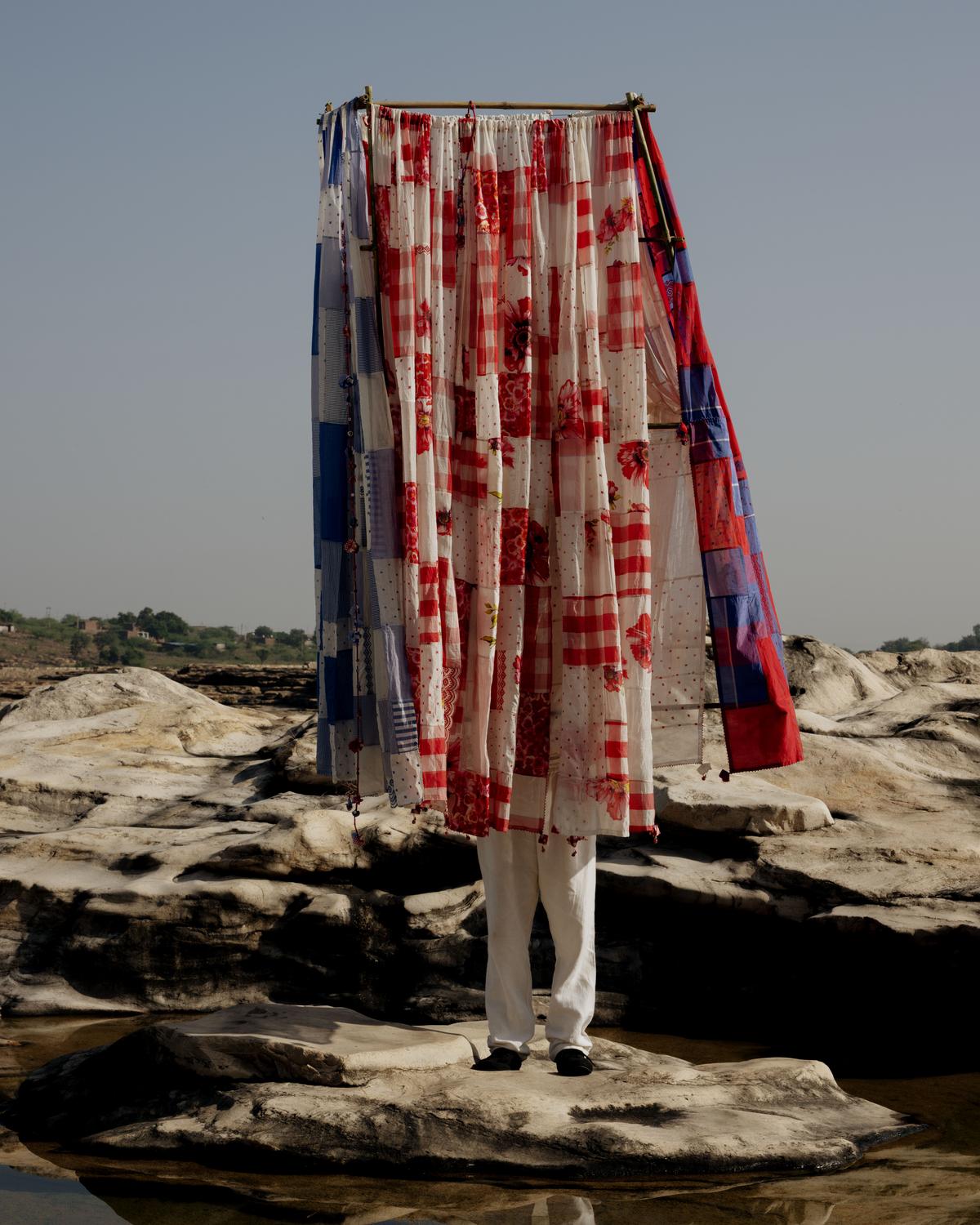
The collection originates from Péro’s archival textiles and is divided into four parts: Eat, Sleep, Clean, and Live
This debut has been hiding in plain sight. “If one asks how long it has been under development, I would say 16 years because we were making these textiles from the beginning.” After the pandemic, the team sifted through 8 to 10 early seasons to build the home ranges. In fashion, Arora explains, if a client sees the continuation of a print or technique, they consider it old. “But that’s not the case at home, we seek the familiar.” Bringing back crowd favourites from her archives felt logical, even overdue. However, each piece is a one-off, the archival textiles are limited and the ideas many.
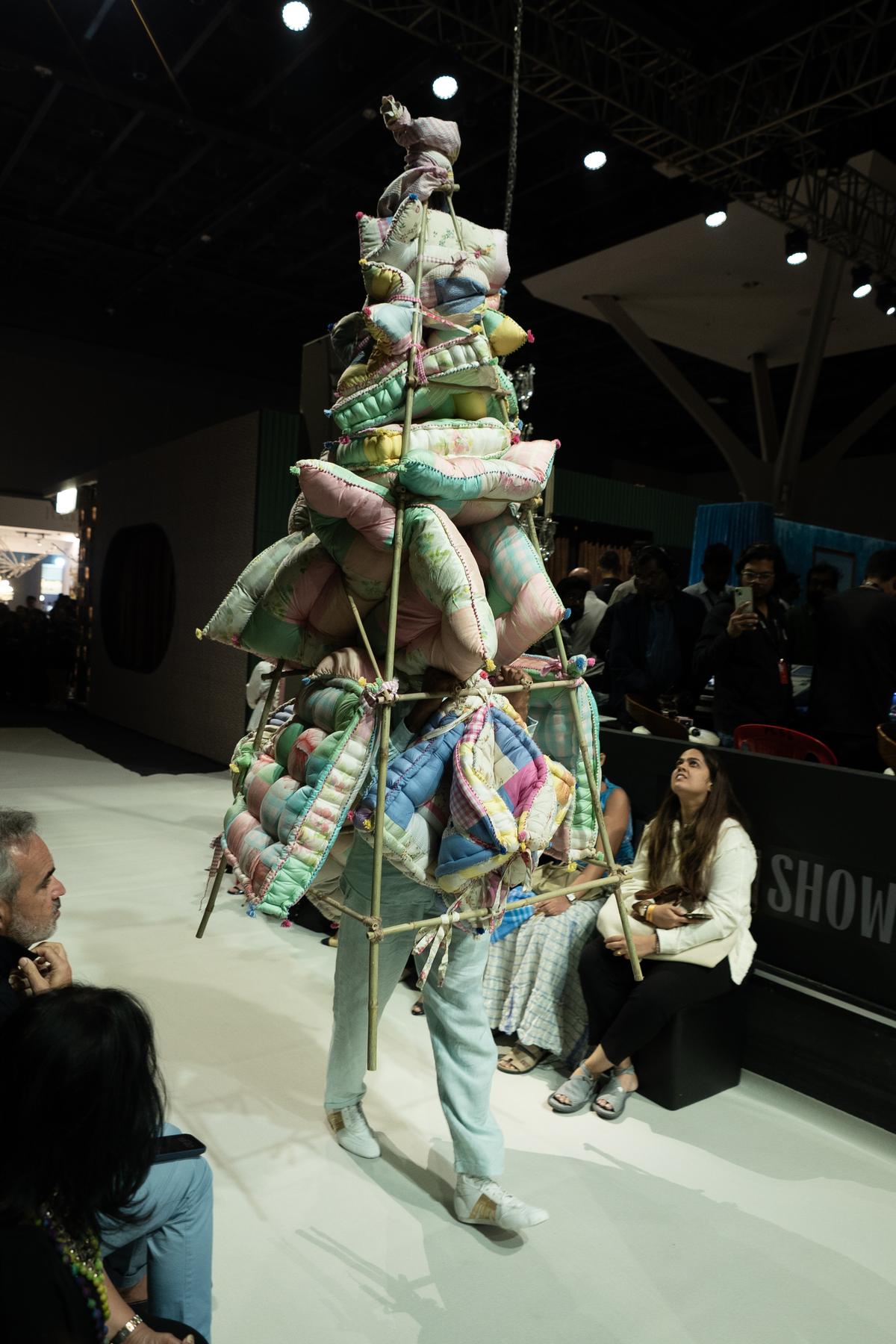
Longtime loyalists will recognise the delicate French embroidery, micro needlepoint roses, gossamer chanderi, lace and the softest cottons in pastel tones.
The design language, Arora says, “is inspired by what we see locally”. From overloaded rickshaws in Old Delhi to stacked bundles on Mumbai streets, Péro has always stretched everyday poetry into clothing.
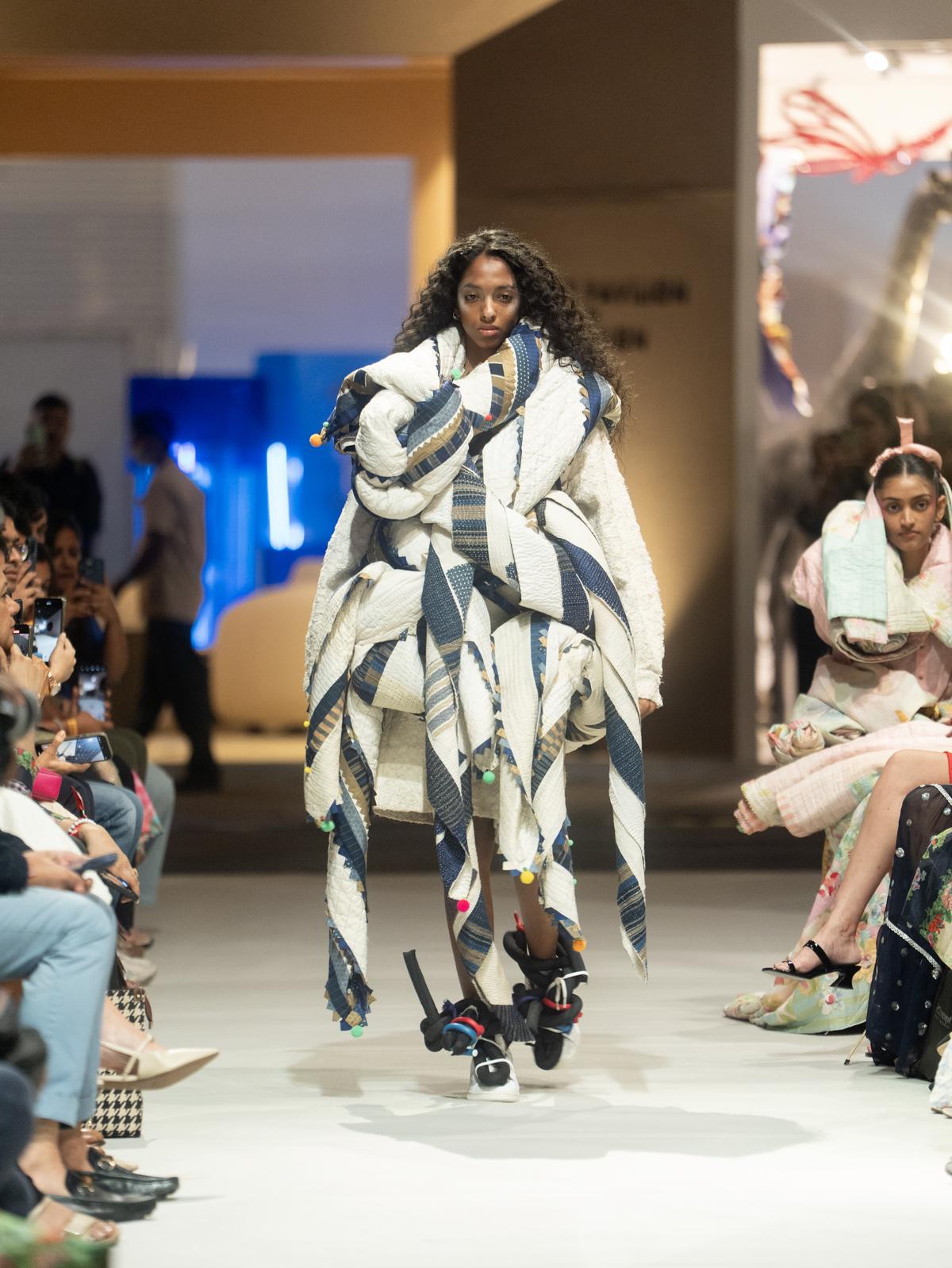
While the showcase focused on curtains, mattresses, quilts and pillows, towels, robes, and perhaps even lingerie are expected to follow.
Arora herself stayed behind the curtain. Known to avoid taking a bow (Margiela is a big reference), she has almost no recent photographs in circulation, and the brand quietly removed her name from its title a few years ago. “Everything I do is inspired by crafts,” she says over the phone two days before the launch. “In craft clusters, a piece rarely belongs to one person. I look at Péro as a collective.” The philosophy may be personal but it is also pragmatic. As Indian labels mature, questions of legacy, signature and continuity beyond the founder gain weight. While we celebrate designers who now more than ever before have been appearing at global fashion weeks, Péro has been a steady fixture at international trade shows for 16 years. “From the very beginning, Péro was created for a global audience,” says Arora. Today the brand is present in 350 stores across 30 countries and internally supports more than 300 families. “To the families that rely on Péro, I owe the commercial success and continuation of the brand.”
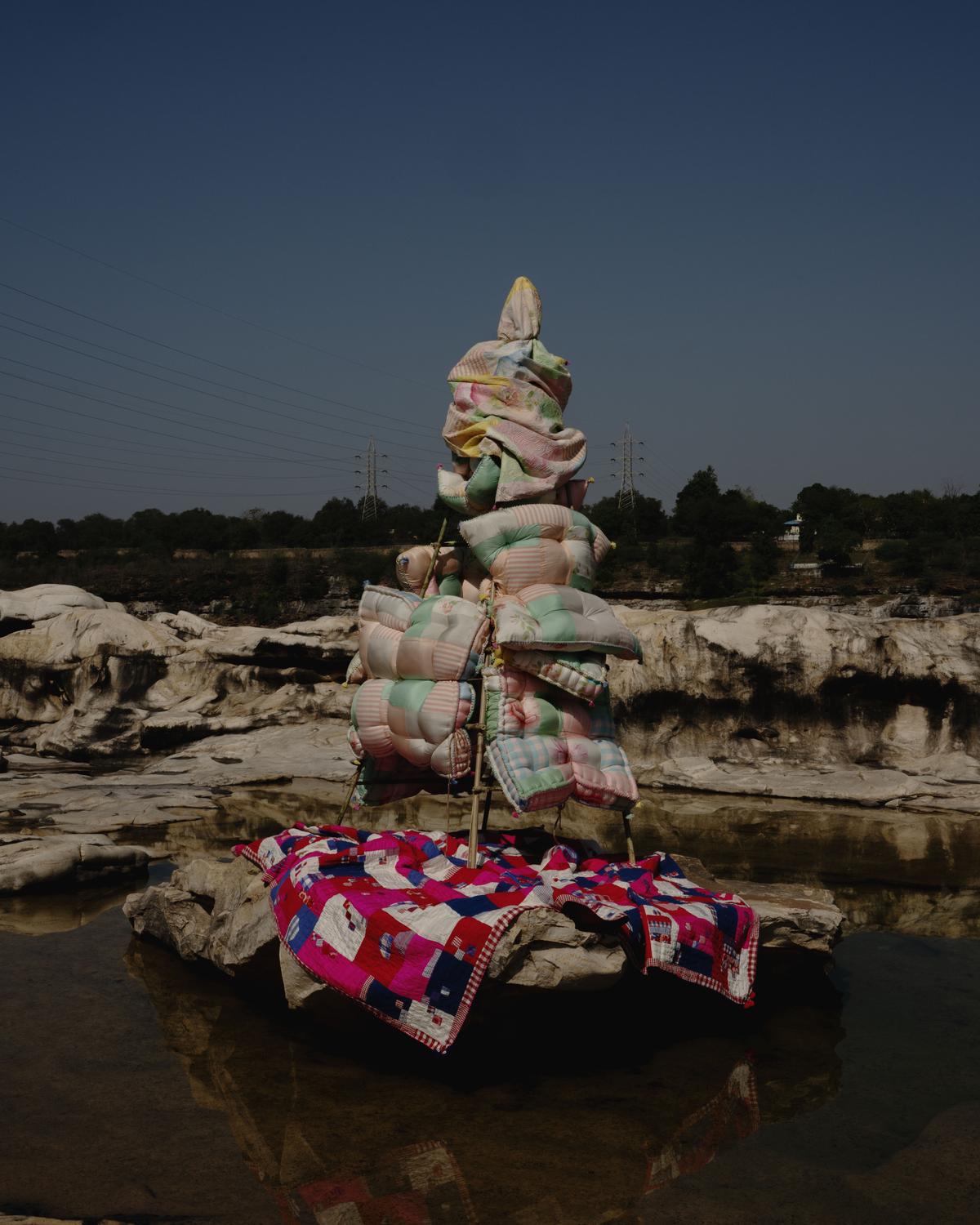
The line will launch exclusively at Nilaya Anthology in Mumbai.
By stepping away from the spotlight, the label has built a loyal audience protected from personality cults and trend whiplash. “The first five years, we were introducing the international audience to our crafts and techniques, this is jamdani, this is bandhani. Now they arrive with other buyers and rattle off craft names with ease.”
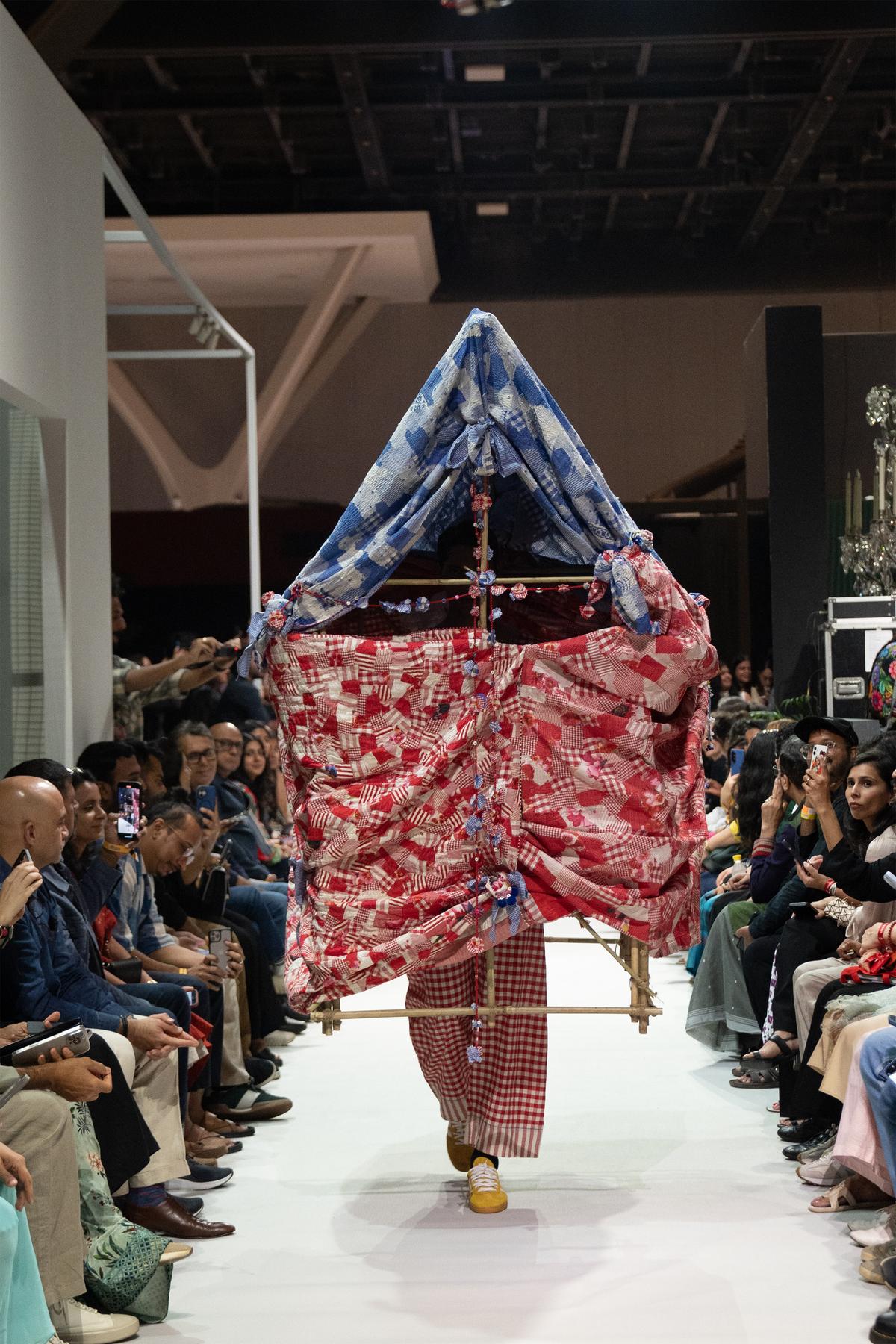
By stepping away from the spotlight, the label has built a loyal audience protected from personality cults and trend whiplash.
Lessons learnt
There have been lessons, too. “When we did ajrakh, we stuck to the most traditional colours and motifs, even for our international offerings. Despite its absolute original rendition, it was received as ethnic, and we had to reconfigure how we use craft.” At some point, Arora hopes to experiment with dabka, mukaish or gota, crafts from her Rajasthani lineage, but only in a way that feels true to the language the brand has built.
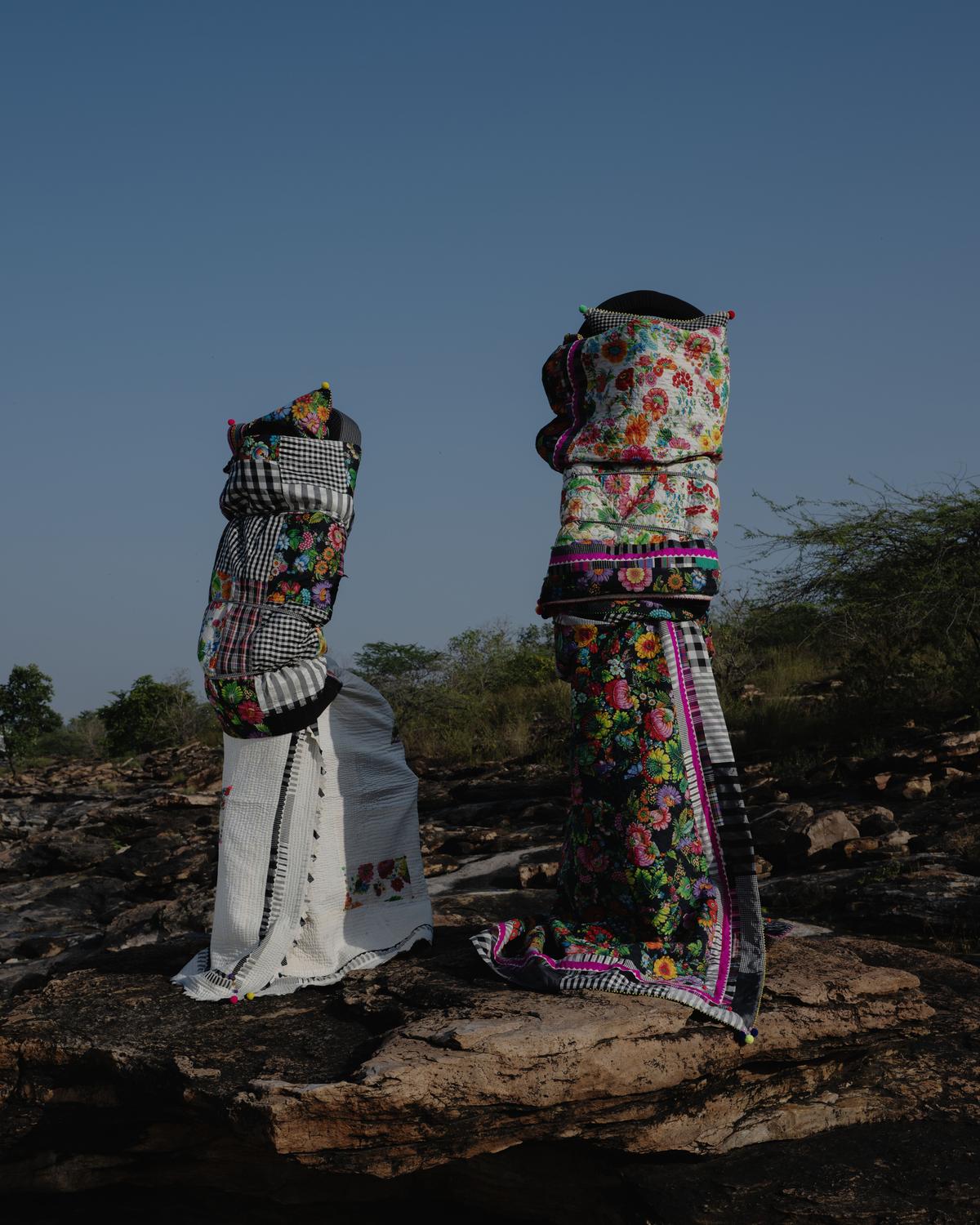
Arora spends more time at Péro’s Patparganj studio than at home.
Arora spends more time at Péro’s Patparganj studio than at home. Does she have a bed in the office then? “I do not! We’re not from Delhi and lead quite nomadic lives. The home is work in progress too.”
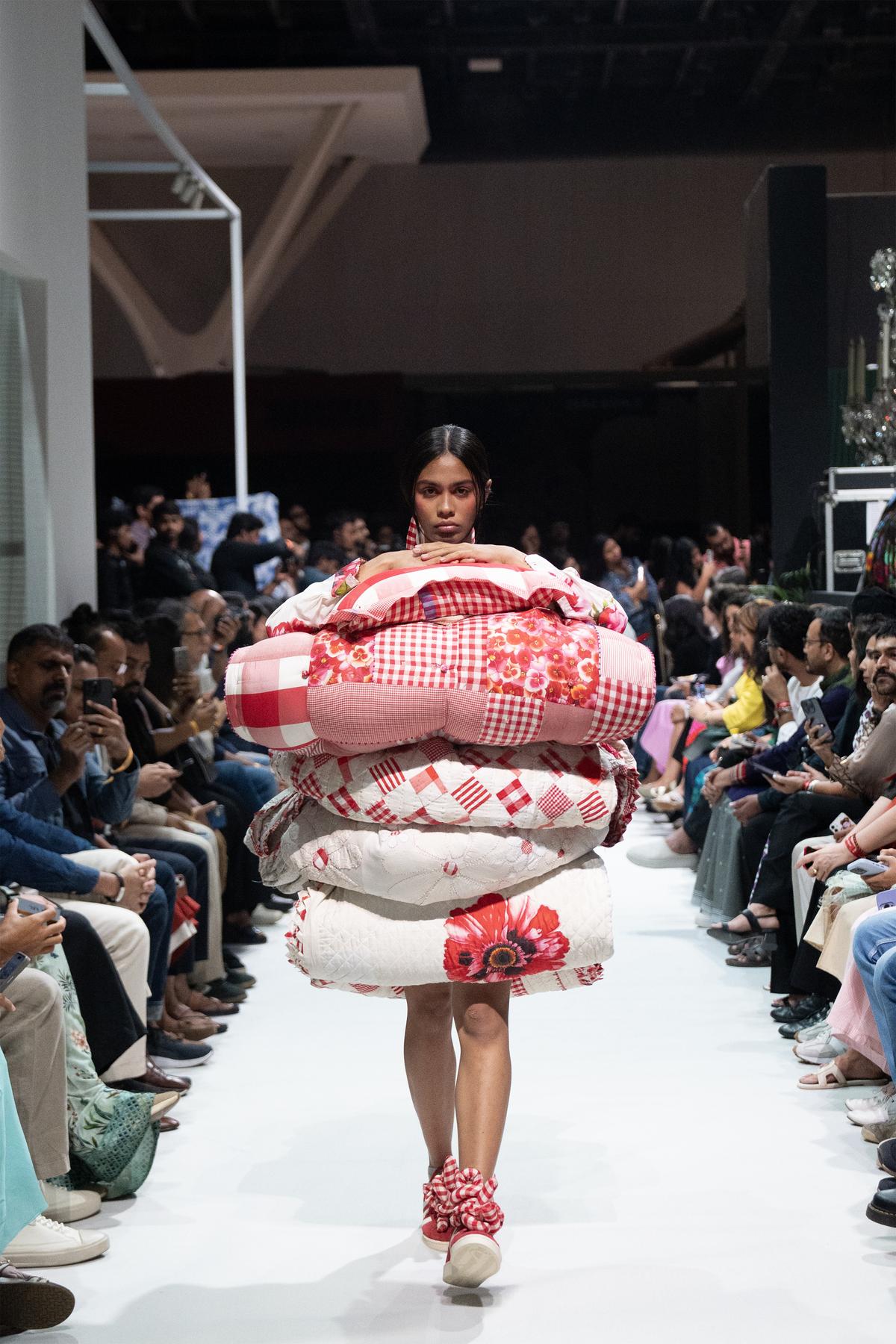
At some point, Arora hopes to experiment with dabka, mukaish or gota, crafts from her Rajasthani lineage, but only in a way that feels true to the language the brand has built.
She laughs off the idea that Péro home pieces have already found their way into her space. Instead, she and her partner collect home textiles from craft clusters or vintage dealers, small anchors that make each new house (they’ve changed four in the last few years) feel a little more like home.

Arora and her partner collect home textiles from craft clusters or vintage dealers, small anchors that make each new house (they’ve changed four in the last few years) feel a little more like home.
Ask Arora where she feels most at home and the answer loops back to the beginning, craft. “I am always at peace in any craft cluster,” she says. “Seeing something being made, even if it is not for Péro, is meditative. Whether it is glass being blown in Murano or lace being made in Burano down a quiet lane, anywhere I can experience culture with craft, that is where I feel at home.”
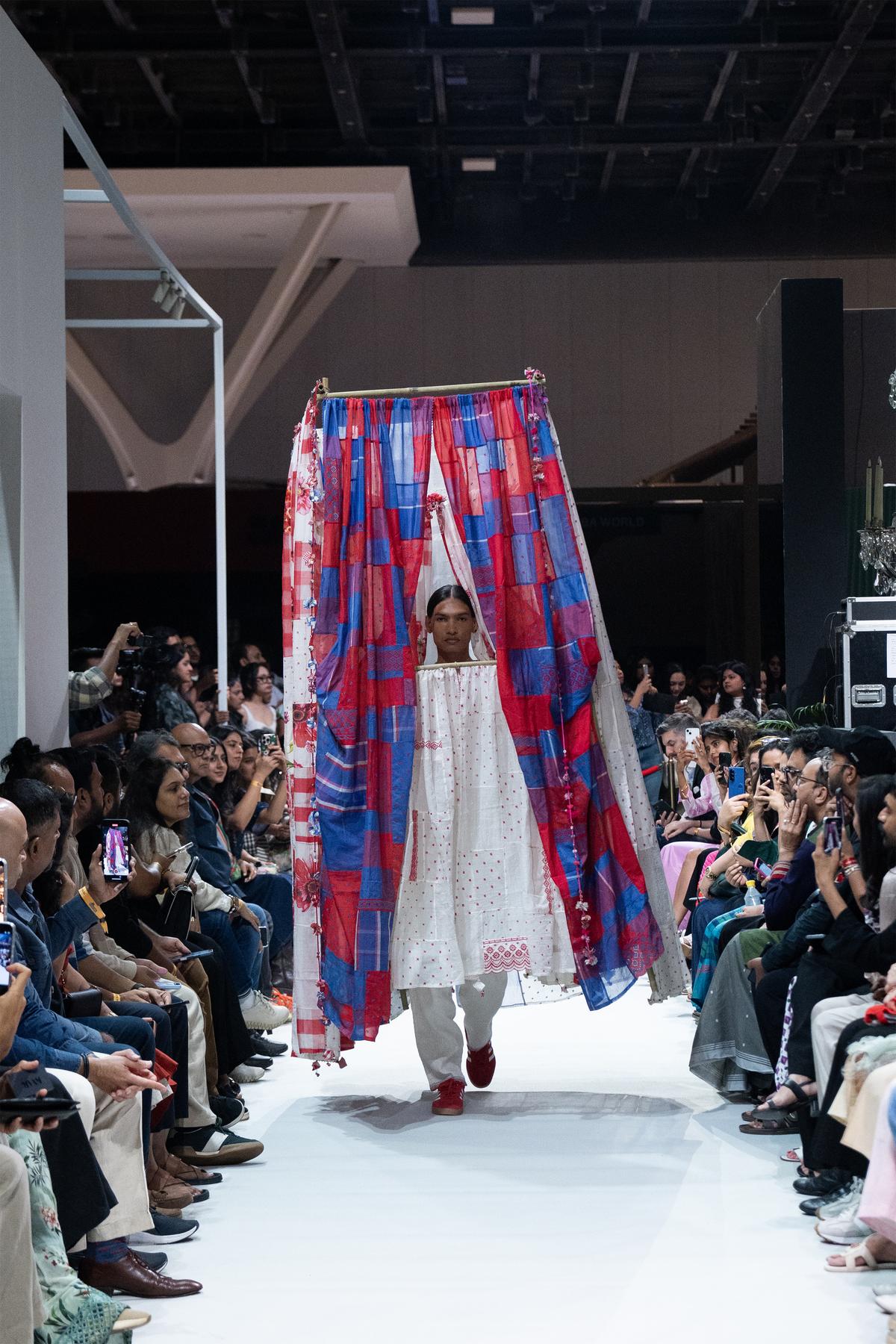
Péro has always dressed the world softly, now it invites the world to live that way too.
In a way, the home line completes a circle, the brand returning to the textiles that built it. Péro has always dressed the world softly, now it invites the world to live that way too.
Péro’s home line is available at the studio by appointment, or via email at perobyaneetharora@gmail.com, with prices starting at ₹10,000.
The writer is a Mumbai-based fashion stylist.
Published – November 28, 2025 10:50 pm IST