


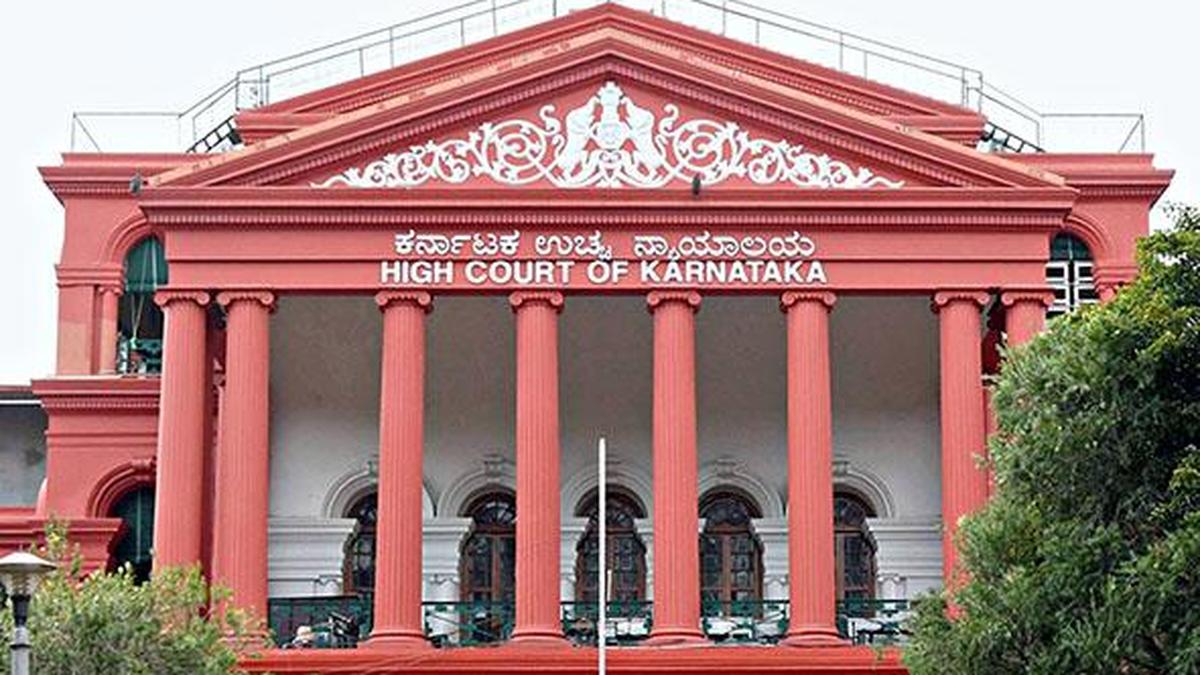


The High Court of Karnataka
The Assistant Commissioners, as a measure to ensure a senior citizen secure dwelling, can resort to eviction of persons from the unauthorised possession of the residence belonging to the senior citizen under the provisions of the Maintenance and Welfare of Parents and Senior Citizens Act, 2007, said the High Court of Karnataka.
Pointing out that the definition of “maintenance” under Section 2(b) of the Act specifically includes within it provision for residence, the court said that it cannot be said that the ACs acted beyond their jurisdiction if it was for providing residence under the provision of the Act.
Justice M. Nagaprasanna passed the order while dismissing a petition filed by a 45-year-old woman who had questioned the Ballari Assistant Commissioner’s June 2025 order for evicting her from the residence belonging to her 73-year-old mother-in-law.
The mother in-law had filed a petition before the AC complaining that the daughter-in-law had compelled her to live in a small out-house with her aged husband and was not allowing entry to the house which the mother-in-law had purchased from her own earnings. The AC, who acts as an authorised tribunal under the Act, after securing report on the status of the mother-in-law and details of the residential build, ordered eviction of daughter in-law.
Citing apex court’s interpretation of the provisions of the Act, as this law has no specific provision empowering the AC to pass order of eviction in favour of senior citizens, the High Court said even High Court of Madhya Pradesh had recognised that ensuring a senior citizen secure dwelling may in necessary circumstances require the removal to obstruct such security, which includes eviction of persons in authorised possession of the property of senior citizen.
Stating that no perversity or infirmity in the order passed by the AC, the court said acts of the petitioner amount to depriving the senior citizen of dignified access to her own home, as the house is in the possession of the daughter-in-law.
Published – November 27, 2025 09:07 pm IST