





What if children are empowered to take on the mantle of teachers, and adults are at the receiving end of knowledge transfer. What if children school their elders in the grammar of conscious living. What if children are conversant with the idioms of sustainability, source discards and transform them into desirable, eco-friendly, everyday utilitarian objects and eye-catching decor. On November 15, at Kid’s Kraft Carnival 2025 — Edition 2, organised by Boutique Bougainvillea and The Kraft Faktor in Velachery, a group of children demonstrated that these what-ifs can be realities.
Around a dozen children in the 10 to 15 age bracket were holding sessions on a variety of art-based practices defined by sustainable processes. The children showed the attendees how to make origami-based decor, quilled wall decor, quilled jewellery, artwork on upcycled boards, clay-based art and palm-leaf decor. Various other art forms were also in attendance (crochet, macrame and decoupage among them) and all of them were viewed through the lens of sustainability and the eyes of the young ones that have mastered them through sustained practice. Some of these children have take these skillsets beyond weekend sessions to build brands that fuse sustainability with art.
Undoing a knotty problem
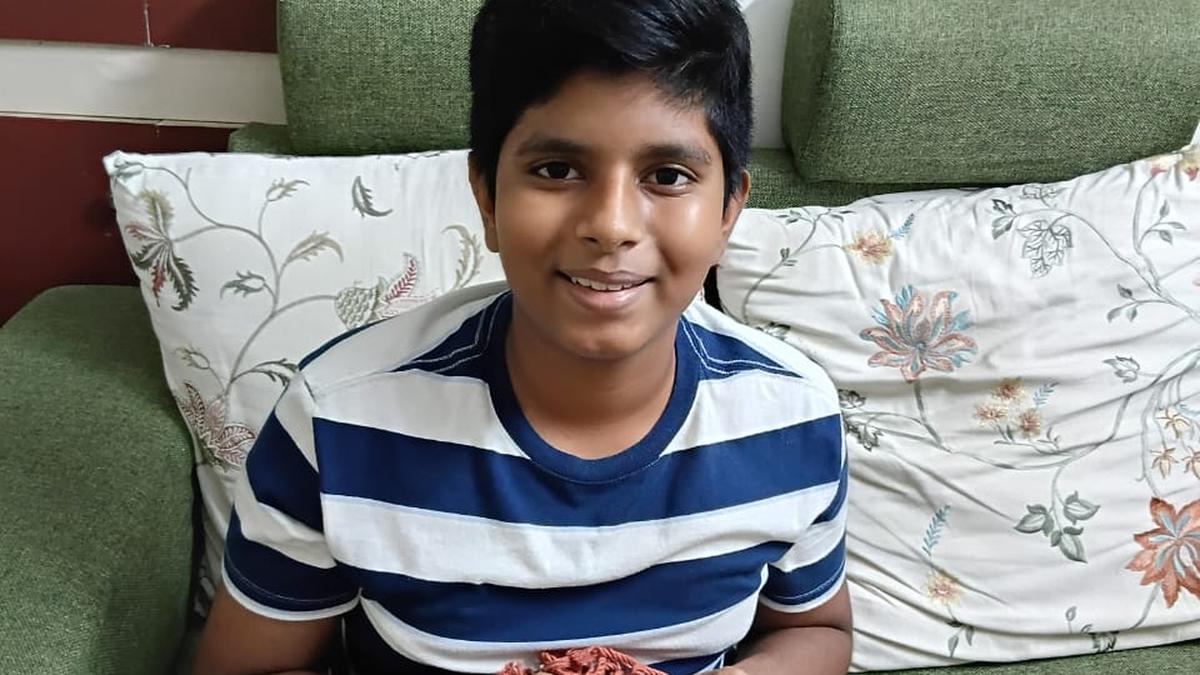
Thirteen-year-old Keshavanath Shankar stumbled into macramé a year and a half ago, when idle hours at home and the absence of a television demanded a more creative diversion. Crochet proving difficult, he began experimenting with knots after noticing friends and online creators working with macramé. “It just felt comfortable,” he says of the craft that has since become his daily practice.
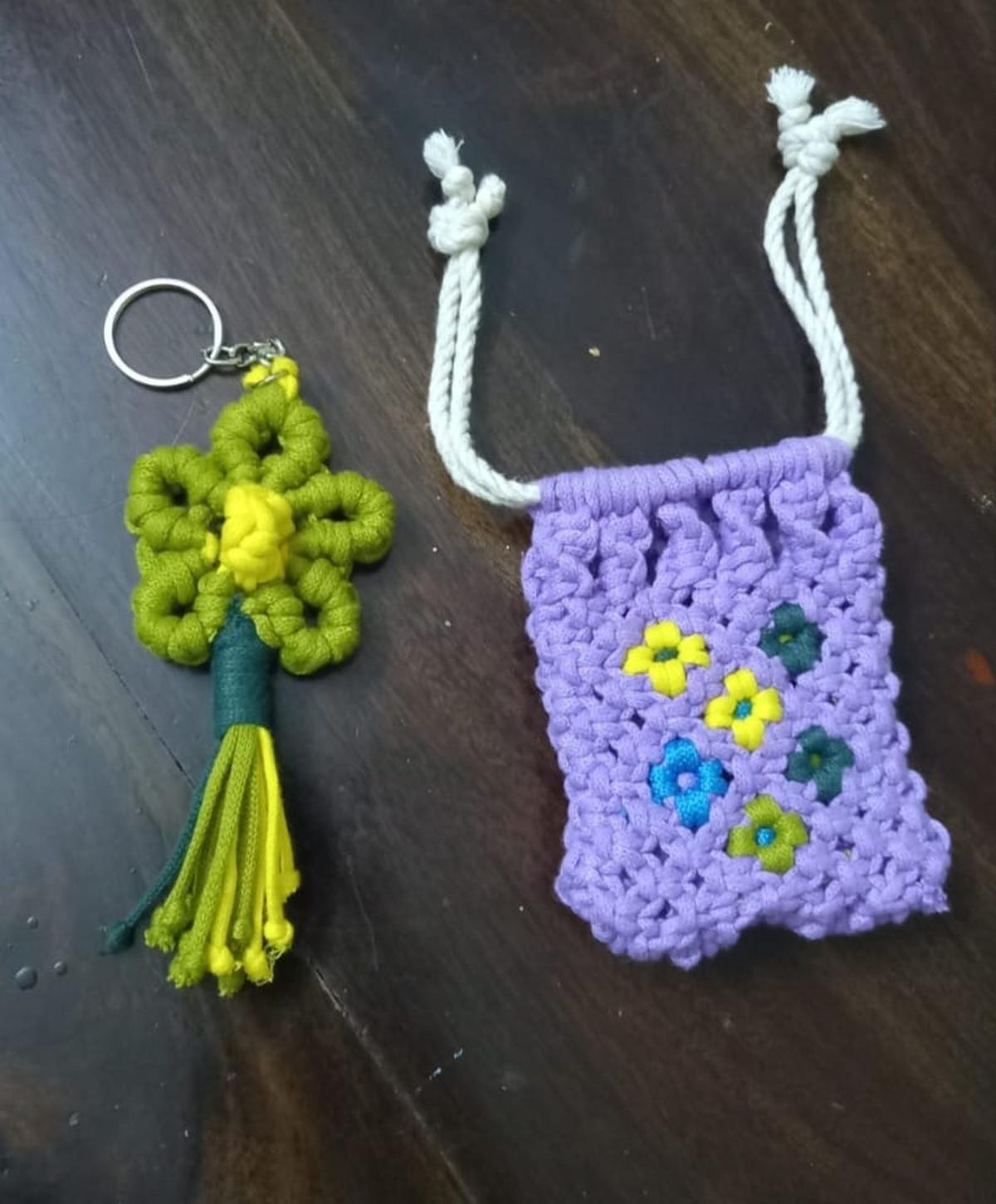
A macrame work by Keshavnath
Keshavanath works exclusively with sustainably sourced cotton cords from Craft Affairs. “Even the cotton is eco-friendly,” he notes, aligning his materials with the sustainability principles taught to him. He primarily makes pouches and keychains that are priced between ₹60 and ₹250 though larger pieces such as wall hangings and bottle holders demand considerably more time and effort.
His process is exacting. He begins by measuring and cutting cords before knotting them into their final form.
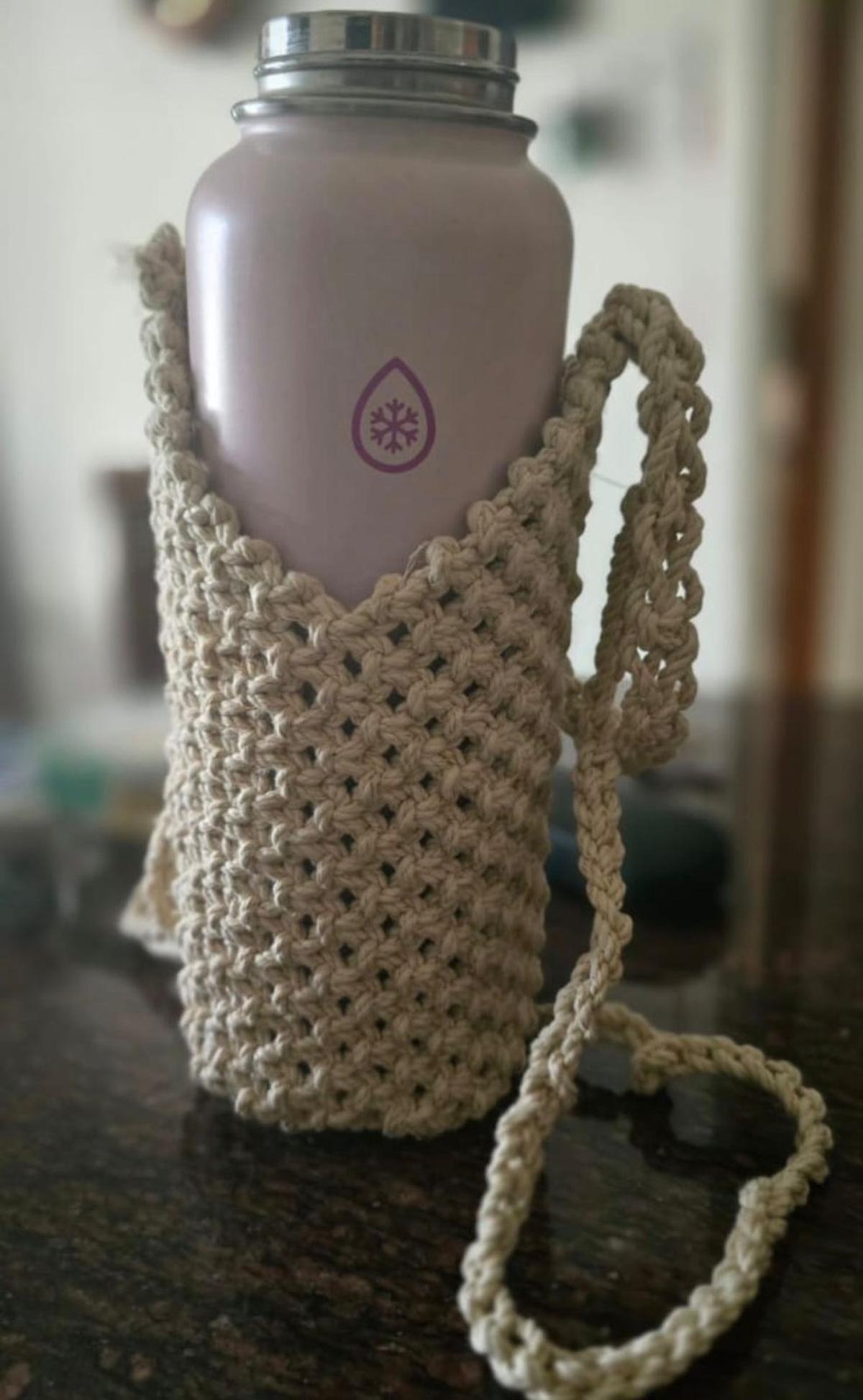
A Macamre work by Keshavnath
“I enjoy almost every part, except the last bit where I have to tie every single knot and cut it,” he admits. Bigger customised orders come with challenges: “I pull the threads so many times that my skin starts shedding.” Mistakes, however small, are never ignored. “I undo every knot until it is fixed.”
For Keshavanath, sustainability is a responsibility. “My generation deserves a cleaner world,” he says. His message to buyers is simple: choose products that are stylish and eco-friendly — creations that do not add to the planet’s burden.
Decoupage for the planet
With scraps of paper, old sheets, and dried flowers, 10-year-old Maya Ram, a Grade 5 student at Adyar Theosophical Society, turns everyday objects into decoupage creations. Decoupage, the craft of layering paper and fabric to decorate surfaces, allows her to repurpose discarded materials into functional décor.

Maya Ram
| Photo Credit:
Special Arrangement
Using torn tissue papers, old bedsheets, dried flowers, and leftover materials, Maya applies layers onto circular pots to create sustainable décor. “I have also decomposed tissue papers with leaves, flowers, floral designs, and other patterns,” says Maya, a resident of Indira Nagar, Adyar. She can also personalise items: “If a customer wants something specific, like a dog design, I can try to find decomposed tissue paper or fabric for them, though it will cost a little more.”
She carefully applies the papers to circular pots, a process that demands patience and attention. “The paper is rectangular, but the pot is circular, so it is hard to place it correctly without bubbles,” she says. Each piece takes between one and one-and-a-half hours, depending on size and design, and she finishes them with a sealant, choosing eco-friendly options wherever possible.
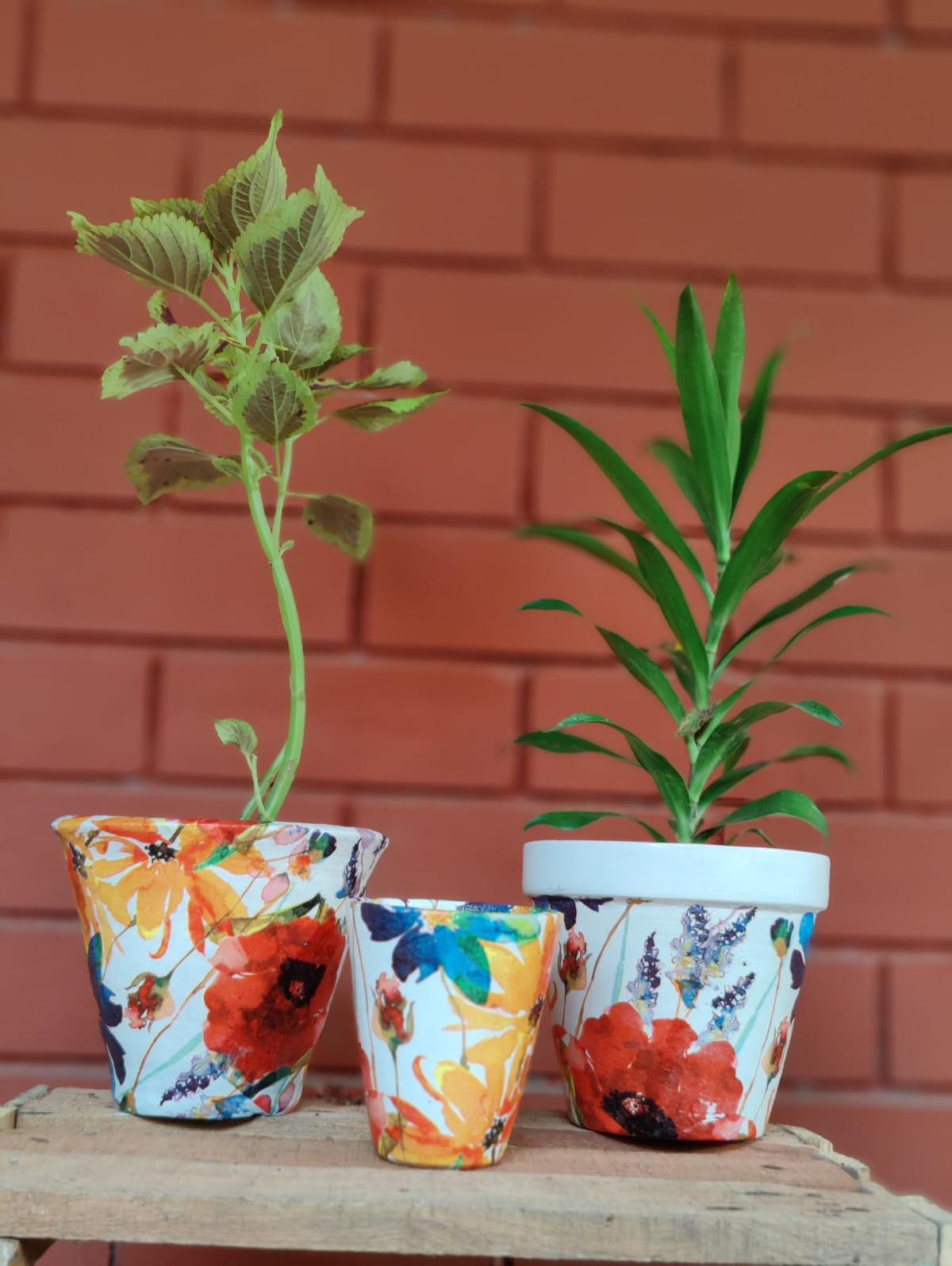
A decoupage work by Maya Ram
| Photo Credit:
Special Arrangement
Maya began her practice at seven, creating items for charity with guidance from her mother. “My mother helped me with pricing since I did not know how to do it,” she recalls. Now she is developing her own brand, Fusspots, with the tagline: “Be fussy, be eco-friendly” calculating prices based on materials and effort.
Beyond selling, Maya encourages environmental awareness, refurbishing old pots and showing how everyday items can have a second life. “I want buyers to see how sustainable products can also be décor,” she says.
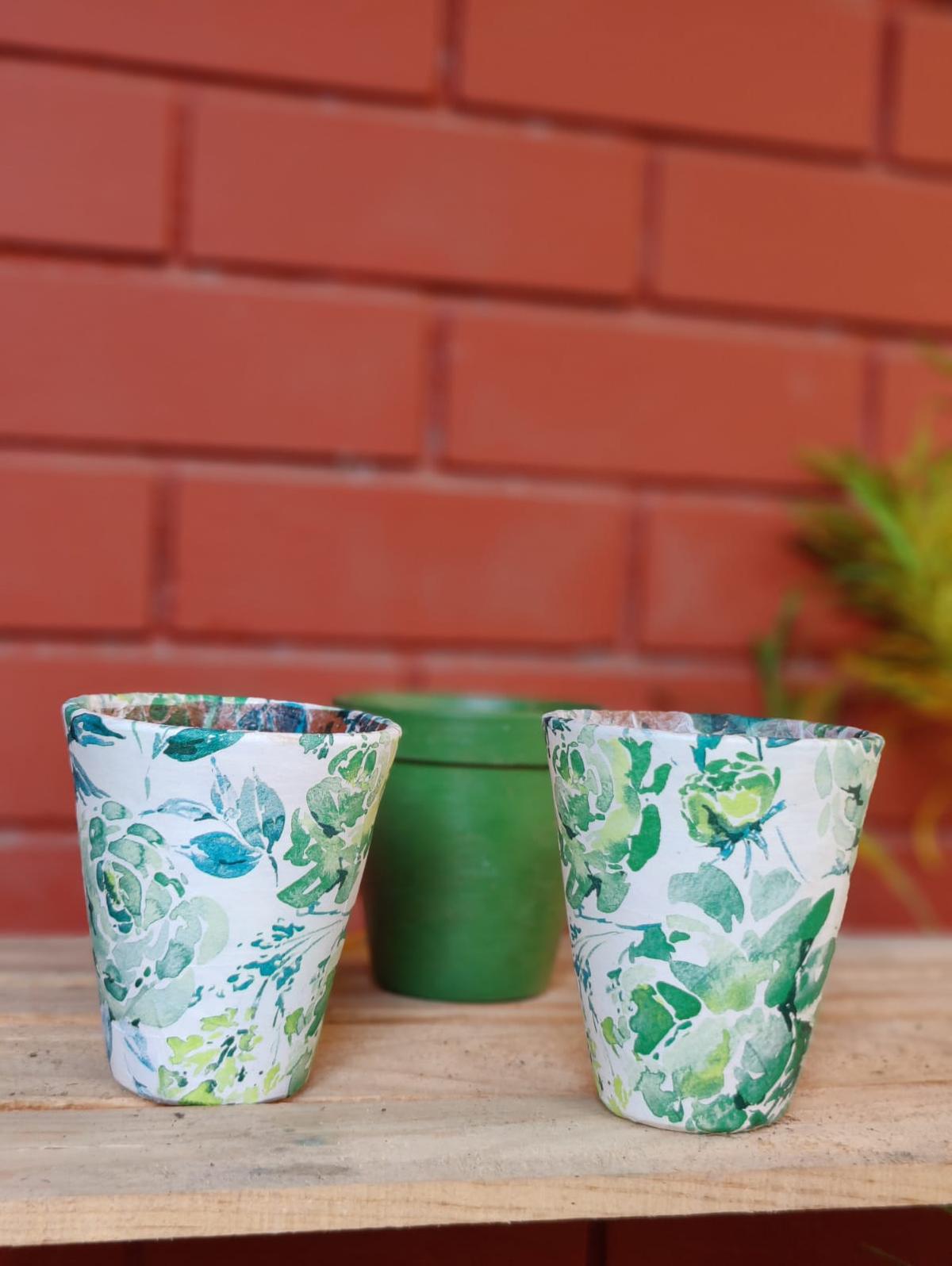
Decoupage work by Maya Ram
| Photo Credit:
Special arrangement
She also adapts her designs to meet personal requests, experimenting with shapes, patterns and customised themes. She points out that each project teaches her new skills in planning, pricing and sourcing responsibly.
Leafing through art
At ten years, P.S. Thara, from Kasturba Nagar, Adyar and a student at St. Patrick’s High School, CISCE is already carving a niche for herself in the world of sustainable craft. Her journey began at the age of nine during an Organic Farmers Market exhibition in Kasturba Nagar, where she was introduced to the art of palm-leaf crafting.
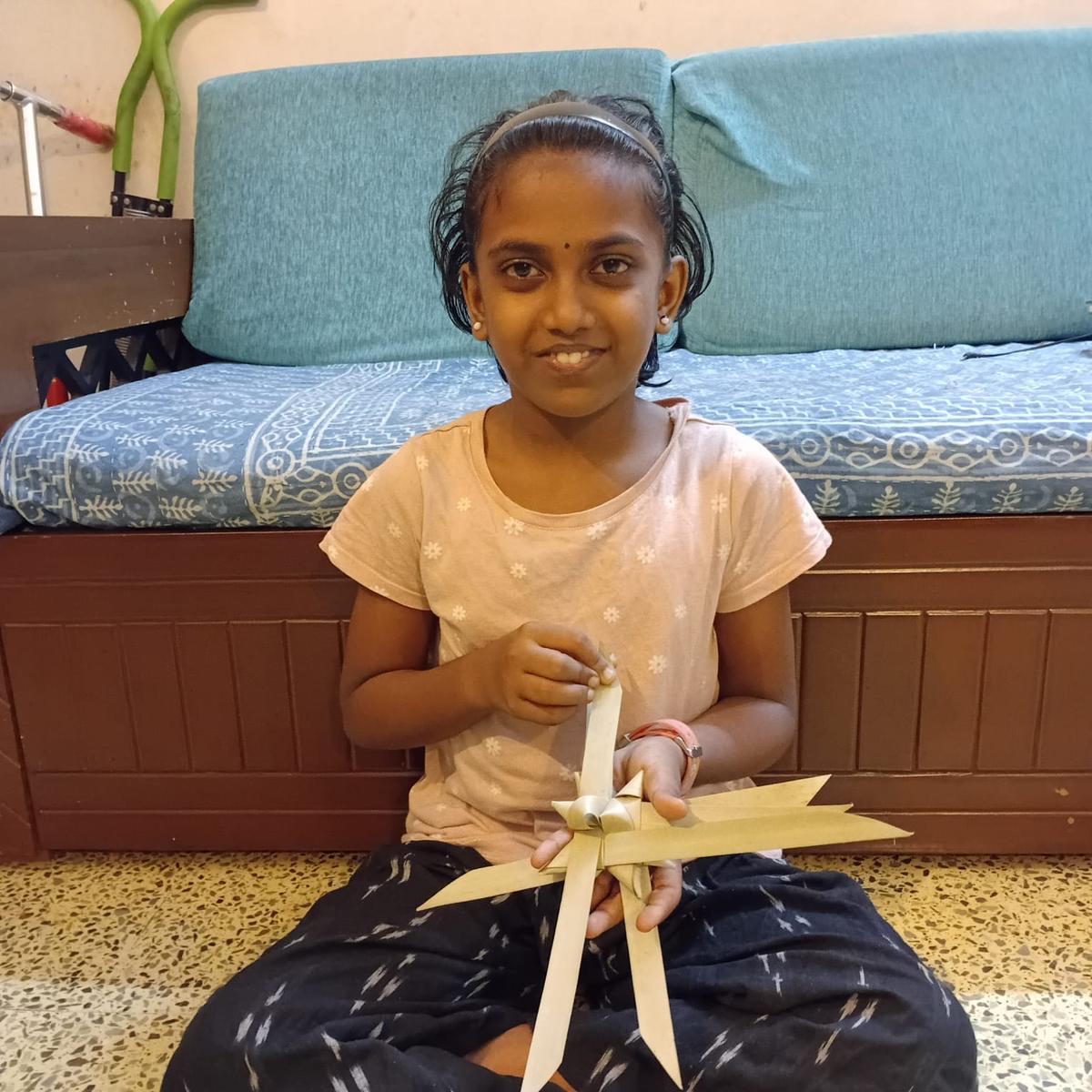
Thara P.S.
“On the first day, we made fishes, headbands, bracelets and watches,” she recalls. Thara has mastered a range of designs with palm leaves, including stars, squares, and diamonds. “The classic is one star and three diamonds,” she explains, “but if they want, they can customise it.”
Palm leaves, the state tree of Tamil Nadu, are celebrated not only for their cultural significance but also for their ecological benefits. Biodegradable, naturally durable, and requiring no chemical treatment, they have emerged as a sustainable alternative in contemporary craft. “Since it’s natural, it forms a thin layer of dust. You have to dust it with a paintbrush every time,” Thara explains, highlighting both the material’s charm and its quirks.
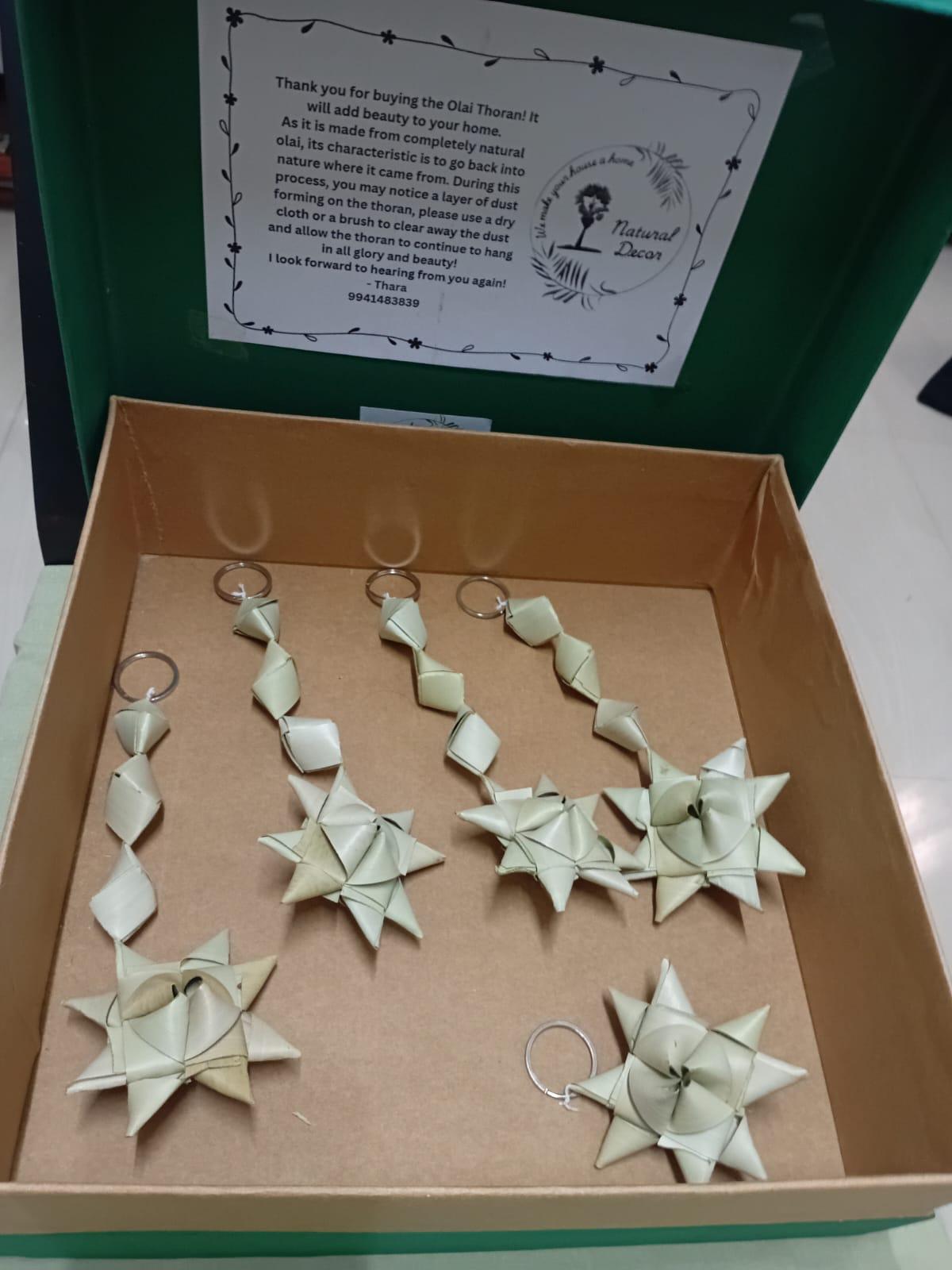
Palm leaf keychains made by Thara P.S.
For Thara, the craft is more than a creative pursuit. “It makes me feel calm and improves my concentration,” she says. Encouraged by her mother — “She said I could do it again if I committed to it”, Thara has continued to refine her skills.
Just ahead of the exhibition, wher she was going to teach visitors, Thara said: “I want to teach them. If they want, they can learn, and if they want, they can buy it.”