



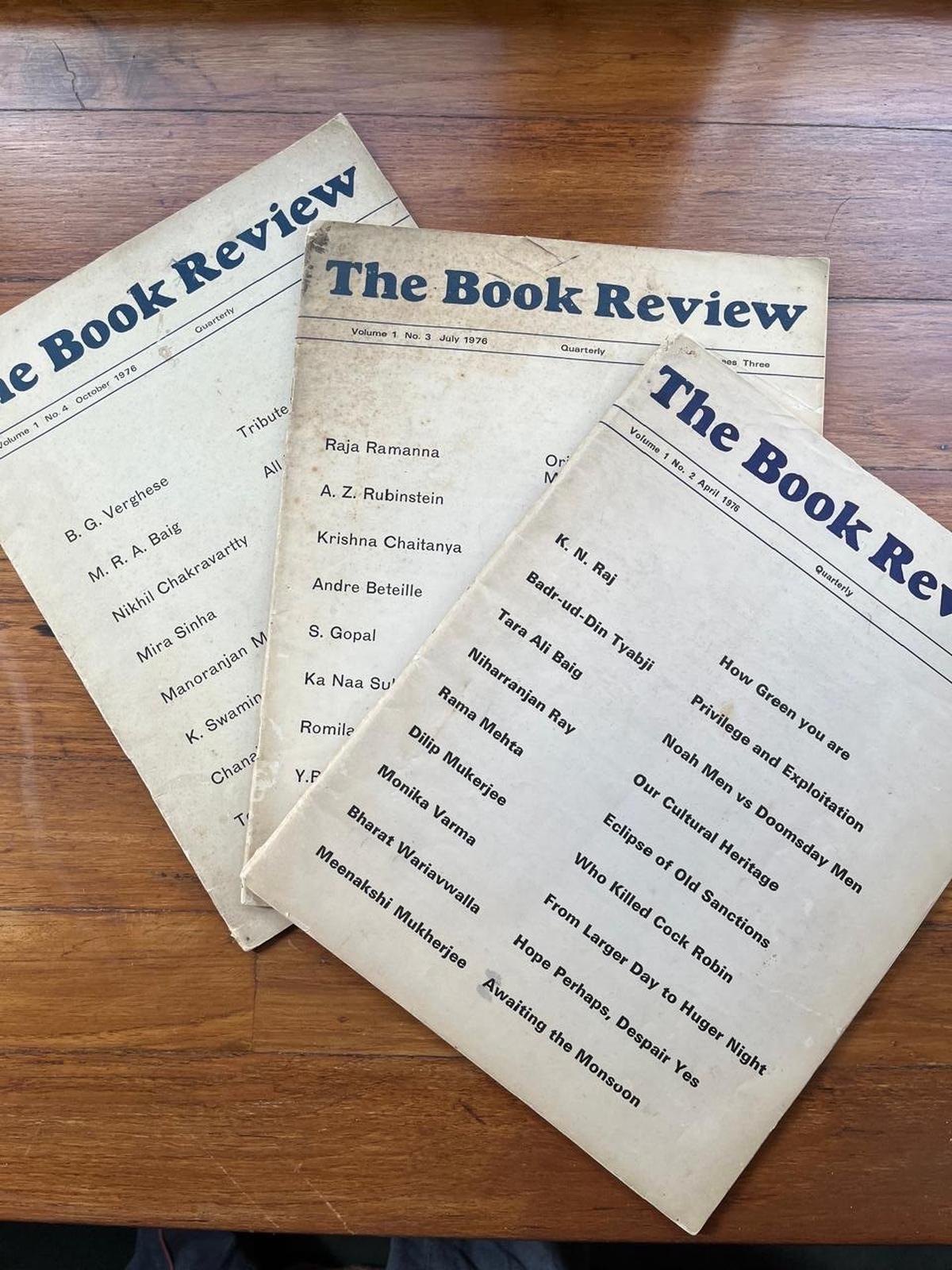
Widely considered India’s first review journal to appear in English, The Book Review (TBR), started by three bibliophile friends, turns 50 next year. As a part of its golden jubilee celebrations, TBR is hosting a seminar on literary translations, titled Echoes Across Tongues, in Bengaluru next week.
Set up by Chitra Narayanan, Uma Iyengar and Chandra Chari in 1976, TBR was begun with the intention to review books of all genres published in India. “Our basic job is reviewing books in the source language which has resulted in the book being translated too, at times. We have been focusing on languages, and over the years, have brought out language-specific issues as well,” says Iyengar. In August this year, TBR held a roundtable in Delhi, to discuss the state of Indian publishing since Independence and the role of reviews.
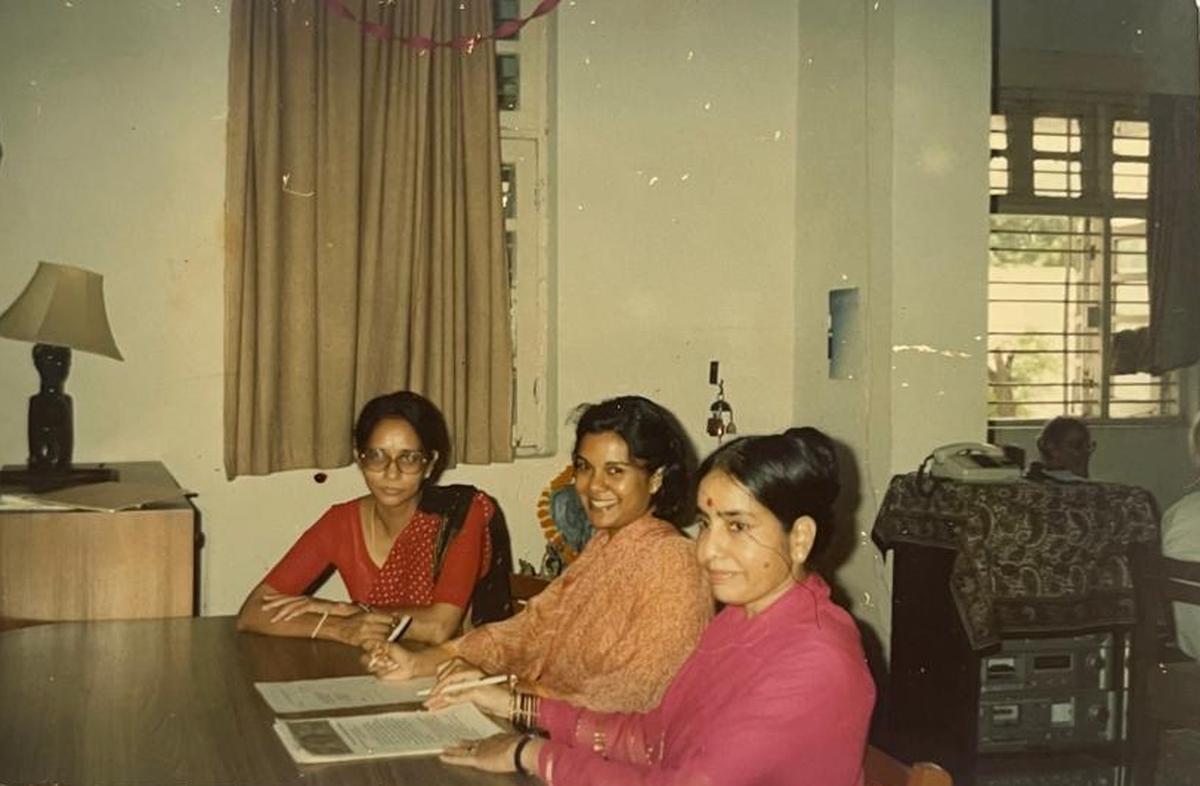
(L to R) Uma Iyengar, Chitra Narayanan and Chandra Chari who started The Book Review in 1976.
The upcoming Bengaluru session, which will go on for a day-and-a-half, will comprise three segments. The first session, ‘The Art of Translation’, will be chaired by author Chandan Gowda and will include writers Kamalakar Bhat, Vivek Shanbhag and Arshia Sattar on the panel. The second one on multilingual translation will be helmed by award-winning translator Vanamala Viswanatha, with the panel comprising V.S. Sreedhara, Mini Krishnan and E.V. Ramakrishnan, among others.
Poet and translator A.J. Thomas will oversee the last segment on translating different genres and he will be joined by International Booker-winning translator Deepa Bhasthi, among others.
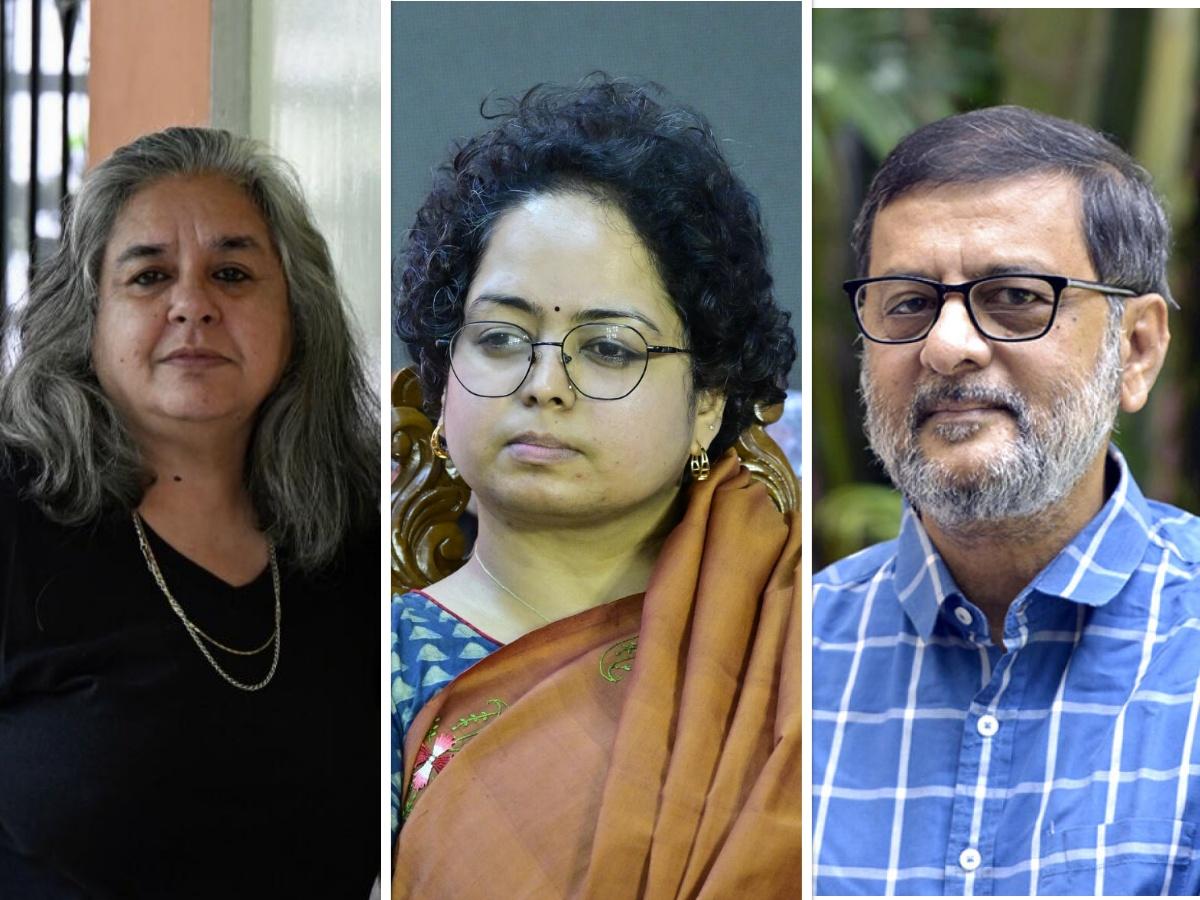
(L-R) Authors and translators Arshia Sattar, Deepa Bhasthi and Vivek Shanbhag will be a part of The Book Review‘s translation seminar.
Underlining the need to rethink the role and relevance of literary translations, Viswanatha, who has translated medieval and modern Kannada writing, including, most recently, Kuvempu’s epic, Bride in the Hills, says, “We can write a new kind of history of our nation… there is a critical mass of translations of Indian texts across multiple languages written over the last century that reflects the other Indias outside the realm of writing in English now,” she says.
Translator T.S. Saravanan hopes to discuss the role of Artificial Intelligence (AI) in translating. “The negative mindset about AI translations is not true. Generally, there are two groups of translators: those who stay away from technology and those using it, and the truth lies somewhere in between both. That is the mentality we are going to discuss.” He, however, emphasises on the human element. “AI can be used, provided the appropriate prompt is given. It helps boost speed, too. But the human touch is needed.”
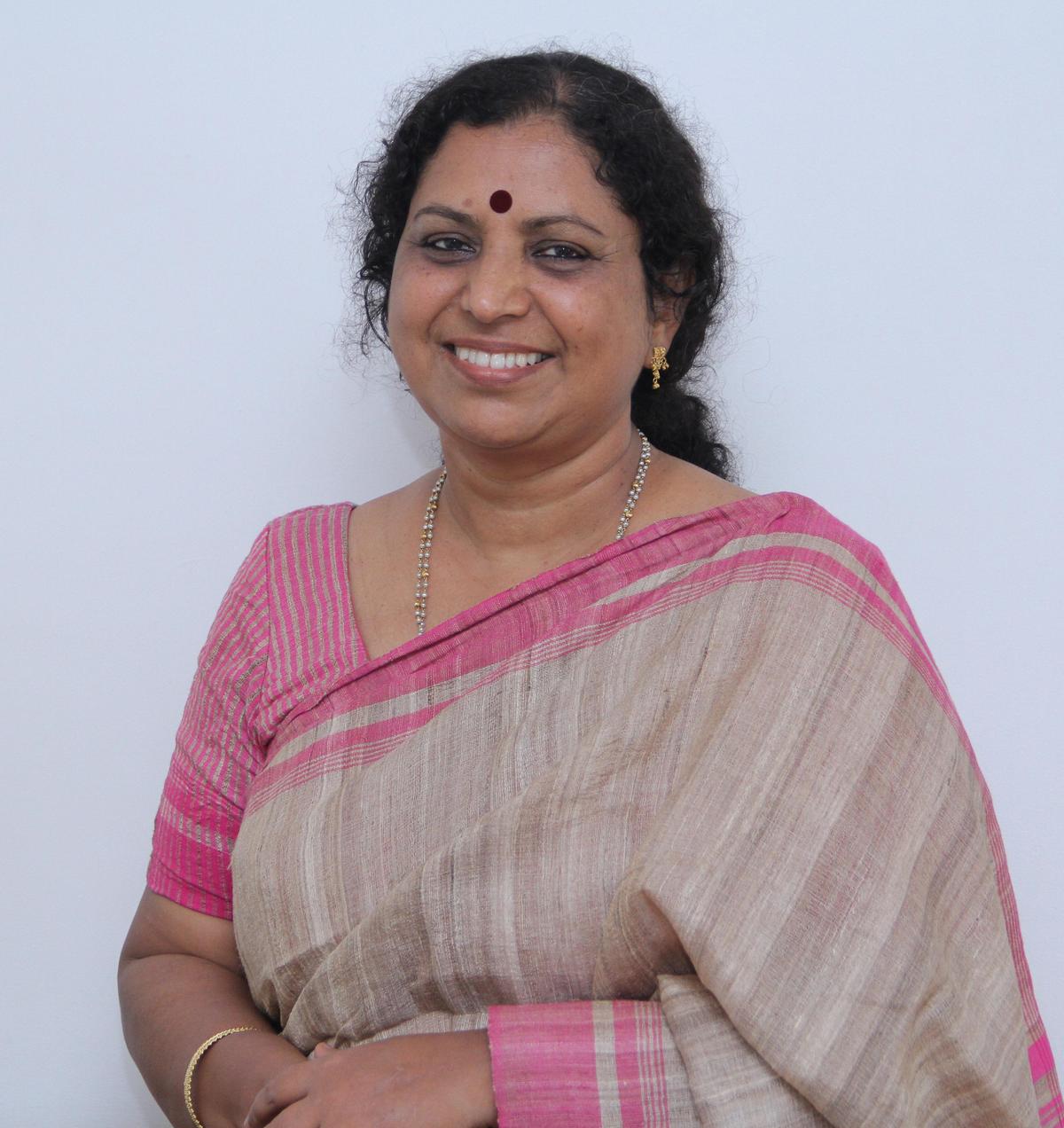

“We can write a new kind of history of our nation… there is a critical mass of translations of Indian texts across multiple languages written over the last century that reflects the other Indias outside the realm of writing in English now”Vanamala ViswanathaAuthor and translator
Adds Viswanatha, “Irony, sarcasm, reiteration, metaphor, proverbs — all these literary tropes are as yet beyond the realm of AI. It can be an ally to the translator, and may not necessarily be a threat. A human translator is not easily replaceable, at least right now, especially in literary translations.”
Niche interest
Iyengar recalls how editors from The New York Review of Books were invited to TBR’s 20th anniversary celebrations in 1996. “They shared that they came into being because The New Yorker went on strike, and how they were able to sell a humongous amount of copies for the very first issue,” she says.
Though TBR continues to focus on books published in India, it occasionally receives works from universities on topics of Indian scholarship. But the publication, which also has an online edition, “continues to be a niche journal”, says Iyengar, adding that reader interest has increased since they went online.
“We started out by chipping in ₹1,500 each because there was no book review journal in India at the time. And even today, there doesn’t seem to be another one in English. Though Biblio reviews books, their issues come out sporadically,” says Iyengar.
(With inputs from Tanushree Ghosh)
Echoes Across Tongues is on December 4, 5 at Bangalore International Centre. Details: Instagram @thebookreviewindia
ruth.dhanaraj@thehindu.co.in
Published – November 28, 2025 12:56 pm IST