






- Long way to go
- Jack of all trades
- Shift incoming
- Modular, flexible forms
- Focus on craftsmanship
- Calm colour palettes
- Price points:
- Obeetee: ₹1,20,000 upwards;
- The Great Eastern Home: ₹2,25,000 upwards
- Furgonomics: ₹1,56,000
- Wriver: ₹1,67,000 upwards
- Popular trend
- Modularity is the most preferred. The most popular sofas are those with modular configurations, extended lounging formats, and integrated functionality that supports different moments of the day. Modular sofas are gaining prominence, allowing spaces to adapt as living patterns evolve. Sections can be reconfigured for lounging, hosting, or even work-from-home setups, reflecting the multifunctional needs of modern homes.
- Tips
- Unlike decorative objects, a sofa must endure time, use, and changing rhythms of living. It should feel reassuring on the first day and remain so years later. A sofa must be designed for utility first, offering proper support and ease, but it should do so in a way that also contributes visually to the space. Since it is used for sitting every day, often for long periods, comfort, proportions, and support are critical.
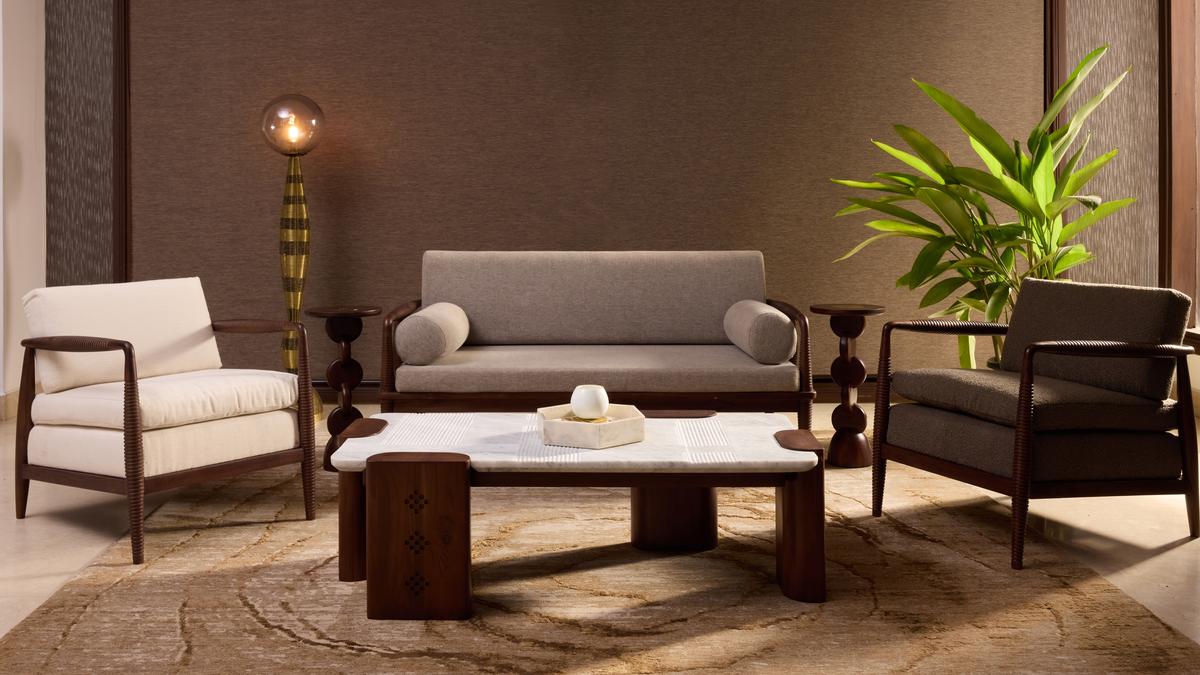
It is not an understatement to say that the sofa is the most frequently used and the most visible piece of furniture in any home. It is almost the functional and emotional anchor of the living space. “It is often the first thing you see when you enter a home. Choosing a sofa is less about simply filling up a space but more about shaping how the room is experienced, every single day,” says Angelique Dhama, president, Obeetee Carpets and Home, headquartered in New Delhi.
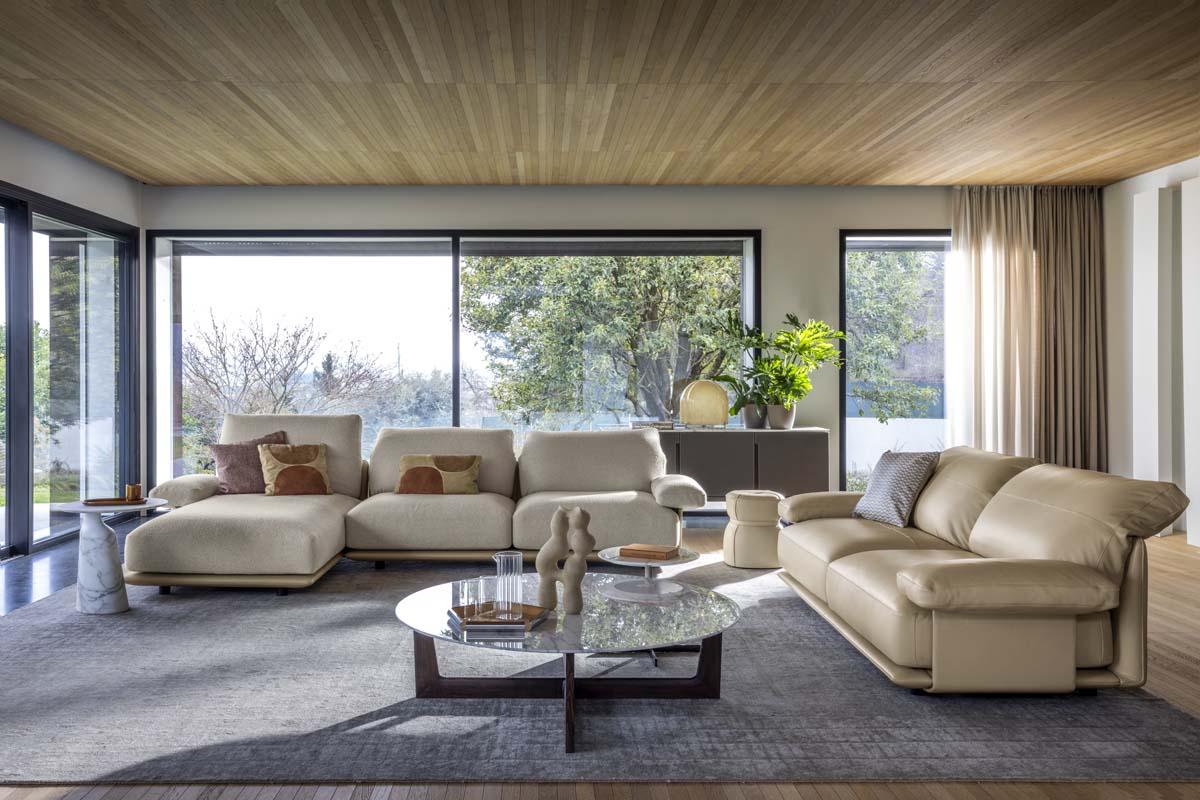
Blisscape sofa by Ludovica Serafini and Roberto Palomba.
| Photo Credit:
Poltrona Frau
It is significant to note that a sofa also occupies a lot of visual space.
Long way to go
“Its scale, shape and material influence how the entire room feels and functions. It often becomes the reference point around which the rest of the furniture is arranged. Thus, choosing the right sofa is all about understanding how you live, whether you entertain often, prefer lounging, or need something more structured. When it aligns with your daily habits, the sofa then naturally becomes a strong, long-term foundation for the space,” says Somya Vohra, co-founder of Ravoh, a Gurugram-based contemporary luxury brand.
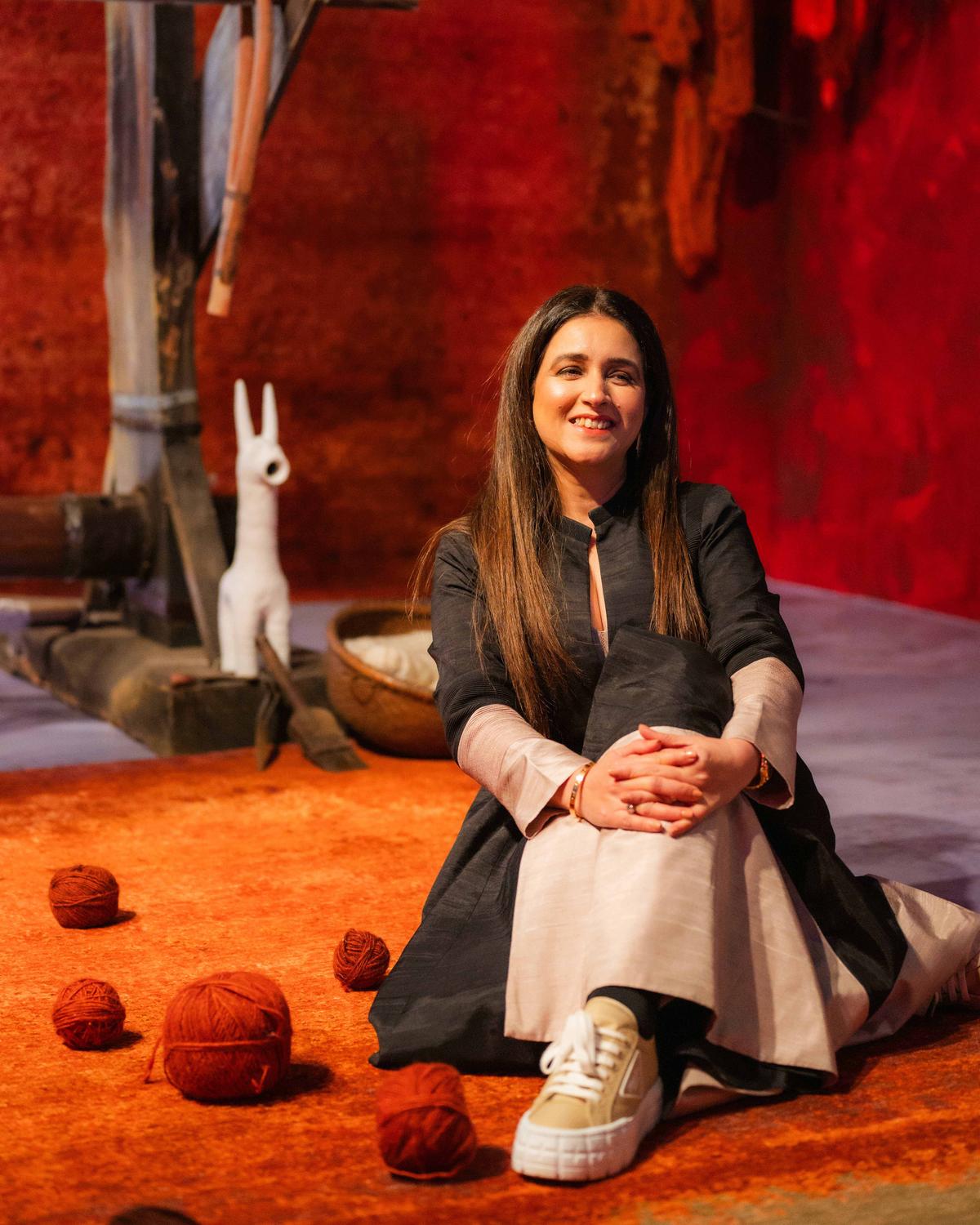
Angelique Dhama of Obeetee.
Jack of all trades
A sofa should be chosen with equal attention to form, function and intent. “The sofa should always be proportionate to the space of the home and aligned with its overall décor sensibilities. Equally important is its functionality and timeless appeal, as a well-made sofa should balance everyday comfort with enduring style and remain relevant for years to come,” says Anurag Kanoria, director of The Great Eastern Home. Located in Mumbai, the space showcases a collection of antiques, handcrafted furniture, vintage collectibles, and fine art, drawing inspiration from global styles such as Art Deco, French, and Colonial. Comfort is non-negotiable and must be felt every time you lounge on your sofa, as has been rightly pointed out.
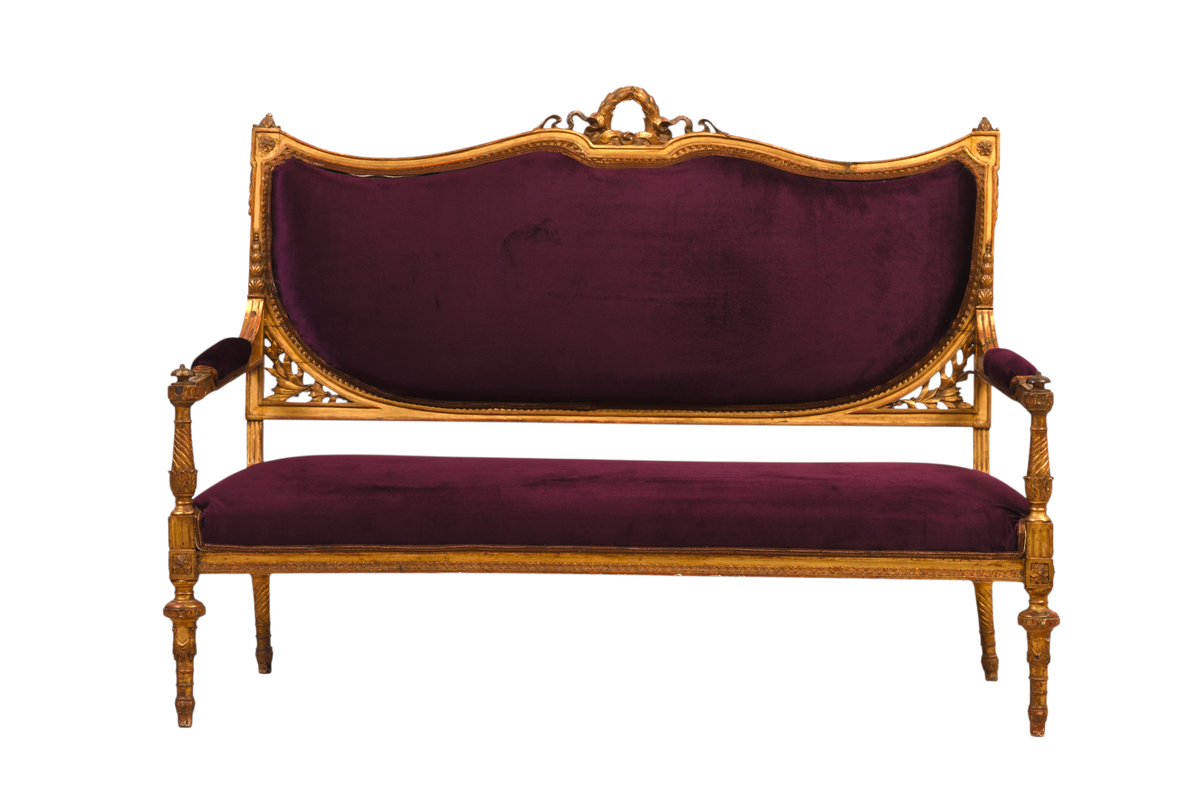
Luxurious purple upholstery paired with hand-carved gold accents.
| Photo Credit:
The Great Eastern Home
Materiality is important in fabrics and finishes should age gracefully, and the sofa should converse naturally with its surroundings, especially with elements like rugs, lighting and architecture.
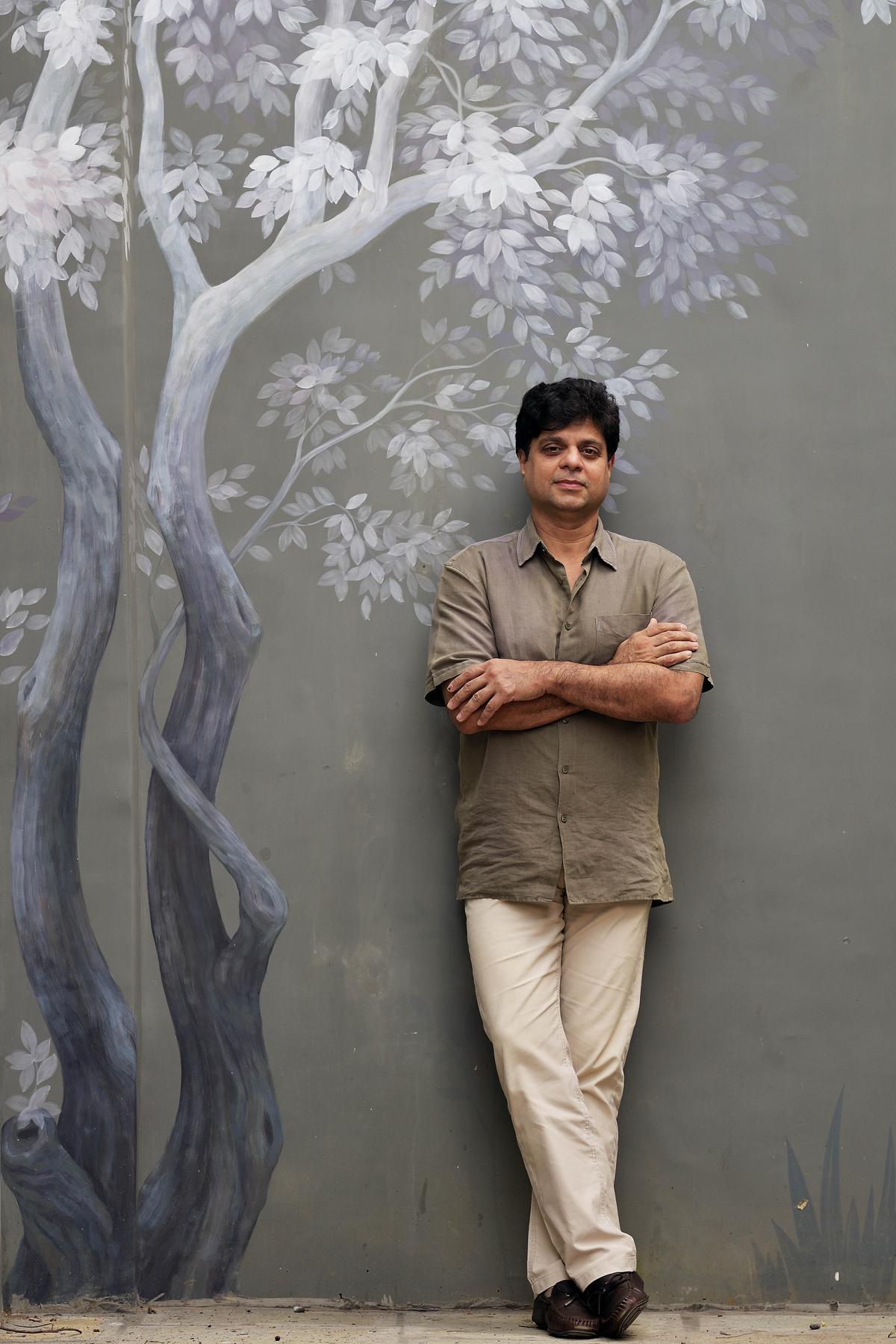
Anurag Kanoria of The Great Eastern Home.
“Beyond that, the quality of internal construction, joinery and cushioning determines longevity. Upholstery should be selected based on use, climate and maintenance requirements, while the structure should allow for repairs rather than replacement. We also need to consider flexibility: whether the sofa can adapt to changing layouts, growing families, or evolving lifestyles,” says Joya Nandurdikar, founding partner, Furgonomics, a product design brand located in New Delhi.
According to Amit Pai, managing director, Poltrona Frau India — an Italian company with stores in Surat, Bengaluru, Hyderabad, Delhi and its flagship in Mumbai — the current sofa design trends are centred on comfort-driven aesthetics and modular versatility. There is also a renewed emphasis on personal expression, seen in bold yet inviting forms. Along with this, there is a clear move towards restraint, softness and materials.
Here is a look at some key trends expected in the sofa space this year.
Shift incoming
There is a definite shift towards softer, more generous forms that encourage lounging rather than formal sitting.
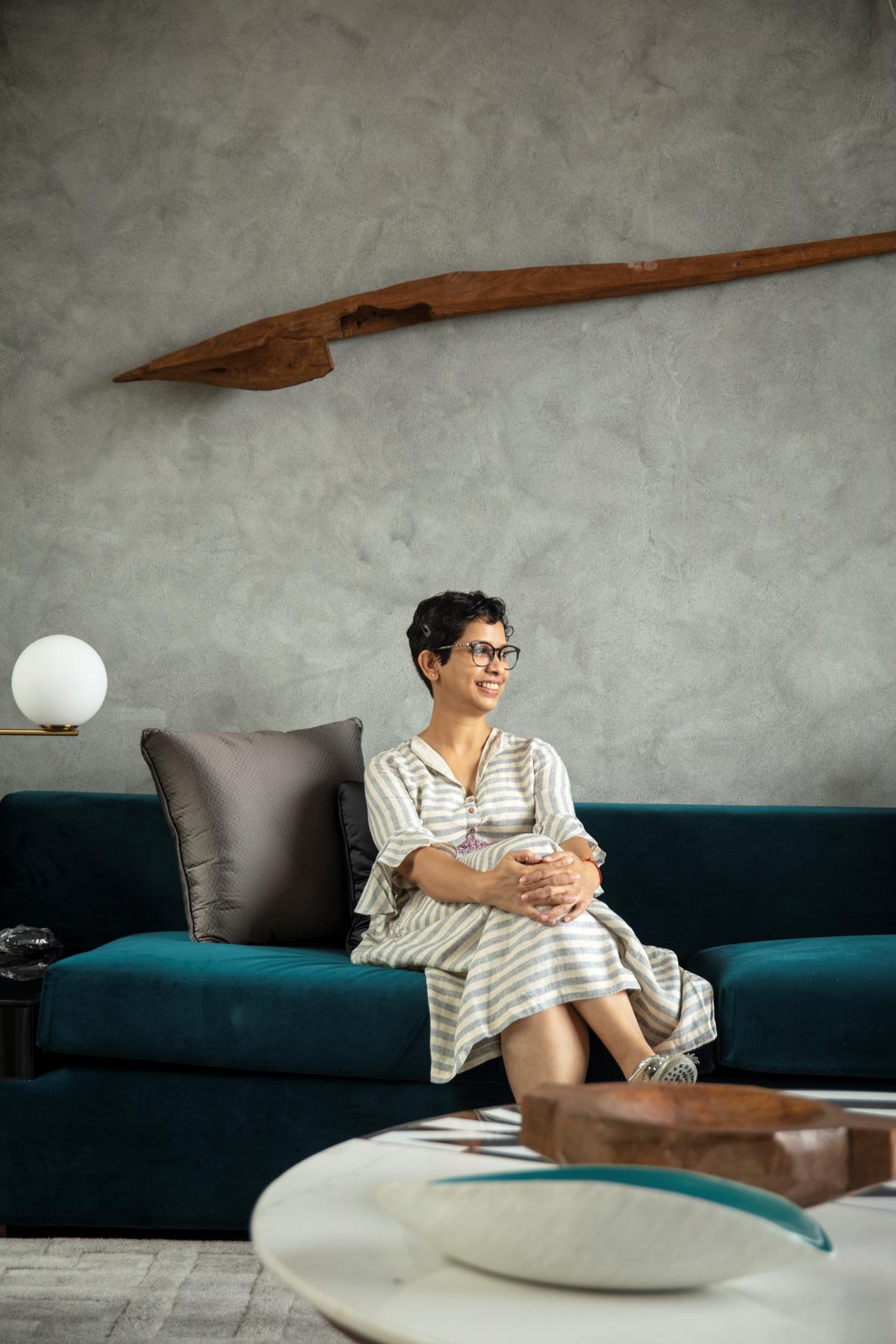
Joya Nandurdikar of Furgonomics.
“Designs are shifting away from rigid, formal structures, which leave little room for flexibility or nuanced living, and are moving towards softer, more relaxed forms. These shapes invite more use and movement,” says Sajal Lamba, co-founder & director of Gurugram-based Wriver.
“Sofa designs today favour gentle curves, relaxed silhouettes, and forms that feel intuitive rather than engineered,” adds Dhama. Curved and organic shapes as well as rounded edges are replacing rigid, straight lines, making seating more inviting which is again a reflection of how modern homes are becoming more easy-going and lived-in.
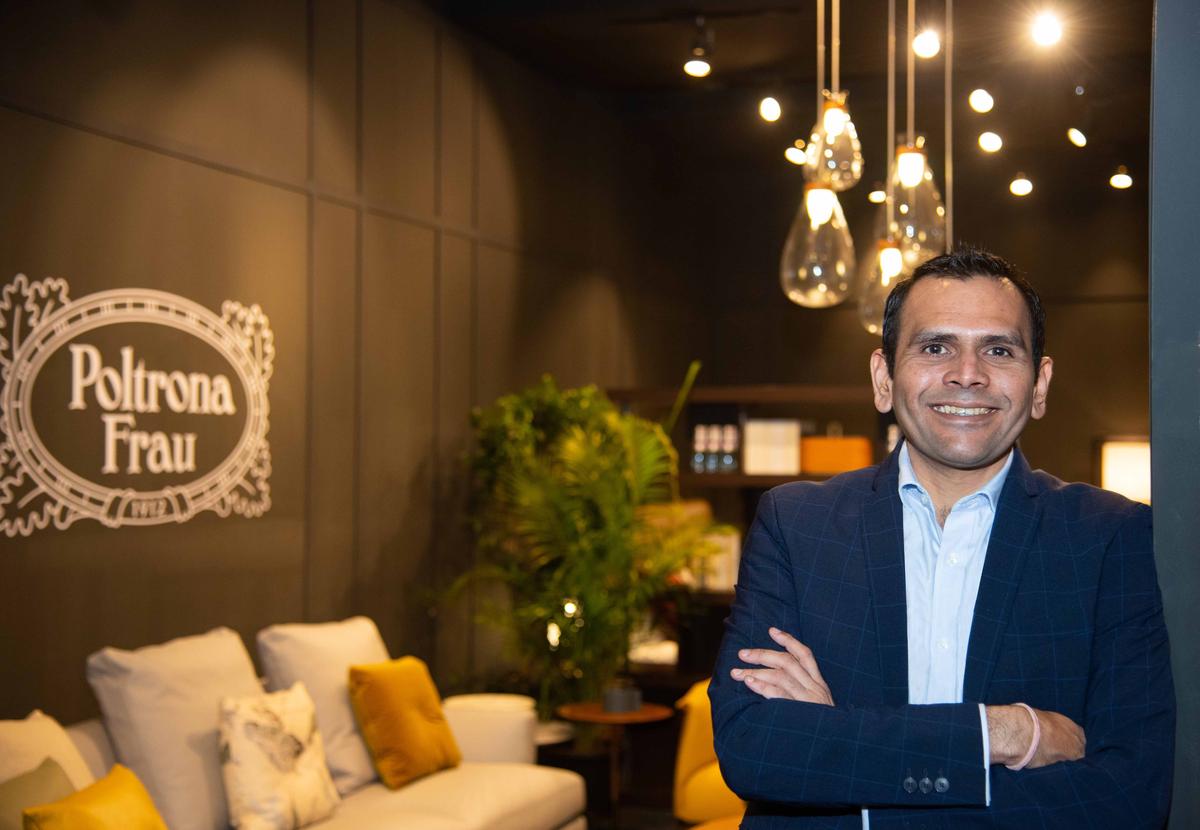
Amit Pai of Poltrona Frau, India.
Modular, flexible forms
Modular sofas are gaining prominence, allowing spaces to adapt as living patterns evolve. Sections can be reconfigured for lounging, hosting, or even work-from-home setups, reflecting the multifunctional needs of modern homes. “Modular designs are a big shift; people want sofas they can move around, reconfigure, or adapt as their needs change. There’s also a noticeable move toward stronger, more architectural forms as well as generous proportions that prioritise comfort,” adds Vohra.
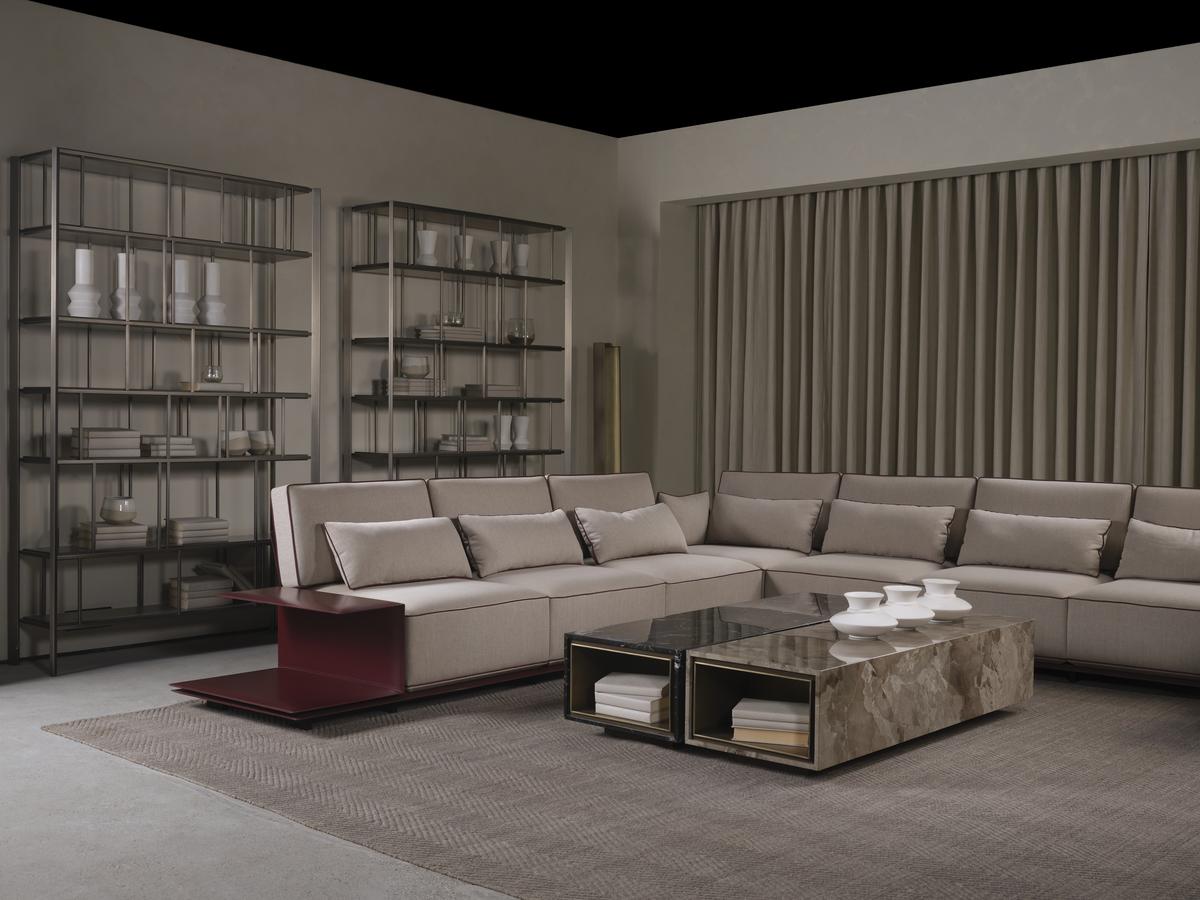
An adaptable comfort in a thoughtful in detail.
| Photo Credit:
Ankush Maria
Many designs now incorporate deeper seats and extended chaises that make them comfortable for both sitting and reclining. There’s also a growing emphasis on built-in functionality, from hidden storage to movable backrests or arm elements that adjust to different postures.
This makes the sofa suitable for working, relaxing, or entertaining without changing the furniture entirely.
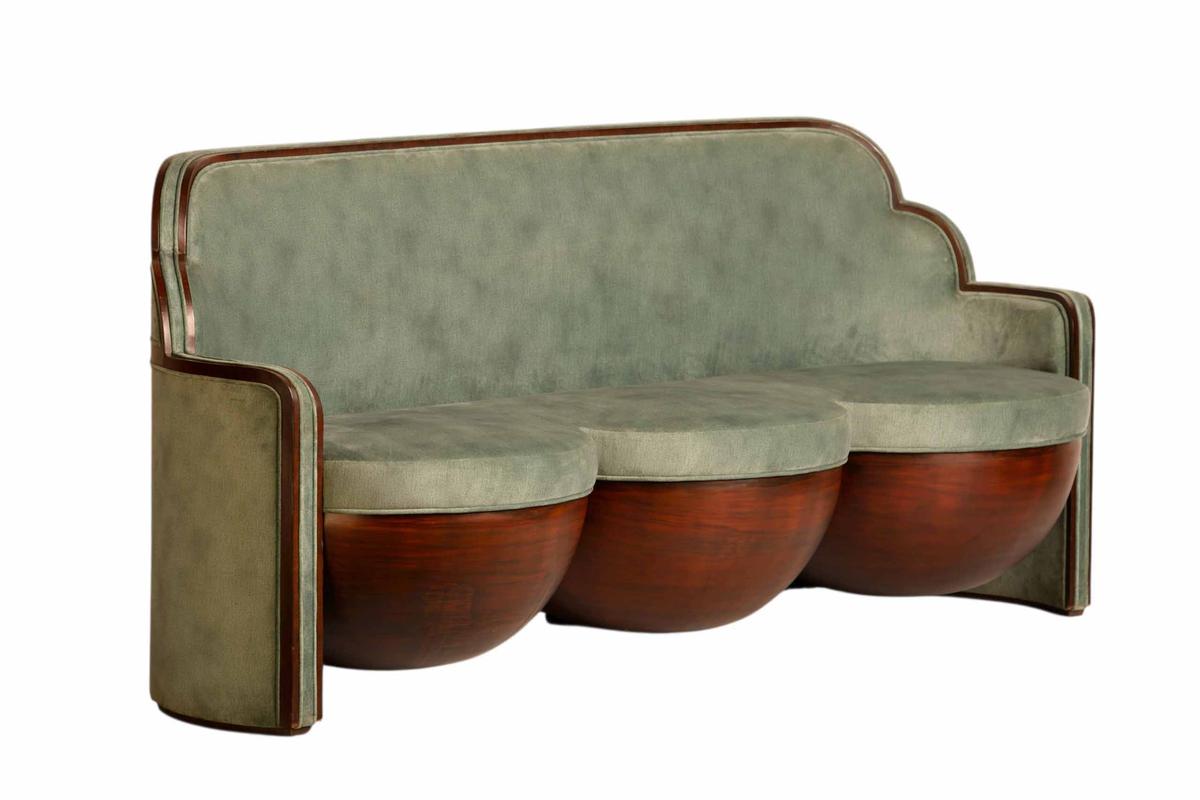
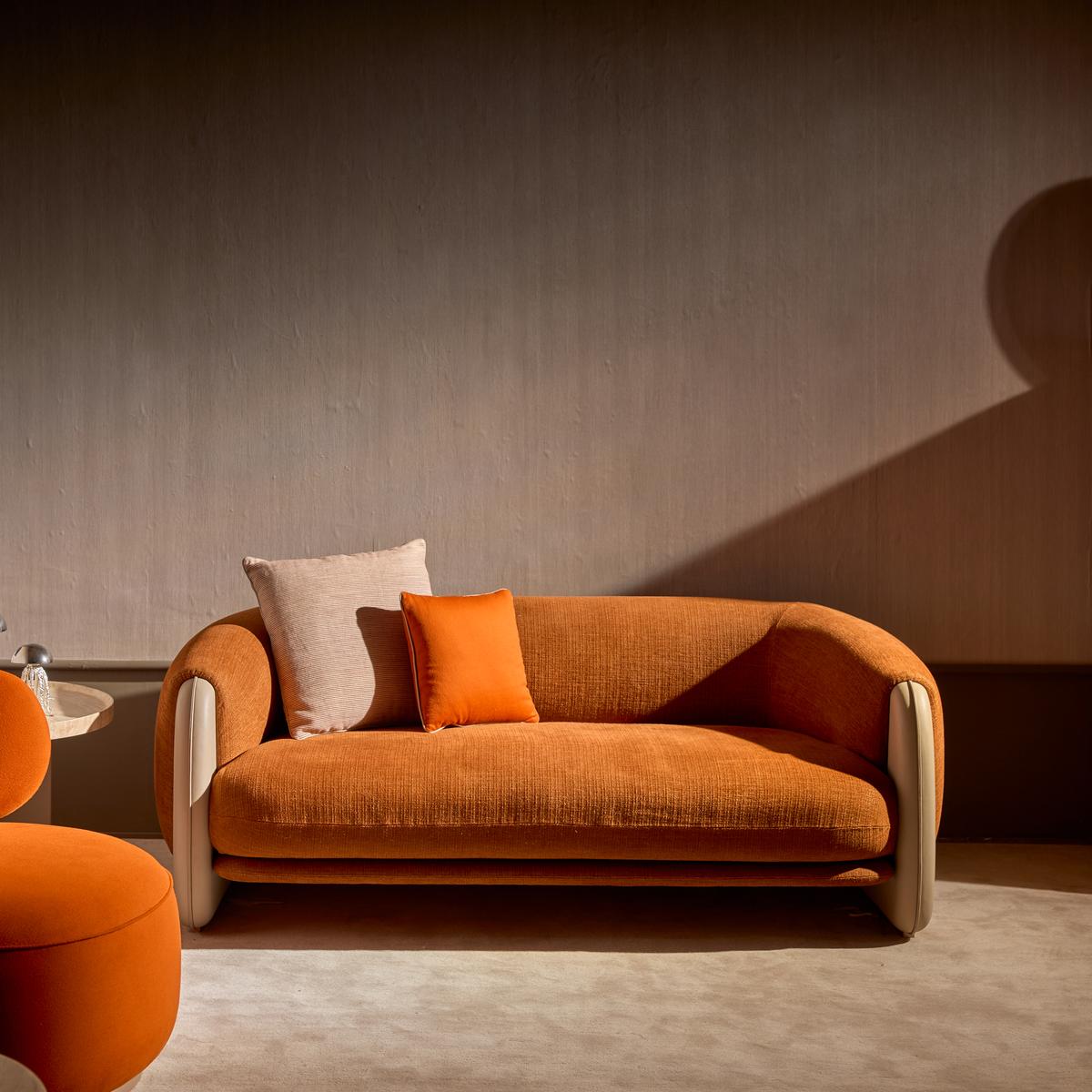
A sculptural sofa with rounded base and upholstered seating.
| Photo Credit:
The Great Eastern Home
Focus on craftsmanship
There is a refreshed interest in craftsmanship, visible stitching, layered upholstery, and thoughtful detailing that is slowly replacing purely minimalist forms. “Sustainability is playing a vital role in design choices, with more emphasis on responsibly sourced materials and quality craftsmanship.
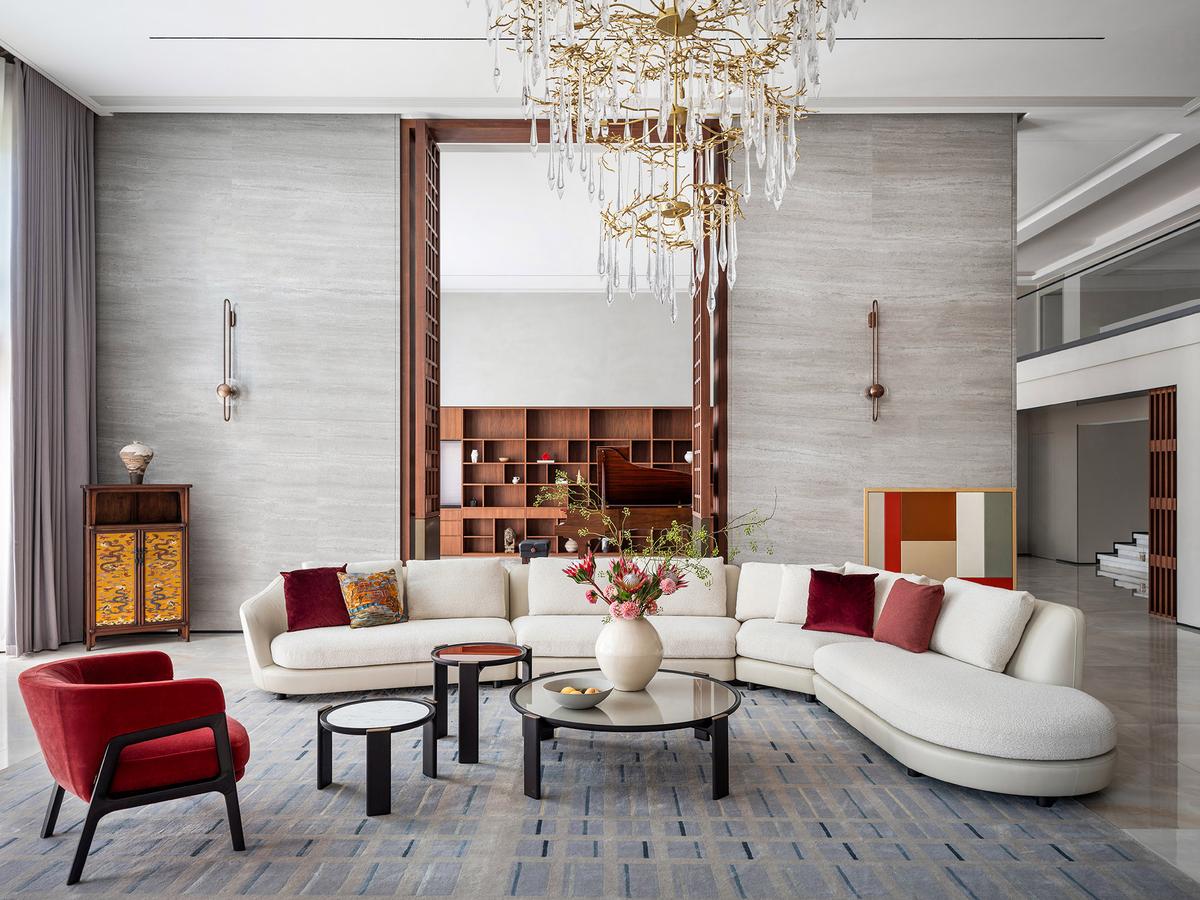
The DUO Collection.
| Photo Credit:
Poltrona Frau
The focus is on creating sofas that are well-made, durable, and timeless — pieces that are meant to last rather than follow fleeting trends,” adds Kanoria. There is also a shift away from overt statements, towards pieces that feel quietly confident; designed to last, both stylistically and structurally.
“There is a renewed appreciation for natural materials like leather, stone and wood when used with clarity and purpose,” adds Pai. Natural and tactile materials are leading the conversation — think handwoven textiles, cotton blends, linens, wool, and leathers with a lived-in finish. “Sofas are moving towards softer fabrics with a natural feel, textiles that invite everyday use and develop character over time rather than needing constant upkeep. You’ll often see these paired with visible structural elements like wood or metal, which add contrast and a sense of grounding to the piece,” adds Vohra.
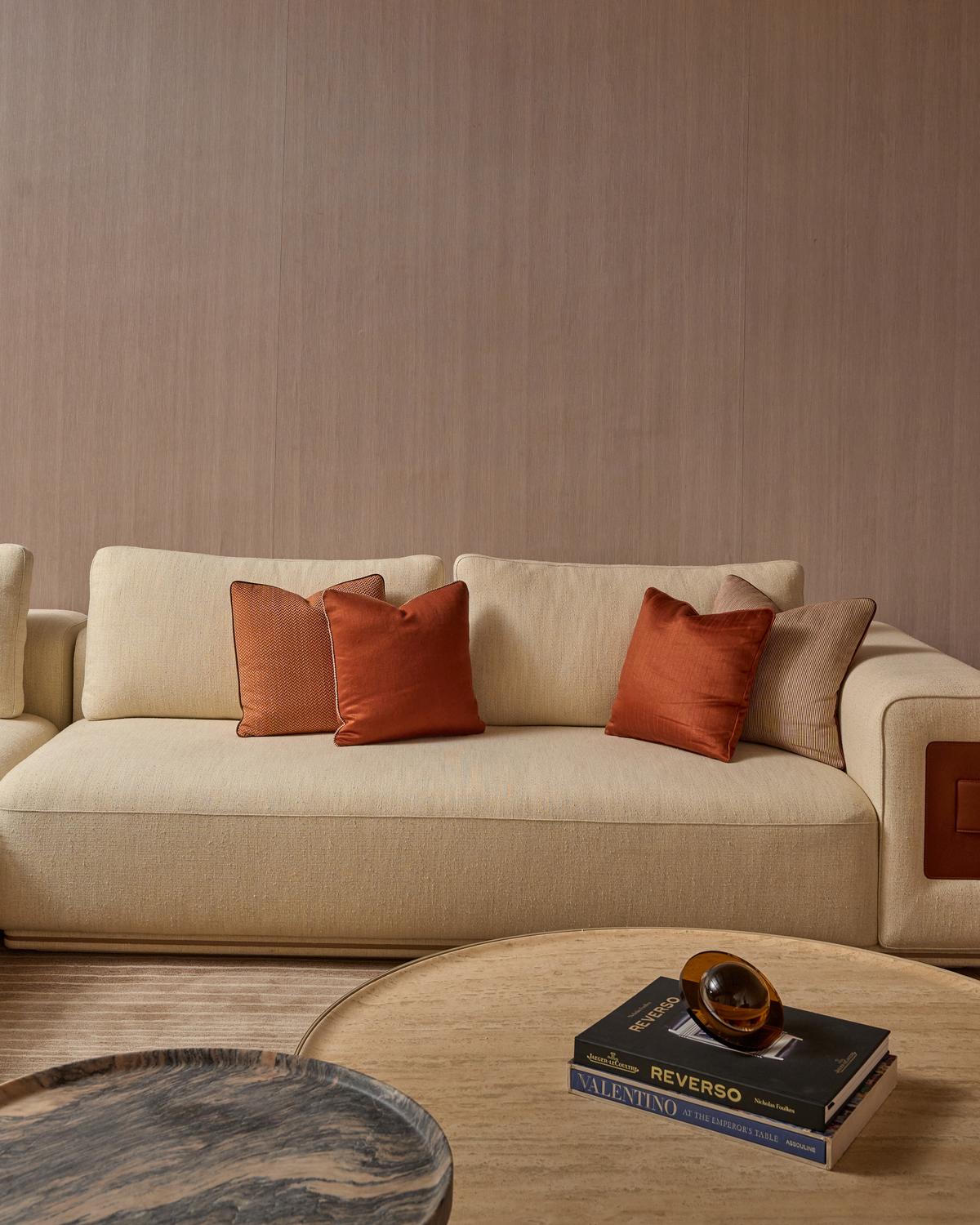
Further, tactile fabrics such as linen blends, bouclé, cotton and wool add warmth and depth, helping create textures that feel cosy, layered, and visually interesting. According to Dhama, solid Indian teak wood and antique-finished woods are in vogue for their natural grain, strength, and ability to age beautifully. Italian Carrara marble is increasingly favoured for its timeless elegance and soft, organic veining, while brass-plated details and metal medallions are being used as refined accents that add character.
Calm colour palettes
Soft neutrals and earthy tones like sun-washed beiges, muted browns, gentle terracotta and subtle greens continue to be popular. “Neutrals have always dominated and for good reason. They work in any setting, and they allow the furniture to move around as homes and spaces change,” adds Lamba. Further, these colours feel less rigid than stark whites or greys and are easier to build around as tastes evolve.
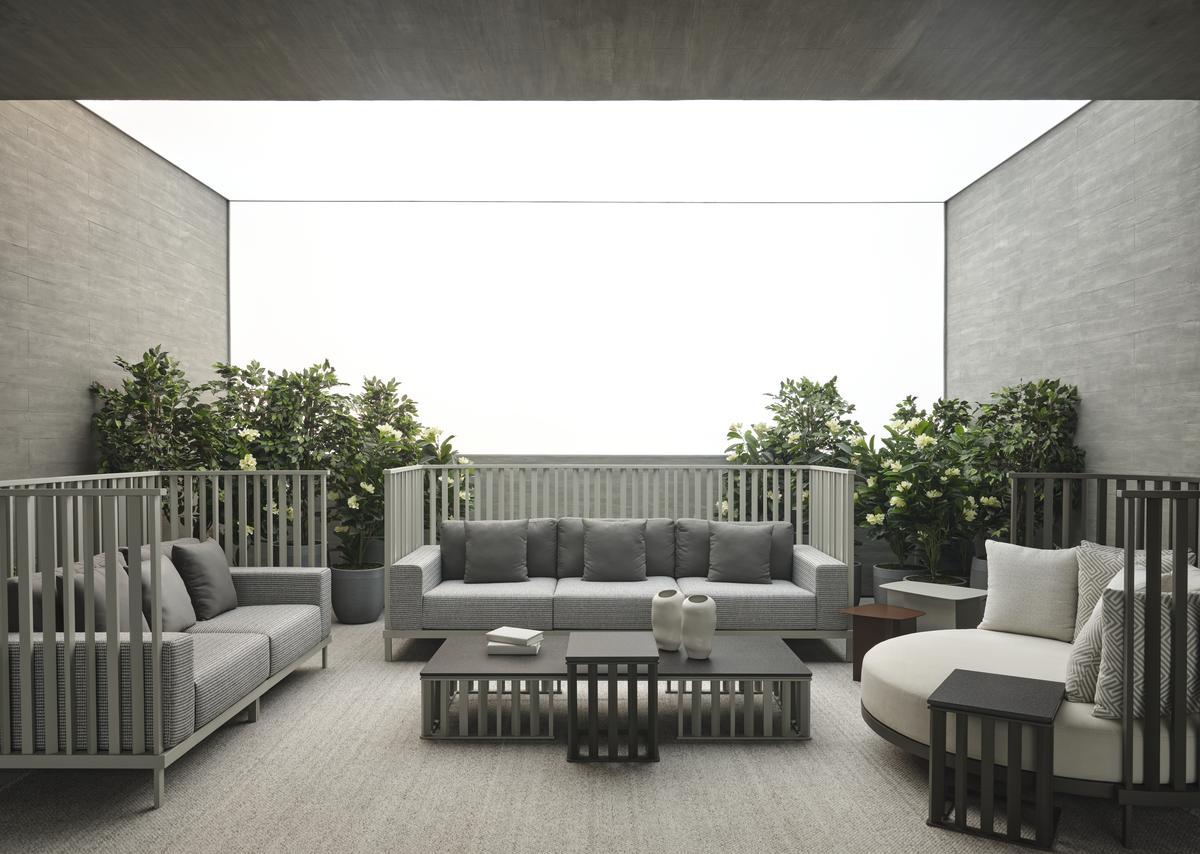
The right sofa should stand the test of time, not just in how it looks, but in how it is lived with. As a piece that carries everyday life, everywhere and all at once, it demands a mindful approach. More than a design choice, a well-made sofa quietly shapes how a home is used, experienced, and remembered. Chosen well, it goes a long way.
Price points:
Obeetee: ₹1,20,000 upwards;
The Great Eastern Home: ₹2,25,000 upwards
Furgonomics: ₹1,56,000
Wriver: ₹1,67,000 upwards
Popular trend
Modularity is the most preferred. The most popular sofas are those with modular configurations, extended lounging formats, and integrated functionality that supports different moments of the day. Modular sofas are gaining prominence, allowing spaces to adapt as living patterns evolve. Sections can be reconfigured for lounging, hosting, or even work-from-home setups, reflecting the multifunctional needs of modern homes.
Tips
Unlike decorative objects, a sofa must endure time, use, and changing rhythms of living. It should feel reassuring on the first day and remain so years later. A sofa must be designed for utility first, offering proper support and ease, but it should do so in a way that also contributes visually to the space. Since it is used for sitting every day, often for long periods, comfort, proportions, and support are critical.
The Bengaluru-based freelance writer is passionate about all things design, travel, food, art and culture.


