





The lingering monsoon this year has us yearning for hot bowls of rasam with rice, or perhaps the comfort of sambar annam (sambar rice) or pappu annam (plain dal rice) paired with something crisp on the side — a handful of vadiyalu or appalam.
Remember those fried crisps that arrive with a South Indian meal? Not the mass-produced fryums, but vadiyalu — the artisanal, sun-dried lentil balls or patties made from rice, lentils, or vegetables. Each one is handmade in small batches, dried in the summer sun, and fried to golden perfection before serving.
But this year, do not be surprised if your complimentary basket looks a little different. Your favourite tomato appalam, minapappu papad (black lentil), gummadikaya vadiyal (ash gourd), or sago biyyam (tapioca pearl) might be missing — replaced instead by store-bought fryums.

Blame it on the rain
The prolonged monsoon and high humidity have severely disrupted vadiyalu production. Traditionally, these artisanal crisps are made from a dough of rice flour, tapioca, or sago, mixed with spices such as cumin, ginger, and chillies in villages by farming communities. The dough is then shaped into small fritters and left to dry under the sun for at least three consecutive days — a process that is impossible without steady sunlight.
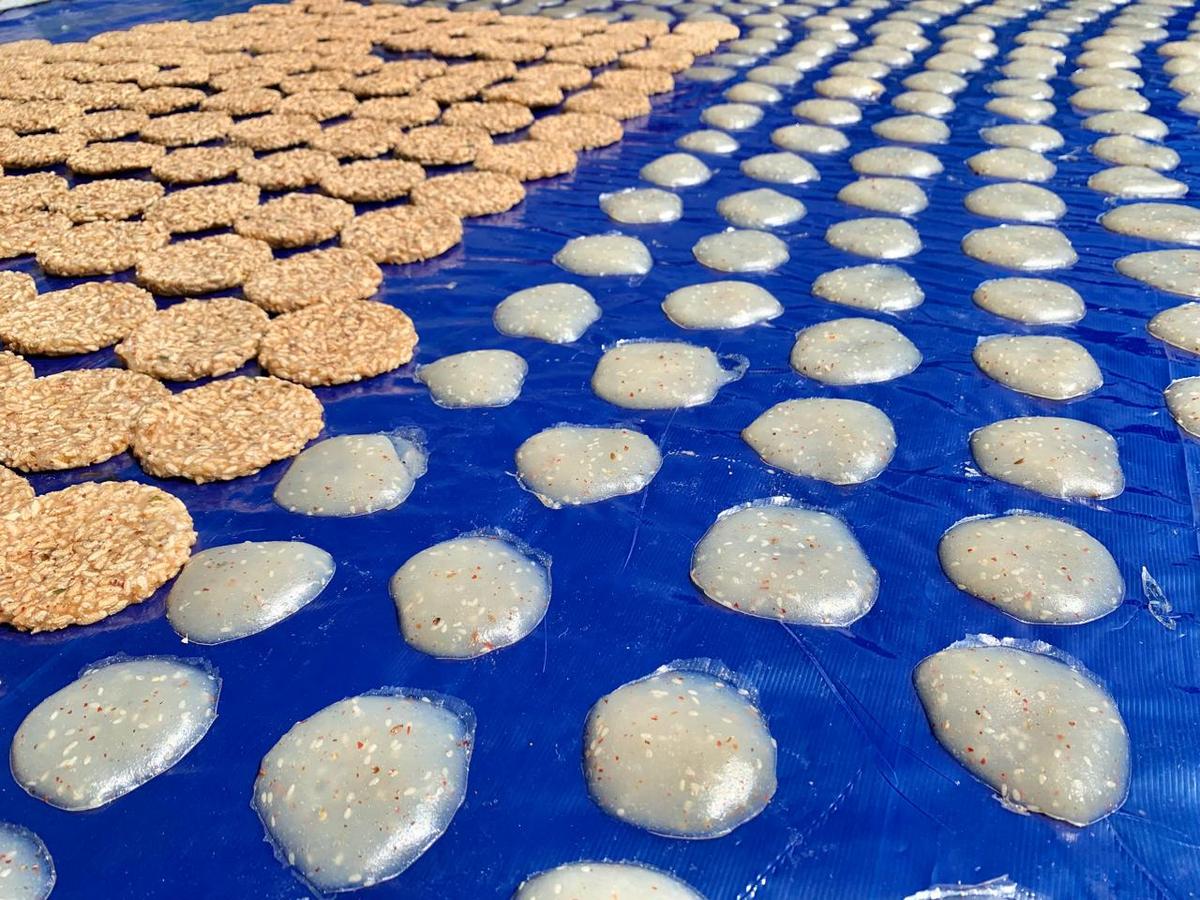
Vadiyalu are sun-dried in small batches
| Photo Credit:
Special Arrangement
Unlike fryums that are mass-produced in factories using rice, tapioca, or potato starch, vadiyalu are handmade with minimal processing. Their production is handled by small food-processing units run by farming families — a cottage industry that sustains rural livelihoods.
“Vadiyalu aren’t a direct by-product of farming but a value-added food created from harvested crops such as rice and vegetables,” explains Manoj Marada of Mana Velugu Vintage, based out of Srikakulam, Andhra Pradesh. “They are deeply linked to the agricultural cycle — a way for farming families to preserve produce for future consumption or profit.”
Manoj, who is developing a solar dryer prototype to tackle weather disruptions, adds, “The trials are promising — we are hopeful of meeting demand next year, come rain or shine.” The solar dryer that Manoj is working on runs on solar-powered fan to boost airflow on humid days. He explains how it works, “A transparent cover (like a polycarbonate sheet) allows sunlight to enter. Inside, a black surface absorbs the sunlight and converts it to heat. Vents at the bottom and top allow air to flow through, carrying moisture out. The food is spread out on mesh trays that allow air to pass from all sides.”

Not all Telugu thali restaurants serve vadiyalu anymore; most opt for store-bought fryums. Yet, as Shanti P of a Hot Chips shop in Malkajgiri says, “Vadiyalu are still a big part of home-cooked meals. They are meal fixers — no Telugu kitchen is complete without them.”
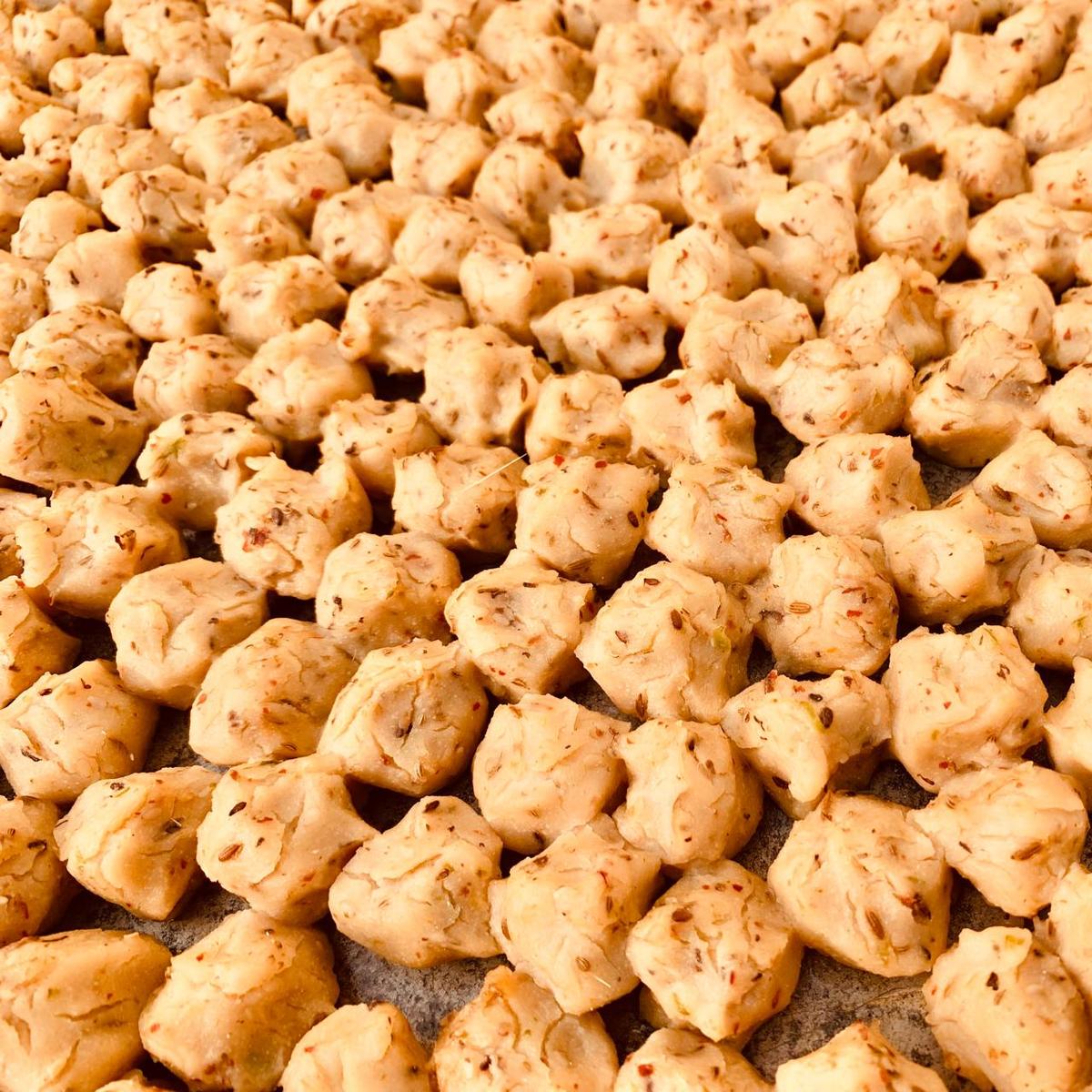
Vadiyalu need adequate sunshine for drying
| Photo Credit:
Special Arrangement
Popular varieties include minapa vadiyalu (black gram), biyyam pindi vadiyalu (rice flour), saggu vadiyalu (sago), and gummadi vadiyalu (ash gourd). There’s even a chewy, sweet-and-sour version made from jujube fruit, enjoyed like a pickle.
For some, like Ch. Lakshmi from Kodetam near Bobbilli, who makes nuvvula appadalu (white sesame papads), the rain has halted production completely. “The moisture in the air affects both smell and taste — even causing fungal growth,” she says. “Without proper sunlight, it is impossible to dry or store them safely.”
To cope, Lakshmi and others are making smaller batches for home use or switching to dishes like pulpina tellapindi (fermented white sesame powder) mixed with onions and chillies — a warming winter alternative.
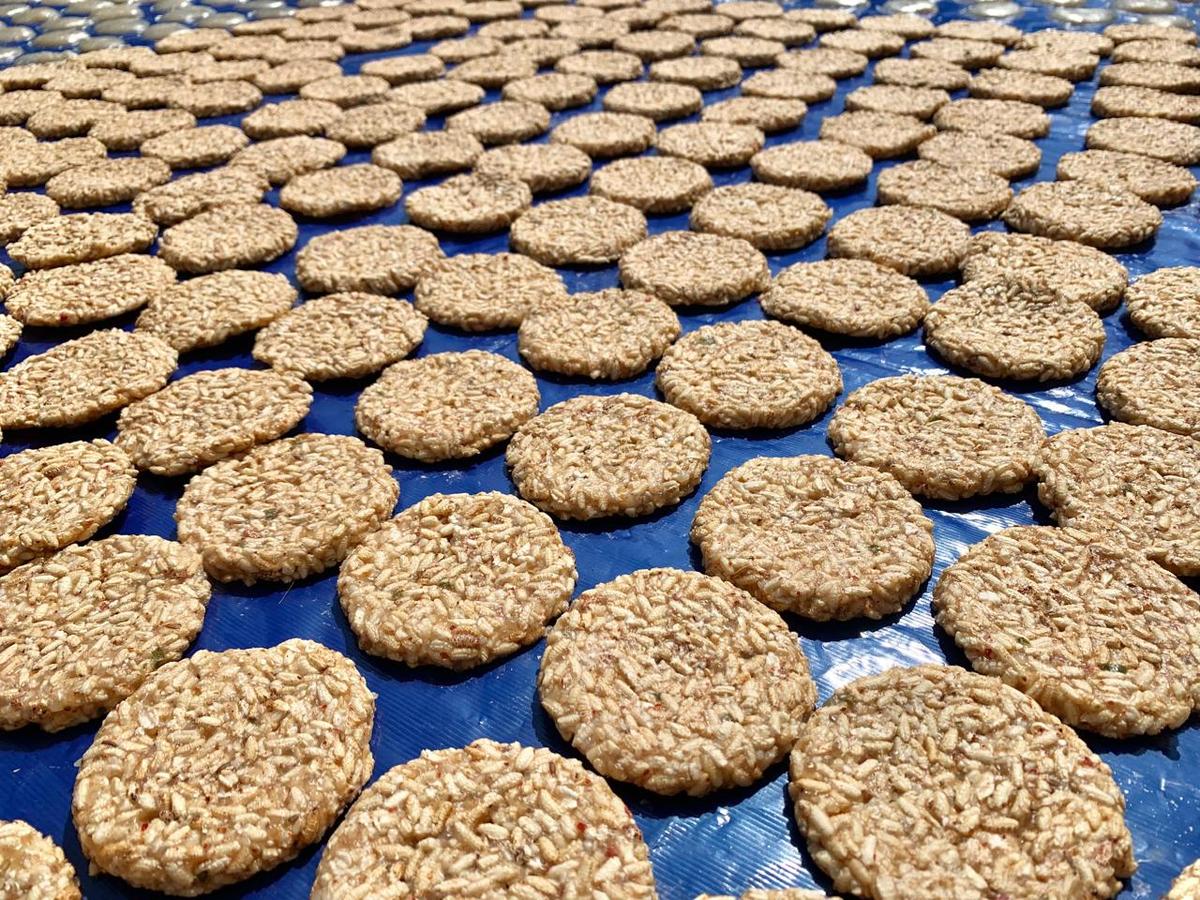
Seasonal specials
| Photo Credit:
Special Arrangement
According to Meera Girija Tadimeti of Vankayakura, who curates Telugu food pop-ups, “All grain and lentil by-products are affected. Even when farmers manage to make them, humidity ruins storage. Infestation is higher, and quality drops. April to June are ideal for production, but this year, we are sourcing from factory units that simulate sunlight.”

Can the shortfall be measured? Manoj estimates his production is down by 30%, but adds, “It is an unorganised, cottage-industry setup — hard to quantify precisely.”
Until the sun shines steady again, the humble, hand-rolled crisp will remain a seasonal casualty of the weather.
Published – November 20, 2025 04:06 pm IST