




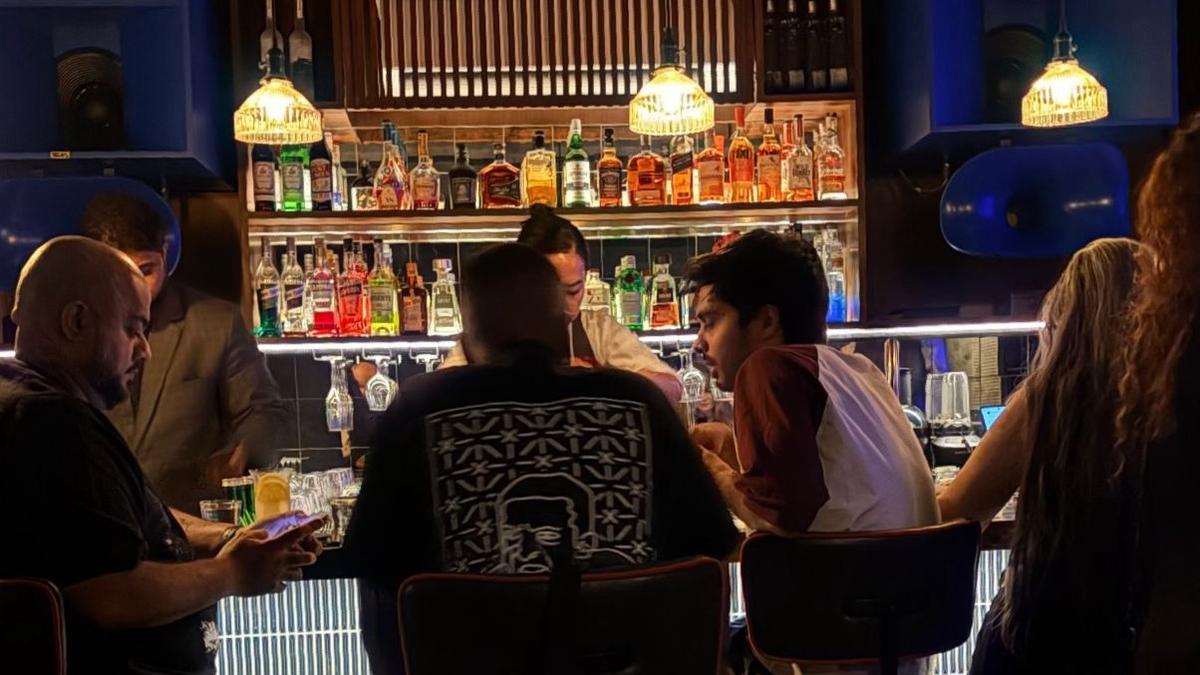

For a city as notoriously loud as Mumbai, its most interesting music stories often unfold in intimate spaces — rooms where the volume dips, the lights dim, and the curation becomes the focal point. Long before “programming” became a hospitality buzzword, some of the city’s restaurants and bars were already nudging guests towards specific moods through careful selection: Zenzi’s vinyl nights, Blue Frog’s genre-led bookings, even the quiet architectural acoustics of Tote on the Turf. These were places where music formed part of the infrastructure.
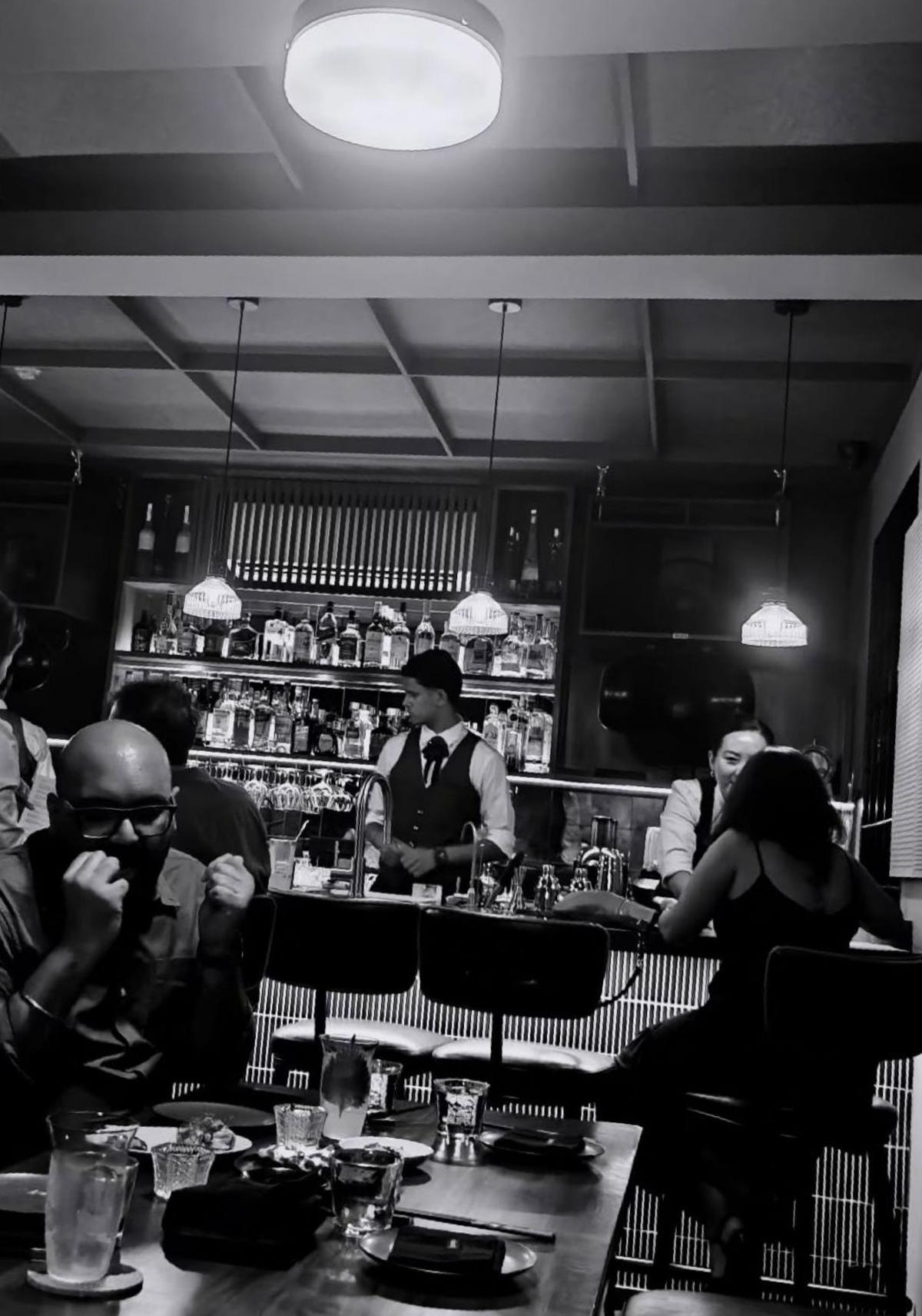
What is changing now is the scope: music-forward spaces are no longer just about what you hear, but about the entire ecosystem built around the listening experience. Idoru, in Bandra, lands squarely in this new wave, equally driven by its sound, its drinks, and its food.
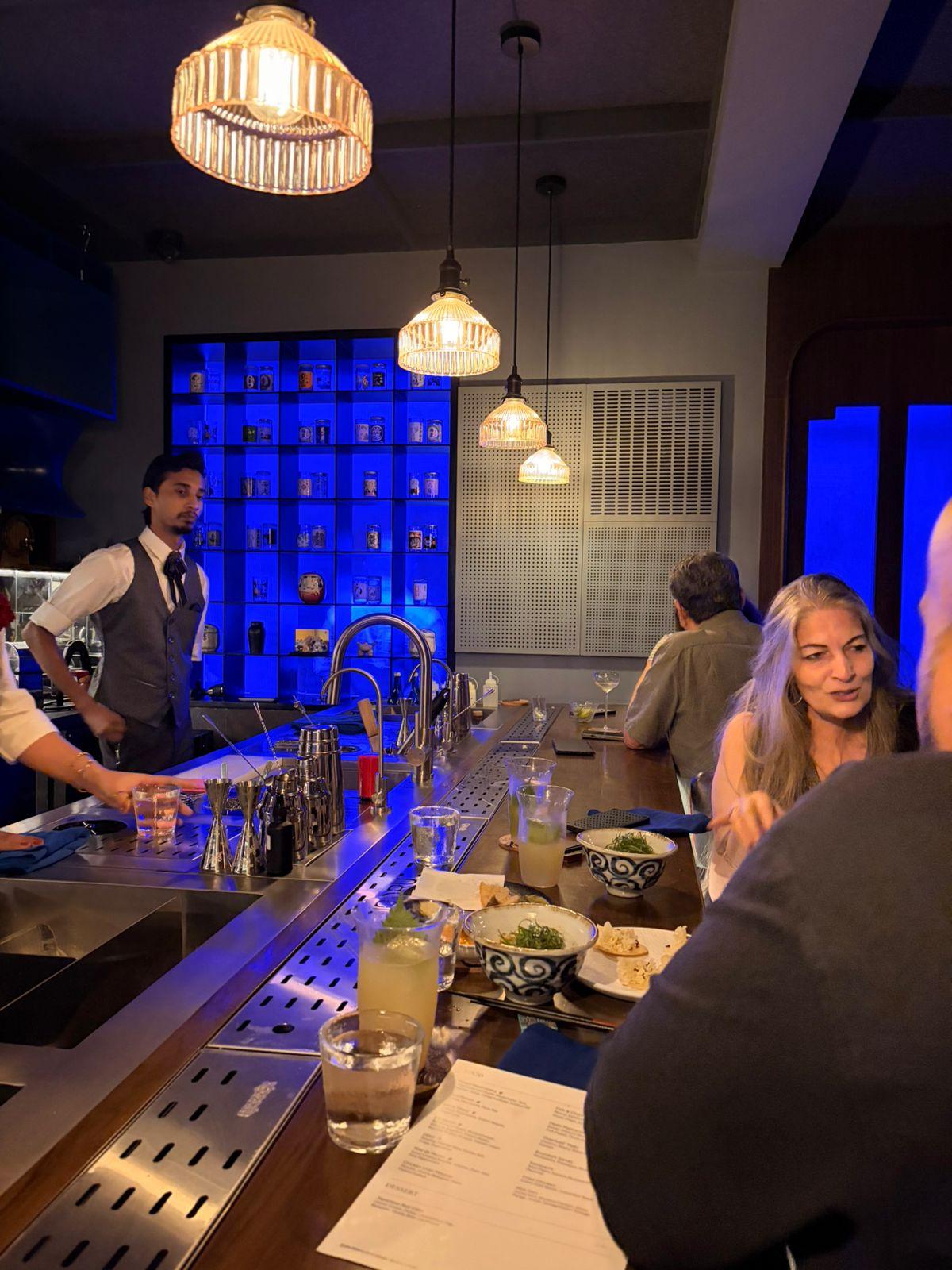
You will find it by following a small blue light above Izumi, the popular Japanese restaurant just off Pali Hill, an understated beacon pointing upstairs to a compact 28-odd-seater space that runs two sittings a night (7.30pm and 9.30pm). The decision to limit capacity is deliberate; Idoru is designed to be experienced rather than merely visited. “Since Izumi doesn’t have a bar, we wanted this space to be that place where you can grab a drink and unwind,” says chef-owner Nooresha Kably. Yet unwinding here is not passive. The room expects you to participate; to listen, taste and notice.
The name comes from American speculative fiction writer William Gibson’s Idoru, and the reference to blurred identities and digital dreams is more than aesthetic: Idoru embraces the hybrid. Vinyl and digital files coexist without ideological squabbles; Japanese bartending philosophies sit beside Mumbai instinct; a niche vinyl culture folds into a broader dining crowd.
Some of this approach comes from co-owner Anil Kably, whose involvement with Microgroove, which ran more than a decade ago at Zenzi as a private vinyl collectors’ session, alongside the later collectors’ gatherings there, gives Idoru a quiet but meaningful lineage. “Back then, we were probably the only record club,” he says. “We’re simply carrying that legacy forward.” His hope this time is to build a more structured listening culture—45 uninterrupted minutes with a single record.
The vinyl library reflects that ethos. About a hundred records rotate through the bar: some oddities, some groove-driven picks from the ‘60s and ‘70s, some left-field global selections. It is eclectic without being incoherent, though there are moments when the curation feels slightly self-conscious — an eagerness to surprise that occasionally overwhelms the atmosphere. Still, it is a rare attempt in the city to push people gently beyond their algorithmic bubbles.
Programming is handled by independent culture writer Bhanuj Kappal, whose genre-agnostic nights move from jazz to Stax funk to Ghanaian high-life before drifting into Caribbean soca or UK baggy. The journeying is part of the charm, but the shifts can at times feel abrupt, especially in a room this size where sonic transitions land more sharply than they would in a larger club. Bhanuj’s emphasis on selectors who “truly care about music” is admirable, though the criterion risks veering into earnestness; at its best, Idoru feels fun, not doctrinal.
Picks of the night
The bar programme, shaped by Rahul Kamath, is where Idoru’s discipline is most immediately felt. Developed through intensive research and training in Tokyo, the team absorbed Japanese bartending principles — dilution, temperature control, ice management, workflow and balance — which reveal themselves not only in ingredients but in the clarity and restraint the drinks aspire to. Yet execution varies.
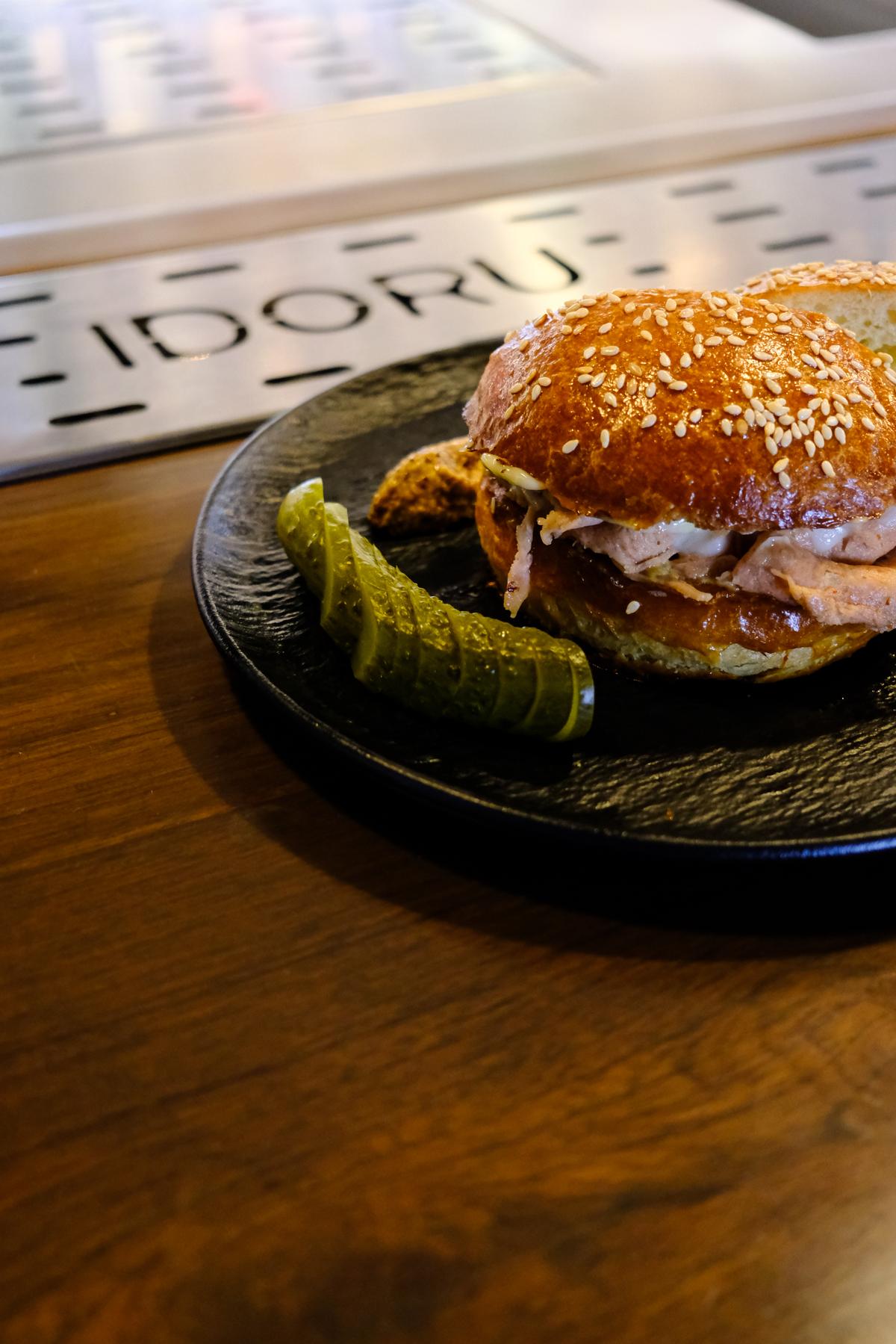
The Bourdain sando
| Photo Credit:
Special arrangement
The Ikura Opera is clever on paper — gin, yoghurt, cucumber, wasabi, finished with salmon roe — though it walks a fine line between intriguing and unnecessarily busy, occasionally tipping into the latter. The Sazerac is competent but its smoked-nut flourish muddies rather than deepens the drink, an embellishment that distracts more than it elevates. To Odoroki fares better: its smoky–tropical mix of Laphroaig, mango and shochu should not work, but mostly does, though it remains a drink you commit to rather than crave.
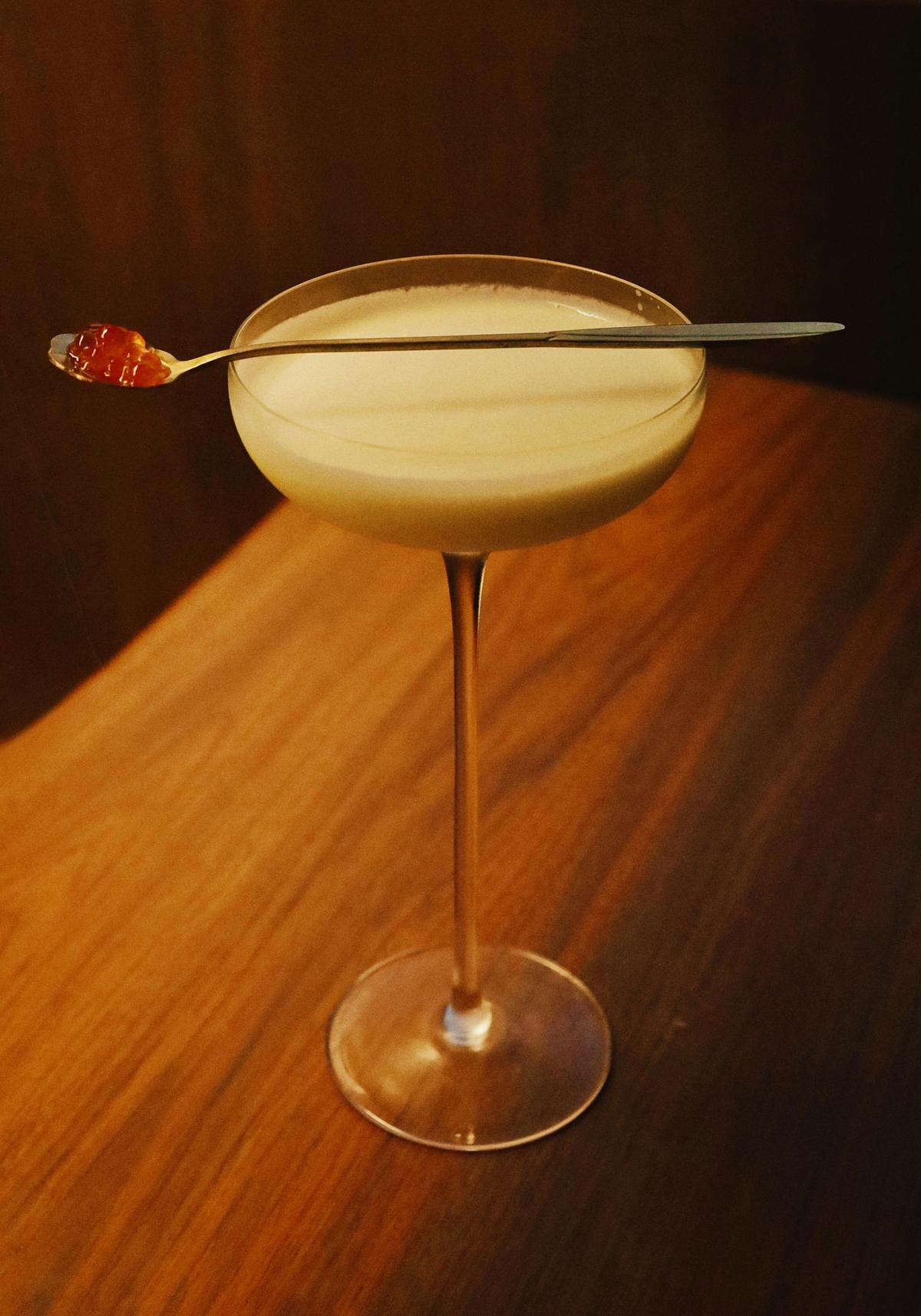
Ikura Opera
| Photo Credit:
Special arrangement
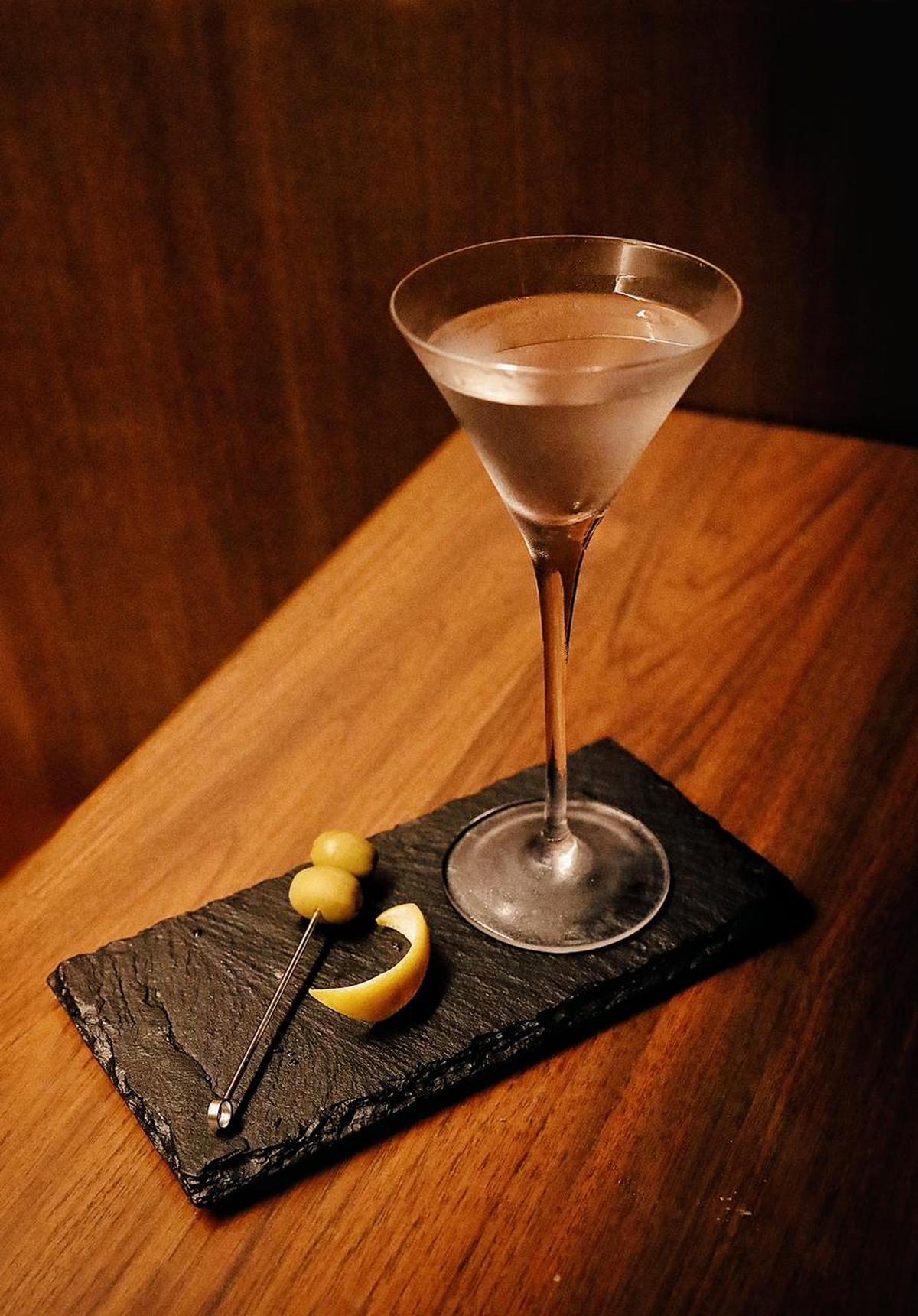
The martini
| Photo Credit:
Special arrangement

The overload maki
| Photo Credit:
Special arrangement
The food, meanwhile, mirrors the bar’s interplay between restraint and ambition. Nooresha uses Idoru to depart from Izumi’s stricter Japanese frame, but the experimentation can be uneven.
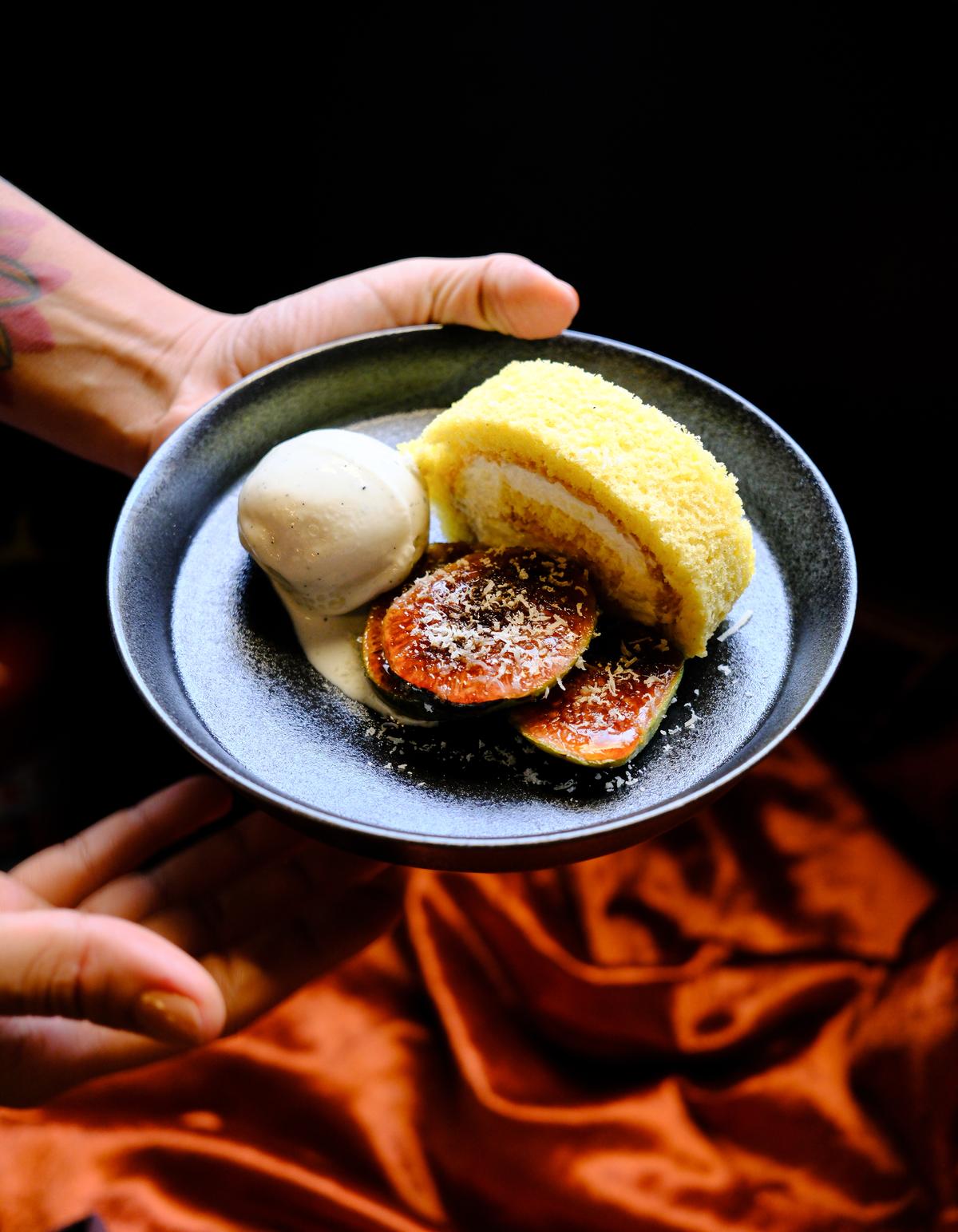
Japanese roll cake
| Photo Credit:
Special arrangement
A dish of forest mushrooms with tare and celeriac offers clean, satisfying depth, while the mezcal-battered kisu, a reworked fish and chips, lands somewhere between playful and unfocused, with the gochujang tartare doing most of the heavy lifting.
The chicken liver mousse in monaka shells is lovely but verges on delicate to the point of disappearing; the mini don is comfort-first and easily the most straightforwardly enjoyable plate. The Bourdain Sando is unfussy and hard to fault, and the Japanese roll cake closes the night on a citrus-forward note, though its subtlety may leave some diners hoping for a final flavour that asserts itself more boldly.
Idoru offers a gentle reminder that in a city addicted to noise, the most interesting experiences happen when you actually stop to listen.
Published – December 08, 2025 12:24 pm IST