



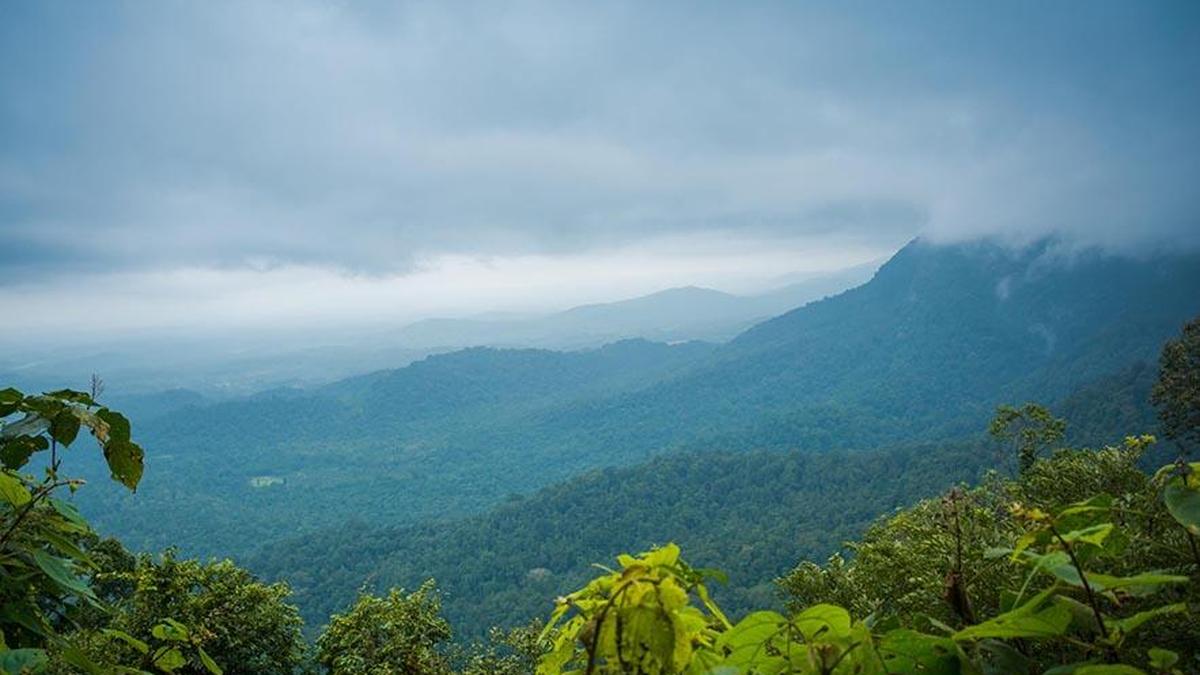

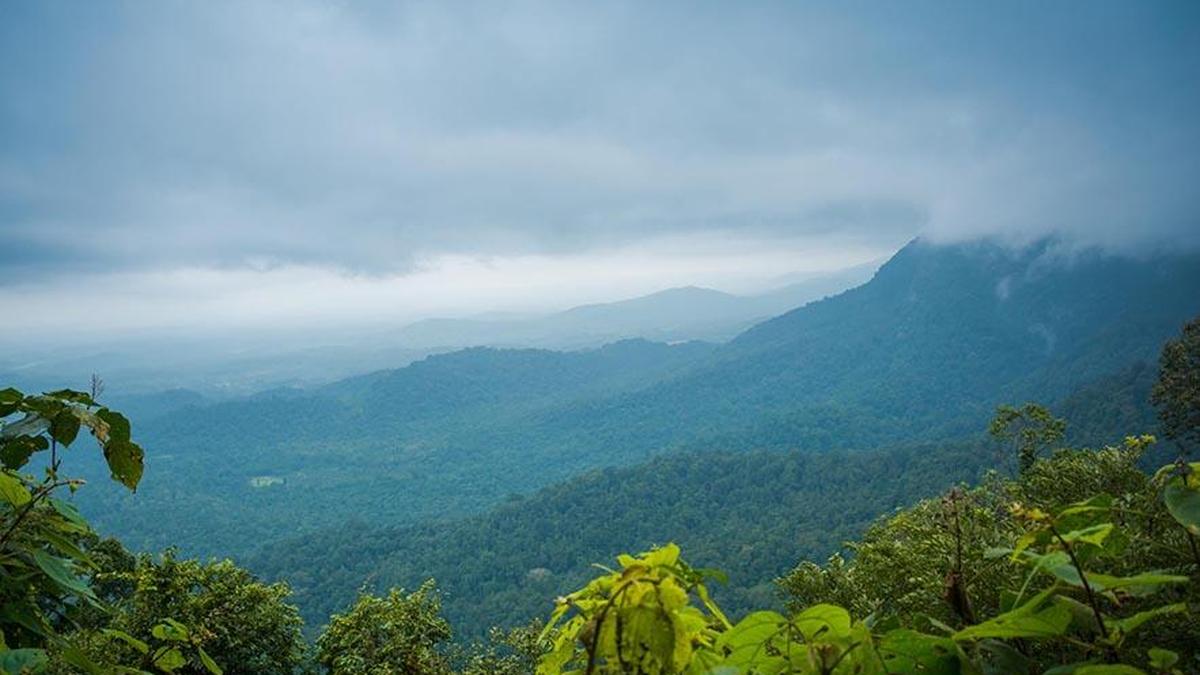
A file photo of the Western Ghats.
| Photo Credit: Getty Images/iStockphoto
In a move that augurs well for the conservation of Western Ghats, the Ministry of Environment, Forest and Climate Change (MoEF&CC) has rejected two separate proposals seeking diversion of forestland in Ankola and Karwar taluks for stone quarries.
The decisions are based on site inspection that highlight concerns over ecological fragility, and the potential for irreversible damage to the Western Ghats ecosystem, which is one of the world’s most critical biodiversity hotspots.
The first proposal sought diversion of 3.55 hectares of forestland in Baleguli village, Ankola, for quarrying and laying an access road. In the inspection report, K. Yasodha, Deputy Inspector-General of Forests, of the Bengaluru Regional Office of the MoEF&CC noted that the area, though leased for cashew cultivation, hosts substantial vegetation and undocumented floral diversity.
Vulnerable to landslips
The report also noted that the sites were located on steep, erosion-prone slopes with a history of heavy rainfall, increasing its vulnerability to landslips.
In its recommendation, the regional office declined to support the project due to multiple deficiencies and ecological risks. It noted that allowing quarrying in the area would lead to large-scale destruction of the ecology of Western Ghats.
The second proposal, for diversion of 0.49 ha in Arav village, Karwar, was rejected with equal emphasis on environmental sensitivity.
Report
The inspection report noted that the site where the proposed quarry was to be established, fell squarely within the notified Western Ghats Eco-Sensitive Area, classified as tropical moist deciduous forest with dense canopy cover.
Wild animals reported to be present in both the areas included spotted and leopard, mouse deer, pangolin, sloth bear, sambar, jungle cat, jackal, monitor lizard, and reticulated python, among others. What is significant is that pugmarks of tiger were also located during site inspection in the region.
The department noted that the area supported rich biodiversity, including Schedule I wildlife species, and is highly prone to erosion and landslips due to intense monsoons and mountainous terrain.
Tree re-enumeration
A complete tree re-enumeration was also deemed necessary as the forest cover was found to be richer than previously recorded, as per the report.
Environmental observers see the twin rejections as a strong message on safeguarding the ecologically fragile Western Ghats, where unregulated quarrying has been repeatedly linked to habitat fragmentation, soil destabilisation, flooding, and disruption of wildlife movement.
Wildlife conservationist Giridhar Kulkarni said just a few days ago, a tiger travelled nearly 360 km from the Nagarahole Tiger Reserve to the Karwar Forest Division in Uttara Kannada district. In this context, the move was significant for the long-term conservation of Western Ghats ecosystem and protection of tigers, he added.
Activists aver that the decisions should signal a shift towards tighter scrutiny of extractive activities in eco-sensitive zones and the imperatives to prioritise long-term conservation over short-term commercial gains.
Published – November 23, 2025 08:35 pm IST