





istock
| Photo Credit: istock
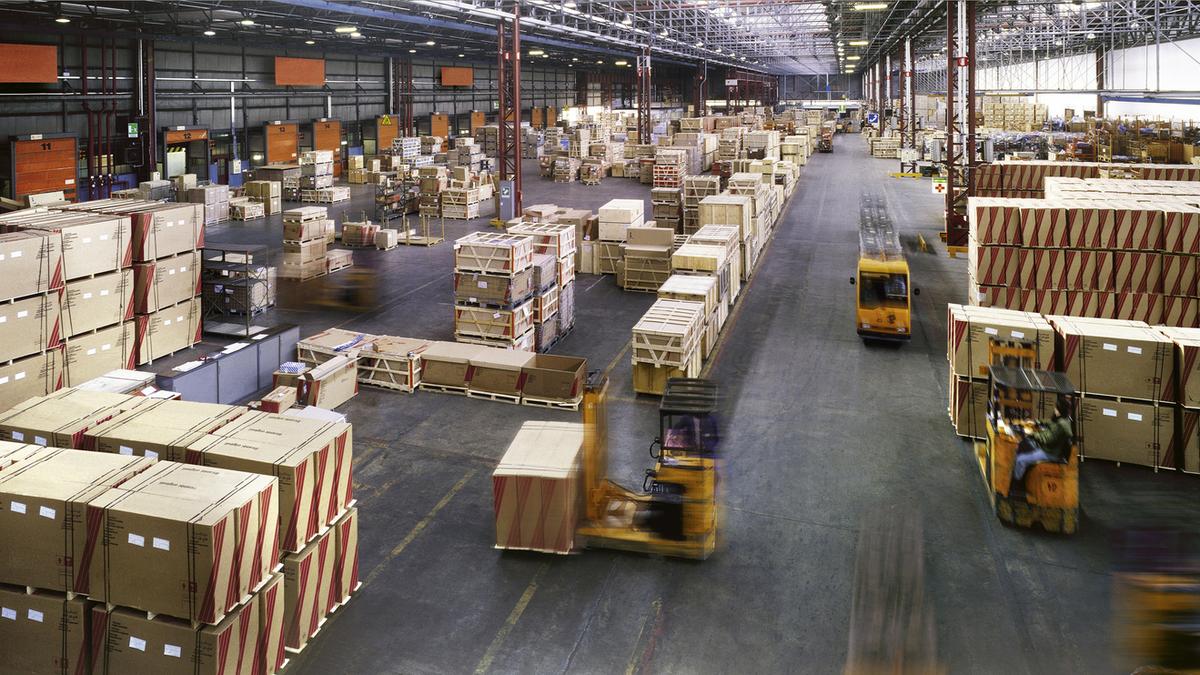
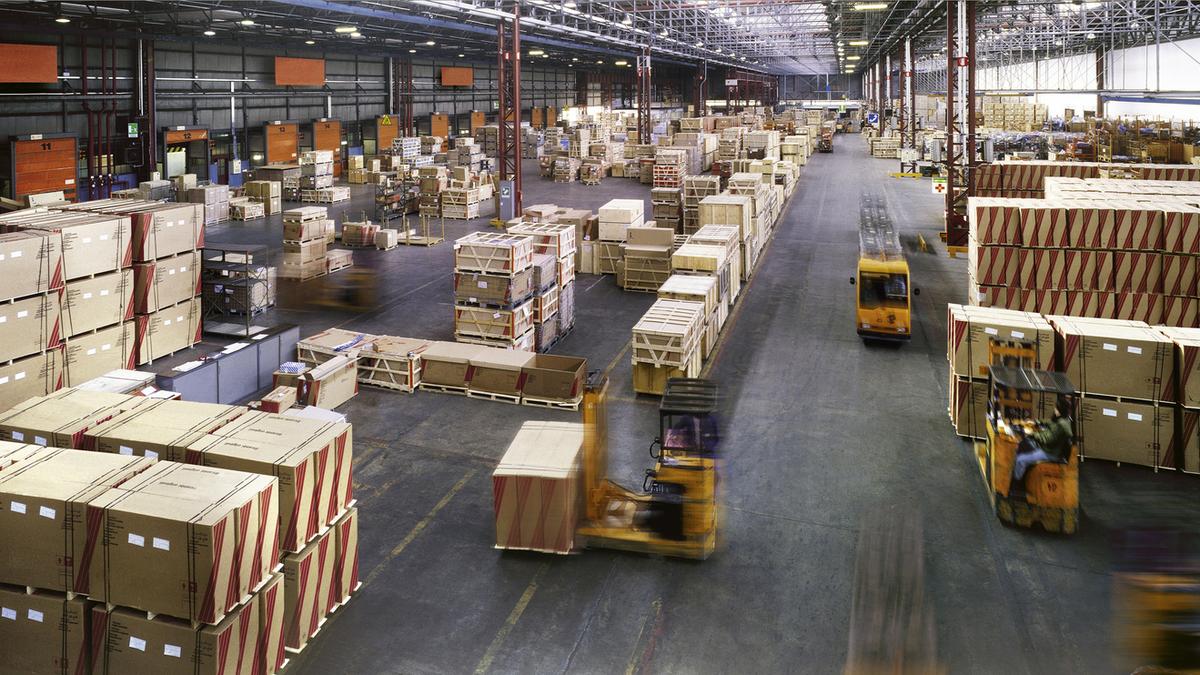
The global warehousing industry is at an inflexion point. Sustainability, automation, robotics, and data-driven intelligence are no longer optional — they are fast becoming the backbone of resilient supply chains. India, with its unprecedented growth in manufacturing, 3PL, and e-commerce, is uniquely positioned not only to adopt these global trends but also to adapt and redefine them for the world.
India’s e-commerce revolution, for instance, is rewriting the rules of last-mile delivery and urban warehousing. While global players deploy advanced robotics, Indian operators are innovating with modular, cost-sensitive automation that fits local realities. This blend of cutting-edge technology with pragmatic solutions demonstrates a key truth: India is not merely a recipient of global best practices but an active contributor to the evolution of modern logistics.
The numbers reinforce this trajectory. In just the first half of 2025, leasing activity across the top eight cities crossed 32 million square feet — a staggering 42% year-on-year jump, as Knight Frank reports. Cities such as Mumbai and Chennai are emerging as powerhouses of demand, with third-party logistics alone driving nearly a third of the activity. This reflects a decisive shift towards Grade A warehouses, stronger compliance, and sophisticated supply chains that are future-ready.
Yet, growth at this scale is not without its challenges. Land acquisition hurdles, high capital intensity for advanced automation, and the need for workforce upskilling are real bottlenecks. Mid-size players, in particular, risk being left behind unless the ecosystem embraces collaborative solutions and robust public-private partnerships. If India’s warehousing story is to remain inclusive and sustainable, we must bridge this as we continue to grow.
That being said, the opportunities for India are showing no signs of slowing down. In just five years, the sector is set to more than double in value, powered by swelling foreign investment and the rise of urban warehousing and micro-fulfilment centres that support India’s e-commerce juggernaut. More importantly, the industry’s future will be defined by how well it balances global aspirations with local realities — whether in adopting AI-driven analytics, building green-certified facilities, or ensuring operational models remain financially viable across scales.
And here is what sets India apart. The country’s warehousing segment will not be a carbon copy of global systems; it will be a hybrid one, harmonising global innovation with indigenous ingenuity. By aligning with national initiatives such as Atmanirbhar Bharat and Make in India, and Prime Minister Narendra Modi’s vision, while simultaneously benchmarking against global best practices, India can solidify its role as both a logistics hub and warehousing bellwether for the world.
The next chapter of India’s warehousing journey is not about catching up — it is about setting new standards.
The writer is managing director of International Project Management, Panattoni.
Published – November 22, 2025 03:13 pm IST