



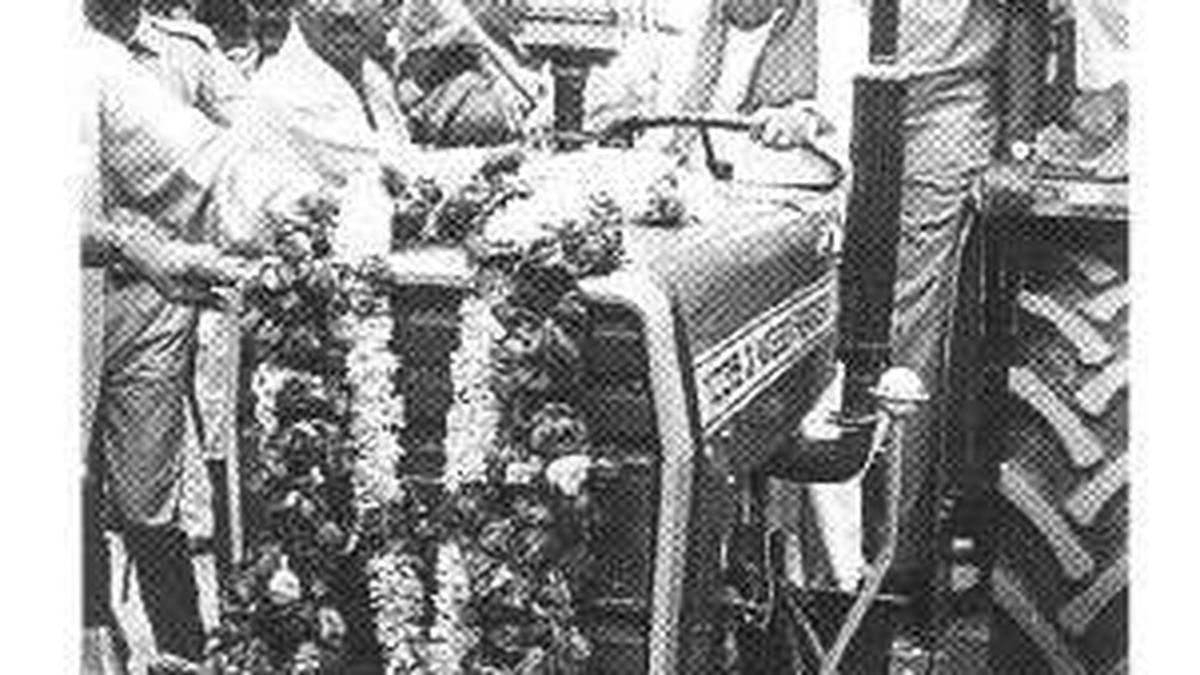

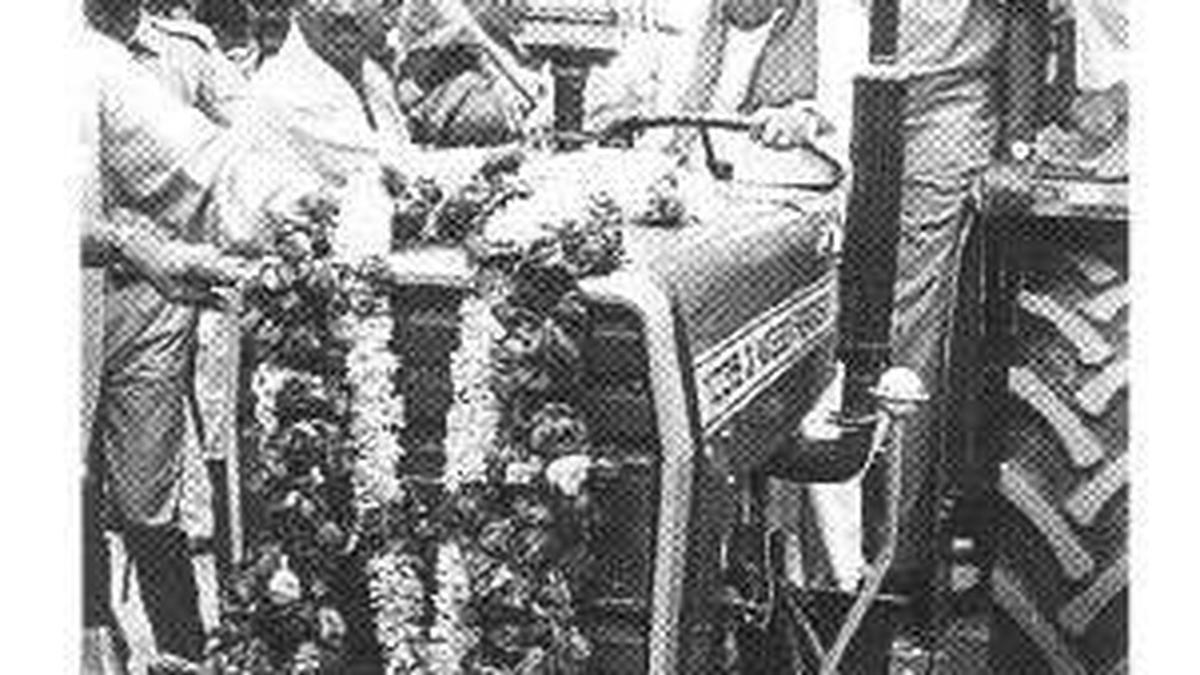
The former Prime Minister H.D. Deve Gowda, driving a tractor, which was the then symbol of the Janata Dal (Secular) in 1999..
At the cusp of a generational shift in leadership, and amid challenges from both within and outside for its identity, the Janata Dal (Secular) is celebrating its silver jubilee year- a rare achievement for a regional party in Karnataka.
The party was registered with the Election Commission of India on November 24, 2000.
Formed in ideological opposition to the Hindutva agenda of the BJP, when a faction of the erstwhile Janata Dal leaders desired to go with the saffron party-led National Democratic Alliance (NDA), the JD(S) has had an inconsistent run over the two decades both in terms of ideology and electoral fortune. Ironically, the party is now part of the NDA fold.
Regional interest
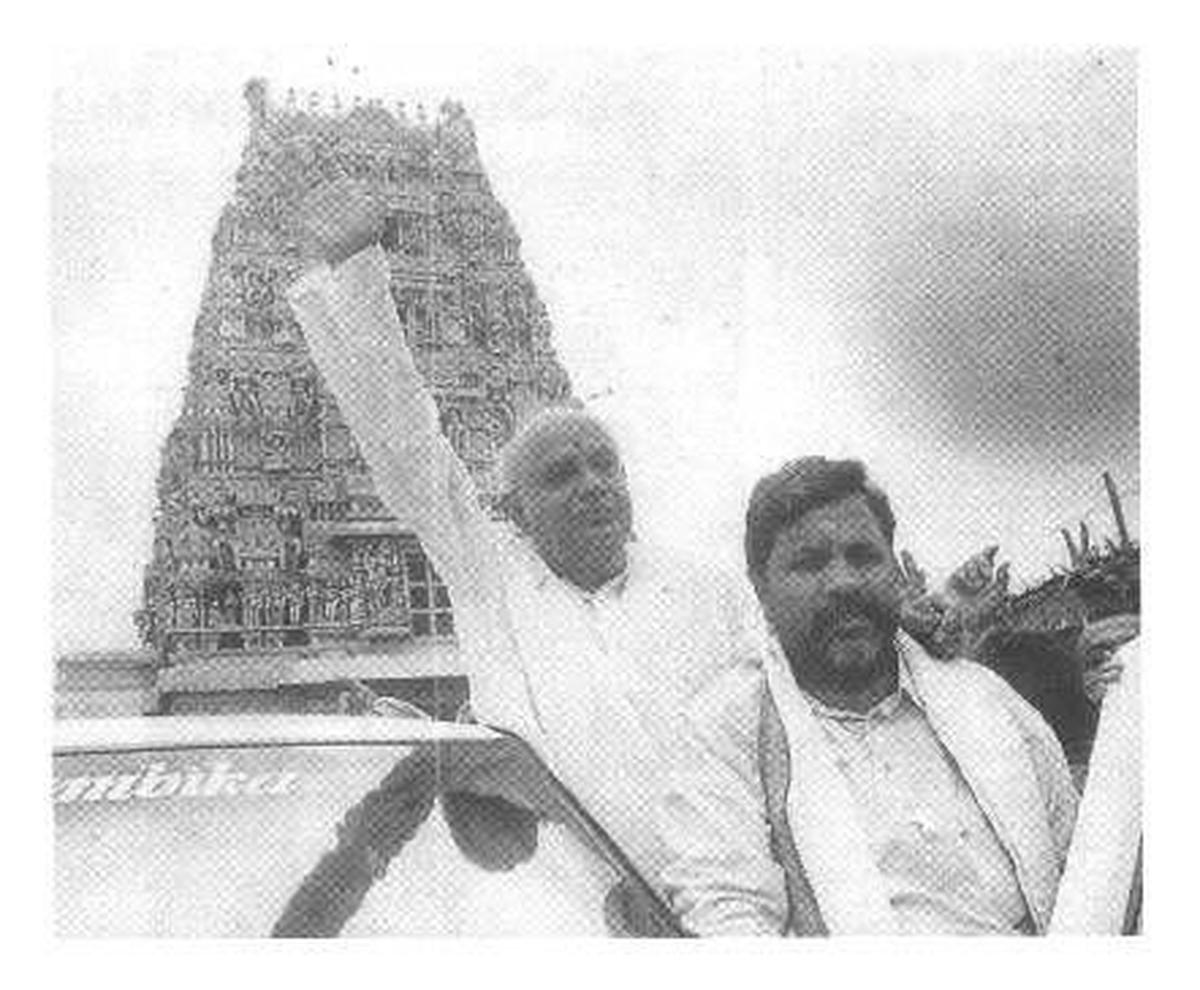
The former Prime Minister H.D. Deve Gowda with current Chief Minister Siddaramaiah, who was then State president of the JD(S).
On the plank of social justice and secularism, and as an antithesis to the rising Hindutva politics, the party was formed with the promise of an alternative to the national parties, and protect regional interests. Its best electoral performance so far, with 58 seats, was in the 2004 Assembly elections that threw a fractured mandate.
Back then it formed a coalition government with the Congress initially, but changed sides to be with the BJP. Current Union Minister for Steel and Heavy Industries H.D. Kumaraswamy became the Chief Minister.
While the number of its seats has shrunk over the period, the party formed a coalition headed by Mr. Kumaraswamy again with the Congress in 2018 despite winning 37 seats. Till the 2023 elections when it polled 13%, the party despite its reduced seats, had maintained a vote share of around 18%. The party has also been a victim of “Operation Kamala” orchestrated by the BJP twice in the State when its legislators jumped ship.
“For a few years, it had a pan-Karnataka appeal and the State needed a regional party. It could have filled that gap. The arrangement with the BJP in 2006 was of convenience and it is an alliance in 2023. Despite its debacle in 2023, the JD(S) could have attempted to rise again. H.D. Deve Gowda has had the courage to stand alone and rebuild the party in the past. Maybe the next generation leaders thought otherwise,” said A. Narayana, political analyst and a faculty member at Azim Premji University. “It has now become a family centric party with appeal among Vokkaligas and restricted to a few districts.”
Shrinking footprint
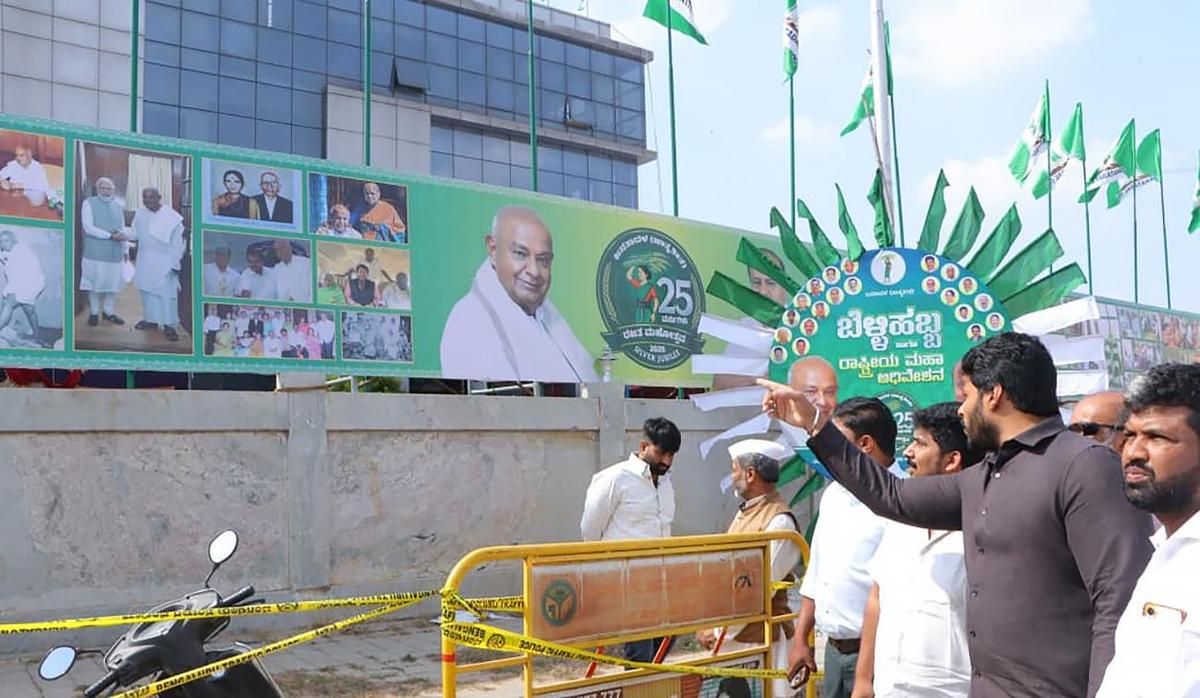
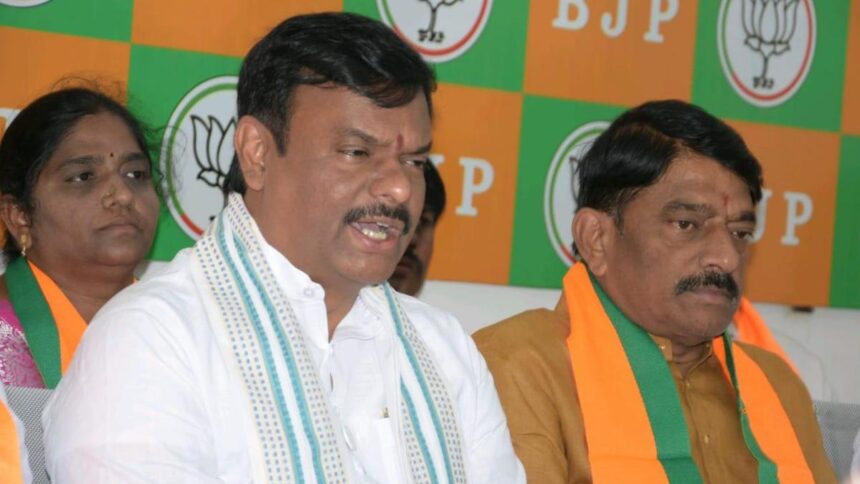
Nikhil Kumaraswamy reviewing preparations for the silver jubilee celebrations at the JD(S) State office in Bengaluru on Thursday.
| Photo Credit:
special arrangement
Over time, the footprint of the party has come to be confined to Old Mysore region and pockets in Kittur and Kalyana Karnataka region, as leaders, many of whom had disagreements with party founder and former Prime Minister Mr. Gowda, left. Among the notable leaders who left is incumbent Chief Minister Siddaramaiah.
The JD(S), which rescinded on its promise of handing over power to BJP after 20 months in 2007, has also been blamed for the rise of the BJP in Karnataka by giving it a “backdoor entry.” With the split of the original JD, many of the land-owning Lingayat community in North Karnataka gravitated to the BJP. On the other hand, Muslims, who had backed the party, started gravitating towards the Congress. Its confinement to southern districts began from the 2008 elections, when boundaries of the Assembly constituencies were redrawn.
Insiders claim that it was desperation to protect the party from disintegrating under pressure from the Congress after the election rout, coupled with increasing threat of losing ground to the BJP in key districts, which drove the regional party to the NDA. As the party struggled to shrug off its worst performance in the 2023 elections, it also suffered a huge morale blow after Prajwal Revanna, grandson of the party patriarch, was arrested on charges of sexual assault on multiple women.
“To reinvigorate the party, the leadership is looking at taking the party closer to the people. The party’s commitment to social justice and secularism is intact,” said Y.S.V. Datta, campaign committee president and a close associate of Mr. Gowda.
Third generation
As the party turns 25, third-generation leader Nikhil Kumaraswamy is attempting to revive the party, and only time will tell if the party will win back its glory days or be subsumed in the alliance.
Published – November 21, 2025 12:11 am IST