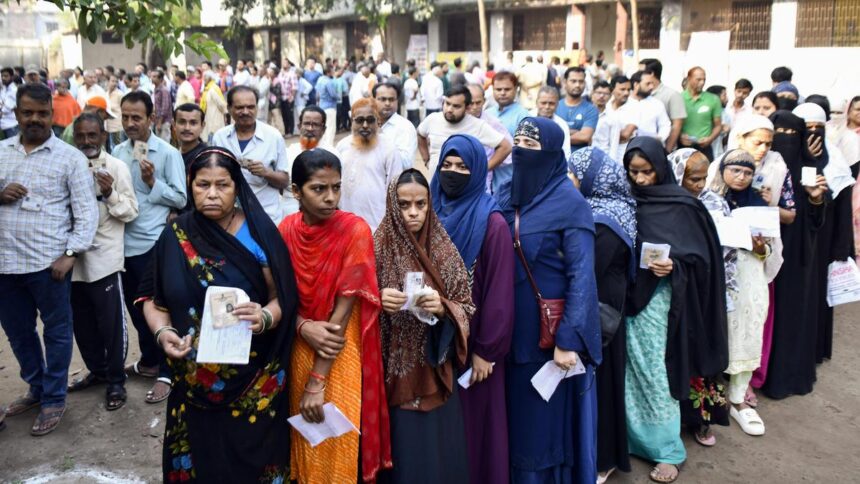






The upcoming local body elections in Kozhikode district are being closely watched for signs of shifting political currents, particularly since the subtle urban-rural divide seen in last elections.
While the Left Democratic Front (LDF) swept the Kozhikode Corporation and retained control over major rural local bodies, the United Democratic Front (UDF) gained a narrow edge in the municipalities, winning four of the seven. This contrast, an LDF-dominated urban core and a UDF-leaning municipal cluster, has drawn fresh attention to the district’s seven municipalities, where contestants are looking for signs of a possible urban political realignment. The Bharatiya Janata Party (BJP) is highlighting the shortcomings of both fronts to boost its campaign. In each municipality, a strong public audit of the outgoing councils is under way, adding to the unpredictability of the electoral outcome.
Beyond political affiliations, some of the voters see local governance, development projects, delays, and administrative efficiency becoming central themes.
In Feroke, the UDF enters the fray with confidence from its previous tally of 20 seats gain against the LDF’s 17. The front projects its success in tourism and health sectors, along with road repair works, as evidence of productive governance. The LDF counters it citing the alleged failures in taking up major projects such as the construction of municipal town hall and the bus stand-cum-shopping complex.
In Ramanattukara, the UDF hopes to retain its majority, citing road renovations and the construction of new municipal buildings as proof of effective governance. LDF candidates argue that, despite these works, the municipality still lacks key facilities expected of a gateway to Kozhikode. They claim that the absence of a public crematorium, modern waste-treatment systems, a hygienic fish market and several pending beautification projects will shape voter sentiment.
The UDF aims to end the LDF’s three-decade dominance in the Koyilandy municipality. The LDF, which won 25 seats to the UDF’s 16 last time, is banking on its record of eliminating extreme poverty and creating new parks and shopping complexes, while the UDF is highlighting stagnation in the health and education sectors.
Mukkom municipality presents one of the most unpredictable contests. The LDF has governed the municipality for years. Both fronts had secured 15 seats in the previous elections, with the LDF staying in power with the support of a Muslim League rebel. This time, the LDF says it has fulfilled all its promises, while the UDF points to alleged corruption and vows to expose gaps in governance. Meanwhile, the UDF’s alliance with the Jamaat-e-Islami Hind-backed Welfare Party of India (WPI) has triggered debate within the front, with some leaders opposing the tie-up and others viewing it as a path to power.
In Vadakara, the LDF highlights the completion of 109 out of 115 projects, including housing schemes and pension coverage for eligible residents. The UDF is centring its campaign on allegations of corruption, placing integrity at the core of its message.
After the UDF came to power in Payyoli last time by winning 21 seats, the front hopes to repeat its performance despite the exit of two former councillors. Its campaign focuses on preparing a master plan for water-supply schemes and projects to improve medical care facilities. The LDF, however, criticises the municipality’s record in waste management and asset creation.
In Koduvally, a UDF stronghold for two decades, unresolved demands for permanent buildings for several institutions remain a challenge. The LDF, which won 11 seats last time, is banking on Independent candidates and proposing initiatives such as free Internet for students and multi-level parking facilities. The UDF is highlighting its achievements in road and infrastructure development as it seeks another term.
Published – December 05, 2025 08:13 pm IST