




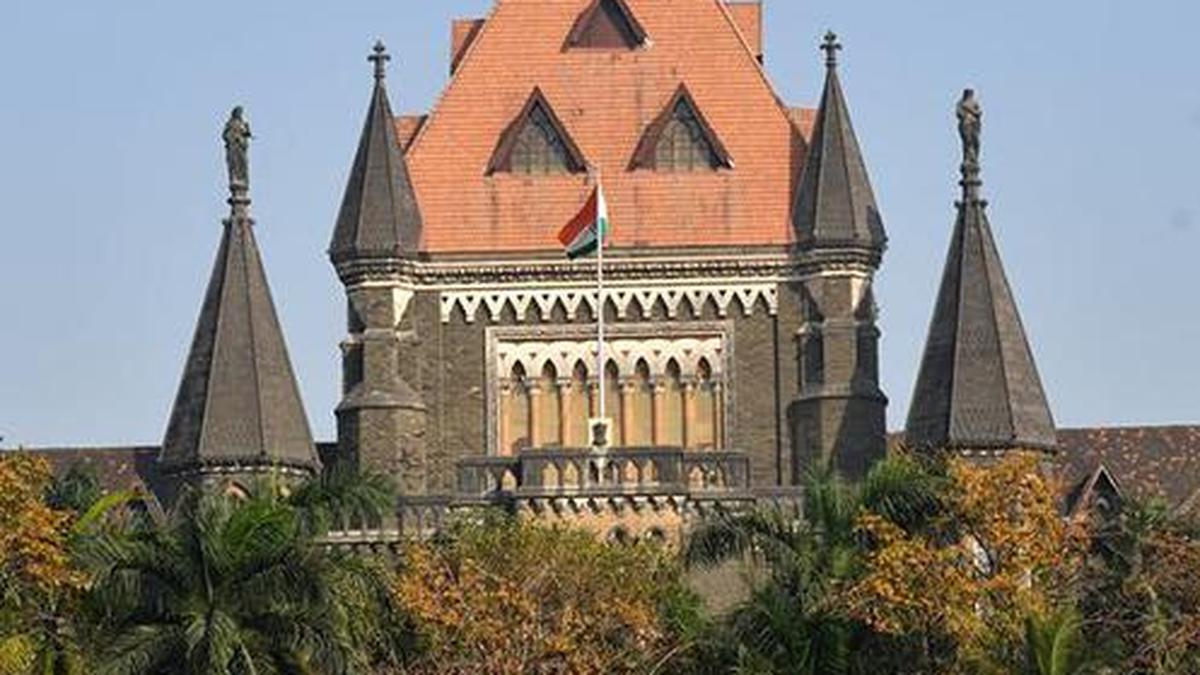

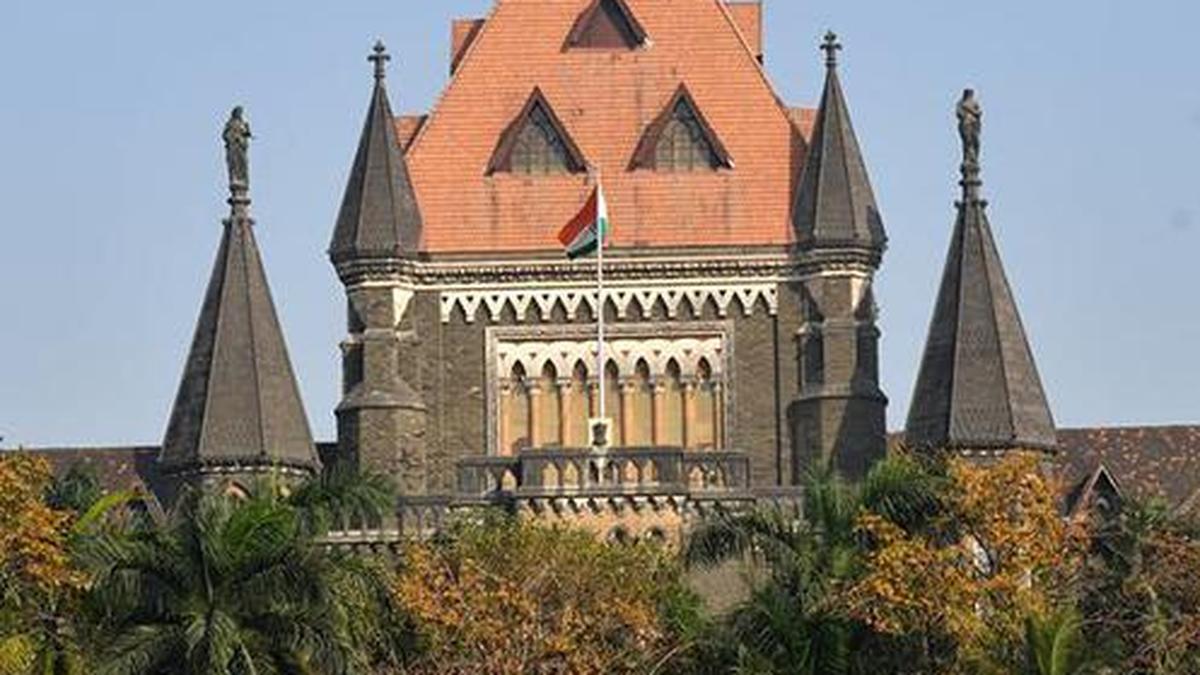
The Bombay High Court.
| Photo Credit: The Hindu
The Bombay High Court has issued a notification clarifying that live streaming of its proceedings will be subject to the consent of the presiding judge, even as a public interest litigation (PIL) continues to challenge a seven-year-old decision by the Maharashtra Electricity Regulatory Commission (MERC) to stop audio and video recording of its hearings.
The notice, dated November 10 and signed by Nitin V. Jiwane, Officer on Special Duty, stated that under the Bombay High Court Rules for Live Streaming and Recording of Court Proceedings, 2025, judges are designated as the authority to approve access to copies of streamed recordings.
“It is further to inform that the Hon’ble Judge(s) of the concerned Court are designated as the Designated Officer(s) under Rule 7.3, who are only empowered to sanction access to copies of Live Streamed Recordings upon receipt of an application in the Form prescribed under Schedule III of the Rules,” the notification read.
Storage and preservation of these recordings will occur only on specific directions of the court, typically for six months or any other period deemed appropriate.
“It is also to inform that the storage and preservation of Live Streamed Recordings shall be undertaken only upon specific directions of the concerned Hon’ble Court in accordance with Rule 7.4 including specific directions for the duration of preservation i.e. whether six months or any other period deemed appropriate,” the Court’s notice said.
The clarification came on the same day Chief Justice of India B.R. Gavai expressed concern over a morphed video circulating on social media that falsely depicted a shoe-throwing incident in his courtroom.
The High Court began live streaming select benches in July this year to enhance transparency and public access. While some benches refrained from going live, others have streamed proceedings regularly. The Supreme Court has been live-streaming all its courts since 2023.
In contrast, MERC’s resolution dated September 4, 2018 barred audio and video recording of its proceedings, denied public access to any past recordings, and ordered elimination of existing recordings on the ground that they were “not part of official record.
The PIL, filed by Mumbai-based businessman and consumer activist Kamlakar Shenoy, argued that the resolution violates Section 86(3) of the Electricity Act, 2003, which mandates transparency in regulatory functions, as well as MERC’s own Conduct of Business Regulations, 2004.
These regulations require the Commission to maintain an indexed database of its records and make information of public interest accessible.
The petition also cited the Maharashtra Public Records Act, 2005, and pointed to the Supreme Court’s observations in a pending petition on live streaming of court proceedings, arguing that MERC’s move runs counter to the national trend towards openness.
“The resolution is ex-facie illegal as it overrides statutory regulations and established practices of transparency,” the PIL stated, seeking quashing of the order and restoration of recording and public access.
Published – November 12, 2025 09:23 am IST