



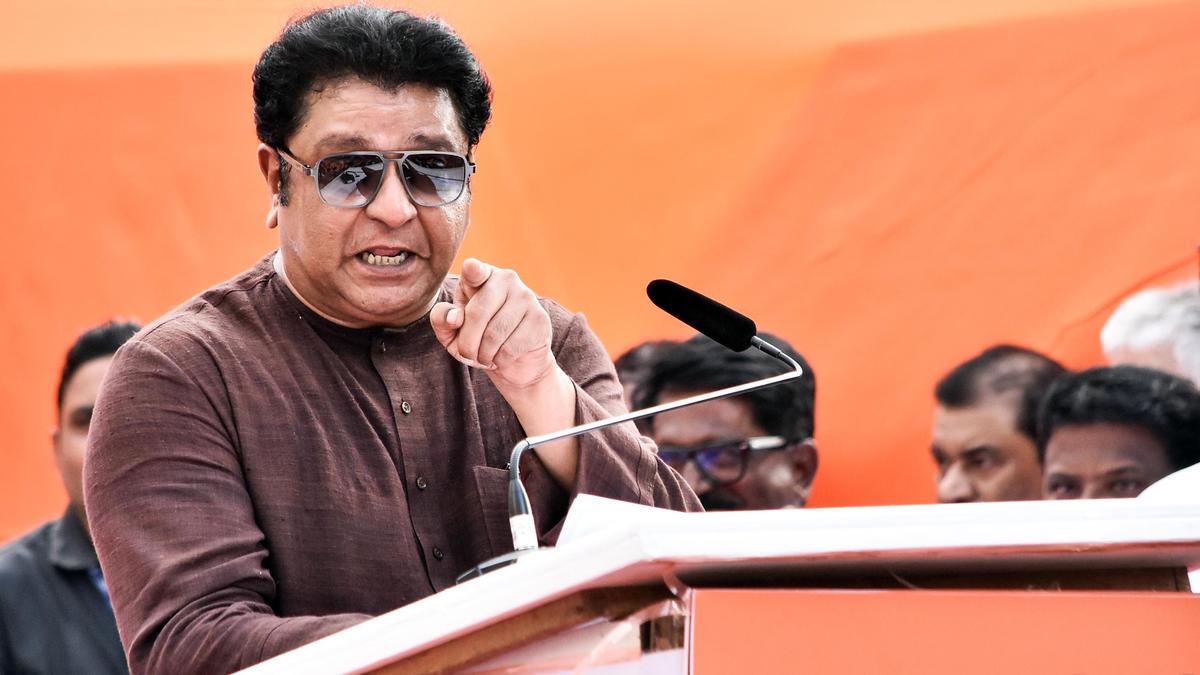

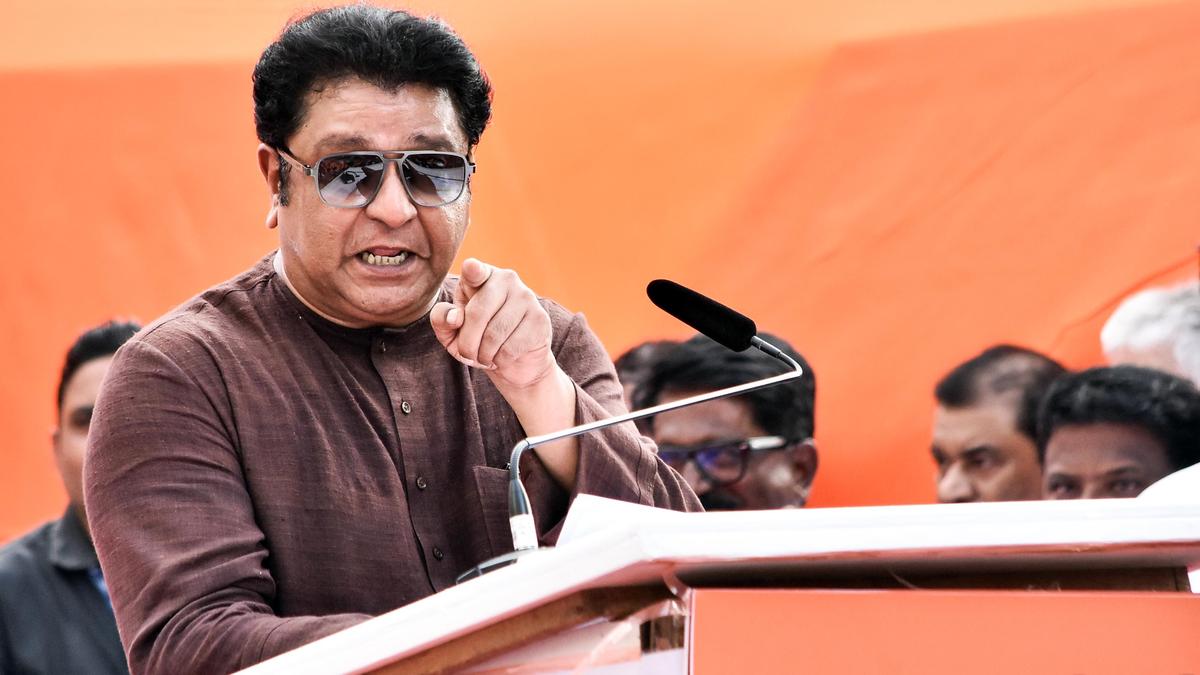
Maharashtra Navnirman Sena (MNS) president Raj Thackeray. File
| Photo Credit: ANI
Maharashtra Navnirman Sena (MNS) president Raj Thackeray on Wednesday (November 26, 2025) said that Union Minister of State for Science and Technology Jitendra Singh’s remark on not changing IIT-Bombay’s name to IIT-Mumbai shows the government’s mindset.
“As far as IIT-Bombay is concerned, thank God it still is this name. You have not changed it to Mumbai. So that’s another compliment to you. And also true for Madras. It remains IIT-Madras,” Minister Jitendra Singh had said, addressing a function at the Indian Institute of Technology, Bombay on Monday (November 24).
The plot to separate Mumbai, which has always belonged to the Marathi people, from Maharashtra was foiled by Marathi leaders and the public, the MNS chief said in a post on X.
“Our Marathi Mumbai remained in Maharashtra. Now, the bitterness that’s been festering in their bellies for decades is starting to spill out once again,” Mr. Thackeray said.
“People of Mumbai and all Marathi folks living in the entire Mumbai Metropolitan Region [MMR] should open their eyes now. The name “Mumbai” irks them [ruling dispensation] because it is named after Mumba Devi, the original goddess of Mumbai. Her children are the Marathi people who have lived here for generations,” Mr. Thackeray said.
The Central Government tried to “wrest” Chandigarh from Punjab’s control, but backed off after facing opposition from all other parties, Mr. Thackeray said, adding that retreat is temporary.
“Something similar is brewing in Mumbai’s case. An attempt to quietly take control of the city is definitely underway. First Mumbai, and then the entire MMR will be seized and linked to Gujarat. Marathi people should wake up,” Mr. Thackeray said.
The city, also known as Bombay earlier, was officially renamed as Mumbai in 1995 by the State Government, to honour the local goddess Mumba Devi, after whom the city was named, and to shed the remnants of British colonial rule.
Published – November 26, 2025 12:30 pm IST