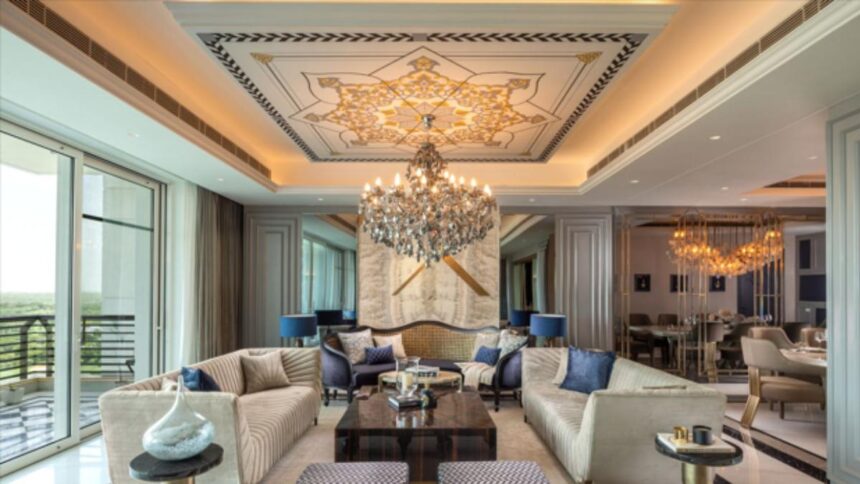




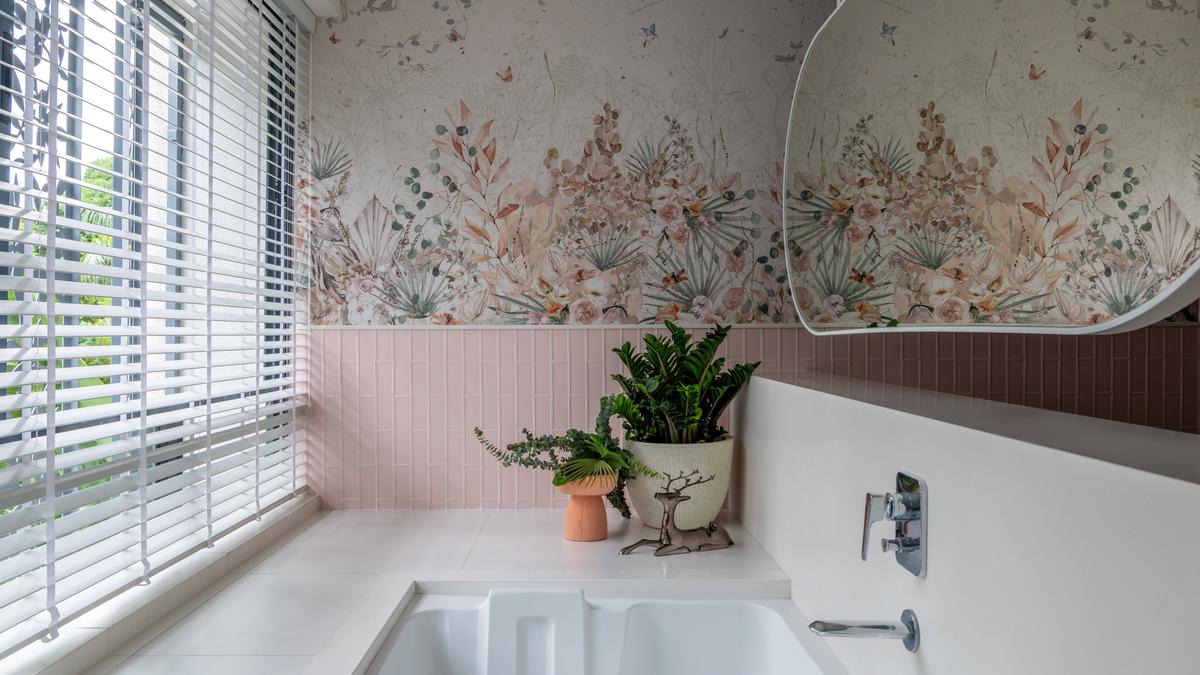

A décor style that is classic and elegant, Mughal-inspired interiors are commonly seen in not just heritage hotels but also in new-age restaurants and bars. Whether it is the domed ceilings and mirrored walls of The Oberoi Amarvilas in Agra or the hand-painted frescoes, carved couches and arched doorways of the Samode Haveli in Jaipur, designers are using this aesthetic for its timeless appeal.
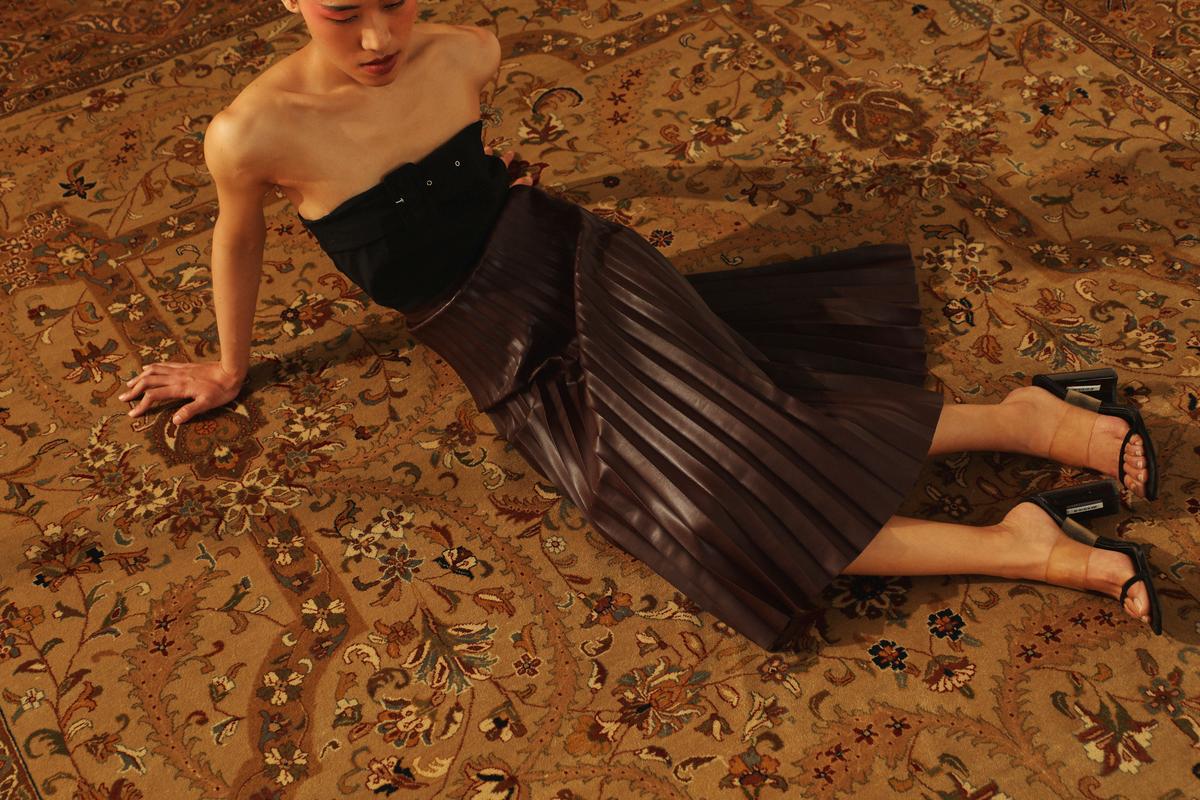
The floral details bloom softly against the muted base, turning the floor into a field of quiet ornament.
| Photo Credit:
Raghav Bhatia
Sarita Handa
Think regal décor and it is almost synonymous with ornate arches, intricate ceiling patterns, floral motifs and vibrant geometrics. This aesthetic largely inspired by Mughal royalty, is characterised by exquisite designs and an intriguing vibe which includes plush materials, nature-inspired motifs and rich colour palettes. Seamlessly blending this style into a more contemporary setting are fine-dining restaurants like Begam in Noida and boutique hotels like Villa Palladio in Jaipur where ambient lighting, jewel tones and silk drapes accentuate elements like grandiose chandeliers, iconic flower motifs and signature jharokhas. The recently opened Grand Mercure Agra and Wyndham Grand Udaipur are other hotels incorporating Mughal inspired motifs albeit with a contemporary flair.
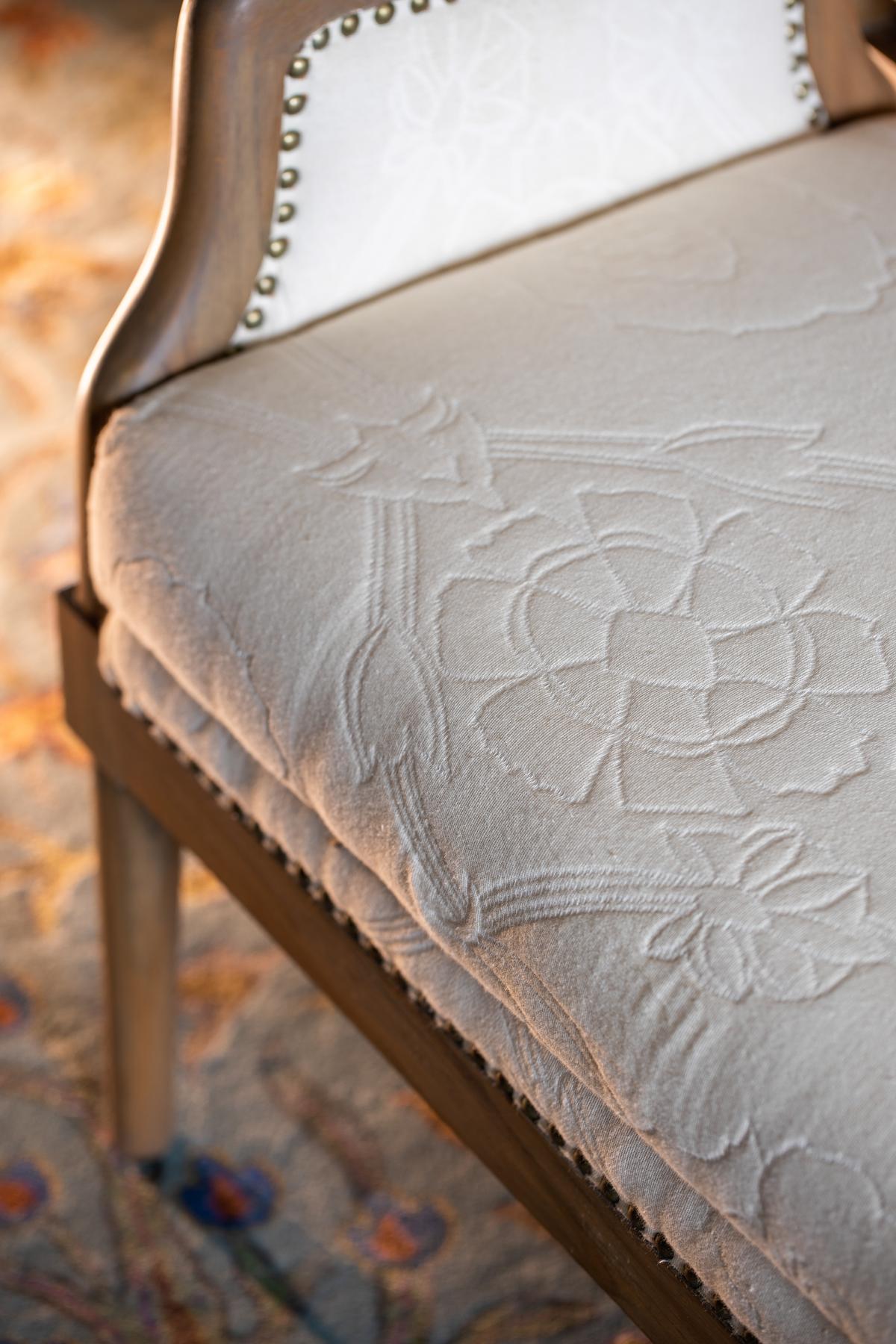
Floral accents on cushions and fabrics add layers of texture and comfort.
| Photo Credit:
Beyond Designs
But did you know that you can pull off this ethereal look even at home? With inputs from several industry experts, here is the lowdown on how you can do it.
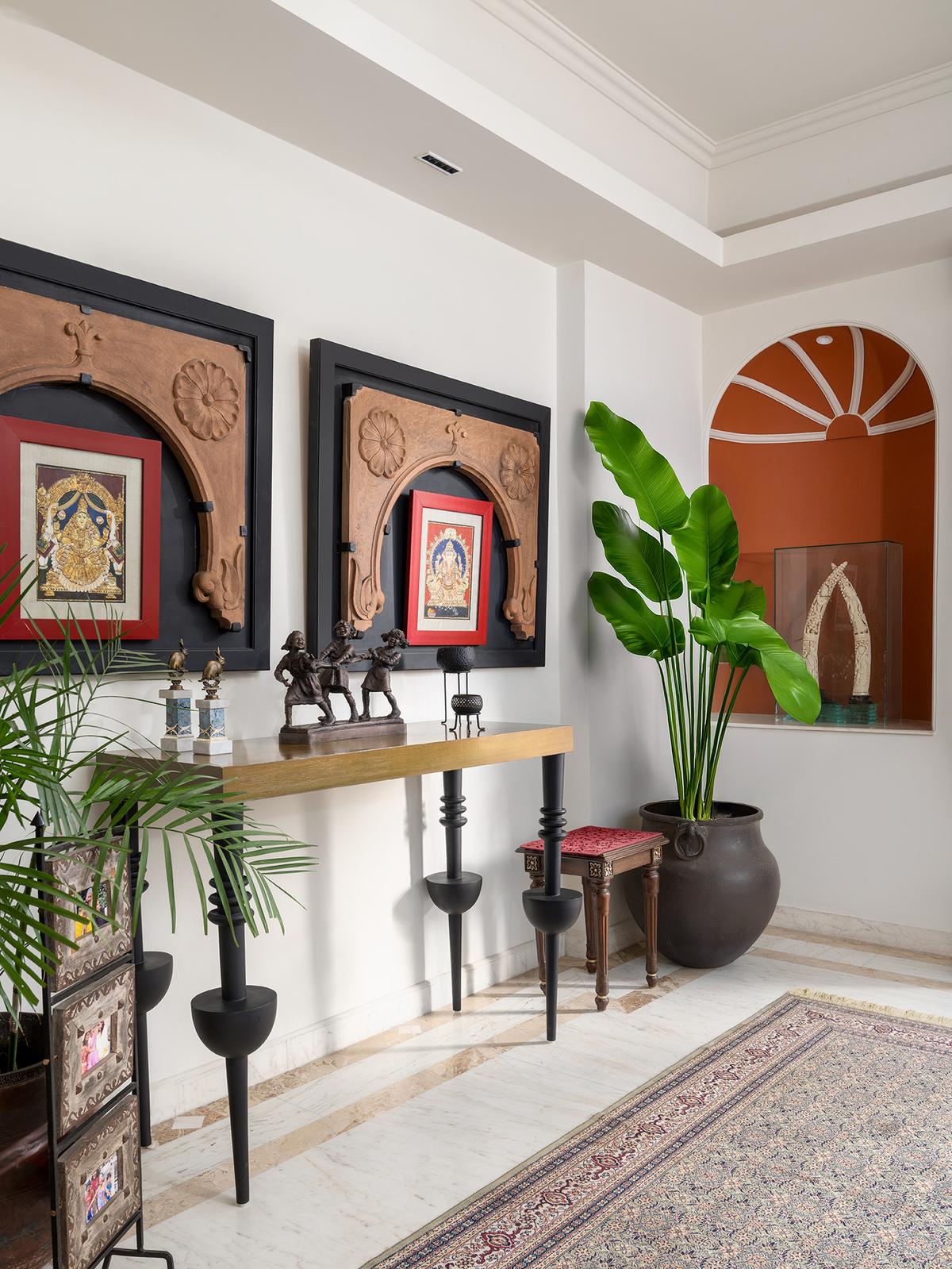
In the foyer, heirloom frames adorned with floral carvings meet a Mughal-inspired arch niche, adding an elegant prelude to the home’s classical narrative.
| Photo Credit:
Deepak Aggarwal
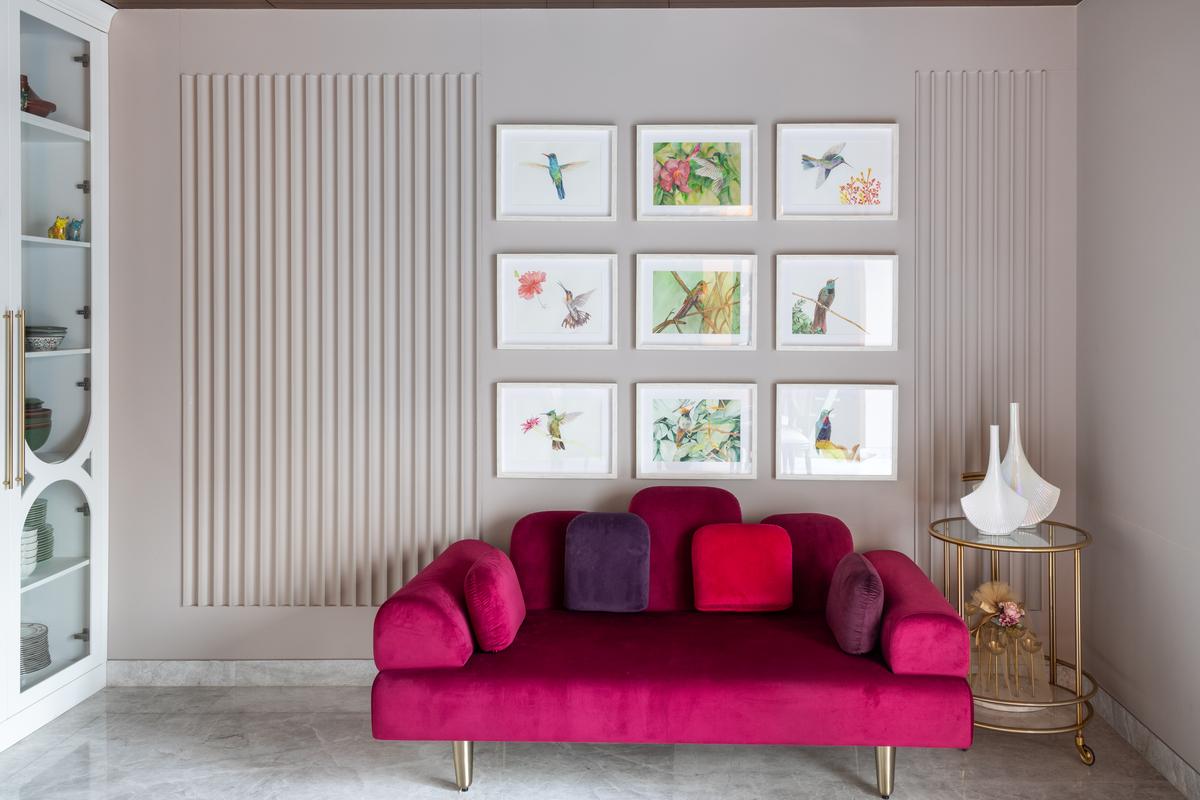
Creating delicate stories in living areas with watercolour illustrations of flora and fauna.
| Photo Credit:
Ravi Varma
Rooted in heritage and nostalgia
Mughal-inspired designs which include florals and geometrics carry a timeless elegance that add depth and character to interiors. They are deeply rooted in Indian art and culture, and have been a recurring element in fashion and interior design for centuries. “Many homeowners today are drawn to them not just for their aesthetic appeal but for the stories and cultural resonance they bring to a space. Whether subtly layered in upholstery, wall treatments, or decorative accents, these patterns create a dialogue between heritage and modern-day living. In our experience, they are particularly integrated in spaces meant to feel intimate and curated, as they allow every corner to tell a story while maintaining a refined, luxurious feel,” says Neha Gupta, co-founder, design principal, Beyond Designs.
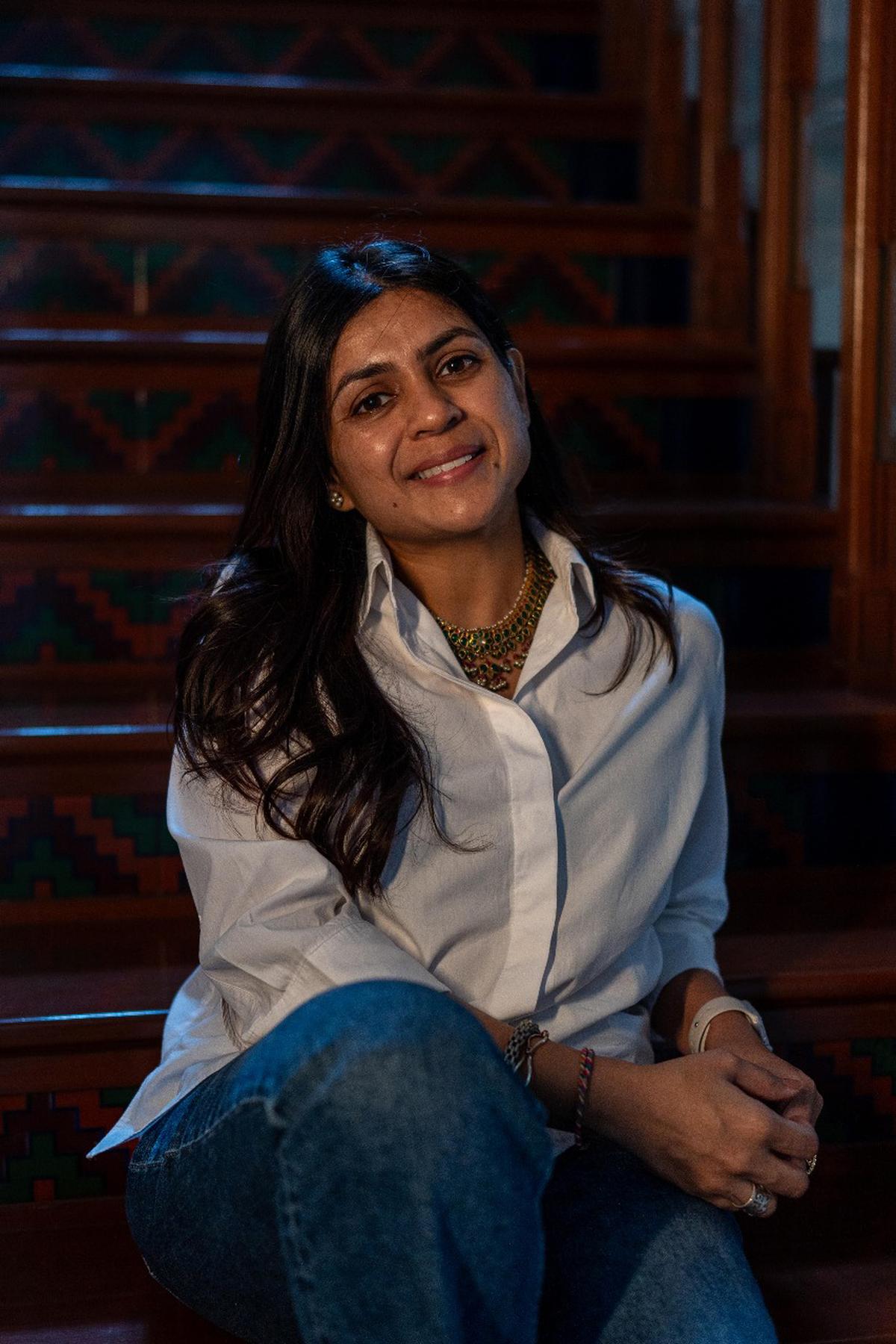
Manisha Gandhi.

Mita Mehta
“Floral patterns have a quality of timelessness to them. They are soft, versatile, and instantly lift a space — which is why they remain a favourite in my work, whether it’s a modern apartment or a classic home. Geometric motifs, on the other hand, bring in a sense of heritage and depth — a little nod to architectural grandeur. I love the way these two elements balance each other; florals bring nature’s elegance while geometric patterns anchor spaces with structure and history,” says Akash Mehta, principal designer, Poonam Akash (formerly known as AMPM Designs).
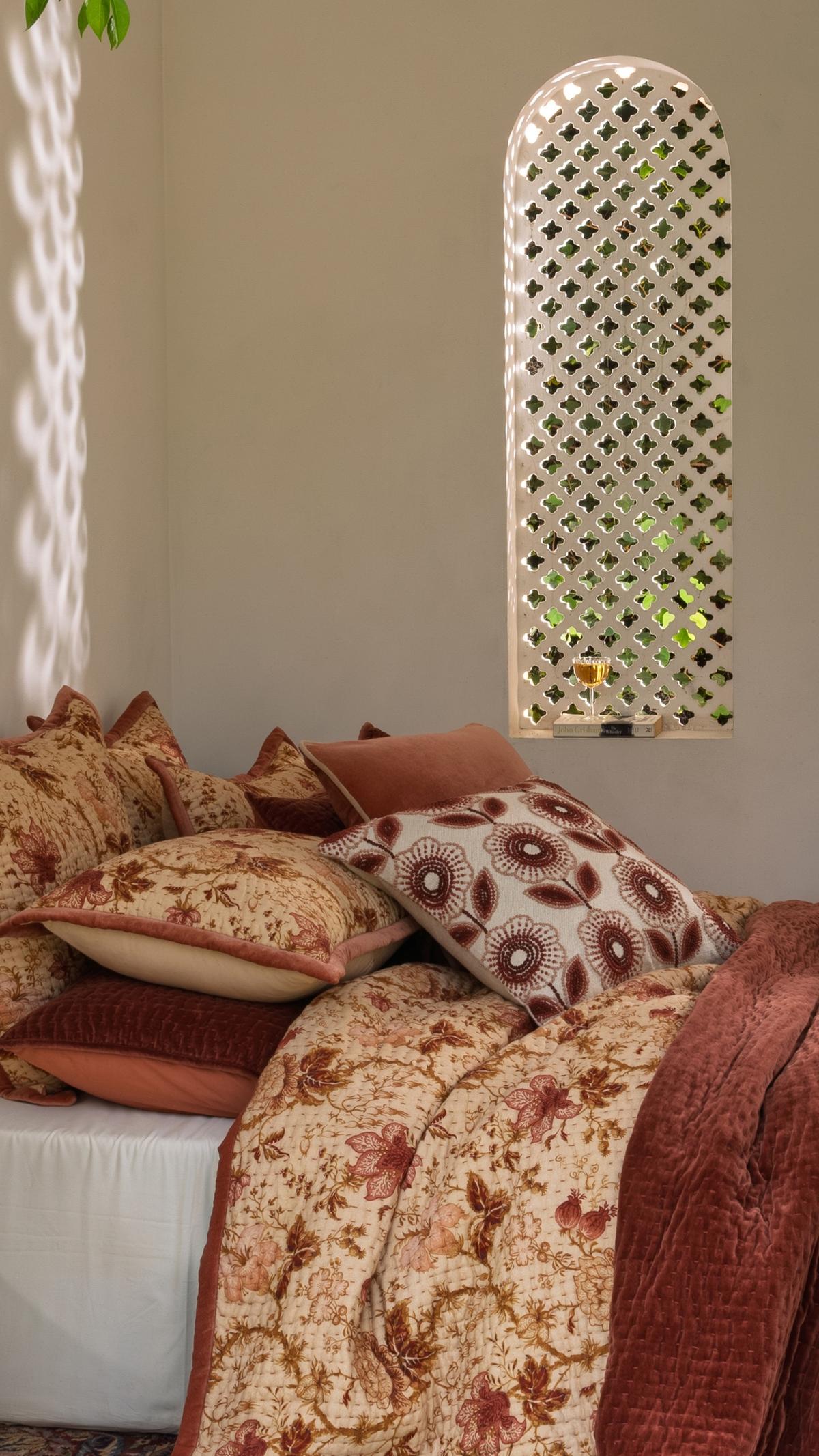
Adorned with vintage botanical prints for an elegant, timeless touch.
| Photo Credit:
Tanuj Ahuja
Mughal style florals and geometrics are not just decorative; they are architectural in spirit, with repeating motifs which create a sense of order, rhythm and balance in a space. Since these motifs have a strong presence, they work beautifully in rooms where you want to establish character. “We recommend using these patterns in areas meant for hosting and interaction, such as living rooms, dining areas, or entrance foyers. For a more intimate expression, powder rooms and bedrooms look great in these patterns when approached with subtlety, either through soft furnishings or a single statement wall,” says Pooja Gupta, principal designer, I Design Studios.
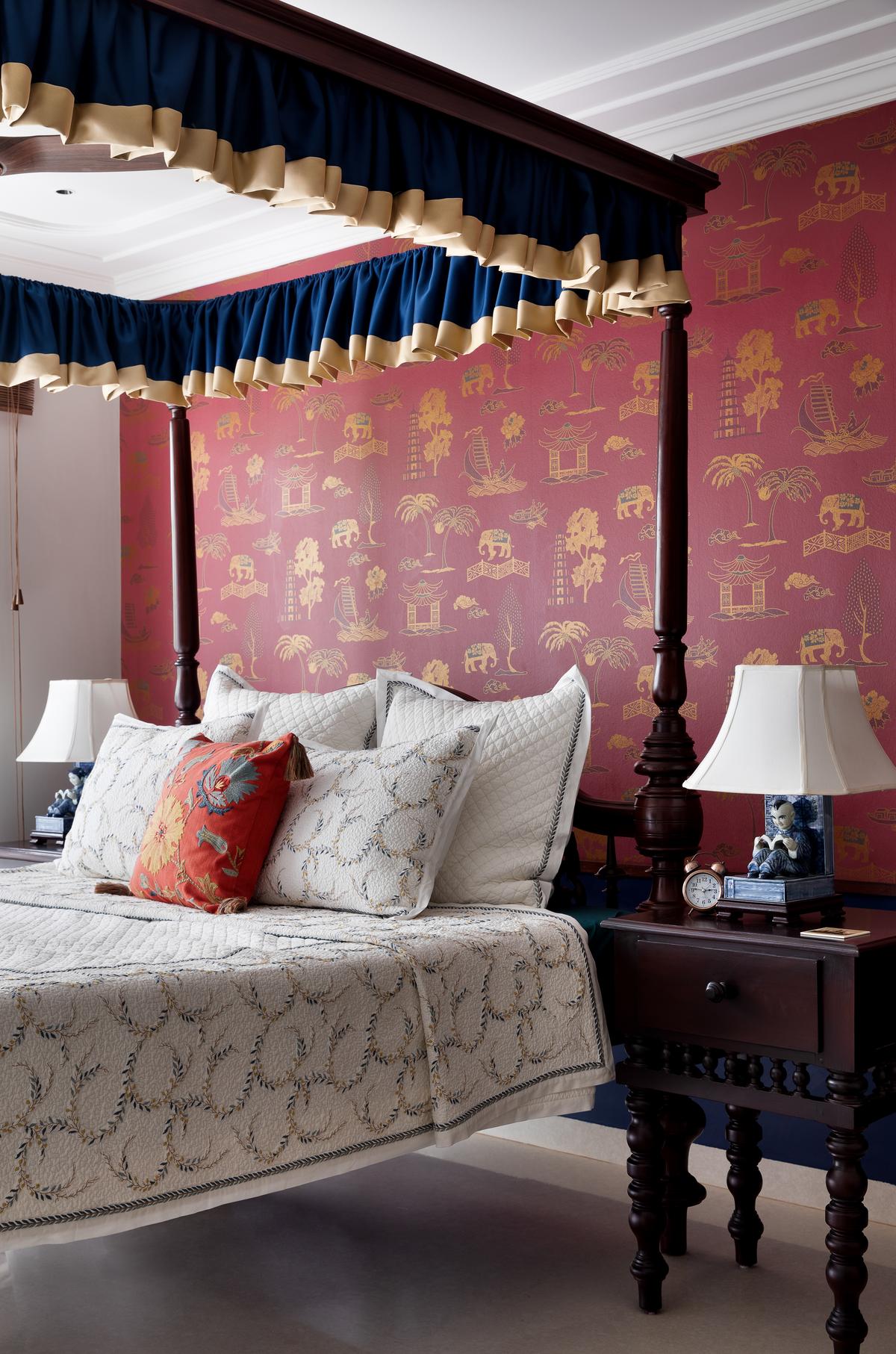
Traditional florals and Mughal-inspired motifs play out on a vibrant red wall, framing the stately four-poster bed.
| Photo Credit:
Phosart Studio
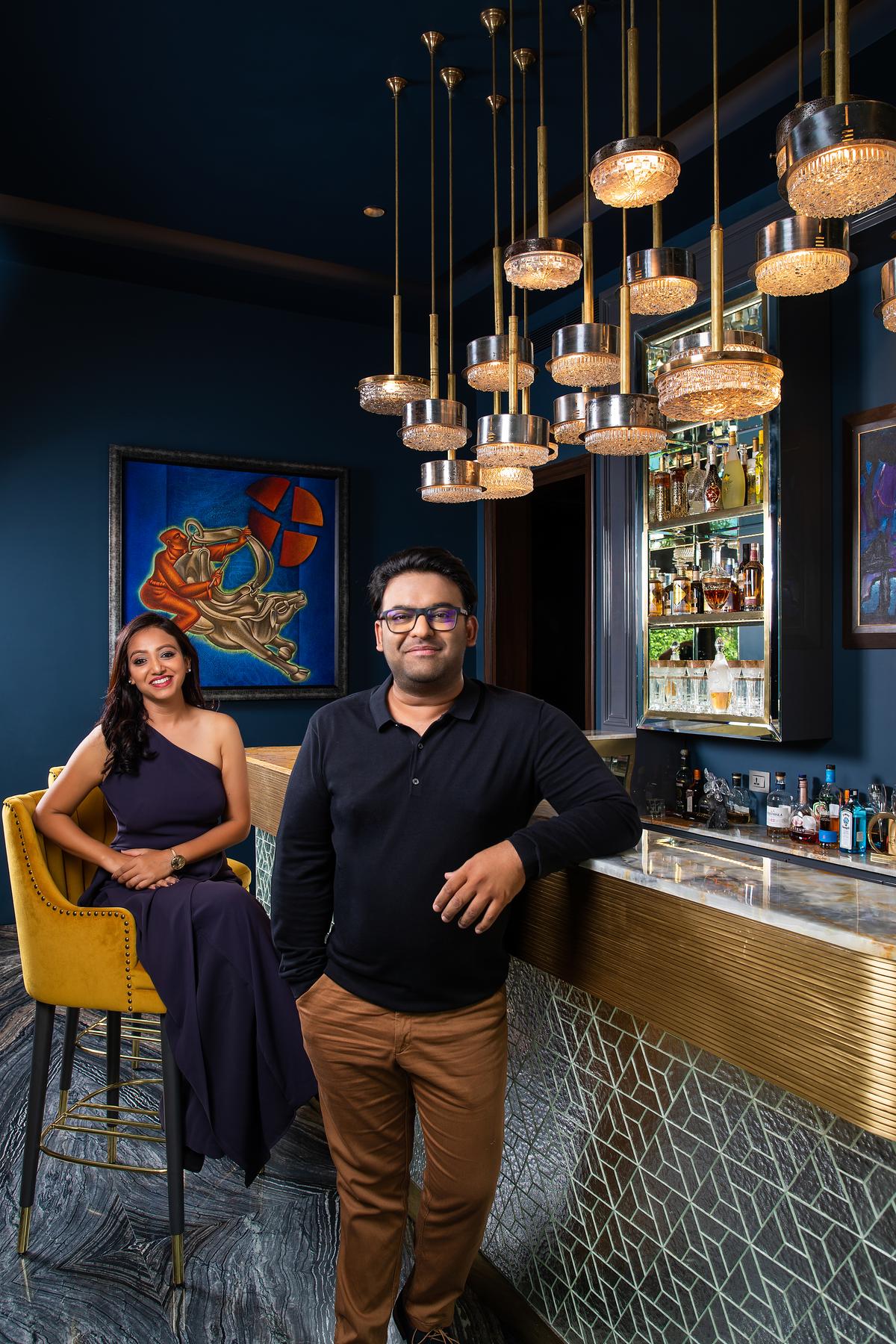
Neha Gupta and Sachin Gupta
These geometric patterns also shine in foyers, prayer rooms, partitions and accent furniture, bringing heritage and a touch of grandeur to the home. “While florals add freshness without overwhelming a space, geometric patterns shine in architectural details — like jaali screens, inlay furniture, or an accent wall. A mix of soft florals and bold geometry keeps interiors balanced and timeless,” says Manisha Gandhi, principal designer, Studio MG.
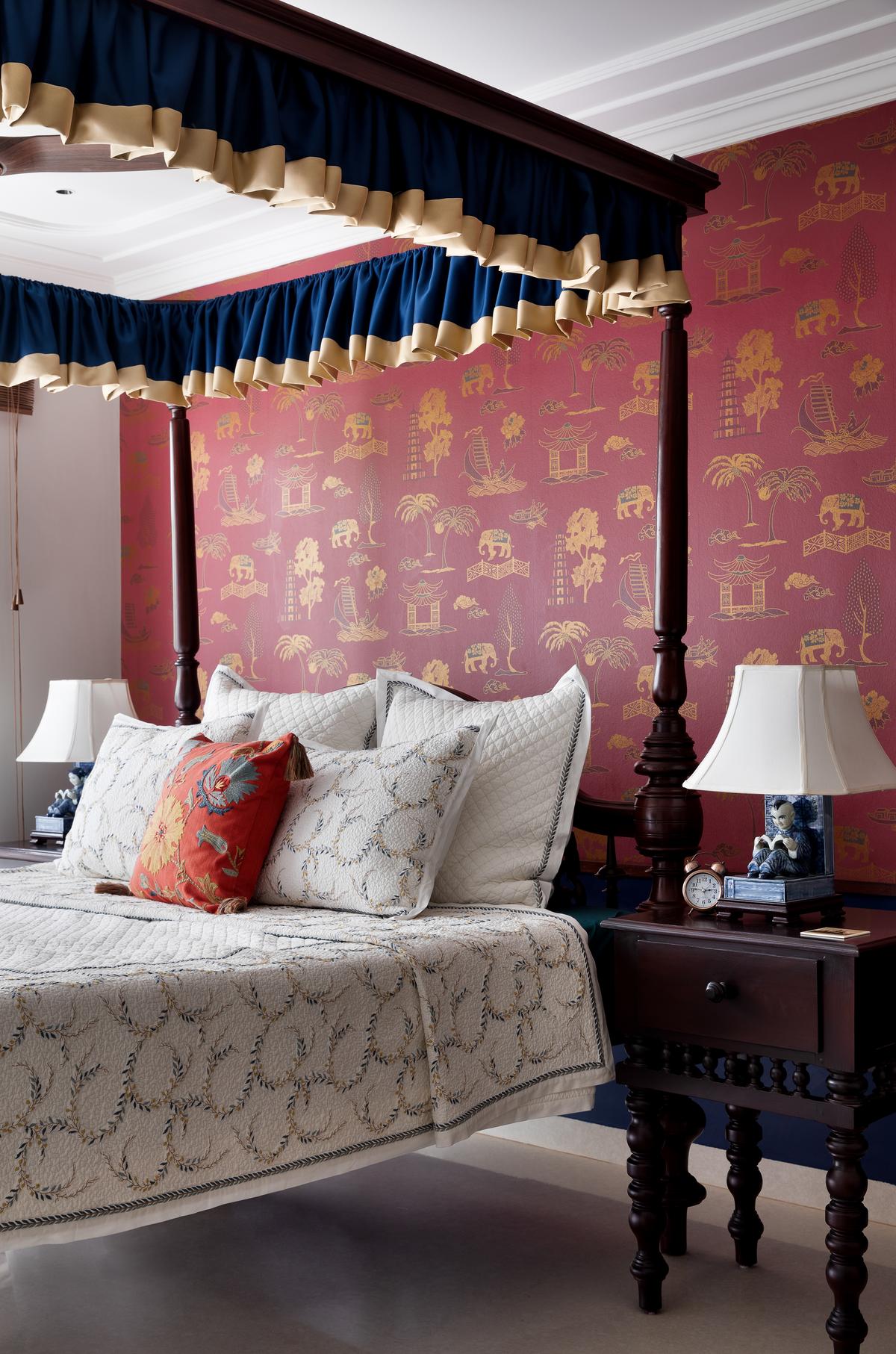
Traditional florals and Mughal-inspired motifs play out on a vibrant red wall, framing the stately four-poster bed.
| Photo Credit:
Phosart Studio
“We often recommend them for transitional or quiet spaces such as entrance foyers, corridors, vestibules and powder rooms. In bedrooms, they lend themselves well to headboards, ceiling borders or wardrobe shutters. Bathrooms are another ideal space, especially for incorporating patterned floor tiles, dado walls or even carved vanity units. We have also used such motifs in media rooms and studies, where they add a sense of atmosphere and stillness. In each case, it is important to adapt the pattern to suit the scale and function of the space,” says Mita Mehta, interior stylist-curator & founder, Mita Mehta Studios.
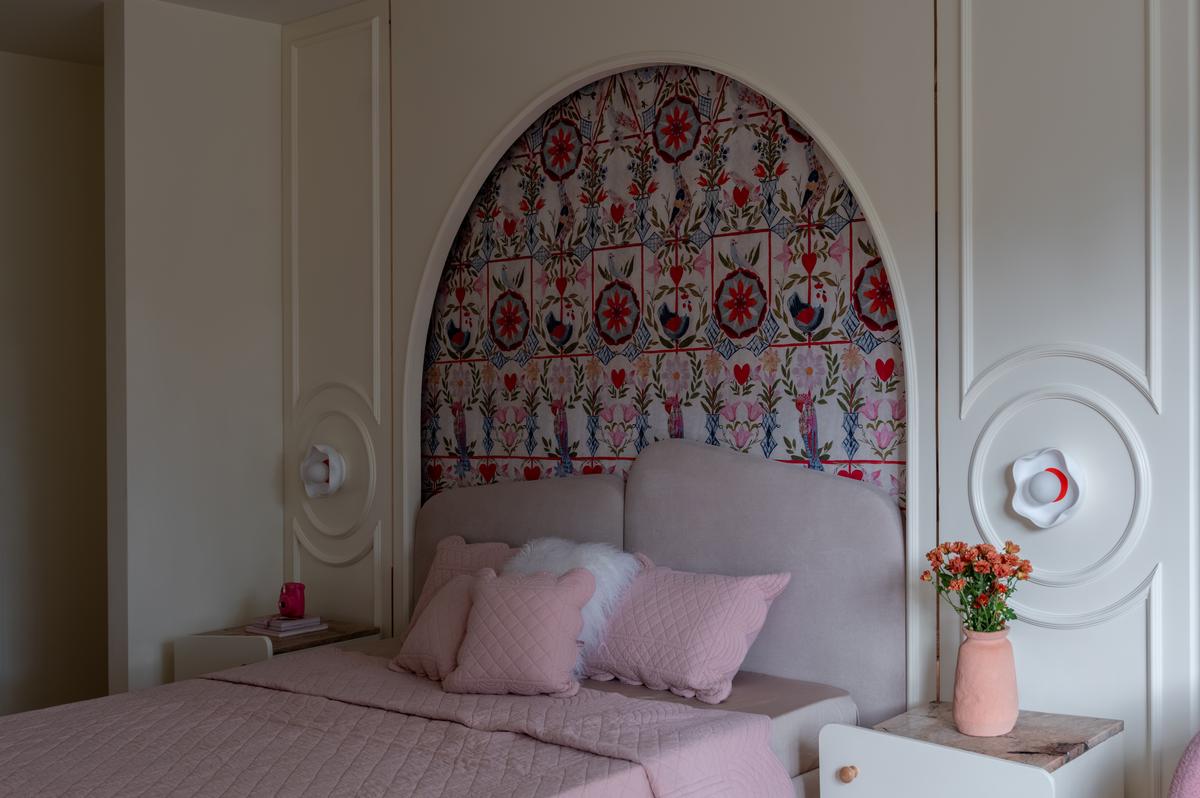
A floral arch becomes the focal point of the bedroom, infusing the space with softness and layered elegance.
| Photo Credit:
Kuber Shah
Soft furnishings, wallpaper, tiles and more
Both florals and geometrics can be seamlessly interwoven throughout various spaces in a home. Dining areas can be elevated with floral tablecloths and geometric-patterned place mats, making meals feel extra special. Entryways and hallways become more welcoming with floral runners or Mughal-patterned artwork, setting an elegant tone right from the word go. Even bathrooms can be refreshed with floral shower curtains or geometric tiles,” says Prarthana Dev, advocacy and business development, Sarita Handa.
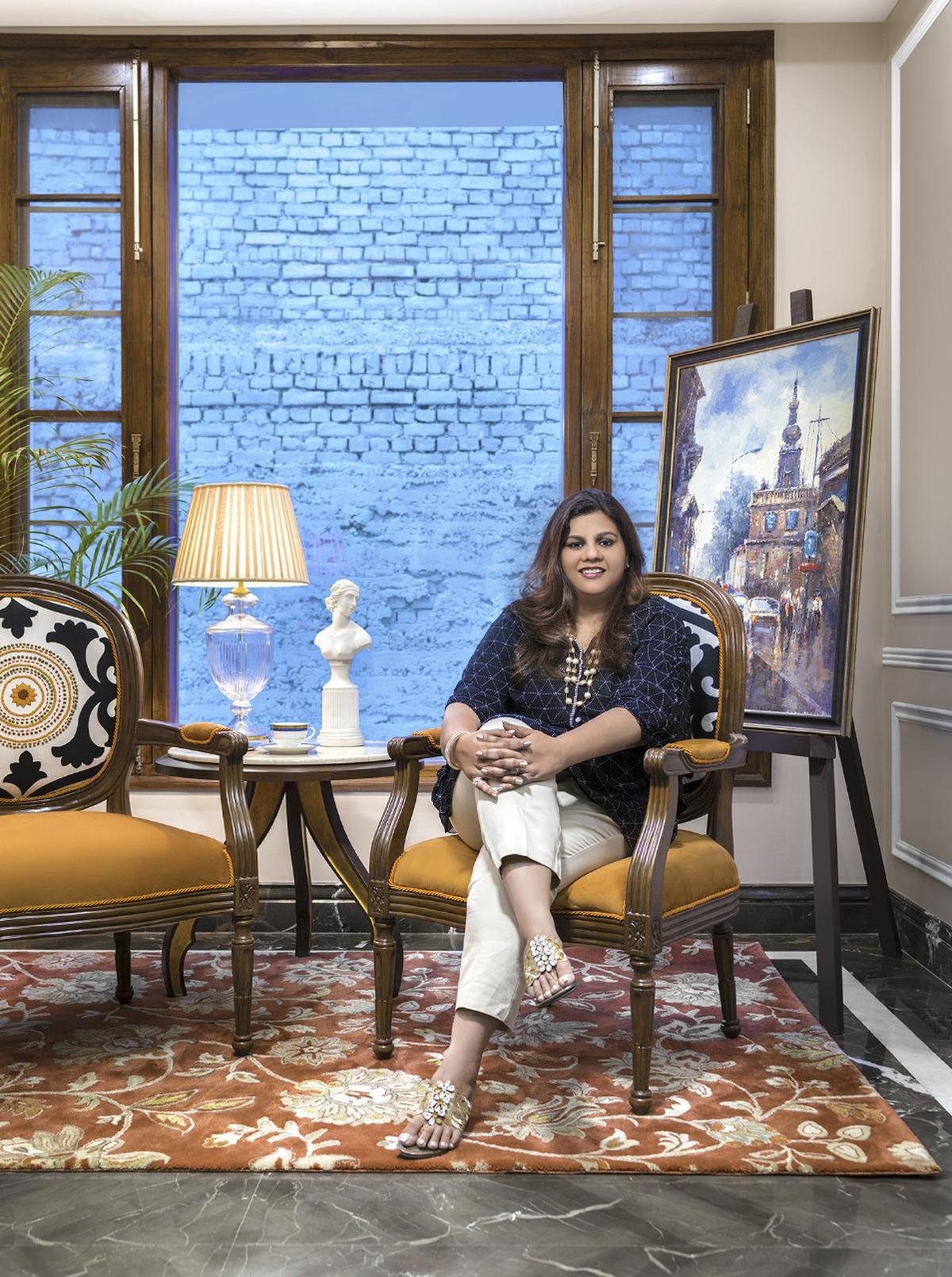
Pooja Gupta.
“For walls, consider wallpaper or even stencilled paint, which can turn a feature wall into a bold statement. Pairing these prints with solids helps create visual balance and prevents the space from feeling cluttered. For a contemporary look, use patterned upholstery on a statement chair or settee, or introduce pattern through accessories like rugs and lampshades. The key is to let one or two pieces take centrestage, and anchor them with solid colours or quieter designs elsewhere,” adds Dev.
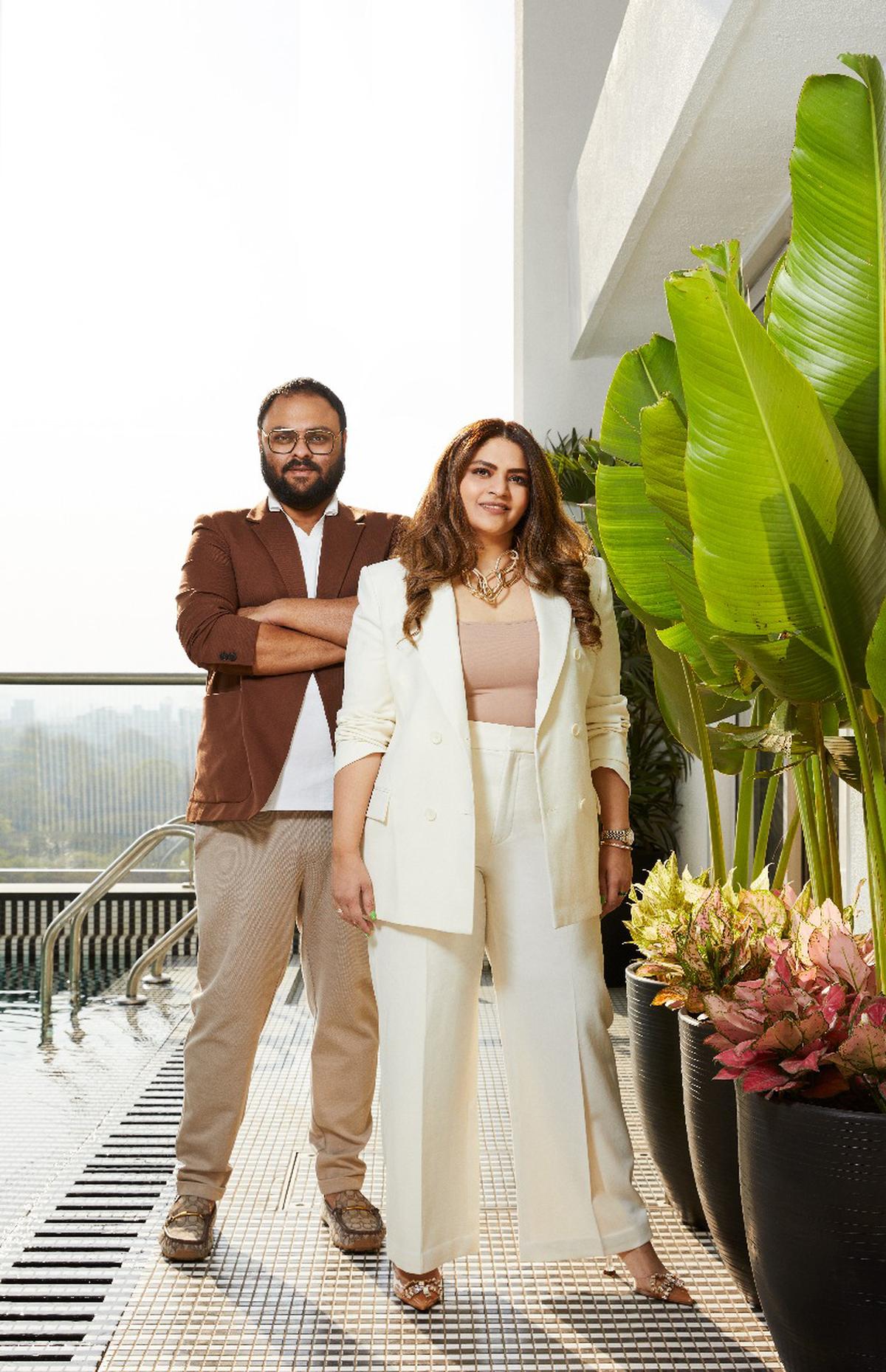
Poonam and Akash Mehta
“A rug with a floral or geometric design can anchor a room, set its mood, and tie together the surrounding elements with ease. Since rugs are tactile and movable, they offer flexibility as you can experiment with scale, colour, and placement to suit different interior styles. More than just decoration, they create a layered foundation that brings warmth, softness, and character into everyday living,” says Saina Takkar, cofounder, Ardhi Looms.
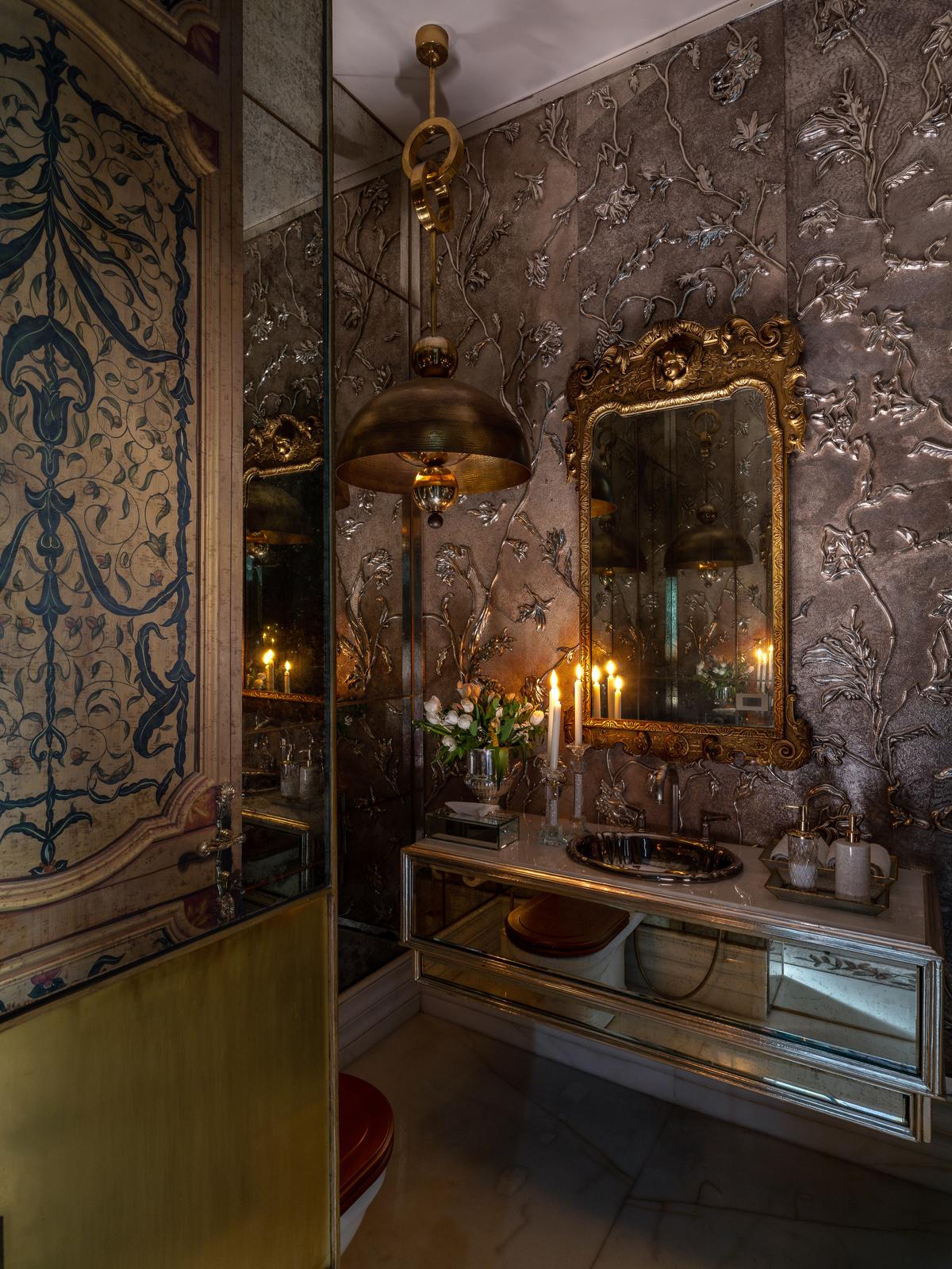
Intricate floral wall textures and gilded accents bring a sense of timeless elegance to this powder room.
| Photo Credit:
Beyond Designs
Balance and layering
When styling with these motifs, balance and layering are key. For example, if your sofa has floral upholstery, keep cushions solid or textured for balance; or use jaali screens or geometric rugs as standout elements, and let the rest of the décor stay minimal. Combine different fabric textures such as linen, raw silk and cotton to add depth.

Saina Takkar
Nature-inspired tones such as dusty rose, sage green, muted indigo, and ochre complement the organic curves of floral motifs. For geometric patterns, palettes using ivory, charcoal, terracotta, jade and soft gold work well. “Pair rich jewel tones like deep emerald, sapphire or ruby with muted neutrals so that the patterns are highlighted. Metallic accents such as gold, bronze, or antique silver can highlight geometric designs or floral details, adding depth and a celebratory touch. Accessories such as ornate candle holders, sculptural vases, or patterned trays complement the motifs and create cohesion,” says Sachin Gupta, co-founder and design principal, Beyond Designs.

Kanika Takkar
Bold patterns need solids and neutrals around them to breathe. “Scale matters too as oversized motifs in a small space can feel overwhelming, while fine details in a large room can get lost. Do not layer too many competing patterns in one zone; let each design have its spotlight. I also like using them in unexpected places like ceilings, alcoves, or even stair risers, where they feel like hidden treasures rather than loud statements,” says Poonam.
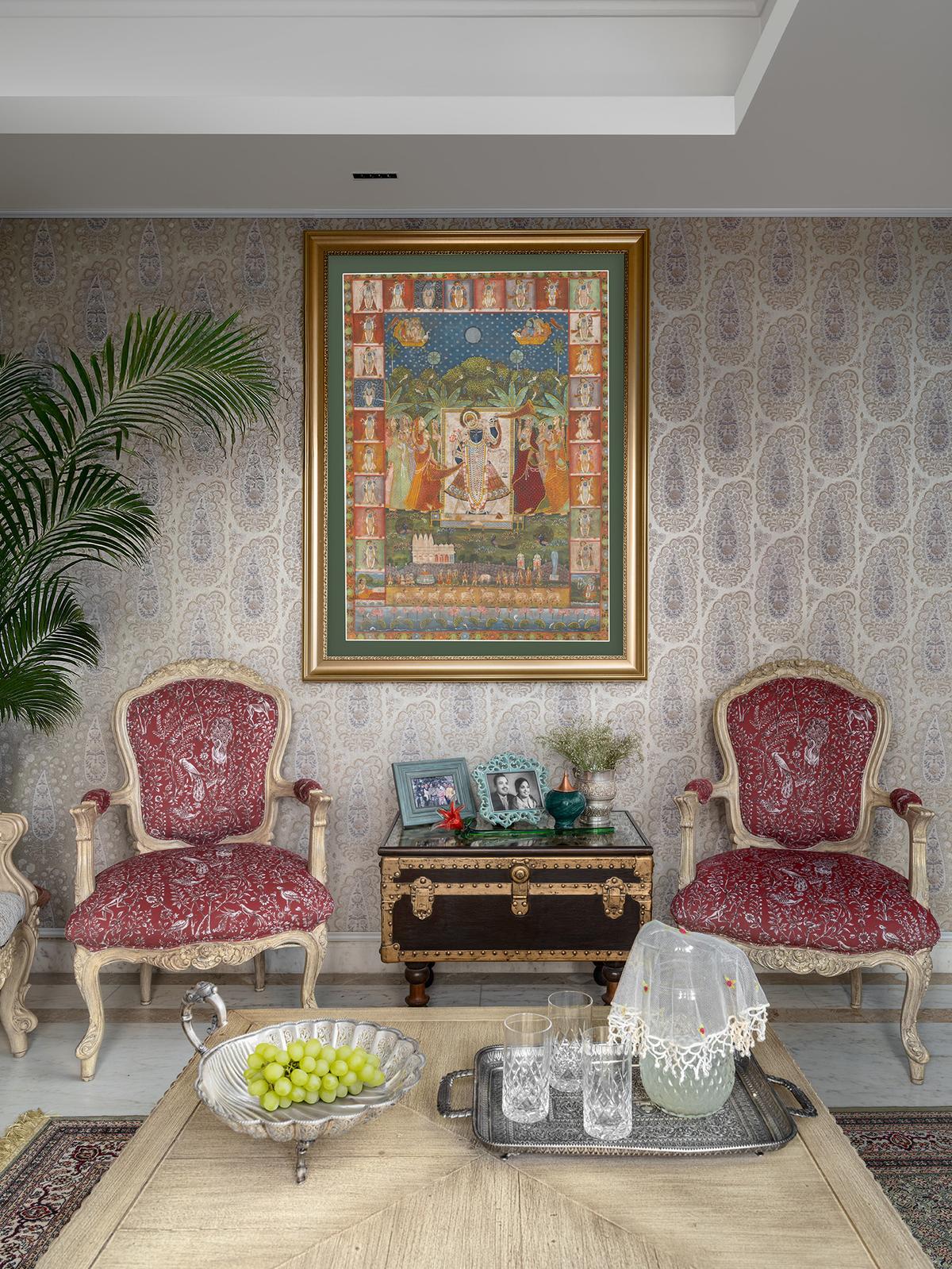
Paisley-patterned wallpaper and block-printed upholstery bring floral and Mughal-inspired motifs into this intimate seating corner.
| Photo Credit:
Deepak Aggarwal
In case of rugs, it is recommended to keep the surrounding elements more restrained so that the design can take centre stage. “Furniture with clean lines or in solid tones complements these motifs well. In case of a big space, a large central pattern often feels more elegant and intentional than scattering smaller motifs everywhere. Brass or bronze objects echo their historic charm, while contemporary glass or wooden pieces can balance the look. Fresh flowers or foliage always heighten the story of floral rugs, almost blurring the line between what is woven and what is alive,” says Kanika Takkar, Cofounder, Ardhi Looms.
Indo-Persian charm
Mughal florals are distinct in the way they merge realism with stylisation. They often depict single, symmetrical flowers — most commonly the lotus, narcissus, tulip, poppy and cypress — arranged in repetitive patterns. These motifs originally appeared in miniature paintings, pietra dura inlay at monuments like the Taj Mahal, embroidered textiles and carved stone jaalis. In contemporary homes, these florals show up on upholstery, wallpapers, ceramic tiles and table linen, lending an instantly recognisable Indo-Persian charm.
Jaalis and stars
Mughal geometric patterns draw from Persian and Islamic design traditions, emphasising symmetry and repetition. Lattice-style jaalis, octagons, hexagons, interlocking stars and complex tessellations were historically carved in stone or painted on ceilings. Today, these motifs translate beautifully into screens, wardrobe shutters, floor tiles, carved headboards and even cane or wooden furniture, adding structure and rhythm to a space.
Preserving history
Several craft studios continue to preserve Mughal techniques in contemporary formats.