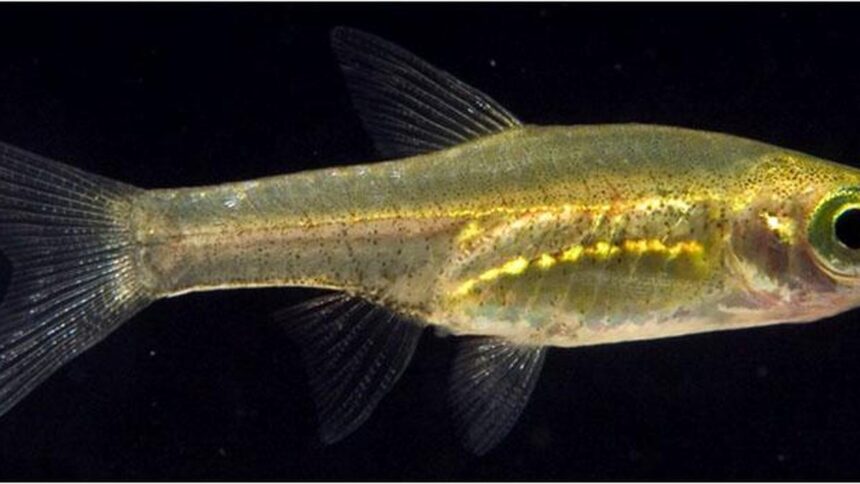




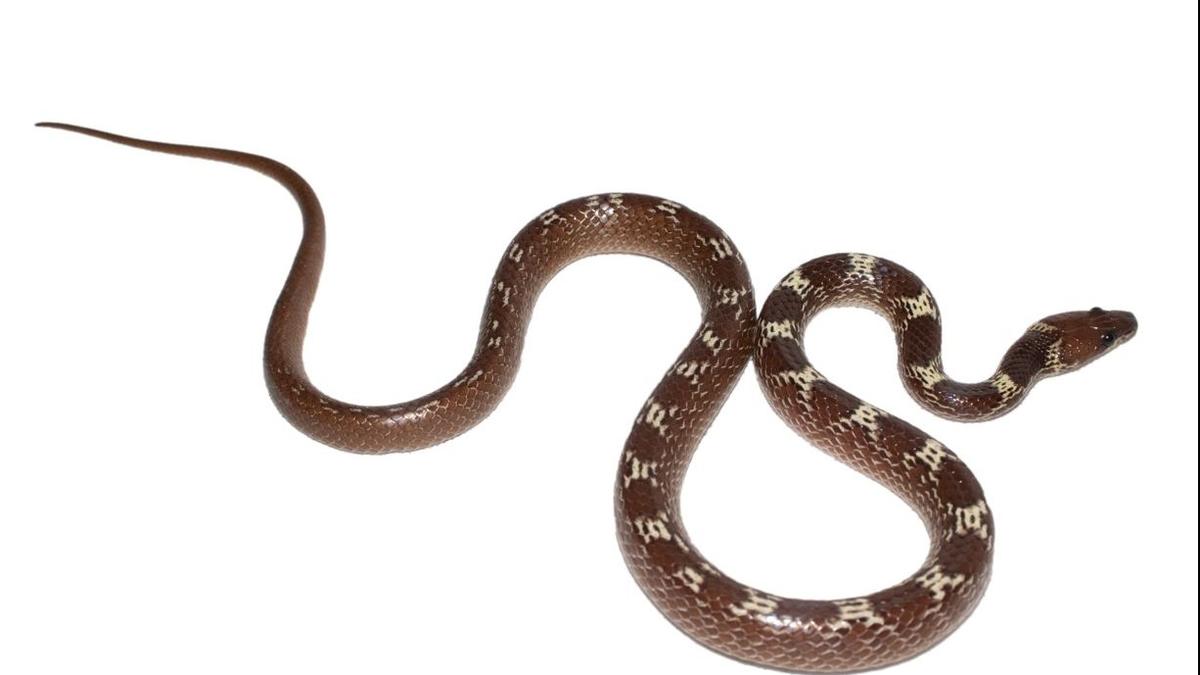

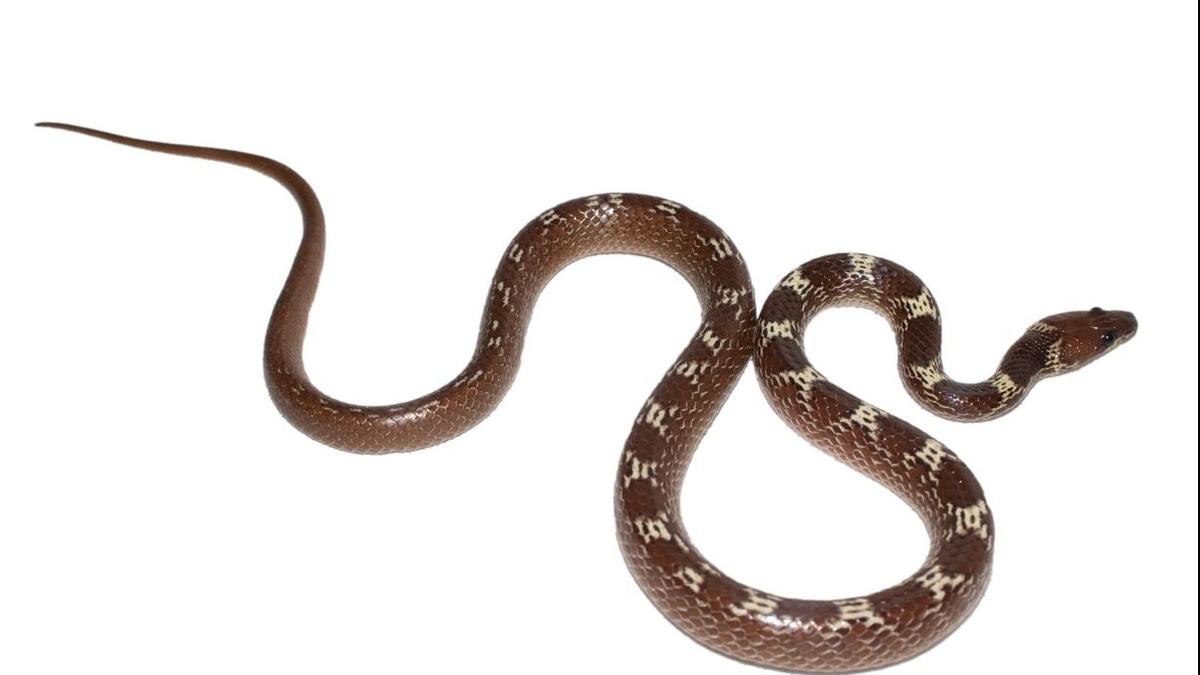
Lycodo Naulicus. Photo: Special Arrangement
GUWAHATI
An average of approximately 25 species of snakes recorded across at least four higher education institutions in India over the last two years has underscored the need for on-campus reptile conservation in a gradually urbanising world.
The latest study on snake diversity was conducted on the Tezpur University campus in north-central Assam’s Sonitpur district. The research yielded 64 snakes belonging to 15 species, representing 18.29% and 2.56% of the total species of Assam and India, respectively.
The study, conducted by Mahari Jiumin Basumatary, Anubhav Bhuyan, and Robin Doley, was published in the latest issue of the Journal of Threatened Taxa. The researchers are with Tezpur University’s Department of Molecular Biology and Biotechnology, and the Department of Environmental Science.
“This level of ophidian diversity on the Tezpur University campus revealed by our study is relatively lower compared to other university campuses where similar studies were carried out,” the researchers noted.
They cited studies conducted on the campuses of Gauhati University in 2023, as well as Chennai’s Madras Christian College and Aizawl’s Mizoram University in 2024.
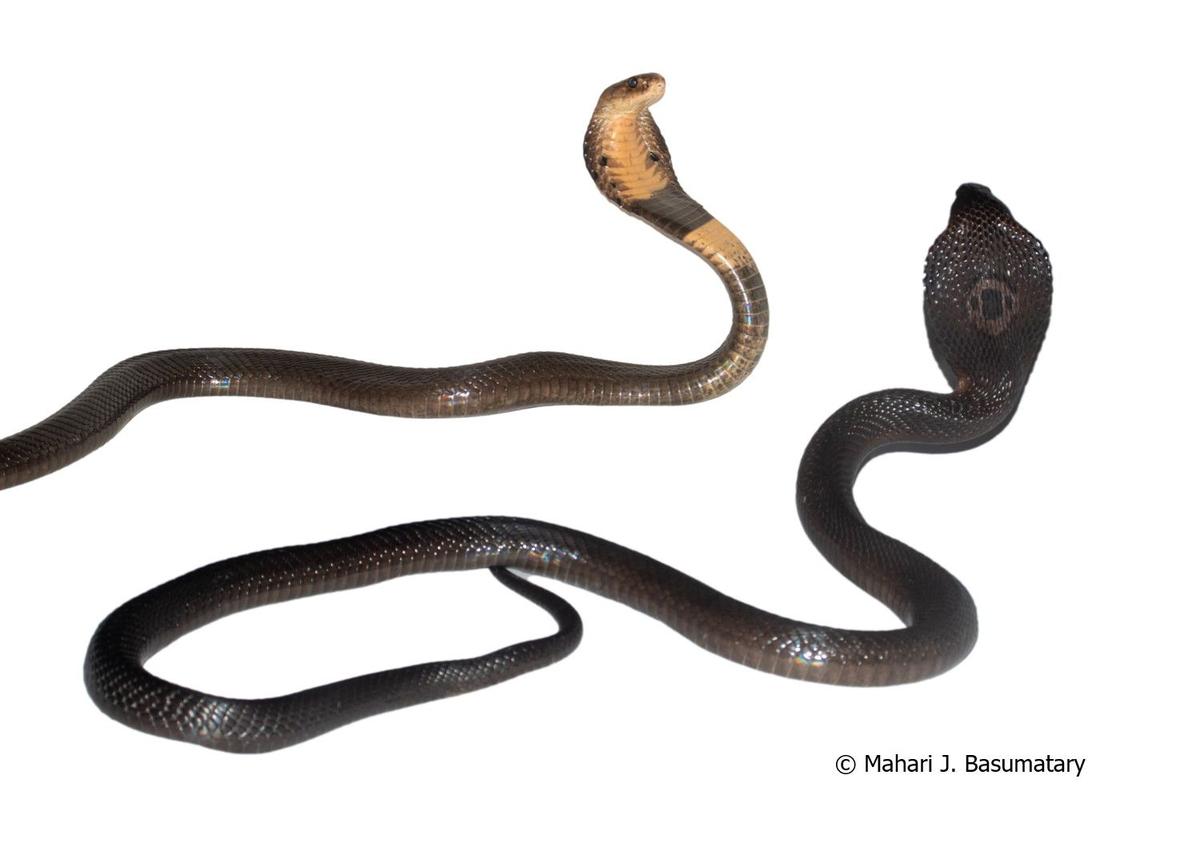
Najaka Routhia. Photo: Special Arrangement
The Gauhati University study yielded 19 species, while 23 and 42 species were recorded during the Madras Christian College and Mizoram University studies. The average number of species across these four higher education institutes worked out to 24.75.
The researchers said the scenario was similar in India’s neighbourhood. For instance, 36 species of snakes belonging to 22 genera and five families were reported from Bangladesh’s Chittagong University campus in 2015.
The Tezpur University campus has an area of 1.6 sq. km. with a green cover of approximately 75%, and water bodies that serve as a home for wildlife, including reptiles. The researchers said the study was prompted by “numerous chaotic incidents of anxiety and fear due to snake sightings”, highlighting the need for the management of snake-human negative interactions.
Of the 15 species recorded, nine belonged to the Colubridae family, three to Elapidae, two to Typhlopidae, and one to the Pythonidae family. Among these, three — Naja kaouthia, Bungarus fasciatus, and Bungarus lividus — were venomous.
“These findings may make a significant contribution to the management of snake-human interactions on campus. In addition, it may serve as a reference for studies of the impact of a gradually urbanising world on snake diversity,” the researchers said.
They noted the shrinking green cover on the campus due to construction activities. They also flagged roadkill as a major challenge for the coexistence of herpetofauna on the Tezpur University campus.
Published – November 01, 2025 04:15 pm IST