



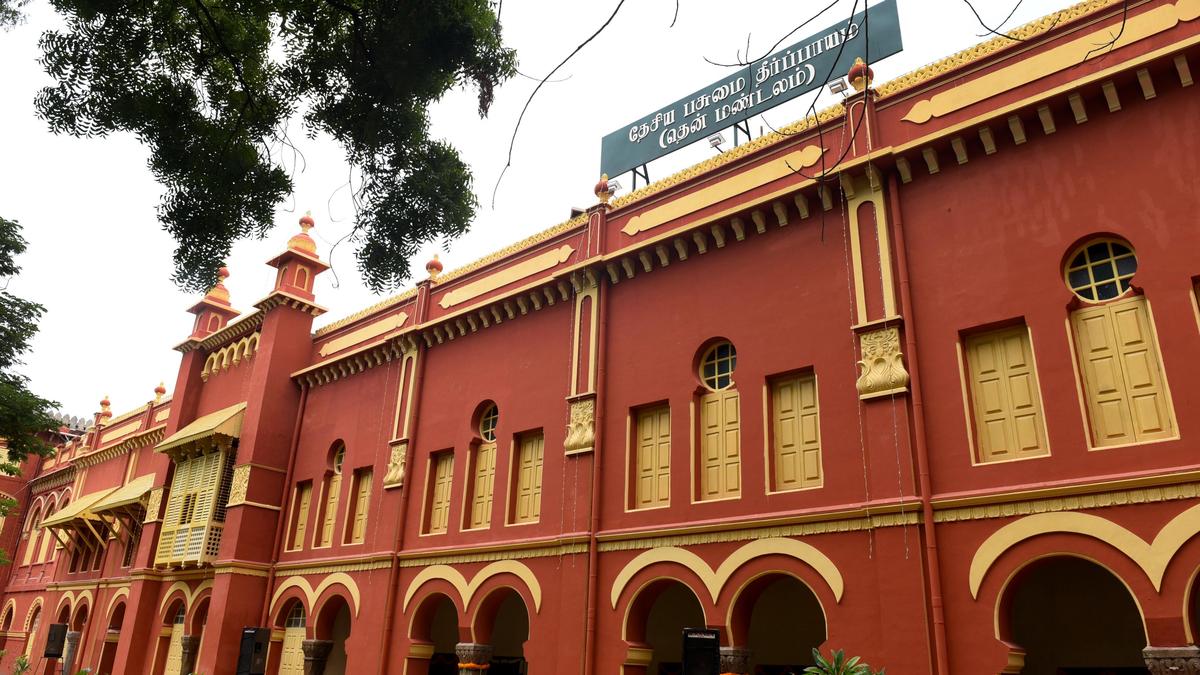

The Bench warns that in densely populated areas, where ageing water pipelines run close to open drains, the risk of cross-contamination is constant, especially during floods or heavy rain.
| Photo Credit: M. PRABHU
The Southern Bench of the National Green Tribunal (NGT) has directed the authorities concerned to complete underground sewerage projects and strengthen water quality monitoring in Tambaram, following its inquiry into the deaths of three people and the hospitalisation of 20 others allegedly due to consumption of contaminated drinking water in December 2024.
The tribunal took suo motu cognisance of media reports linking the incident on Mariamman Koil Street near Pallavaram to polluted water from public taps close to sewage lines. The case, initially registered by the NGT’s Principal Bench in New Delhi, was later transferred to Chennai.
Delivering its judgment on November 7, the Bench, comprising Justice Pushpa Sathyanarayana and expert member Prashant Gargava, noted that although laboratory tests and post-mortem results did not conclusively attribute the deaths to contaminated water, the incident revealed long-standing weaknesses in Tambaram’s civic infrastructure.
The Bench observed the city’s rapid urban growth since its upgrade to a municipal corporation in 2021 had not been matched by adequate investment in sewerage and sanitation facilities. Only 38 of Tambaram’s 70 wards are covered by underground sewerage, 11 wards are under construction, and 21 remain without such systems. The Bench warned that in densely populated areas, where ageing water pipelines ran close to open drains, the risk of cross-contamination was constant, especially during floods or heavy rain.
The NGT directed the Tamil Nadu Water Supply and Drainage Board and the Tambaram City Municipal Corporation to complete ongoing sewerage works in Pammal and Anakaputhur and begin implementing the ₹3,555.8-crore plan to extend the system to the remaining wards. Quarterly progress reports are to be filed with the Tamil Nadu Pollution Control Board (TNPCB).
It instructed the TNPCB to conduct regular water quality audits and the State government to ensure timely fund release and prioritise health surveillance and public awareness in vulnerable areas.
Published – November 11, 2025 07:33 pm IST