



Tamil composer and musician Papanasam Sivan offers a poignant glimpse into his early life in Thiruvananthapuram in his memoirs, recalling the difficult years after his father’s death. During this period, he worked at the Ootupurai, the traditional feeding house where Brahmins were served free meals.
“My mother, who was sixty, suffered from a severe stomach ache. The food served at the Ootupurai did not suit her. I felt that no work was beneath my dignity, so I took up the job of a cook there, earning ten rupees a month to feed her,” he writes in Yenathu Ninaivu Kadal (My Ocean of Memories).
Sivan describes how the long and strenuous days began with filling large tanks with water for cooking, followed by grating more than a hundred coconuts, and finally serving meals to the visitors. Only after completing these demanding chores would he allow himself the pleasure of listening to Harikatha.
Ootupurais were once a familiar institution across southern Travancore and Kanniyakumari district which remained part of Kerala until 1957. In many ways, Ootupurais were the predecessors of the present-day Annadhana (food donation) scheme now followed in major Tamil Nadu temples overseen by the Hindu Religious and Charitable Endowments (HR&CE) Department.
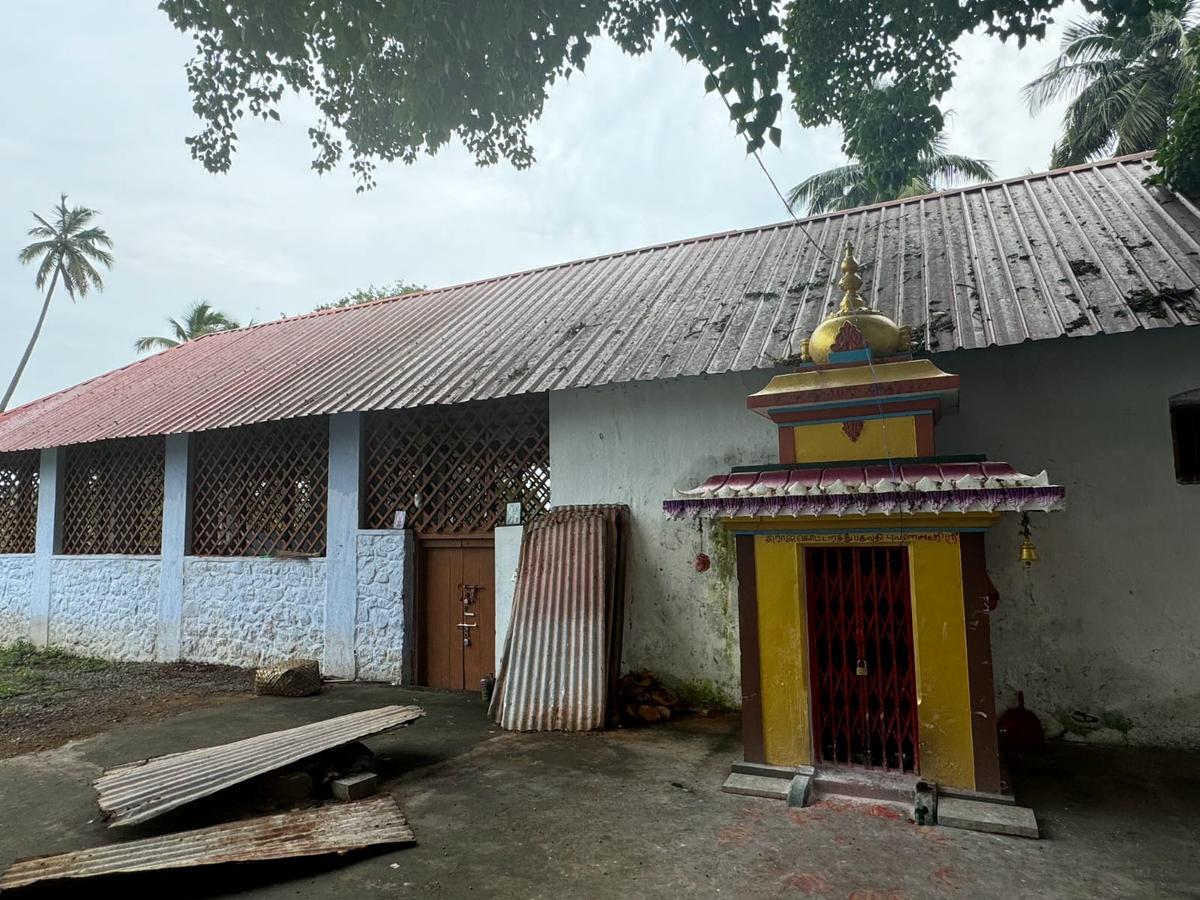
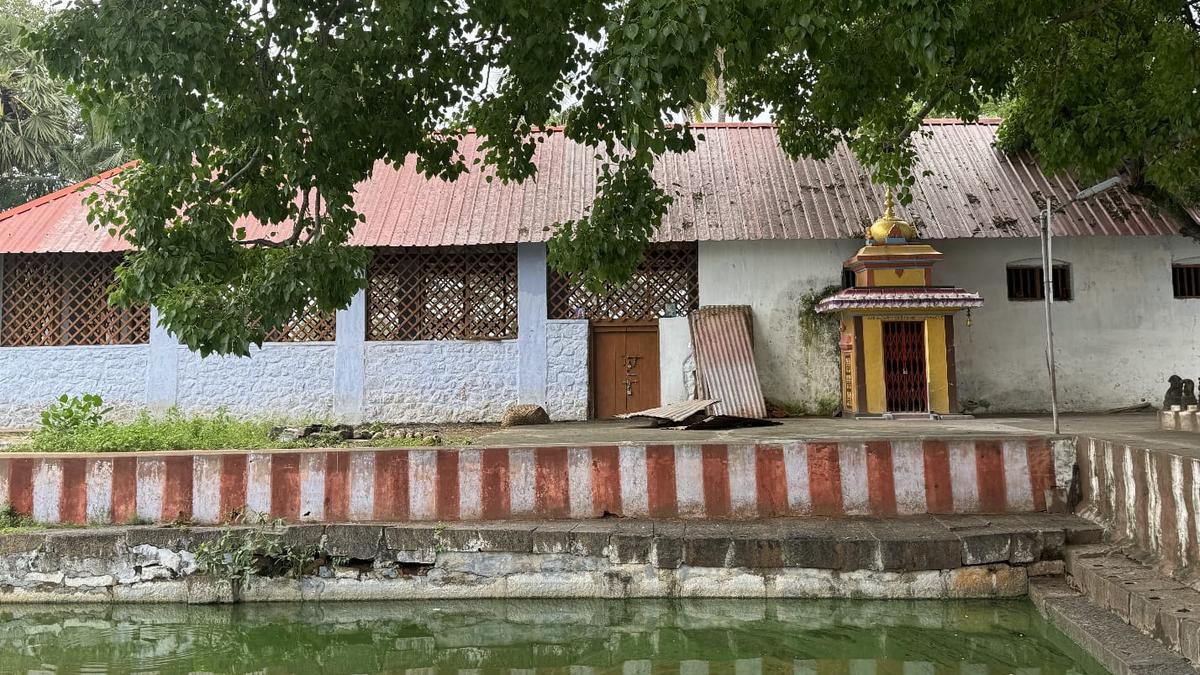
‘Ootupurai’ at Parakkai Mathusoothanaperumal temple in Kanniyakumari district
| Photo Credit:
Shankari Nivethitha B.
Many temples in the region maintained dedicated feeding houses for Brahmins, a system extensively documented by historian K.K. Pillai. Yet, the practice was not confined to a single community: the Kanjipurais offered simple gruel to the poor across caste lines, reflecting a parallel tradition of charity and care. Pilgrims from North India were also regularly given rice. Although the British administration ordered the discontinuation of the Ootupurai system in 1922, it survived in several temples long after the decree.
“It continued well into the 1970s at the Padmanabhaswamy Temple in Thiruvananthapuram. Non-Brahmins too, were able to receive rice and other provisions. Lord Curzon may have mocked the system, but the then Travancore king, Moolam Thirunal, firmly defended this age-old institution,” notes historian M.G. Sashibooshan.
Historian K.K. Pillai, author of The Suchindram Temple, adds that the Ottupurai at the Suchindram temple was established in 1772. There, free food was offered to Brahmins twice a day throughout the year—a testament to the temple’s enduring commitment to hospitality and religious duty. According to him, Bala Marthanda Varma, the maker of modern Travancore, evidently aimed at continuing the glorious tradition of the ancient Chera kings. “This kind of charity has always been one of the titles of the Chera monarchs to fame, beginning from the days of Perumchottrudayan of the Sangam age,” he says.
The system was so popular that when Col. Munro, the Resident Dewan, ordered the assumption of major temples and their properties in 1812, feeding in the Ootupurais was not discontinued. On the contrary, evidence shows that under his vigilant supervision, the administration of this charitable activity was regularised, and wastage and corruption carefully checked. It was ordered that no one, whether a native of Suchindram or an outsider, was to be fed for more than three days at a stretch. Temple records show a substantial increase in beneficiaries: in 1842, a total of 86,728 Brahmins were served food.
In Thiruvattaru Adikesava Perumal temple, almost 600 kg of rice was cooked on a daily basis and the biggest ootupurai in Kanniyakumari district, that served hundreds of Brahmins, remains intact in the temple.
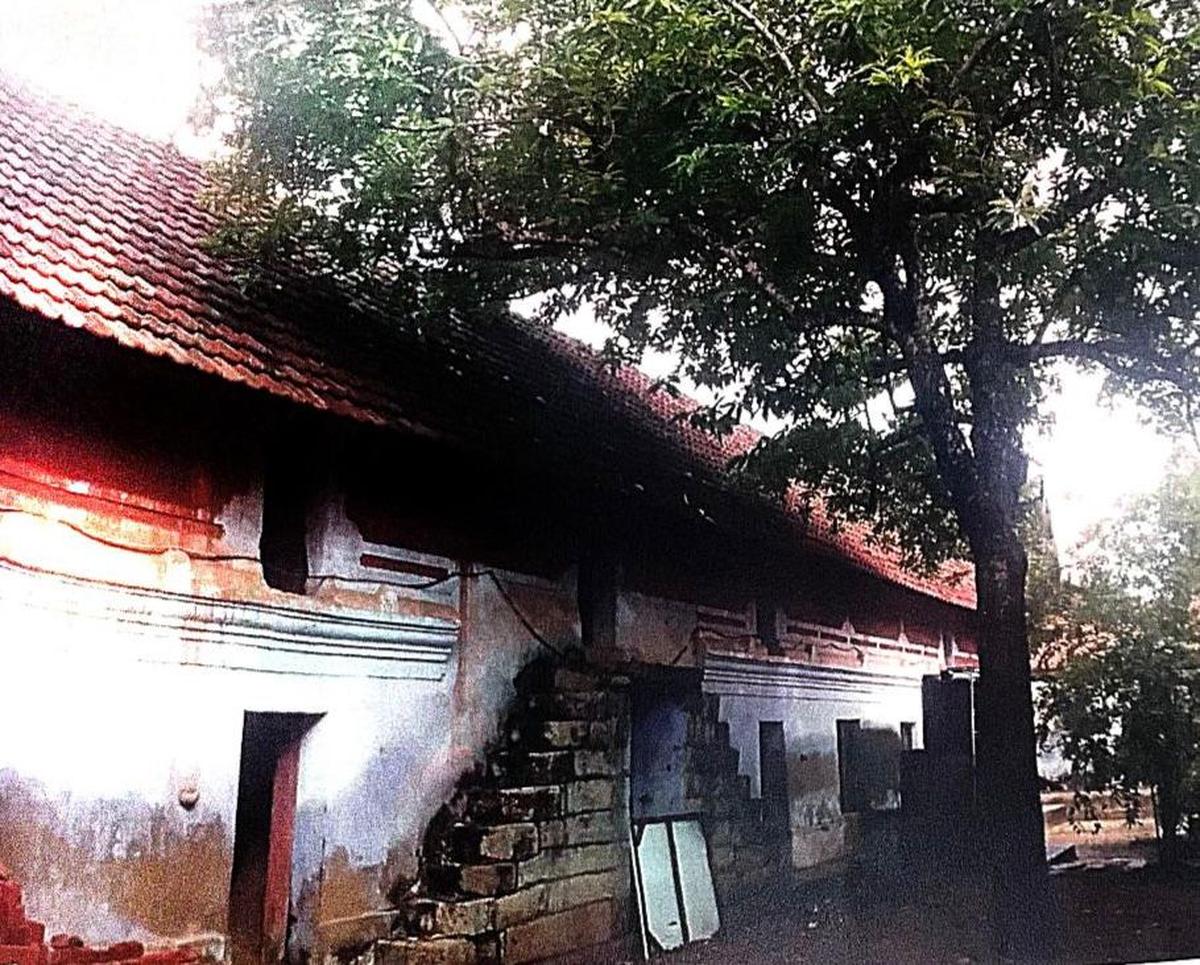
‘Ootupurai’ at Adikesava Perumal temple in Thiruvattaru.
| Photo Credit:
Special Arrangement
The system was partially discontinued in 1911 as a measure of retrenchment. “Therefore, the Gosayis, a class of North Indian pilgrims, were given a fixed quantity of rice per head, and a limited number of other bona fide pilgrims were fed by the temple authorities. It was in August 1922, with the organisation of a separate Devasam Department, that the Ootupura was completely closed,” writes Pillai.
However, what continued to benefit the poor and temple employees was the vast quantity of food (kattichoru) offered as neivedyam. Nearly 90 per cent of the cooked rice was sold to the poor at a nominal price. Employees who received the food often sold the surplus to others, earning additional income. “On average, well over 600 persons subsist upon this food alone. Thus, this has proved to be an unostentatious but nevertheless substantial institution of public charity,” Pillai notes.

A.K. Perumal, author of Then Kumariyin Kathai (The story of Kanniyakumari), says the system of distributing kattichoru to employees was prevalent in almost all temples in the Kanniyakumari district. “Red raw rice was cooked in temples. Employees were given kattichoru depending on their role in the temple. Sweet pongal would be given on Saturdays and festival days. Every temple had a large collection of copper vessels for cooking and granite tanks for keeping buttermilk. The quantity of kattichoru increased during festival days,” he says.
Mr. Perumal notes that as Kanniyakumari temples continued Kerala’s ritual traditions even after the region’s merger with Tamil Nadu, the system of serving kattichoru also continued and proved a boon to temple employees. But, it too was discontinued in 1966.
Published – November 26, 2025 05:30 am IST