



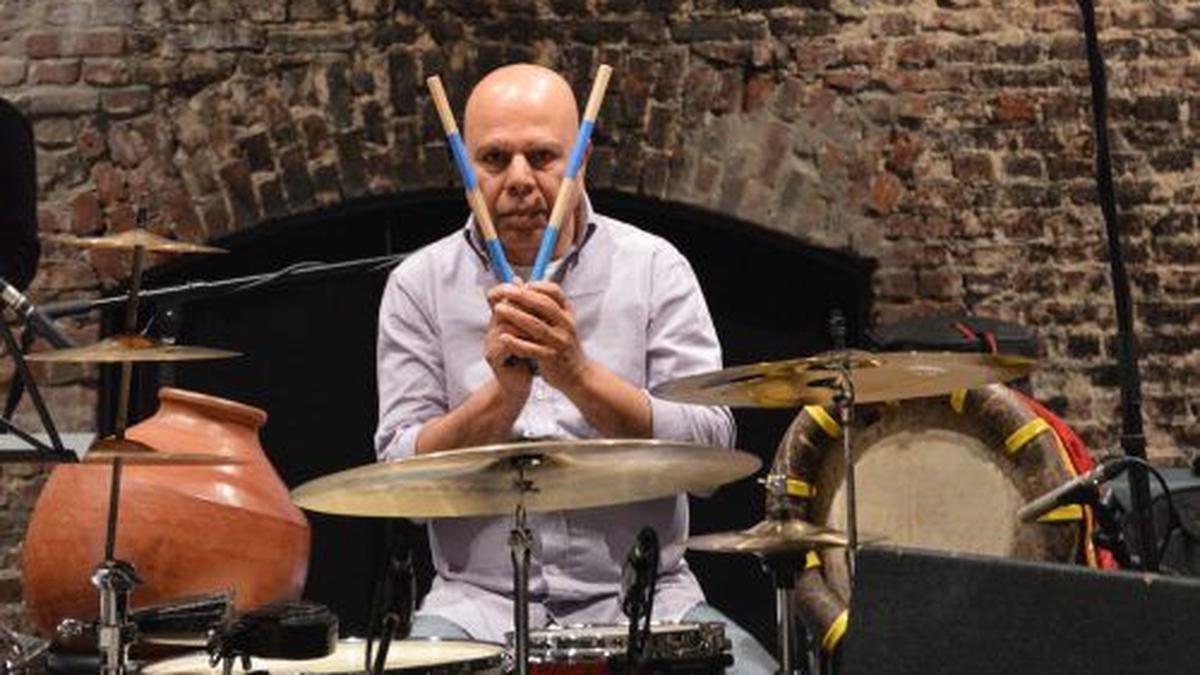

In the 1970s, Ramesh Shotham made news as a drummer of the Bengaluru rock-band Human Bondage. He later learnt the Carnatic percussion instrument thavil, before moving to Cologne, Germany.
The Chennai-born musician has now recorded his new album ‘Weirdly In Time’, set to release on November 28 on Papercup Records. Two singles — ‘Morsing Madness’ (featuring the Carnatic mouth harp, and ‘In Plain Sight’ (a contemporary take on Kabir’s ‘Moko kahaan dhoonde re bande’, are already out on streaming platforms.
Ramesh is also gearing up for ‘A Tribute To Human Bondage’, a series of concerts put up by the band’s former vocalist, Henry Babu Joseph with flautist Rajeev Raja and his group, in Bengaluru, Goa and Mumbai in January and February 2026. Ramesh will join-in on some shows along with his brother, Human Bondage guitarist Suresh Shotham, and the band’s former vocalist Radha Thomas.
For ‘Weirdly In Time’, Ramesh has looked at production with his son Keshav Purushotham and drummer Niklas Schneider, who comprise the band Keshavara. It features members of Ramesh’s group: Madras Special — violinist Zoltan Lantos, bassist Raza Askari and guitarist Sebastian Muller. Ramesh’s brother, Naresh Purushotham, chips in as a guest on the veena, and his niece Sahana Naresh and nephew Kailash Srinivasan, contribute with vocal inputs.
Ramesh says the title for the album came spontaneously to him because “we find ourselves globally in ‘weird times’. But, the word ‘time’ also denotes rhythmic time. It was also the right time in my career to do something musically with my son and bring in other family members.”
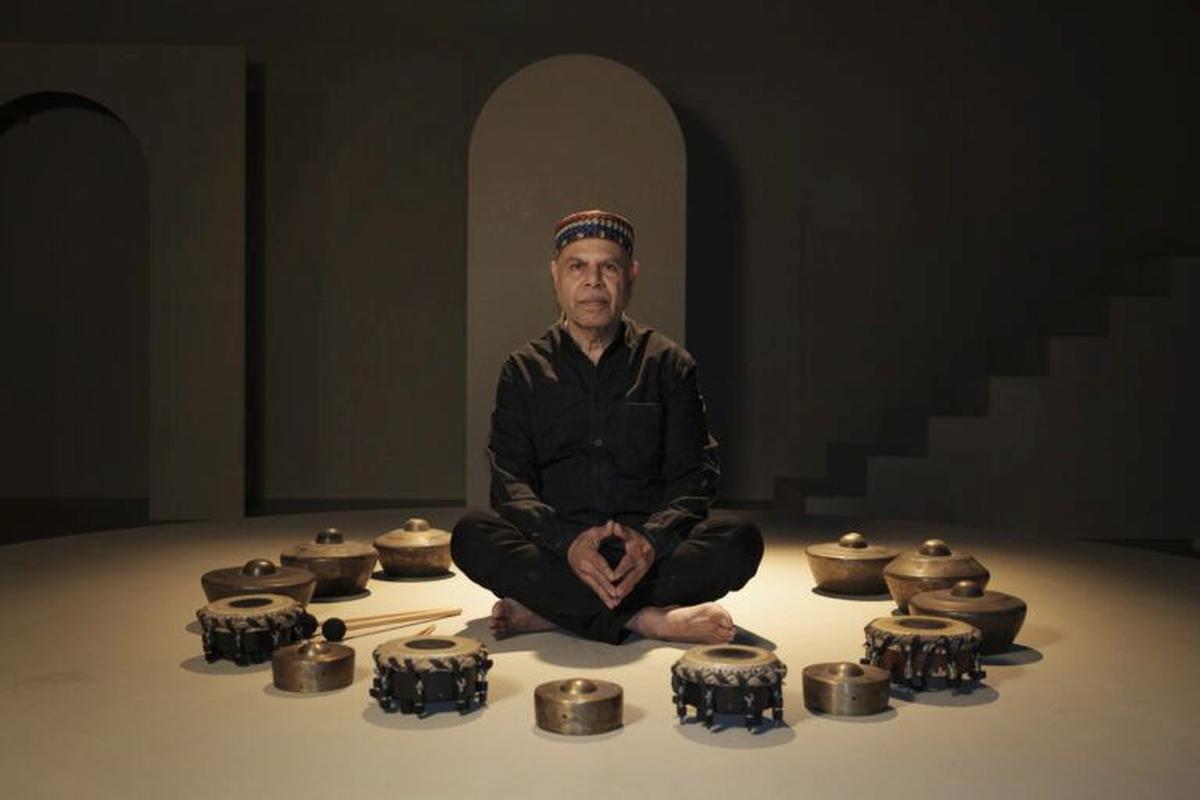
Ramesh has roped his family members for his album ‘Weirdly In Time’.
| Photo Credit:
Courtesy: Ramesh Shotham.org
Keshav began by learning rhythms from his father, after which he took guitar lessons from his uncle Suresh. In Cologne, he learnt classical guitar, before venturing into composing and production.
Ramesh also adds that he is happy with the way old-timers still talk of Human Bondage, which performed gigs across India between 1970 to 1976. “Since the beginning of social media, there has been a lot of reminiscing by ex-colleagues and fans.”
Ramesh’s early influences include the Beatles, Rolling Stones, Led Zeppelin, Jimi Hendrix and other rock acts. After attending a concert of Pt Ravi Shankar and hearing records of John McLaughlin’s Mahavishnu Orchestra, he was drawn to Indian classical music and jazz and learnt thavil from K.P. Ramu in Chennai.
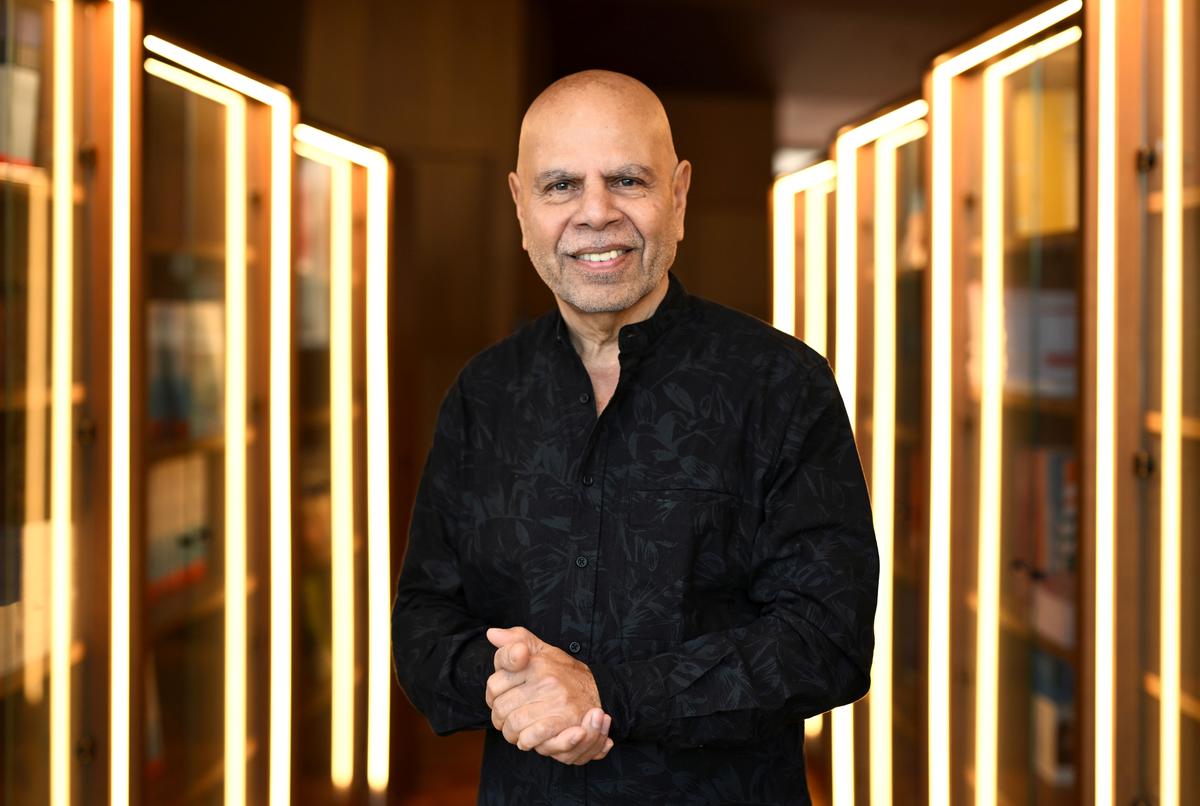
Ramesh Shotham was drawn to the sound of the thavil after hearing it at a temple festival.
| Photo Credit:
VOLKER BEUSHAUSEN
He recalls, “As a rock drummer, in search of an Indian percussion instrument to augment my sound, I studied the tabla and pakhawaj first, but found the sounds didn’t gel well with the drumset. On one of my trips back home to Chennai, the sound of the thavil at a temple festival was an epiphany. This instrument became part of the unique sound I was looking for as a drummer/ percussionist. I’m probably the only one playing thavil in the global/ jazz fusion genre.”
In Germany, Ramesh collaborated with the Munich krautrock band Embryo, Lebanese oud player Rabih Abou Khalil, American jazz pianist Carls Bley and American jazz saxophonist Charlie Mariano. He says, “Embryo was famous in the 1970s as one of the prominent ‘krautrock’ bands. But they evolved into one of the first bands to experiment with Arabic, Indian and African music and were in the vanguard of musicians to create the genre called world music. I learnt a lot while on-the-road with them about how the music scene in Europe functioned.”
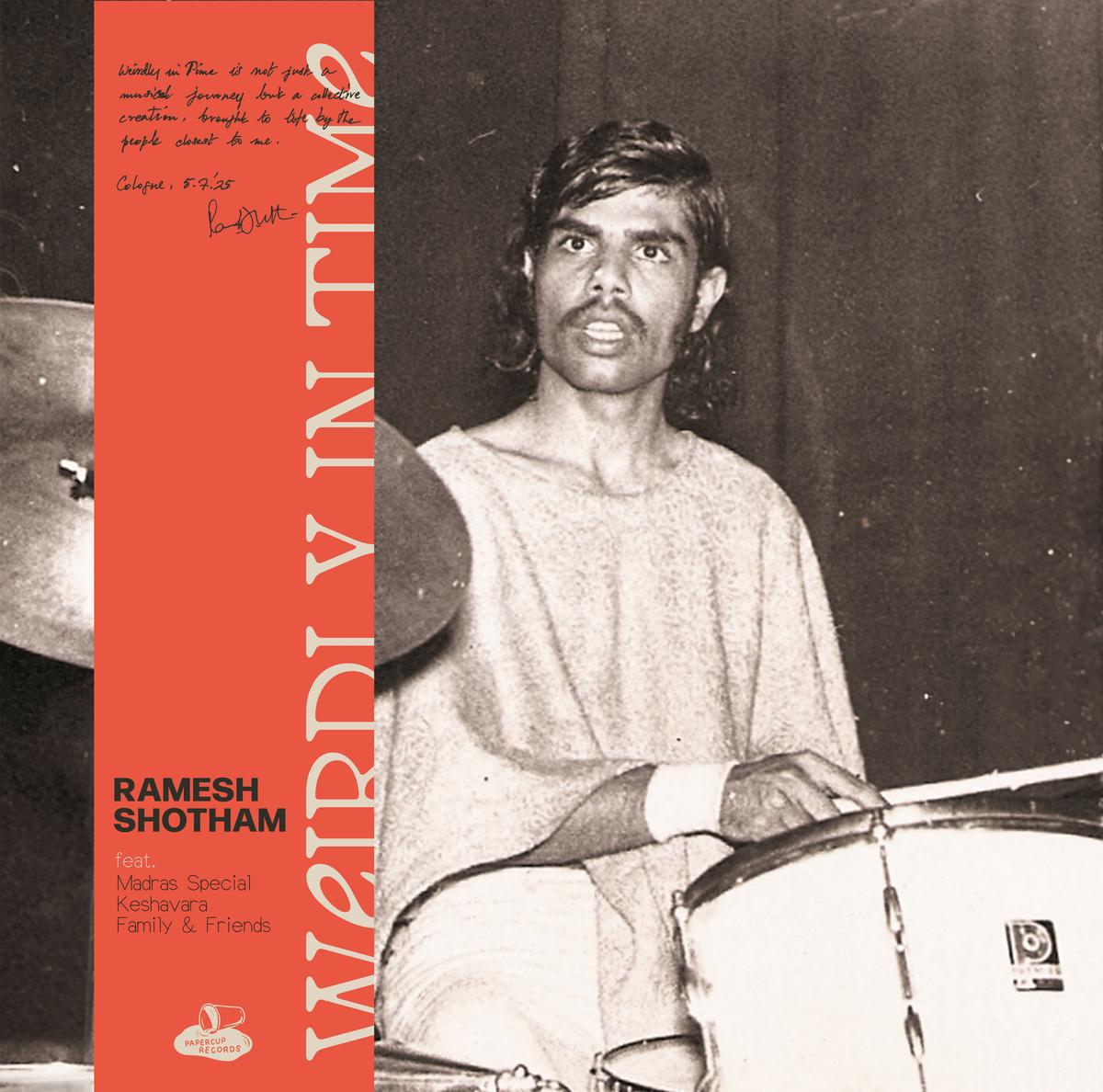
The album cover
| Photo Credit:
Special Arrangement
Similarly, Mariano became a mentor to him. He points out, “It was an honour to perform in hundreds of concerts with various bands with him. Charlie came from the big band and bebop era and then discovered Indian music, which he fell in love with. His work with the Karnataka College of Percussion is legendary and has been well-documented.”
After many albums and shows across genres, Ramesh feels ‘Weirdly In Time’ holds a special place in his musical journey. “After playing for 50 years, I still feel like a student of rhythm. Music keeps surprising me and teaching me. Every collaboration reminds me that creation is never solitary, but shared. ‘Weirdly in Time’ is that idea made real, a collective pulse shaped by family, friendship and by time itself.”
Published – November 11, 2025 06:01 pm IST