


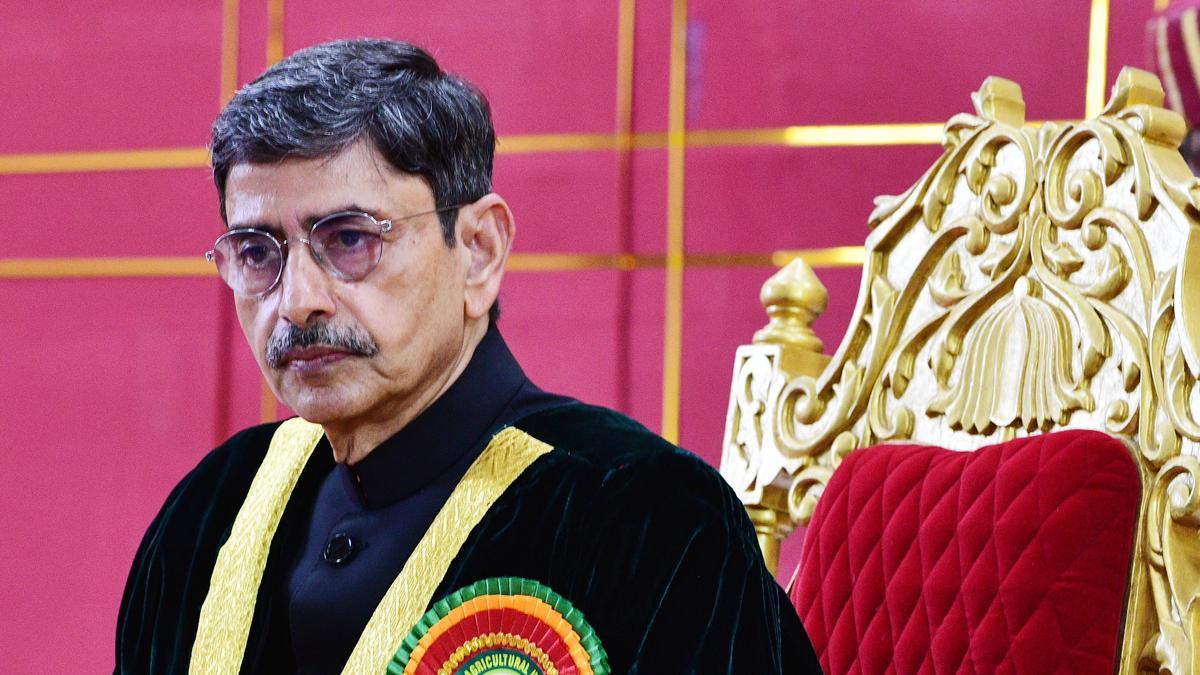

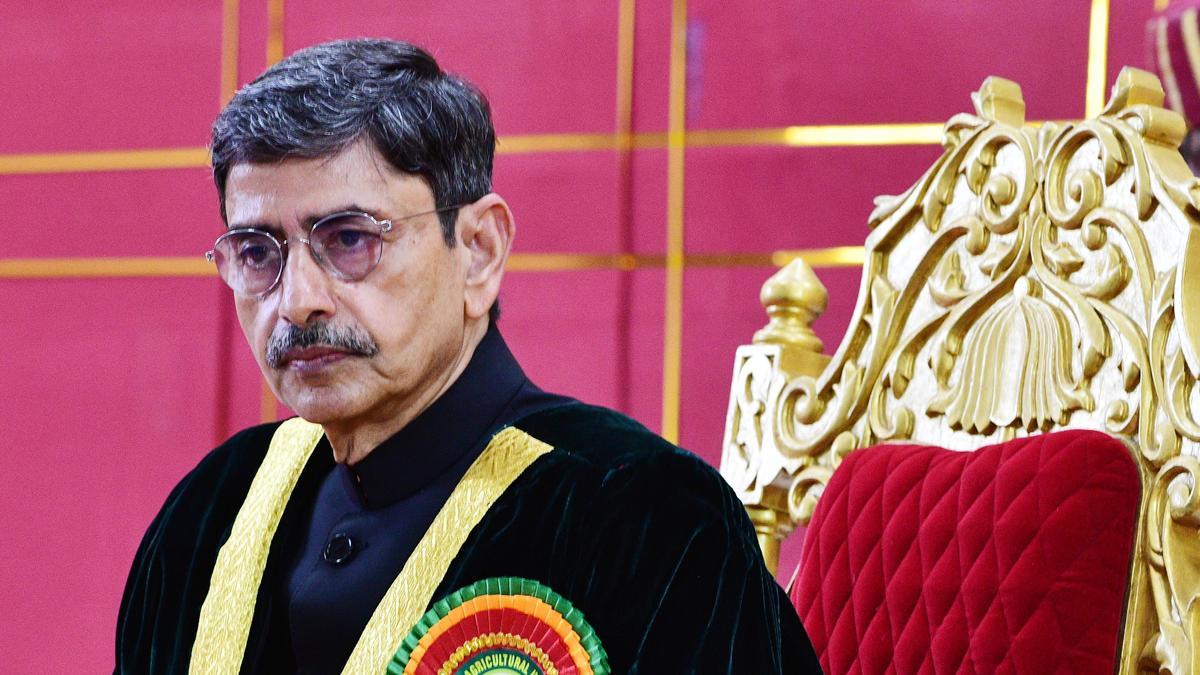
Tamil Nadu Governor R.N. Ravi. File
| Photo Credit: The Hindu
The two-month long hearings in the Presidential Reference saw the five-judge Supreme Court Bench headed by Chief Justice of India B.R. Gavai repeatedly clarify that it is not sitting in appeal over an April 8 judgment in the Tamil Nadu Governor case nor is it planning to overrule the two-judge Bench verdict.
The President had invoked the advisory jurisdiction of the Supreme Court under Article 143 of the Constitution to seek an opinion on 14 questions, including whether the apex court could “impose” timelines and prescribe the manner of conduct of Governors and the President under Articles 200 and 201 while dealing with State Bills sent for assent or reserved for consideration, respectively.
Presidential Reference verdict LIVE
Incidentally, the Reference was issued merely a month, on May 13, after a Division Bench headed by Justice J.B. Pardiwala set three-month timelines for the President and the Governors to clear State Bills. The Bills would ‘deemed’ to have got assent if three months passed without any word from the two high Constitutional authorities.
“We will only be expressing our view on the questions of law raised in the Reference, and not pronounce a judgment in the Tamil Nadu case,” Chief Justice Gavai had addressed the Centre and Attorney General R. Venkataramani, who were supporting the Reference.
The hearings which followed this comment made it clear that the Supreme Court had no intention to remain a mute spectator in the face of Governors or the President delaying State legislations. The court underscored, time and again, that competent State legislatures cannot be made defunct and democratic will of the people cannot be thwarted by Governors sitting on Bills for years together.

On August 20, the second day of the hearing, Chief Justice Gavai said elected State governments cannot be left to the mercy or whims and fancies of Governors, who sit endlessly over Bills sent to them for assent.
The next day, the Chief Justice reminded the Centre again of the powers of the Supreme Court as a custodian of the Constitution.
“When this Court could set aside the very Constitutional Amendment [The Forty-second Constitutional Amendment Act of 1976], which had limited the power of judicial review as a violation of the Basic Structure, are you saying this court is powerless in the face of inaction by a Governor?” the Chief Justice had asked the Union government.
Editorial | Constitutional clarity: On hearings on the Presidential Reference
On August 26, the Chief Justice came back with another question at the Centre, asking if the Supreme Court could review a Governor’s recommendation for President’s rule under Article 356, what stopped it from examining the conduct of a Governor sitting on crucial State Bills for years together. Tamil Nadu Governor R.N. Ravi had set on 10 re-passed State Bills for five years, leading to the April 8 judgment.
The Court backed up its earlier observations on September 2, with multiple judges on the Bench remarking that Governors could neither delay the wisdom of the legislature indefinitely nor impede the functioning of the Constitution. “No organ can impair the functioning of the Constitution,” Justice P.S. Narasimha, one of the five judges, said.
On September 9, Chief Justice Gavai said Governors were meant to be “true guides and philosophers” rather than a stumbling block for State governments.
As a parting shot on the final day of the hearing on September 11, before the Reference was reserved for opinion, the CJI addressed the Union government with a telling remark: “If one wing of democracy fails in the discharge of his duties, do you think the Supreme Court, which is the custodian of the Constitution, would sit idle?”
Published – November 20, 2025 11:04 am IST