




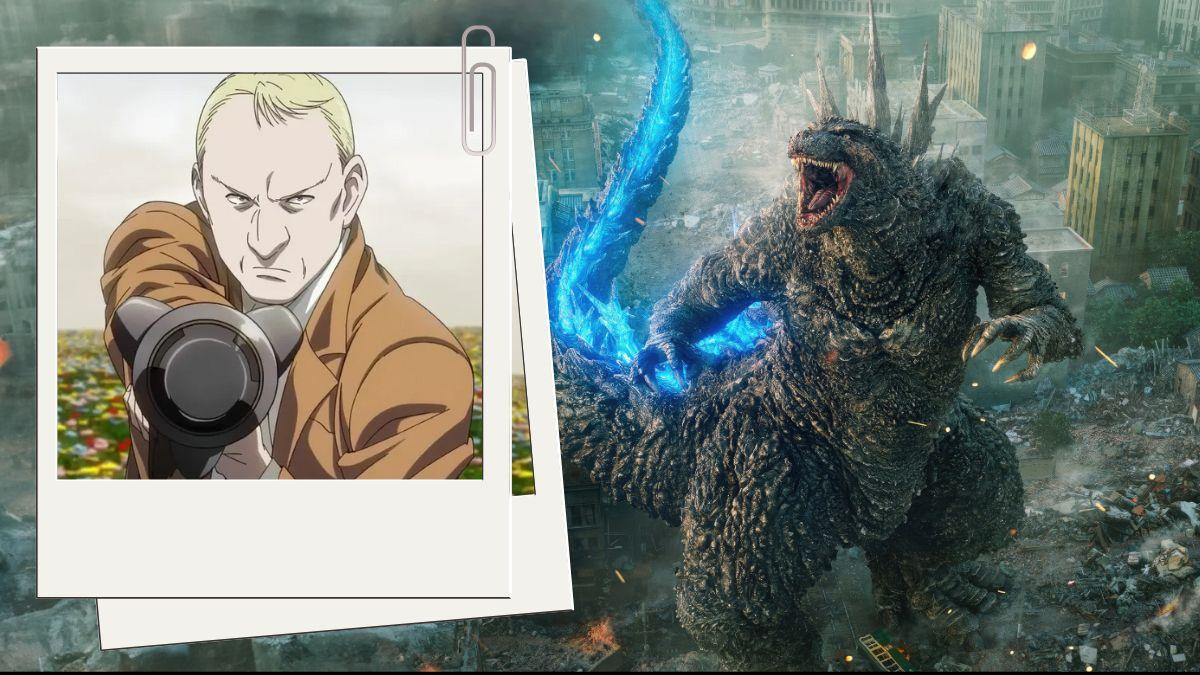

Stills from ‘Pluto’ and ‘Godzilla: Minus One’
| Photo Credit: Netflix, TOHO
Whether you’re an old hand at arthouse or just dipping a toe into the rising otaku subculture of anime aficionados around the world, this column lists curated titles that challenge, comfort, and occasionally combust your expectations.
This week’s picks are for those who have found themselves coughing through Delhi’s polluted air, doomscrolling through footage of Gaza or Sudan, or nervously watching AI think-pieces. The world seems to have entered a nouveau fresh hell where even breathing feels complicit. It’s a good moment then, to sit with stories that understand the moral fatigue of survival and ask what it means to live among manufactured and moral ruin. Pluto and Godzilla: Minus One (both streaming on Netflix) share that same post-catastrophic vocabulary.

From the drawing board
Pluto is a slow, forensic meditation in the skin of a police procedural. Adapted from veteran mangaka Naoki Urasawa and Japanese author and manga writer Takashi Nagasaki’s reworking of a Osamu Tezuka’s Astro Boy, the eight-episode series follows Gesicht, an investigator whose methodical search for a killer peels back a society in which mechanical beings have been folded into and marginalised by civic life. The procedural scaffolding is familiar, but the series entangles each reveal in the interior lives of its non-human characters. Robots remember wars. Robots feel grief. Those memories ripple outward until isolated outrages feel like a ledger of unresolved harms.
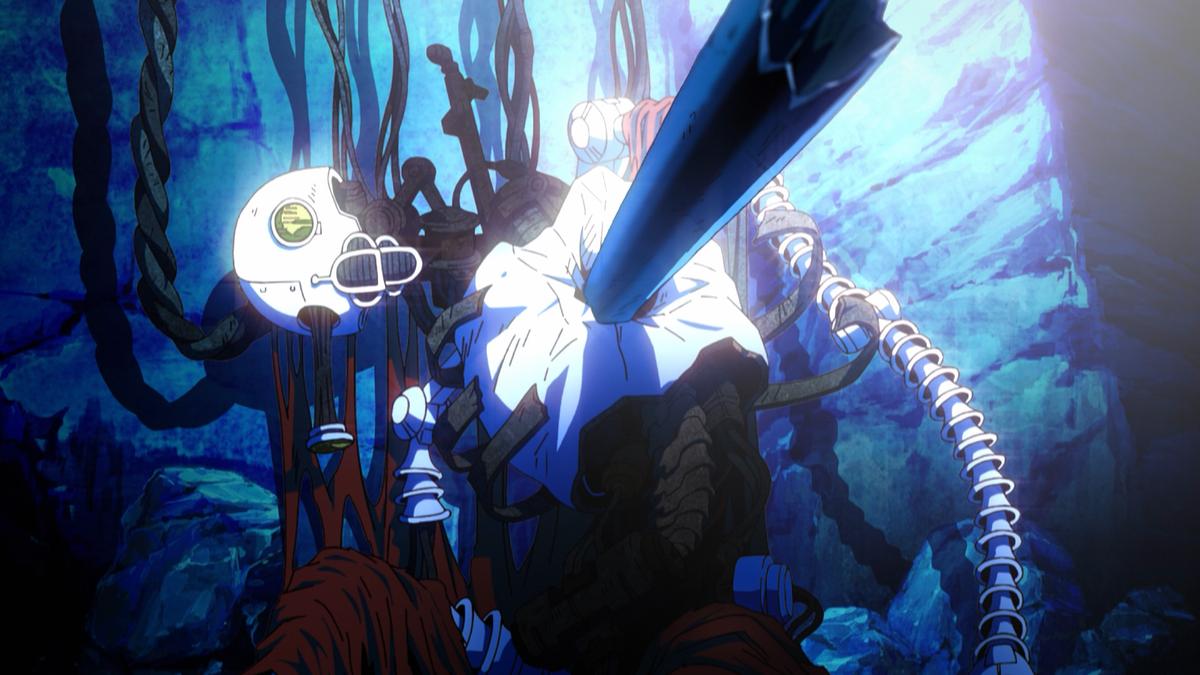
A still from ‘Pluto’
| Photo Credit:
Netflix
The adaptation is deliberate in pace and generous in scope; each episode has room to breathe, and linger on a small gesture that suddenly means everything. Long, patient tableaux honour Urasawa’s seminal panels, and moments of experimental animation give it a distinct manga sensibility. The effect is elegiac.
The series uses genre to interrogate personhood while keeping the casework taut, and these interrogations are ethical as much as they are literal: who counts as a subject? Who is permitted to avenge? And do androids truly dream of electric sheep?
Foreign affairs
Godzilla: Minus One reconnects kaiju cinema to its human wounds. Takashi Yamazaki’s Oscar-winner grounds the long-running franchise’s later habit of theatrical spectacle without any sense of consequence. Set in post-Second-World-War Japan, the film follows a small cast of survivors led by a man haunted by his survival of the war. Their private fragments of guilt and refusal become the emotional core among scenes of widescreen destruction.

Yamazaki plants the camera inside the ruin and asks how people live with the aftermath of systems that promised protection and delivered catastrophe. When Godzilla shows up, Tokyo crumbles like origami, and the kaiju delivers its survivors — still reeling from the detritus of calamity — a radioactive reckoning that summons wartime memory, the politics of occupation, and the cost of imperial power plays.
Yamazaki balances tactile effects with contemporary visual craft so the monster feels ancient and immediate at once. The atomic imagery and its echoes of mid-century trauma sit in the bones of the story like a bill to be paid for witnessing the spectacle. But the film’s most effective moments linger on its gestures of empathy and the poignant truces people strike to keep going.
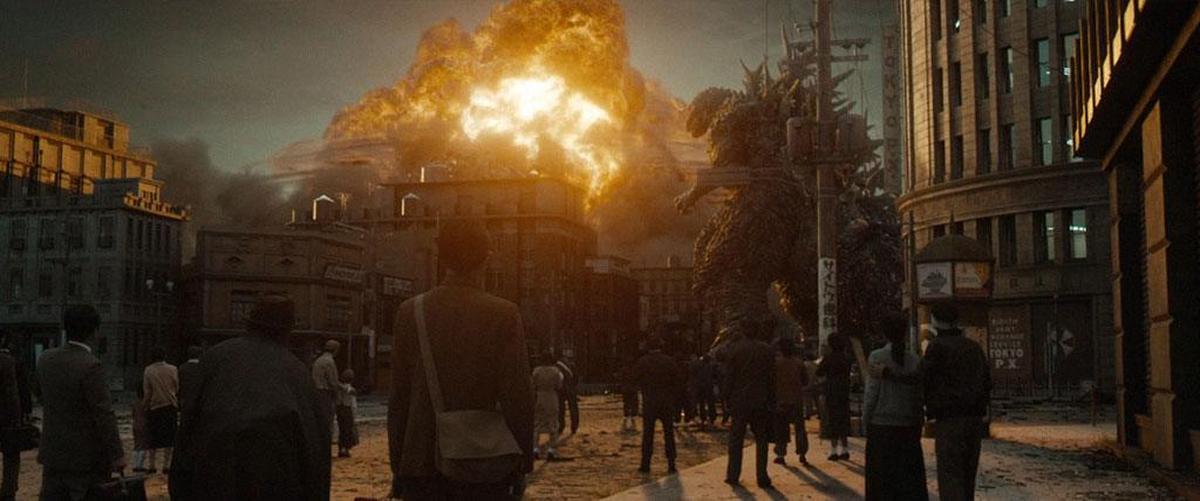
A still from ‘Godzilla: Minus One’
| Photo Credit:
TOHO
Urasawa’s cumulative sorrow or Yamazaki’s furious, participatory spectacle could easily sit beside Chernobyl or Oppenheimer as dispatches from our era of institutional denial; or find kinship with how Grave of the Fireflies turns survival into an act of penance. You might also hear echoes of I, Robot or Blade Runner 2049’s weary futurism, or even Neon Genesis Evangelion’s mechanical melancholia.
It’s a strange season to be human, or even pretend we still know what that means. If you’ve kept yourself unavoidably informed about the planet’s collective insouciance or the ways your state fails you, both these stories are almost prophetic in scope.
Ctrl+Alt+Cinema is a fortnightly column that brings you handpicked gems from the boundless offerings of world cinema and anime.
Published – November 14, 2025 02:03 pm IST