



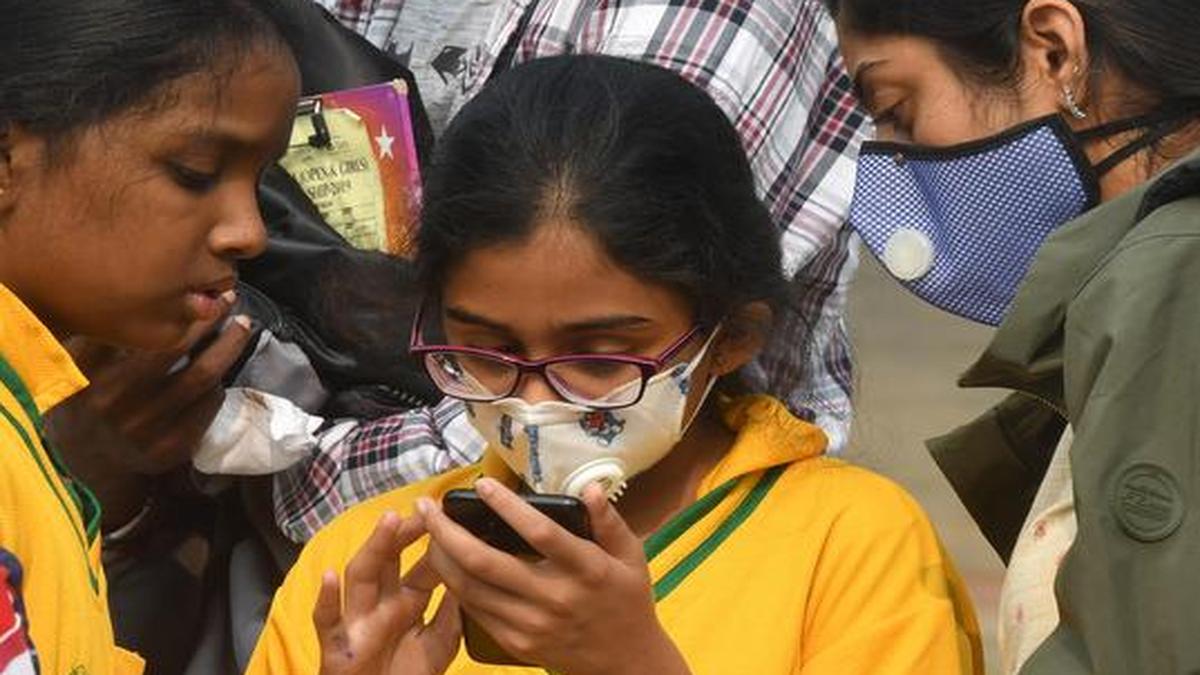


The report says that children are the hardest hit, making up nearly half of all pollution-linked insurance claims.
| Photo Credit: Sushil Kumar Verma
Pollution-linked illnesses now account for over 8% of total claims, surging sharply in the weeks after Deepavali every year, indicated a report by an Indian insurance and financial aggregator Policybazaar which mapped how air pollution has turned from an environmental crisis into a health emergency.
The report found that claims were linked to air pollution-related ailments— from respiratory infections and cardiac complications to skin and eye allergies. Claims data further reveal that air pollution impacts multiple organ systems, not just the respiratory tract. Frequent claim categories include asthma, COPD, arrhythmia, hypertension, eczema, conjunctivitis, pregnancy complications, and allergies/sinusitis.

The financial toll of pollution-related illnesses is increasing steadily— from FY2023 to FY2024, treatment costs for respiratory illnesses rose by 11% and cardiac complications by 6%, reflecting longer hospital stays and more intensive interventions such as oxygen therapy and nebulisation, it warns .
The average claim size for pollution-related ailments stands at ₹55,263, compared to ₹61,319 for non-pollution cases, but with a higher overall frequency. Average hospitalisation cost per day is ₹19,076, indicating shorter but repeated episodes of care, said the report.
The other key findings showed that children are the hardest hit, making up nearly half of all pollution-linked claims with the claims escalating 14 % post-Deepavali, mirroring India’s sharp AQI spike.
While Delhi leads in volume, Bengaluru and Hyderabad show higher claim ratios and two-tier cities like Jaipur, Lucknow, and Indore are also seeing more cases. Pollution’s impact spreads, affecting heart, skin, eyes, and pregnancy, notes the report.

The data released on Wednesday (November 12, 2025) reflects a consistent seasonal pattern over four years. Pollution-linked claims rose from 6.4% pre-Deepavali in 2022 to around 9% post-Diwali in 2025— a 14% relative increase.
This mirrors India’s annual AQI deterioration from “moderate” to “severe” levels between late October and early December, driven by stubble burning, fireworks, and stagnant winter air.
“The most alarming insight is the disproportionate impact on children where 43% of all pollution-linked claims were filed for children under ten— making them five times more affected than any other age group. Adults aged 31–40 years account for 14%, while those over 60 years make up only 7%, suggesting that young, outdoor-active populations are the most vulnerable,’’ said the report.
It added that Delhi continues to record the highest share of pollution-linked claims (38%), the pattern is no longer confined to the northern belt. Bengaluru (8.23%) and Hyderabad (8.34%) now report higher pollution-claim ratios, underscoring how deteriorating air quality is becoming a national concern. Pune (7.82%) and Mumbai (5.94%) also reflect the expanding footprint of pollution-linked ailments, particularly respiratory and cardiac cases during winter and post-monsoon months. Tier-2 cities such as Jaipur, Lucknow, Indore, and Nagpur are also showing a clear upward trend, said the report.
Siddharth Singhal, head of health insurance at Policybazaar said: “Every post-Diwali season, we see pollution causing a healthcare emergency. The fact that 43% of pollution-linked claims are for children under ten is deeply worrying. Respiratory and cardiac treatment costs are rising, and claim volumes spike between October and December— the peak pollution window. Health insurance, especially family and OPD-inclusive covers, has become an essential safeguard during India’s pollution months.”
Published – November 13, 2025 07:59 am IST