




India’s music ecosystem thrives on its extraordinary diversity. While classical music continues to be celebrated, there is ample space for other genres too. Taking advantage of this distinct musical setup, Indie musicians and bands have carved a niche by blending regional sounds with classical and contemporary styles to connect with younger audiences. However, there are challenges along the way, and it is here that inclusive platforms such as the Indian Performing Rights Society (IPRS), play a vital role in building awareness around creators’ rights so that their art can sustain and evolve.
Now, IPRS, supported by the Ministry of Culture, has announced a music showcase festival — SoundScapes of India – Season 2 (SOI 2025) — to be held from November 10 to 12 at the Indira Gandhi National Centre for the Arts (IGNCA), New Delhi. This will feature 22 bands from remote places in the States and Union Territories such as Ladakh, Manipur, Mizoram, Assam, Nagaland, Jammu and Kashmir, Gujarat, West Bengal, Andhra Pradesh, Tamil Nadu, Karnataka, Goa and Maharashtra, alongside emerging independent artistes from the metros. It will also present the Choori band from South Korea and Kuntaw Mindanao from the Philippines.
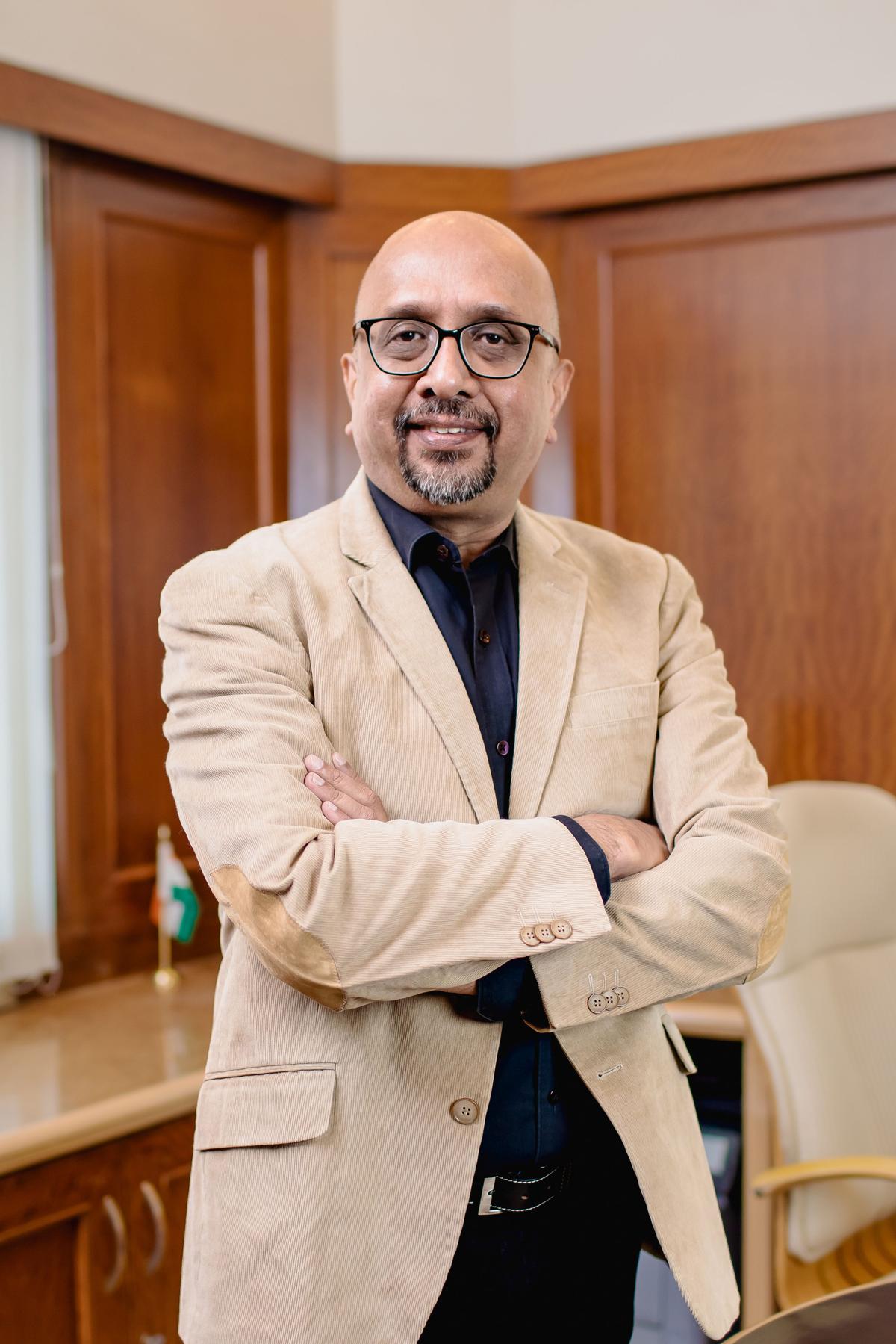
Rakesh Nigam believes its time India has its own showcase festival.
| Photo Credit:
Special Arrangement
“While music showcase festivals are a well-established concept globally, the format has remained largely unexplored in India,” says Rumpa Banerjee, head, corporate communications and member relations, IPRS. So, what is this concept all about? It is a curated programme, where up-and-coming artistes get to perform for a short time in front of an informed audience to gain exposure.
“It’s time India has a showcase festival that celebrates music and also empowers those who create it by unlocking access, opportunities and connections that shape their future,” says Rakesh Nigam, CEO, IPRS.
At SoundScapes of India 2025, artistes can present their unique creations, including folk, classical, rock, jazz, hip-hop and experimental music, to a distinguished gathering of festival directors, curators and industry leaders from India and abroad.

Imphal Talkies’ music will reflect their roots in folk and rock, highlighting social issues affecting their communities.
| Photo Credit:
Special Arrangement
Fifteen international festival directors will be attending this year, and the festival offers a gateway for Indian musicians to collaborate across cultures and reach new audiences worldwide. “A series of mentorship programmes, workshops and live showcases are designed to prepare them for international touring and performance standards,” says Kaushik Dutta, founder-director, MusiConnect India, which is also a part of the initiative.
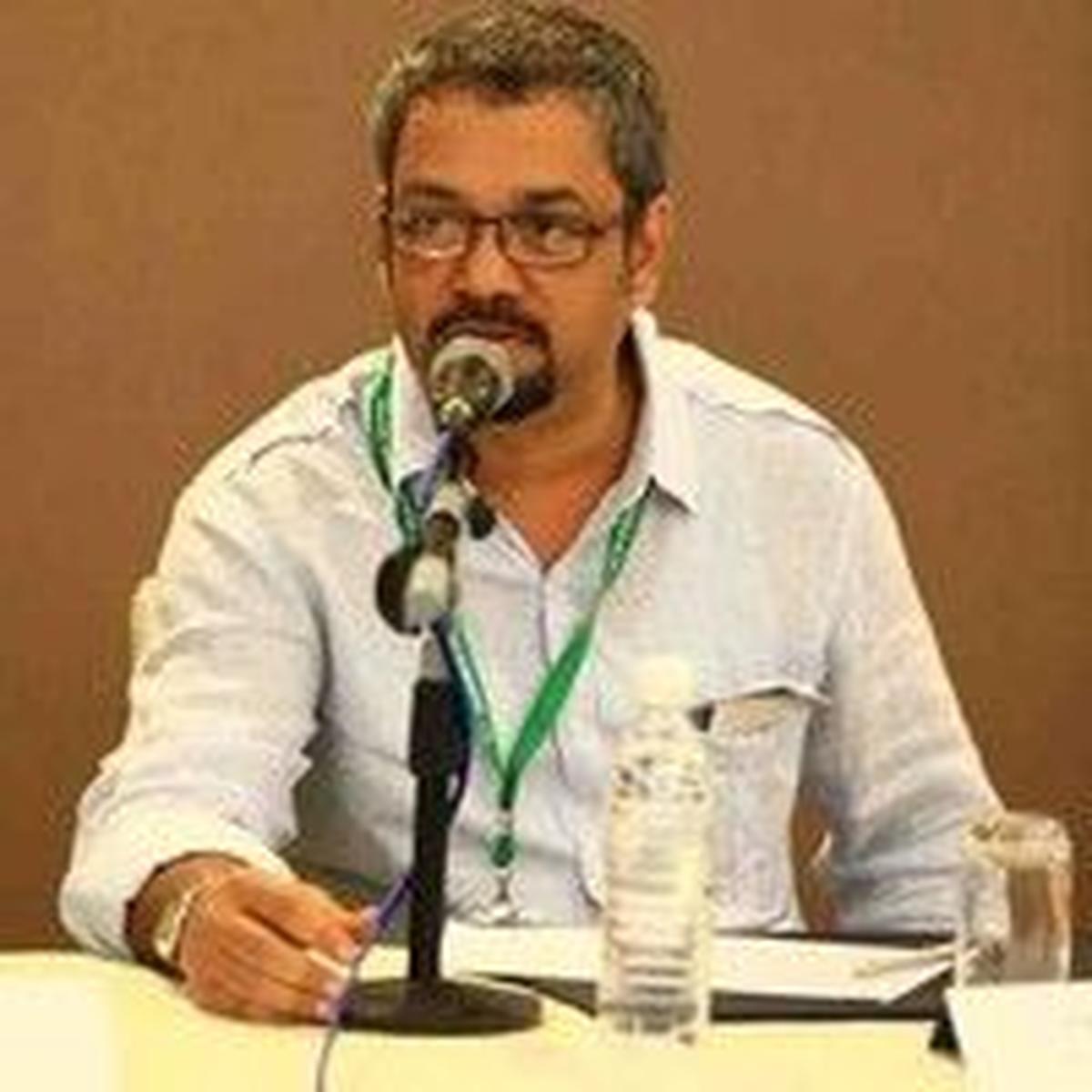
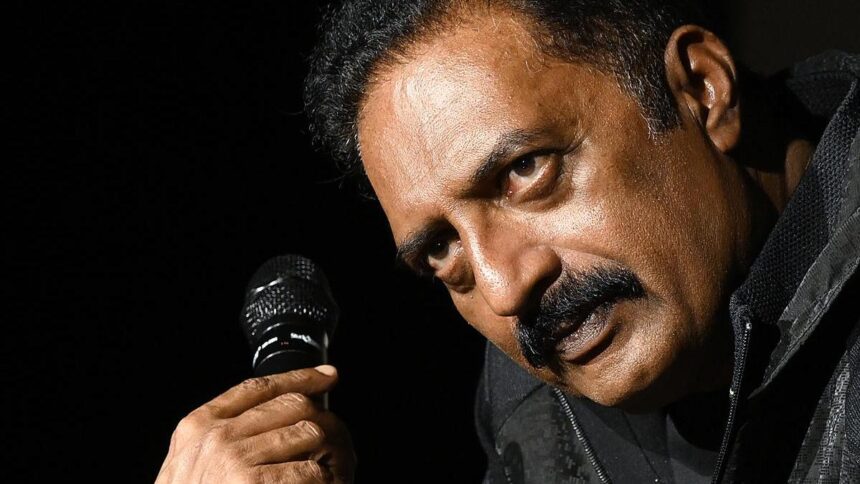
Kaushik Dutta says a series of mentorships, workshops and live showcases are designed to prepare artistes for international tours
| Photo Credit:
Special Arrangement
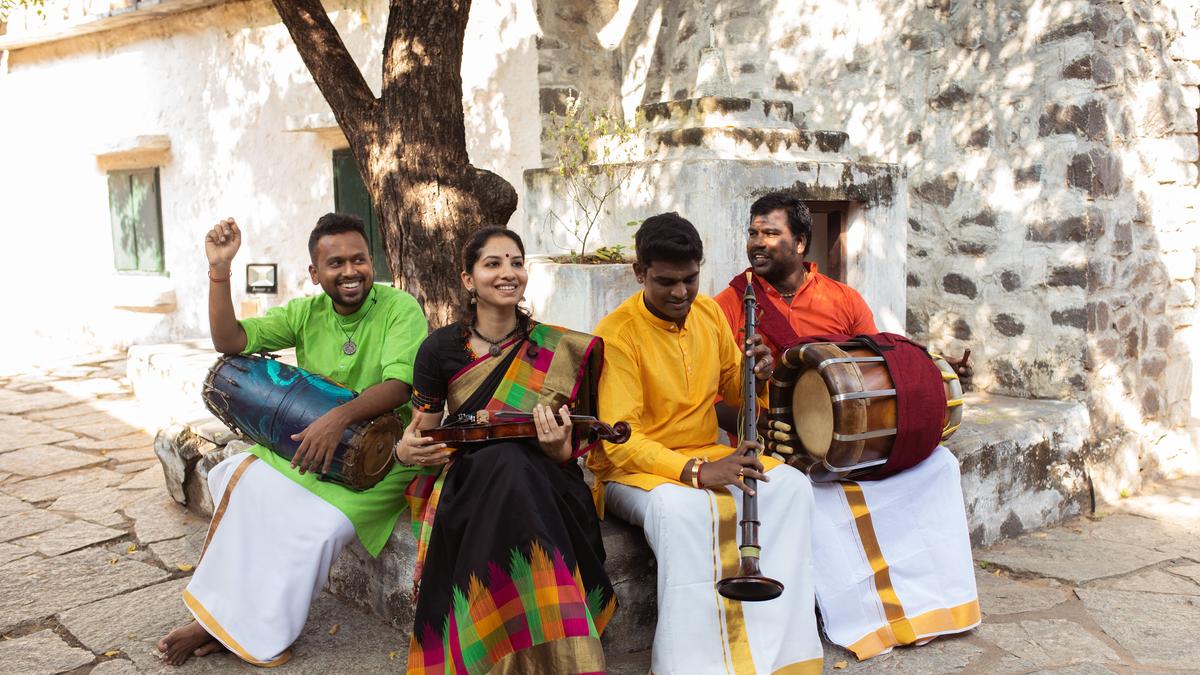
One of the bands that is part of this formidable line-up is The Thayir Sadam Project — which blends Carnatic music with contemporary sounds, creating experiences that bridge the old and the new. “We showcase compositions that highlight the beauty of classical music while pushing sonic boundaries,” says the band’s lead, violinist Ambi Subramaniam.
Many bands explore the intersection of Indian and Western music. Mumbai-based ‘Strings in Motion is one such. A brainchild of violinist Yadnesh Raikar, its music is an exploration of Indian classical virtuosity meeting the fluidity of jazz and world music. “It’s about finding that spontaneous energy where tradition and improvisation move seamlessly,” explains Yadnesh.
New ways of expression
One of the most compelling aspects of Indie music is how it brings Indian instruments to the forefront. This has encouraged many classical instrumentalists — once seen primarily as accompanists — to join bands and explore new ways of presenting their art. For instance, the electric violin, nagaswaram, mridangam and thavil — four instruments that seldom share a stage — come together in a compelling musical conversation in Chennai-based band ACQ. “Our music explores how tradition can meet innovation and resonate with today’s audiences,” says Shreya Devnath.
What indie musicians from across the country, however, truly need are platforms to be seen, heard and acclaimed. “Historically, artistes from India’s Northeast have often had limited visibility in mainstream cultural events across the country. We aim to bring folk-rock compositions that speak about social realities in Manipur, giving audiences a glimpse into the cultural and political landscape of the region while sharing our music as a medium for awareness and dialogue,” says Akhu Chingangbam of Imphal Talkies.
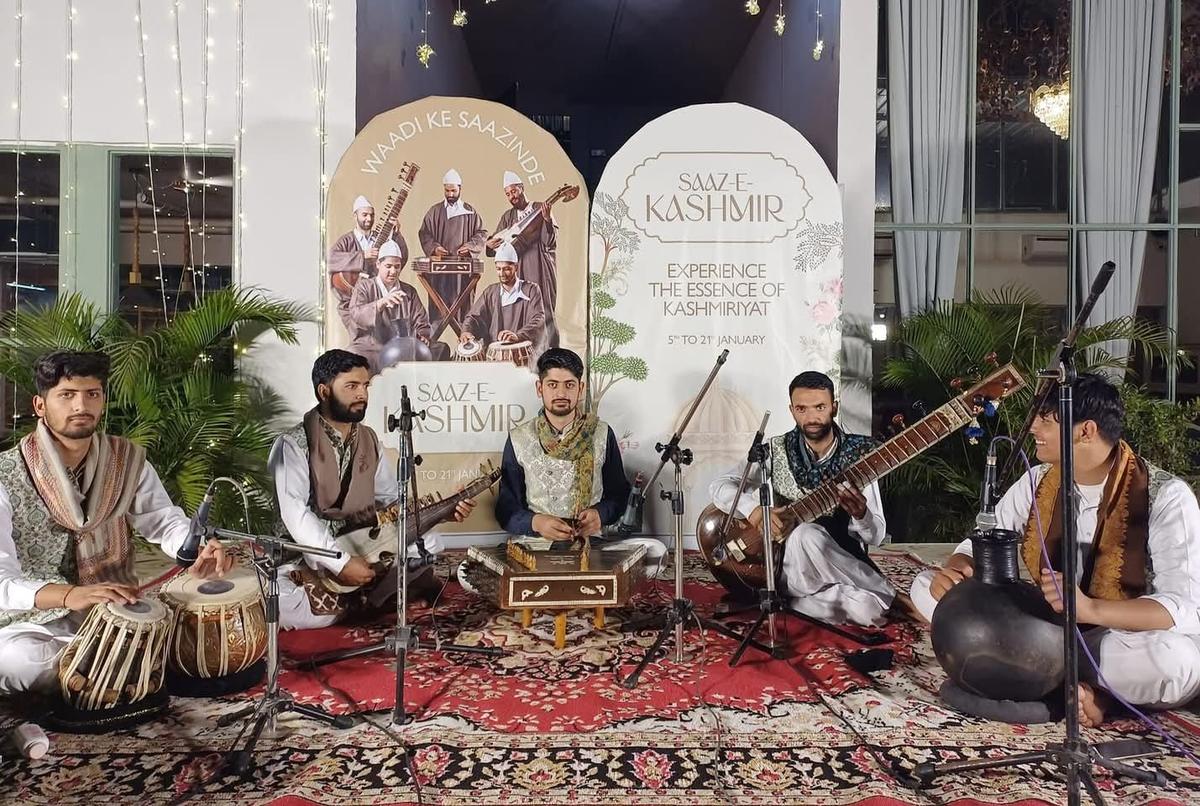
Younis Majid Rather aims to present unique sounds of Kashmir.
| Photo Credit:
Special Arrangement
A key strength of festivals such as SoundScapes is their ability to bring together music groups from even the remotest corners of the country — a great way to discover talent. Younis Majid Rather’s performance at the festival will be an ode to Kashmir’s santoor and Sufiyana traditions even while experimenting with contemporary arrangements. “It’s a celebration of Kashmir’s rich musical identity and its relevance in today’s world,” he says.
A fusion of styles
Despite Indian film music’s overwhelming popularity, pianist and composer Sahil Vasudeva of Delhi-based band Ensemble 2 Indias says, “There’s a growing audience that craves authenticity and cuts through the noise. We are not trying to compete with popular music; we’re here to co-exist.” The band stands out for its fusion of piano, sitar, sarangi and percussion — a sound shaped by the meeting of Western classical, Hindustani music, Spanish music and flamenco.
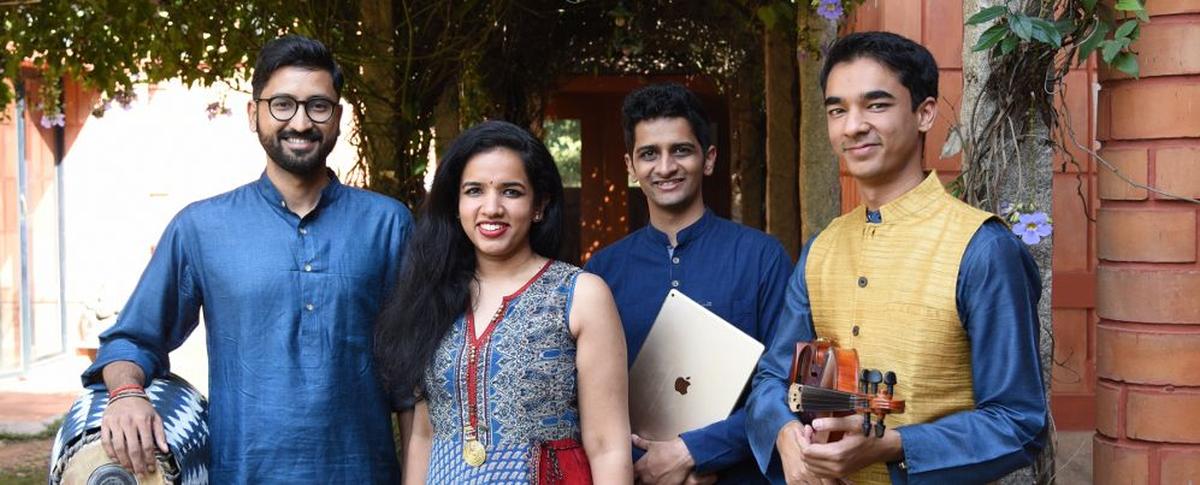
The Thayir Sadam Project blends Carnatic tradition with contemporary rhythms.
| Photo Credit:
Special Arrangement
According to Sahil Vasudeva, though the digital era has expanded the reach, monetisation in India remains tough. “There’s still little infrastructure or institutional support for independent musicians, and venues are few and far between. The positive shift is that more festivals are happening and international acts too, giving us the opportunity to perform alongside them. Albums today are less about sales and more about connection — a way for listeners to find their music. But with streaming payouts being minimal, survival for an indie artiste is hard. Most of us juggle multiple projects just to keep things going,” he shares.
Bodhisattwa Ghosh, guitarist, composer and music producer of The Bodhisattwa Trio says, “We’ve never chased trends; SoundScapes of India helps connect with audiences who value originality. Staying independent allows that freedom, even if it’s not always the easy route.”
Published – November 05, 2025 01:55 pm IST