




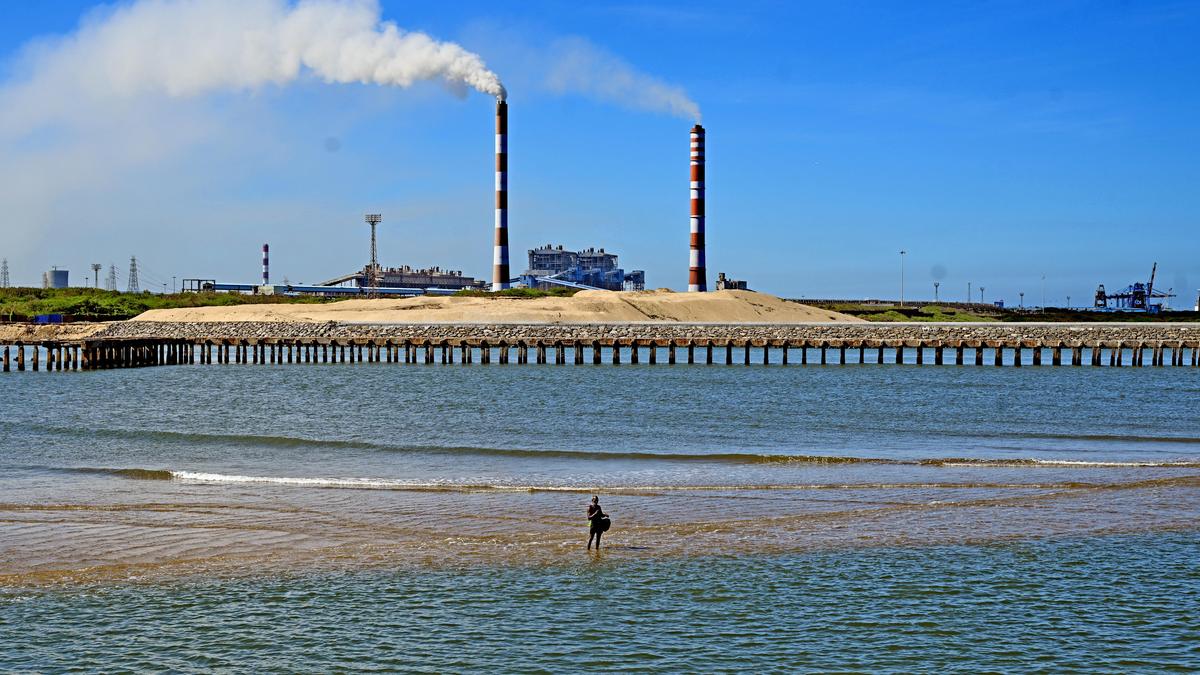

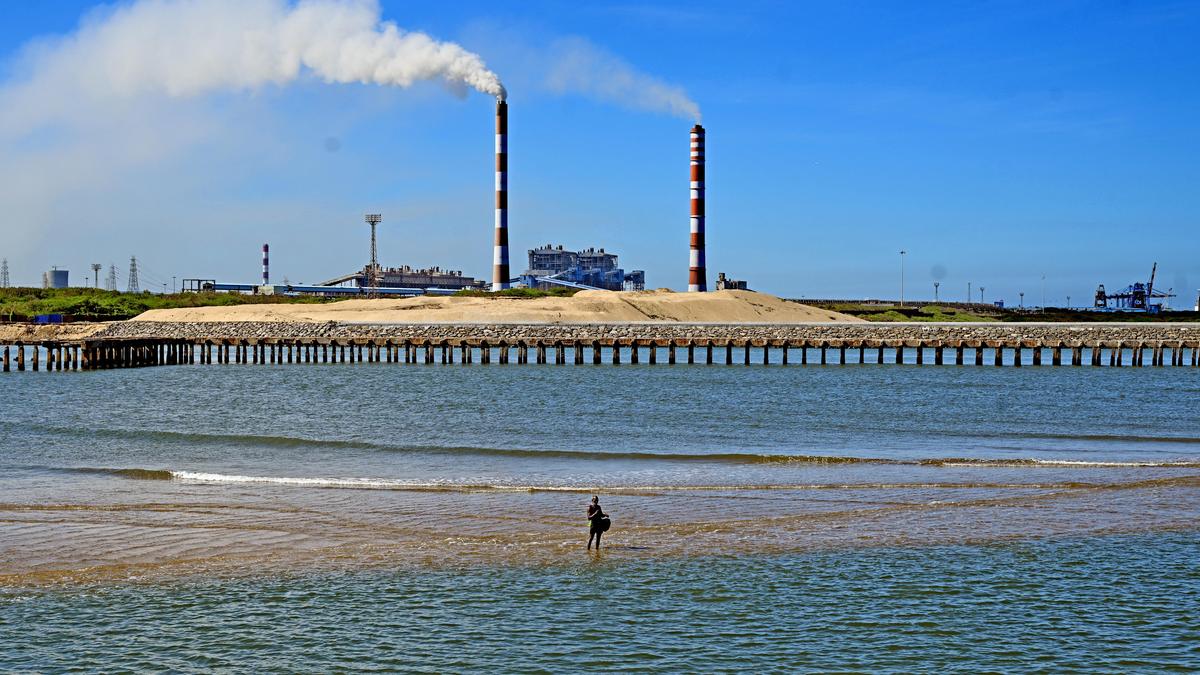
According to the National Centre for Sustainable Coastal Management, invasive mussels were found in 40% of the 249 sampling sites in Ennore Creek. The rate of infestation was the highest near bridges, mangroves, and industrial discharge points.
| Photo Credit: FILE PHOTO
The Tamil Nadu State Wetland Authority (TNSWA) has reported a delay in the effort to remove the invasive charru mussels from Ennore Creek, with the ₹90-crore dredging project still on hold owing to the delay in releasing the required funds.
In a recent report to the National Green Tribunal (NGT), it confirmed that despite multiple follow-ups, the funds needed to begin the work had not been approved.
Srinivas R. Reddy, Principal Chief Conservator of Forests (Head of Forest Force) and TNSWA Member-Secretary, submitted the report, stating that the dredging project proposal was developed after a meeting in late July 2025, wherein officials of the Water Resources and Fisheries Departments came together to address the growing mussel infestation. However, the required funds had not been sanctioned.
In its earlier order, the NGT expressed frustration over the delay, noting that several weeks had passed since the proposal was put forward, but the funds had not been released.
At a meeting convened on September 17 this year, the Chief Secretary directed the departments and institutions concerned to submit the final reports and initiate coordinated field interventions for control and eradication of the invasive species.
According to the final report submitted by the National Centre for Sustainable Coastal Management (NCSCM) on October 22, invasive mussels were found in 40% of the 249 sampling sites in Ennore Creek. The rate of infestation was the highest near bridges, mangroves, and industrial discharge points, indicating the influence of ballast water and pollution. The invasion had degraded habitats, displaced native bivalves, and reduced fishers’ monthly income from ₹30,000-₹50,000 to ₹5,000-₹10,000, forcing many to abandon freshwater fishing, the report said.
It recommended identifying and isolating hotspots, incentivising community-led manual removal before the monsoon, and using controlled freshwater flushing to prevent recolonisation. It also called for continuous monitoring, value-added use of removed biomass, and coordinated efforts among research bodies, local communities, and government departments. It noted sampling limitations due to unseasonal rain and stressed the need for year-round monitoring.
Published – November 25, 2025 06:44 pm IST