




In 2008, 18-year-old Mumbai-based gamer Reuben Pereira made a sizeable dent in the history of esports in India by winning a silver medal at the World Cyber Games for soccer video game franchise FIFA in Germany.
Seventeen years later, in August 2025, 25-year-old Street Fighter 6 player Dharun S won the gold medal at the Chief Minister’s Trophy Games in Chennai, bringing attention to not just the future of esports, but also the momentum building up in Tamil Nadu’s gaming circles.
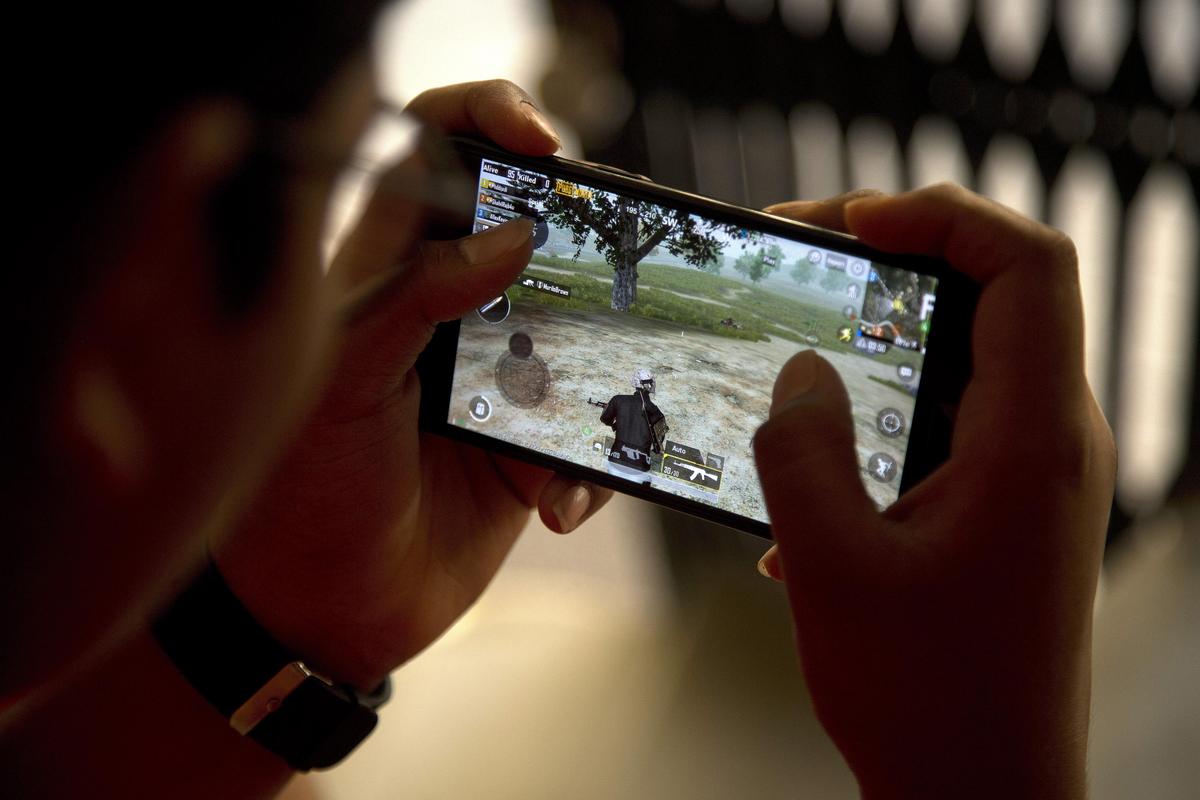
An Indian boy plays an online game PUBG on his mobile phone
| Photo Credit:
AP Photo/ Mahesh Kumar A
What is striking today, Reuben says, is not just the structure but the sheer volume of players entering the arena. Where once Chennai’s competitive scene could fit inside a single gaming café, qualifiers today fill entire halls. The shift is is the result of accessible games, affordable devices, and tournaments that make competitors feel like they belong.
“Tamil Nadu players have become serious now. People are grinding, learning matchups, and asking for sparring partners. The scene has changed. Earlier, it felt like only a handful of us cared. Now, the competition is tougher,” says Dharun, who has been playing in tournaments for the last couple of years.

A player playing a mobile game
| Photo Credit:
Special Arrangement
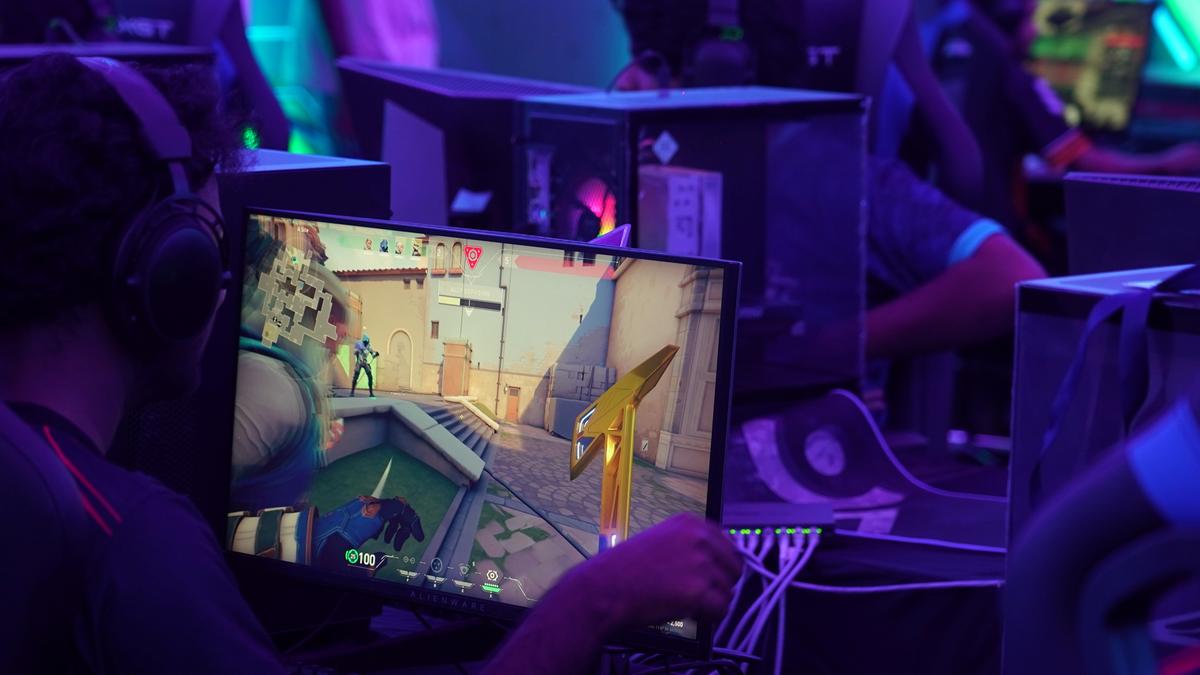
The Chief Minister’s Trophy Games, organised by the Sports Development Authority of Tamil Nadu (SDAT), was Dharun’s big break. This statewide multi-sport event brings together athletes from different backgrounds. In 2025, the Trophy Games made history by officially including esports as a medal event, making Tamil Nadu the first Indian State to do so. The competition spanned six gaming titles, including Street Fighter 6, EA FC, Valorant, BGMI, Pokémon Unite, and e-Chess, with a ₹1 lakh prize for individual gold medal winners.
Praveen Rathinam, pesident, Tamil Nadu Esports Association (TESA), says the CM’s Trophy has done something few Government-backed events manage — it signalled legitimacy. “When the State puts its weight behind an event, parents start paying attention,” he says. “We suddenly have teenagers telling their families they’re ‘training’ for something real.”
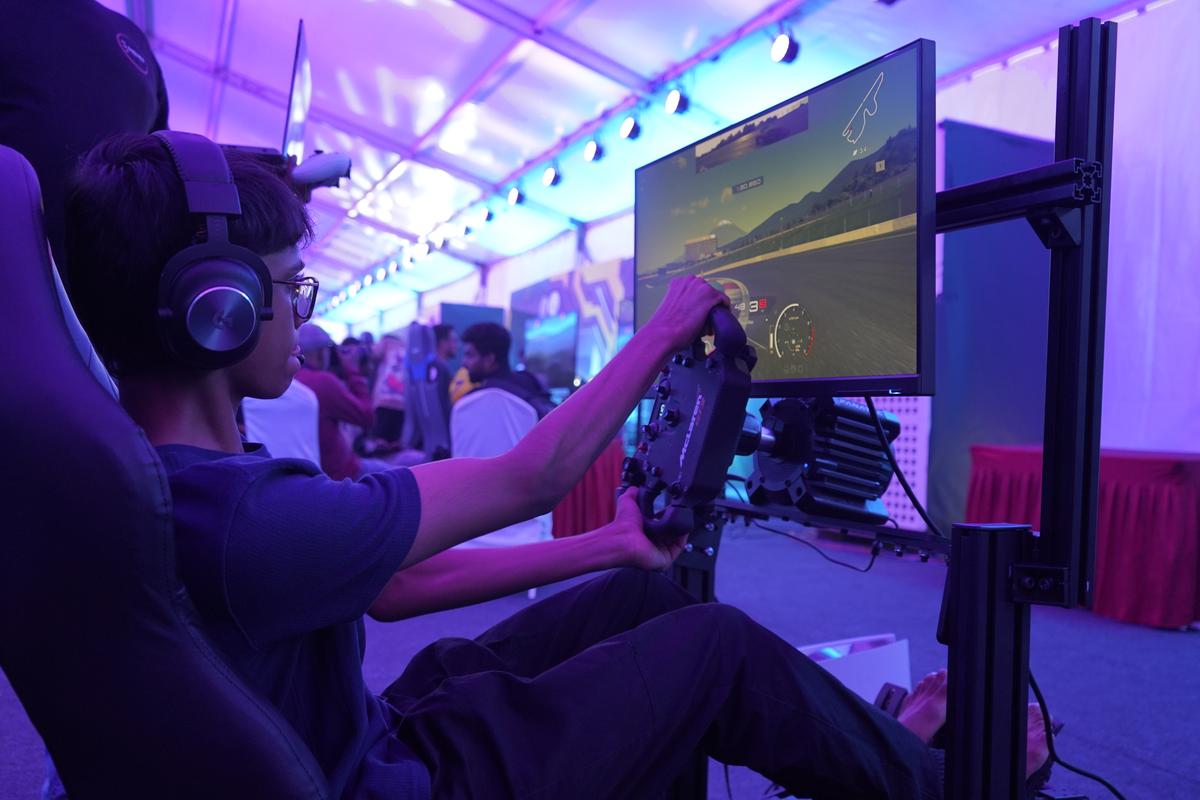
Scenes from Chief Minister’s Trophy Games in Chennai
| Photo Credit:
Special Arrangement
But legitimacy is only step one. Praveen explains that Tamil Nadu’s esports structure, though young, is finally starting to take shape, from clearer tournament standards and player verification to slowly growing community networks. The challenge, he adds, is consistency. “If we are talking medals and global rankings, then we need sustained support. More tournaments, regulated formats, and a pipeline that starts at the school level,” he says. “The talent is here; it just needs a proper ecosystem.”
For Dharun, that “ecosystem” Praveen talks about is not abstract. It began with a Discord server. “I didn’t even know Chennai had a Street Fighter server. Once I joined, everything changed. Suddenly, there were people to spar with, people sharing tech, actual competition,” he said. That virtual room became his training ground.
The long game
This shift on the ground is something veteran gamer Reuben Pereira has been waiting nearly two decades to witness. Back in 2008, when he won silver at the World Cyber Games, esports in India was little more than a scattered network of private tournaments. “There was no structure, no system, nothing official. You just showed up wherever there was a café hosting something,” he says. Watching Tamil Nadu now formally recognise esports feels like a full-circle moment. “If something like this existed in my time, I would’ve travelled all over India for it. This is the ecosystem we dreamed of but didn’t have.”
This boom is not hype — it is talent finally getting visibility. EA FC players have gone from isolated grinders to being part of a recognisable circuit with club-backed tournaments. “When EISL came in, things shifted — formats, analysts, prize pools. It felt professional,” says Navin Haridoss, who won gold at the CM’s Trophy Games for EA FC.

Boys playing video games
| Photo Credit:
Special Arrangement
What has changed most, he points out, is confidence. “You have school kids, college kids, working guys… all playing in the same room. That never happened before.”
A decade ago, local tournaments felt casual — players arrived to hang out first and compete second. Now, he says, the room feels charged. “People come in with a plan. They’ve studied matchups, they’ve done their drills,” he says. He has watched teenagers track frame data, organise district-level scrims (practice matches), and build small coaching circles — behaviours that used to belong only to international players. The irony, he points out, is that player skill is accelerating faster than the support structures around them.
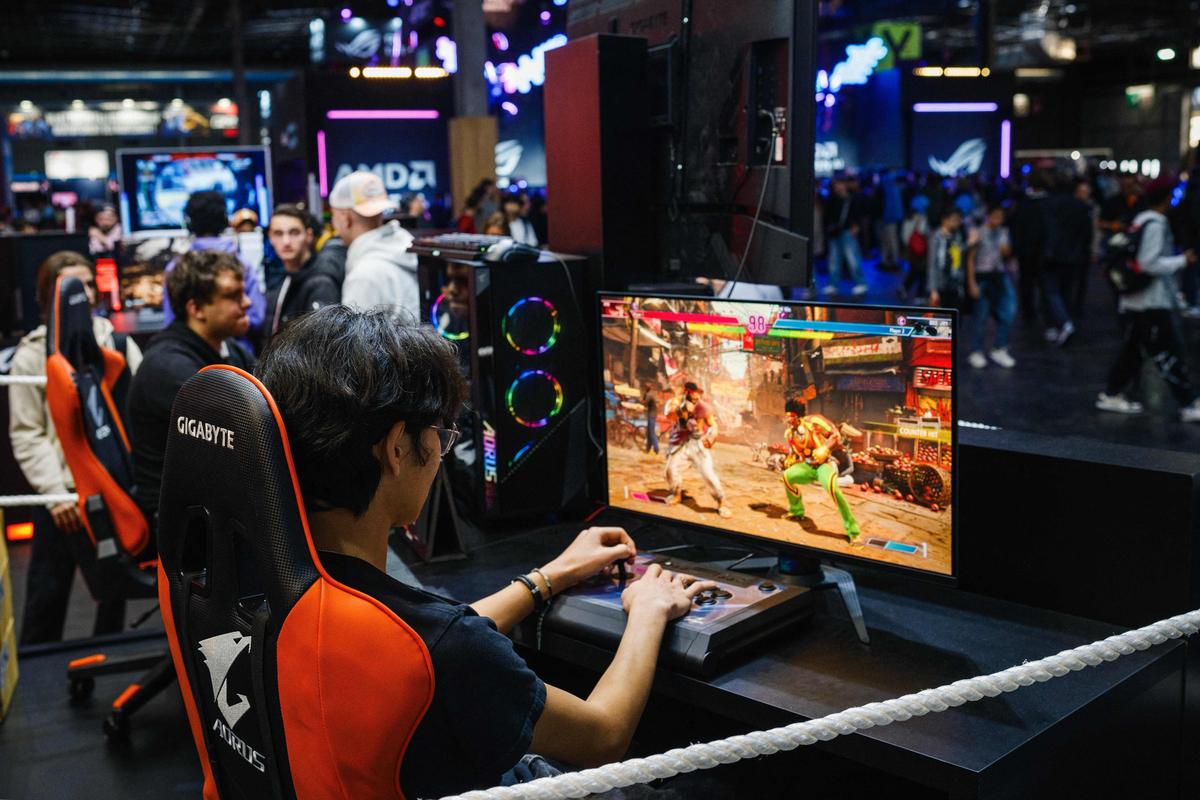
A visitor plays the “Street Fighter 6” video game developed and published by Capcom during the Paris Games Week fair in Paris, on October 23, 2024.
| Photo Credit:
Photo by Dimitar DILKOFF / AFP
“The grind is there,” says Navin. “The hunger is there. What’s missing is a calendar that keeps them battle-ready all year, not just for one Government event.”
Mind the gap
Across Street Fighter, EA FC, Valorant and BGMI, women players remain a tiny minority. “I walk in expecting to be the only woman in he room, and most of the time, I’m right,” says Phebe, a 25-year-old casual gamer from Chennai. She does not enter tournaments anymore, but she has watched enough streams and local events to recognise the pattern: women are not absent, they are edged out by the atmosphere. “It’s not the games, it’s the space around them,” she says. What she wants is simple — organisers who enforce behaviour, communities that do not tolerate casual misogyny, and a scene where women do not need a separate qualifier to feel welcome.
Published – November 26, 2025 04:43 pm IST