


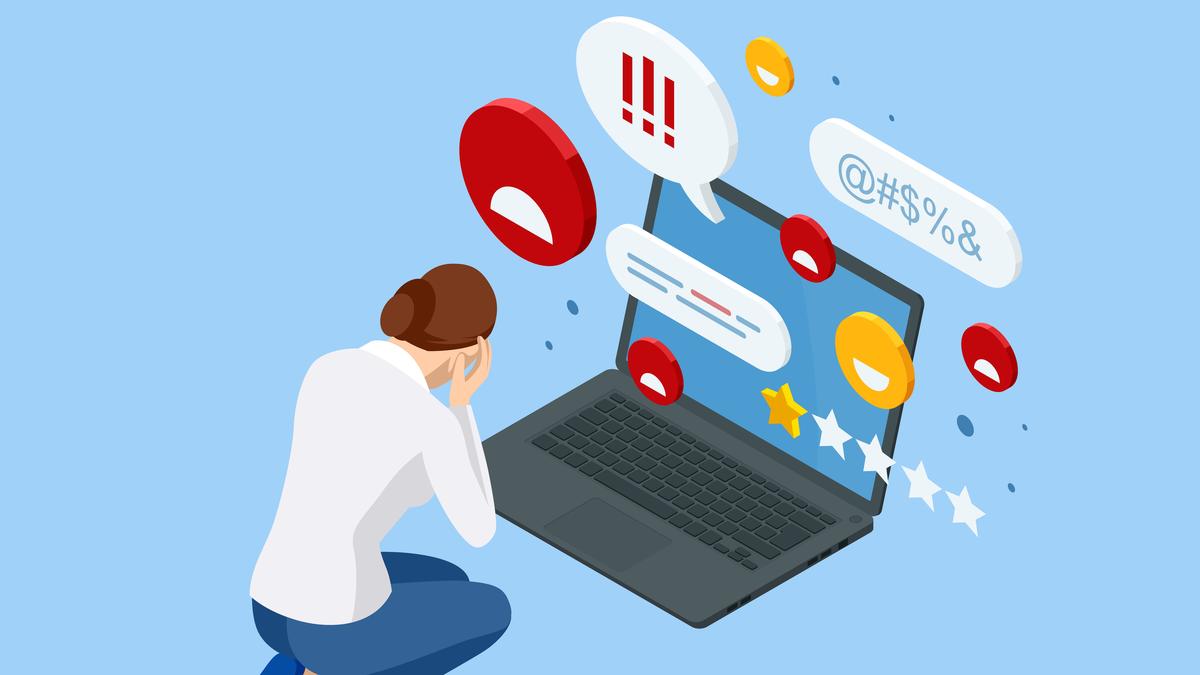

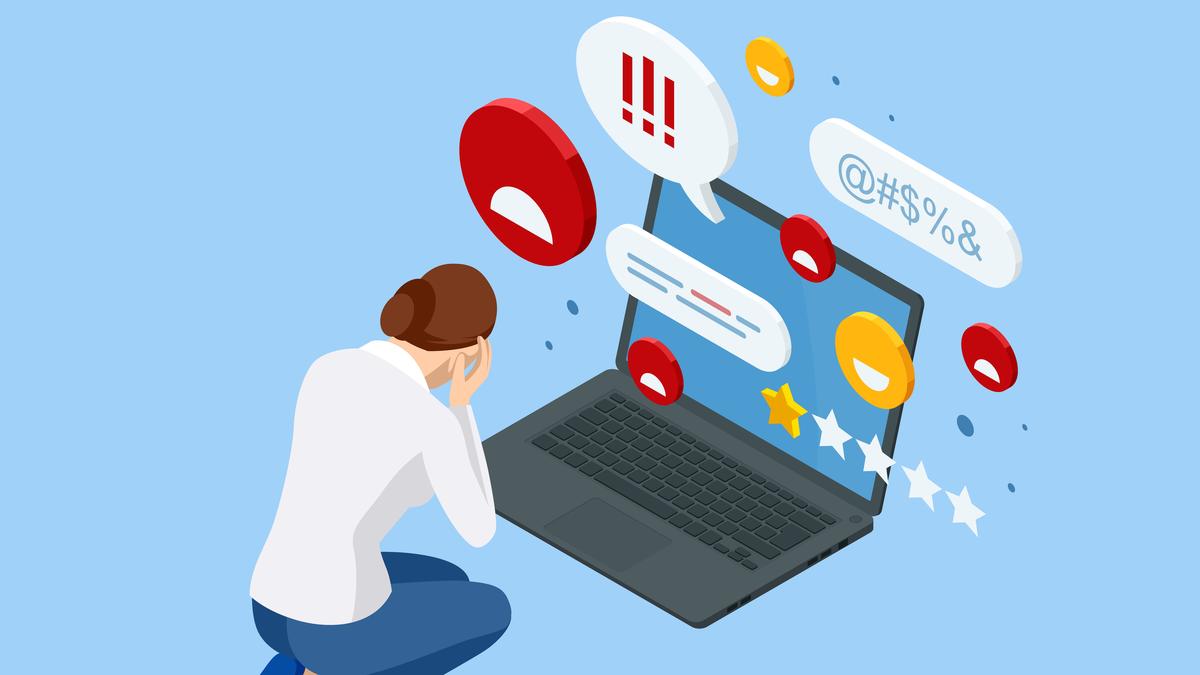
Image used for representation purpose only.
| Photo Credit: Getty Images/iStockphoto
The Supreme Court on Thursday (November 27, 2025) asked the Ministry of Information and Broadcasting to work on guidelines against user-generated content (UGC) to protect innocents from becoming victims of obscene, even perverse, “anti-national” or personally damaging online content. The top court considered the idea of an “impartial and autonomous authority”, neither bound to private broadcasters nor the government, to vet “prima facie permissible” content.
A Bench of Chief Justice of India Surya Kant and Justice Joymalya Bagchi said UGC, potentially disastrous to reputations or even having “adult content”, go viral even before social media intermediaries could take them down.

At one point, referring to the easy access to uncurated material online, the court said a few seconds of ‘adult content’ warning was not enough. It suggested further checks such as sharing Aadhaar details to verify the age of the user.
The Chief Justice found it “very strange” the phenomenon that users could create their own online channels and still be not accountable to anyone. “Is there no sense of responsibility,” he asked.

The court clarified that it did not intend to have the proposed UGC guidelines “tinker” with free speech. Though the right was subject to reasonable regulation under Article 19(2) of the Constitution, it was nevertheless to be respected and protected. But, on the other hand, the misuse of online speech has exposed millions of innocent people to abuse. They too have a right to be protected, the court reasoned.
“Dissent is part of democracy. Everyday people write against the government. But the problem arises when you suddenly put something on YouTube and there are millions and millions who are victimised. They do not have a voice. They do not have a platform, and by the time they rush to court, the damage is done,” Chief Justice Kant said, highlighting the need for guidelines.

Advocate Prashant Bhushan said any guidelines restraining free speech mandated prior and extensive public consultations, to be initiated by the Union government. He cautioned that the term ‘anti-national’ was both over-broad and ambiguous.
The Chief Justice said there were enough laws to turn to after the damage was done. Victims could approach court for damages or opt for criminal proceedings. But there was nothing to protect them before the post went online.
“A takedown takes at least 24 hours. By the time it is effectuated, the harm is already done. Social media is mercurial, goes across borders and is transmitted in seconds. This preventive exercise is not to throttle anyone but to have a certain degree of stick. Technology with AI makes you (social media intermediaries) enormously powerful, to curate your material, assess its impact. Platforms are monetising content,” Justice Bagchi observed.
The judge termed prosecution of the creator of the offending social media post a “post-occurrence penalty”, saying “we must have preventive mechanisms to ensure there is no spread of misinformation, loss of property as well as sometimes lives”.
Senior advocate Amit Sibal, for Indian Broadcast and Digital Foundation, expressed reservations about the court using the term ‘preventive’ to describe the proposed guidelines. ‘Preventive’ could be read as ‘pre-censorship’, Mr. Sibal said. He suggested changing the prefix to ‘effective’.
“The difficulty we are facing is the response time. By the time intermediaries respond to such content, it has already gone viral. Millions of viewership, etc. How do you plug that gap? That is the question,” Justice Bagchi emphasised.
Published – November 27, 2025 09:31 pm IST