




Few nameplates in India command the kind of nostalgic admiration the Tata Sierra enjoys. When it arrived in 1991, it did not merely expand Tata’s lineup—it became a cultural marker. Its distinctive silhouette and unconventional design made it an object of aspiration at a time when the Indian automotive market was still finding its footing. Now, more than three decades later and after a 23-year hiatus, the Sierra returns in a completely reimagined avatar. Launched in Mumbai, the all-new Sierra stands as Tata Motors’ boldest attempt yet to elevate the mid-size SUV segment and challenge the status quo.
From thievery first glance, it is evident that Tata is not aiming to blend in The new Sierra is positioned as a statement—an SUV created to stand out, push boundaries and offer buyers a richer, more expressive experience than the safe, predictable options that have long dominated the segment.
Legacy re-imagined
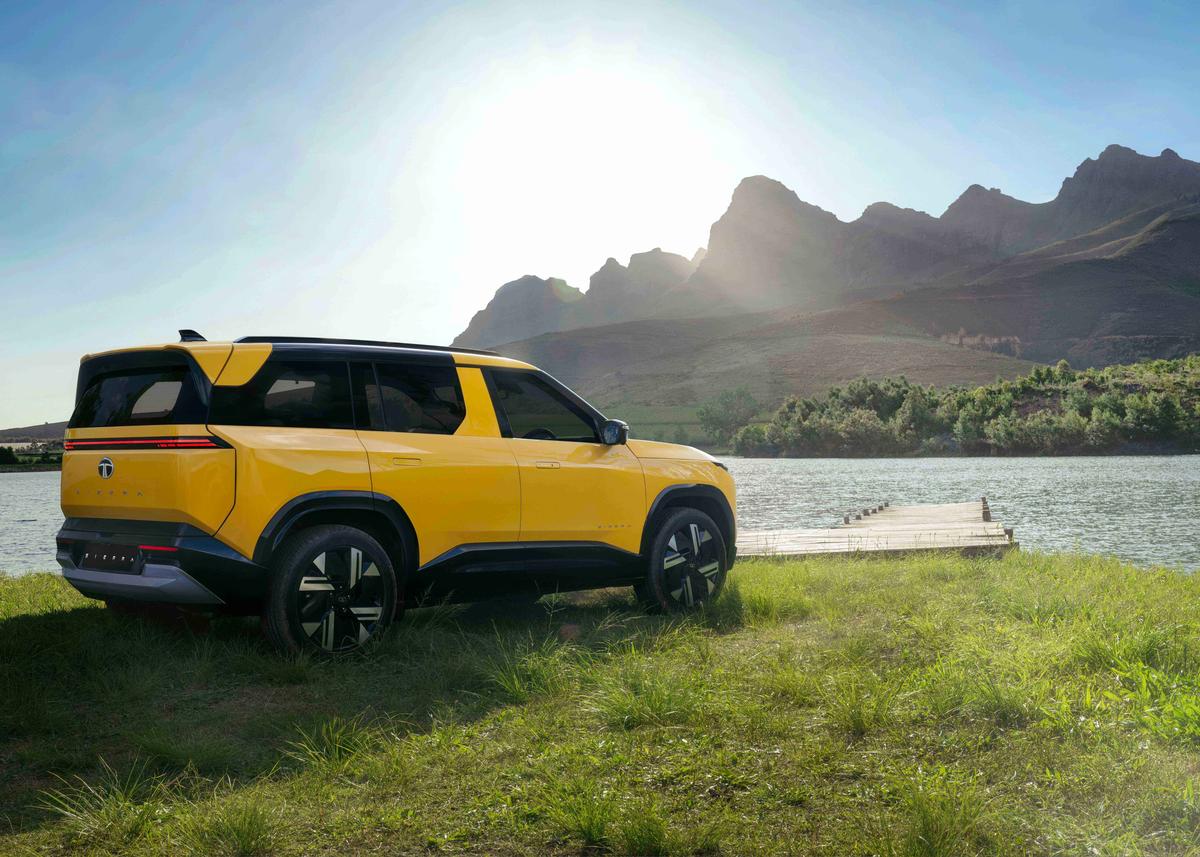
The modern Sierra retains the soul of the original while reinventing itself for a new generation. Where the first model was celebrated for its distinctive stance and individuality, the new Sierra builds on those traits with a contemporary, award-winning design that has already garnered global recognition. Upright posture, squared-off geometry, and sculpted surfaces give it a powerful visual signature, blending nostalgia with a premium, forward-looking aesthetic.
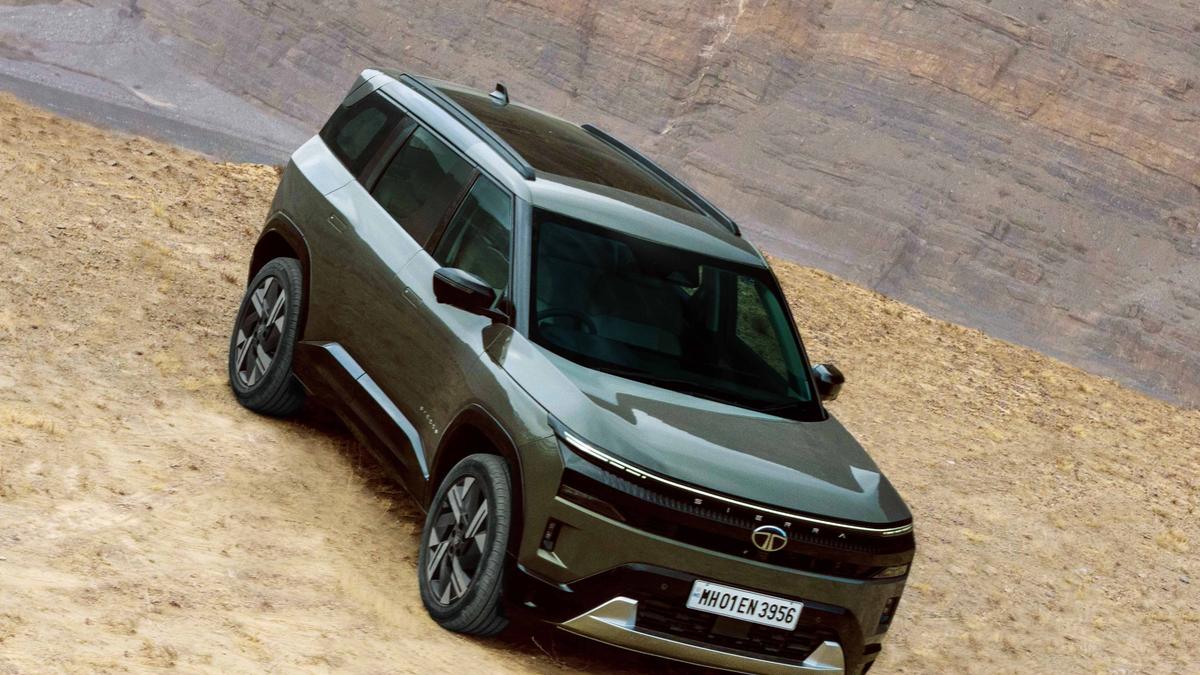
Equipped with Level 2+ ADAS and proven crashworthiness, the Sierra prioritises occupant protection without compromise
| Photo Credit:
Special Arrangement
What truly defines this new avatar, however, is the intent behind it. Tata Motors has shaped the Sierra for an increasingly discerning Indian buyer—one who values identity and emotional connection just as much as practicality. The new Sierra is not designed merely to bring a legacy nameplate back to market; it is meant to evolve what the Sierra once symbolised and reinterpret it for modern aspirations.
Design reinvented
Tata’s designers were tasked with the delicate balance of honouring the Sierra’s legacy without being stylistically bound by it. The outcome is a sophisticated, modern interpretation that respects the lineage but embraces contemporary sensibilities. The signature wraparound glass effect remains, now executed through cleaner surfaces, a sleeker B-pillar treatment and a more aerodynamic silhouette. Strong shoulders, a stately stance and bold proportions give the Sierra instant presence on the road.
Lighting plays a central role in the SUV’s identity. Seamless Light Saber LED DRLs span the width of the vehicle, mirrored at the rear with a connected tail-lamp arrangement that features animated welcome and exit sequences. Adaptive Bi-LED booster headlamps extend their throw at higher speeds, enhancing safety and visibility. Completing the SUV’s commanding aesthetic are massive R19 alloy wheels—the largest in the segment—lending it a planted, confident stance.
The Sierra’s redesigned exterior (new look) feels rich and expressive, firmly placing the SUV confidently in the premium space. It has matured, much like the buyers who once admired the original and now seek something equally distinctive.
The living space
Step inside, and the Sierra continues to push boundaries. Dominating the cabin is the Horizon View triple-screen setup—an expansive digital interface that merges the driver display, primary infotainment screen, and a dedicated 12-inch passenger screen into a cohesive, immersive layout. Paired with a 12-speaker JBL Black audio system and the integrated SonicShaft soundbar, the cabin transforms into a cinematic space. With built-in OTT apps, gaming functionality, and Tata’s Arcade Suite offering more than 30 digital experiences, the Sierra becomes more than a means of transportation—it becomes a rolling entertainment lounge.
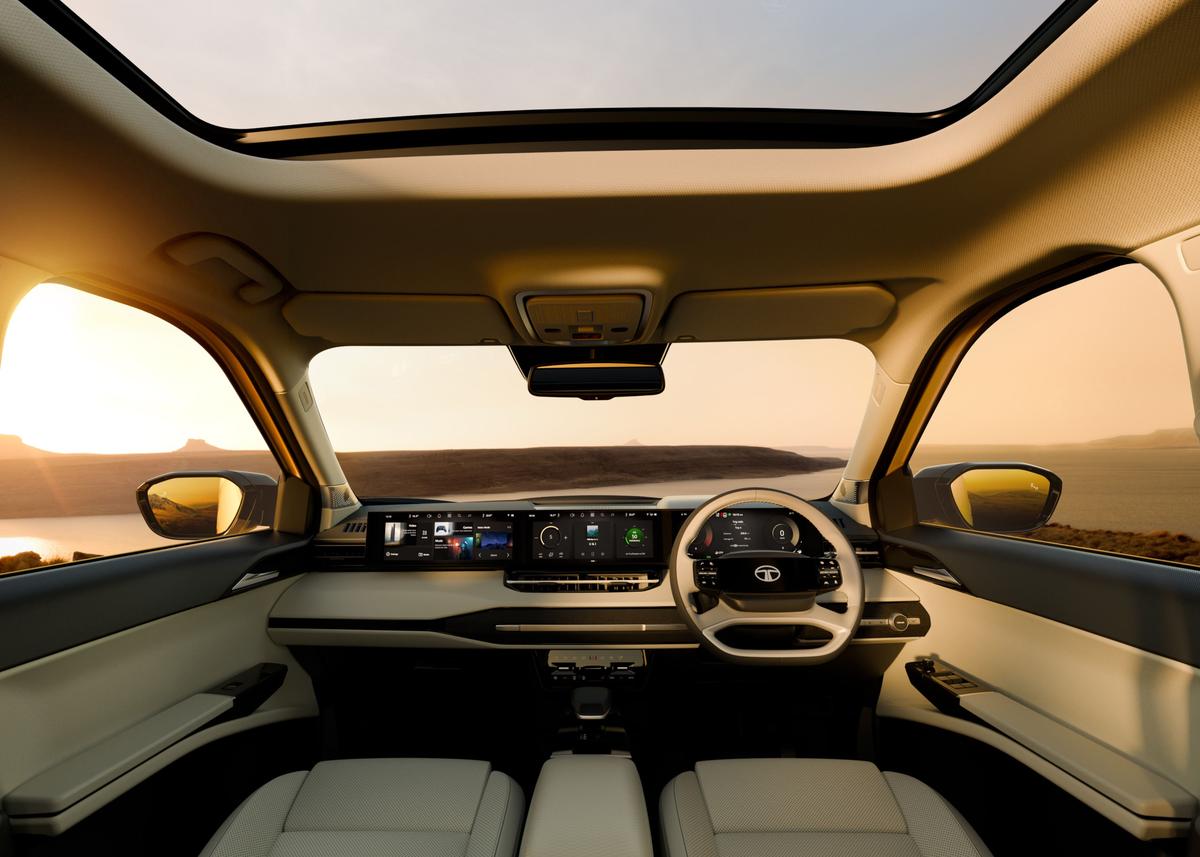
The Horizon View triple-screen setup, JBL Black audio system, and Tata Arcade Suite turn the cabin into a rolling entertainment lounge
| Photo Credit:
Special Arrangement
Material quality takes a clear step up. Soft-touch, natural-toned surfaces, floating console elements, and a layered design approach give the cabin a premium, handcrafted feel. Personalisation features such as MeSpace—allowing individual profiles for climate control and seat memory—and extendable thigh support further enhance comfort.
Where the Sierra truly sets itself apart is in interior space. Its long 2730 mm wheelbase delivers best-in-segment couple distance, excellent shoulder room in both rows, and the widest second-row gangway in the class. The 622-litre boot makes it one of the most capable mid-size SUVs for families and long road trips. The PanoraMax sunroof, the largest in the segment, accentuates the openness and floods the cabin with natural light.
Performance powertrains
The Sierra’s powertrain options are designed to suit a wide range of buyers. The lineup starts with the 1.5-litre Revotron naturally aspirated petrol engine, designed for smooth city performance and everyday practicality. For those who want more muscle, Tata offers the new 1.5-litre Hyperion Turbo GDi engine—an advanced direct-injection unit producing 160 PS and 255 Nm of torque. Its strong mid-range performance promises confident highway cruising and responsive overtakes without sacrificing drivability.
The diesel option comes in the form of the 1.5-litre Kryojet C-Rail turbo-diesel, producing 118 PS and a healthy 280 Nm in its automatic variant. This engine is positioned as the strongest torquing diesel in the segment, making it well-suited for long-distance highway users and those who prefer a relaxed yet effortless driving character.
All three engines are underpinned by Tata’s new A.R.G.O.S platform—engineered for multi-energy compatibility, dynamic rigidity and even AWD readiness. With multiple drive and terrain modes, the Sierra expands its adaptability, making it more versatile than many of its mid-size competitors.
Safety for real-world India
Safety has always been a Tata stronghold, and the Sierra advances that reputation significantly. The SUV is equipped with Level 2+ ADAS technology, offering 22 advanced assistance features that include autonomous emergency braking, adaptive cruise functionality, lane-keeping aids, blind-spot alerts, and more, placing it among the most advanced in its segment.
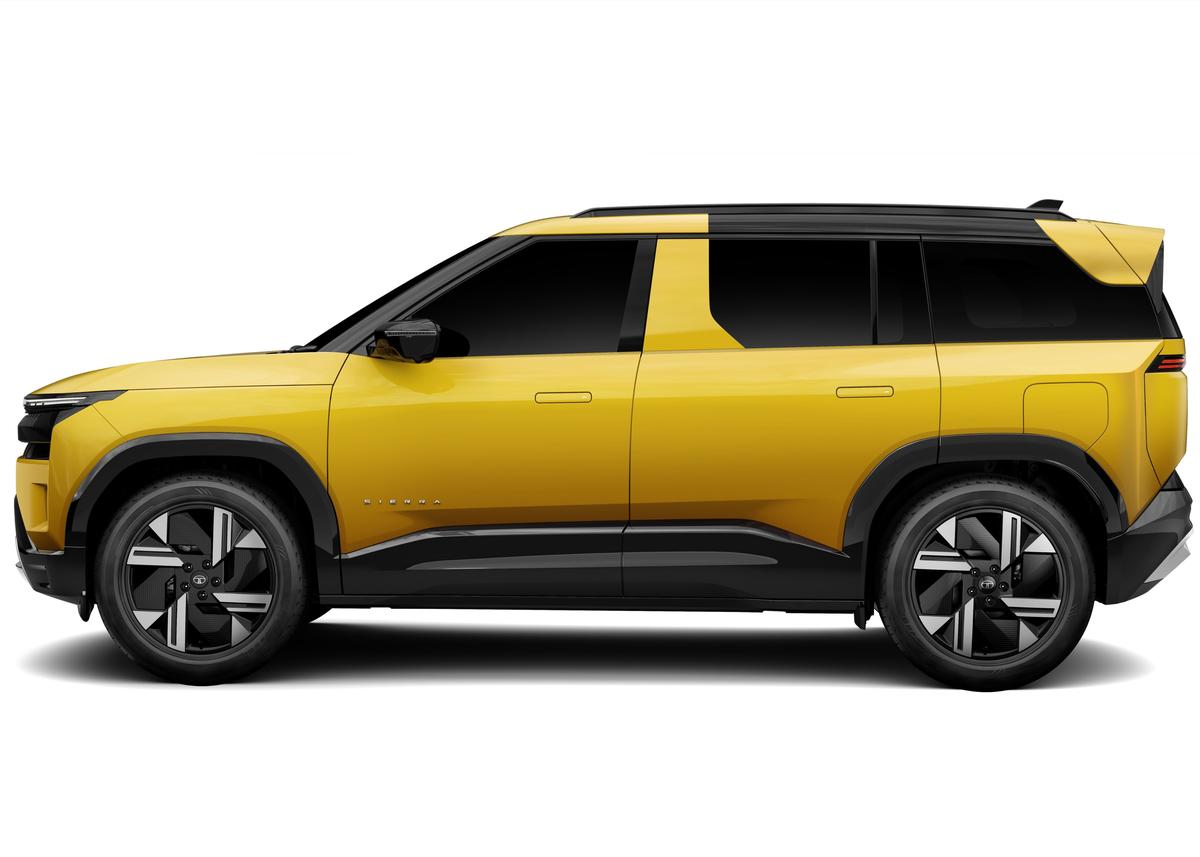
With a 2730 mm wheelbase, PanoraMax sunroof, and thoughtfully crafted interiors, the Sierra redefines comfort for families.
| Photo Credit:
Special Arrangement
The real highlight, however, is Tata’s decision to demonstrate the Sierra’s crashworthiness through a high-intensity, real-world head-on collision test. At 50 km/h with a 50% offset—conditions more severe than typical NCAP tests—the Sierra maintained its cabin integrity, protected all occupants including child passengers in CRS seats, and ensured full post-crash access through automatic door unlocking and unobstructed extrication. The SUVs structural rigidity and precisely tuned restraint systems underscore Tata’s commitment to not just meeting safety norms, but exceeding them under real Indian driving conditions.
The Hyundai Creta factor
For nearly a decade, the Hyundai Creta has held an unchallenged position as India’s leading mid-size SUV, ith each new competitor seemingly reinforcing its dominance. The arrival of the Sierra, however, feels different. This is not simply another new entrant trying to grab a share of the market—it is a product crafted to disrupt the established order.
The Sierra’s design makes an immediate statement: bold, distinctive, and far more characterful than the Creta’s cautious styling language. Where the Creta relies on brand confidence and long-established reliability, the Sierra leans heavily into emotional pull—nostalgia, identity, and the pride of owning a nameplate with real heritage.
Then there is the spacious cabin and Tata’s reputation for space optimisation, which already gives the Sierra an edge for families seeking comfort beyond the rear seat. Match that with modern powertrain, refined transmission options, and a suite of convenience features expected in this segment, and Tata has crafted a product that aligns almost perfectly with the expectations of today’s Indian buyers.
The Sierra’s greatest advantage, however, may lie beyond the spec sheet. While Hyundai has built the Creta on rational appeal—features, efficiency, wide dealership reach—the Sierra connects on a more emotional level. For many buyers, especially those who grew up seeing the original Sierra as a status symbol, the new version awakens something deeper. It does not just offer value—it offers identity.
Is it too early to call the Creta dethroned? Absolutely. The Creta has not survived this long by accident. But for the first time in years, the Sierra has a challenger that does not just match its numbers—it strikes at its narrative.
A new chapter begins
The return of Sierra marks a pivotal moment for Tata Motors. It reflects the brand’s growing confidence, its design maturity, and its readiness to lead rather than follow. More importantly, it mirrors the evolution of the Indian buyer—someone who now seeks individuality, substance, and emotional satisfaction from their vehicle, not just functionality.
The all-new Sierra is far more than a product revival. It is a reminder that cars can stir nostalgia while delivering modernity; that legacy can be honoured without being trapped by it; and that a beloved nameplate can evolve into something even more desirable.
The price begins at ₹11.49 lakh, placing the Sierra directly against the mid-size SUV kingpin. How the battle unfolds will be fascinating to watch—but one thing is certain: the segment has officially been shaken.
Prices start at ₹11.49 lakh
Motorscribes, in association with The Hindu, brings you the latest in cars and bikes. Follow them on Instagram on @motorscribes