



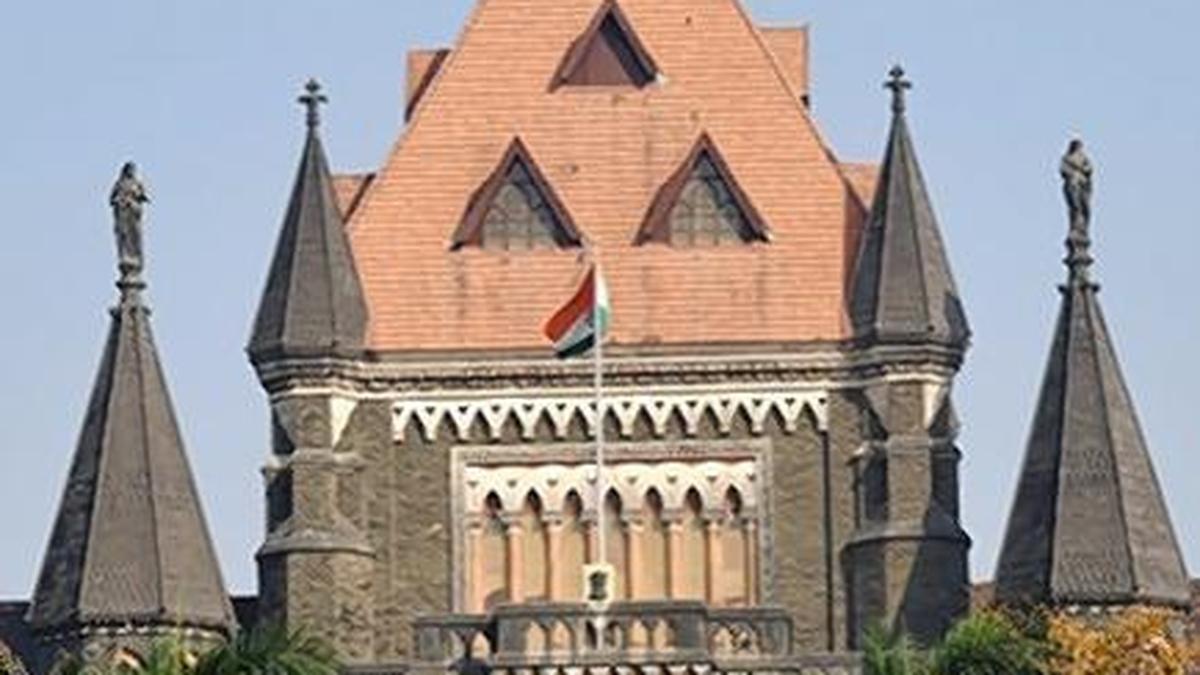

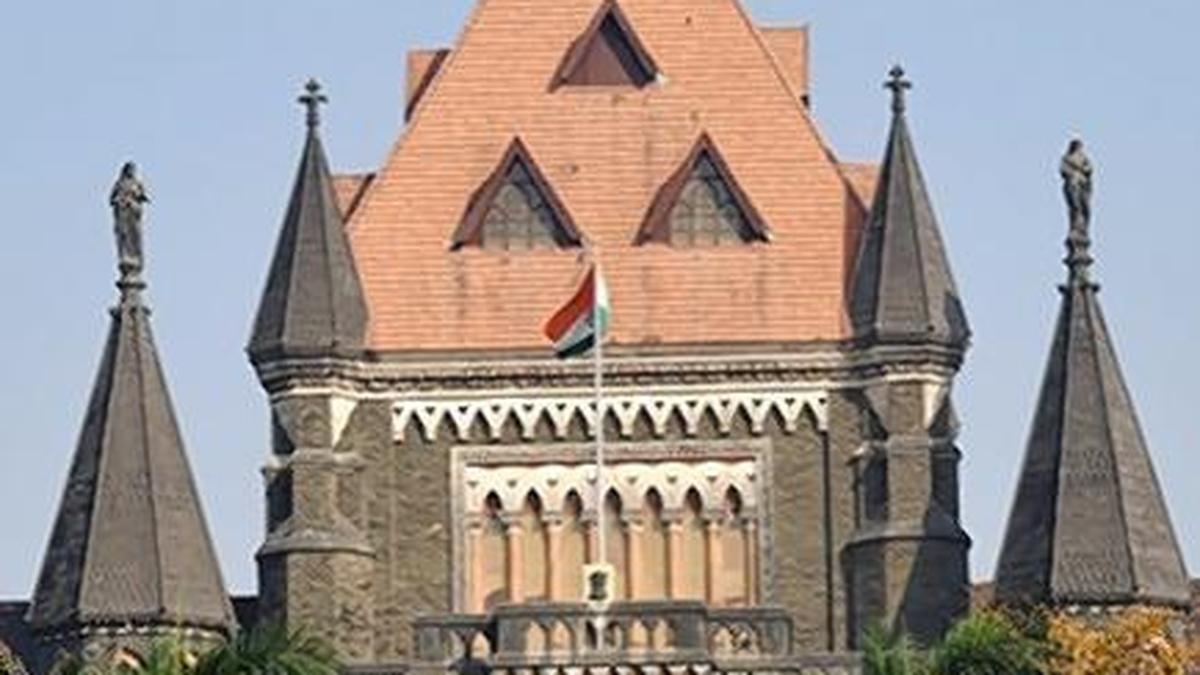
Bombay Court disposed of 2,006 petitions filed by Anjuman-I-Islam, along with petitions by National Kannada Education Society, South Indian Education Society, The Andhra Education Society, and the Association of Sindhi (Linguistic) Minority. File
| Photo Credit: Vivek Bendra
After 24 years of litigation, the Bombay High Court on Monday (December 1, 2025) resolved a long-standing dispute over teacher qualifications, ruling that educators appointed ad-hoc during a shortage of trained candidates will not be denied pension and other service benefits.
The decision came as the Court disposed of 2,006 petitions filed by Anjuman-I-Islam, along with petitions by National Kannada Education Society, South Indian Education Society, The Andhra Education Society, and the Association of Sindhi (Linguistic) Minority.
A Division Bench of Justice Ravindra V. Ghuge and Justice Ashwin D. Bhobe observed that the issue had “worked itself out” and directed that teachers who served under interim orders between 2005 and 2008 should not suffer any loss of benefits.
“The entitlement of aforesaid teachers to any further benefits/pensionary benefits shall not be denied only on the ground that during the period from 2005 to 2008 they have discharged duties on the post meant for undergraduate teachers. Subject to their entitlement, they would be entitled to all benefits,” the Bench ruled.
The issue pertains to a government resolution dated January 17, 2001, which mandated that private secondary schools appoint 75% teachers with Diploma in Education (D.Ed) qualifications and only 25% graduates for standards V to VII.
Advocate Arvind G. Kothari, representing the associations, said, “While intended to improve teaching standards, the rule created a crisis for English-medium schools, which struggled to find D. Ed-qualified teachers. At the time, Mumbai had very few D. Ed colleges, each with limited capacity, and most graduates were from Marathi-medium backgrounds, making them unsuitable for English-medium classrooms.”
Faced with vacant posts and mounting pressure to complete the syllabus, schools turned to the courts under Article 226 of the Constitution. Anjuman-I-Islam and other minority institutions argued that despite repeated advertisements and requests to the Education Department, no suitable D.Ed candidates were available. They sought permission to appoint B. Ed-qualified teachers instead.
Recognising the urgency, the High Court granted interim relief in April 2006, allowing schools to appoint B.Ed-qualified teachers on an ad hoc basis until D.Ed candidates could be found. Similar orders had earlier been passed on petitions filed in 2002 and 2004, setting a pattern of judicial intervention to prevent disruption in education.
The Education Department, however, repeatedly refused to approve these appointments, forcing schools to continue litigation. In February 2024, the High Court hearing petition filed in 2006, ruled that benefits cannot be denied merely because teachers discharged duties in undergraduate posts during the shortage period.
The latest order applies the same principle to the current batch of petitions, Mr. Kothari said. “This ruling secures the rights of hundreds of teachers and minority institutions after nearly a quarter century of litigation. Education authorities are now expected to issue clarifications to ensure compliance with the Court’s directions,” he added.
Published – December 01, 2025 08:10 pm IST