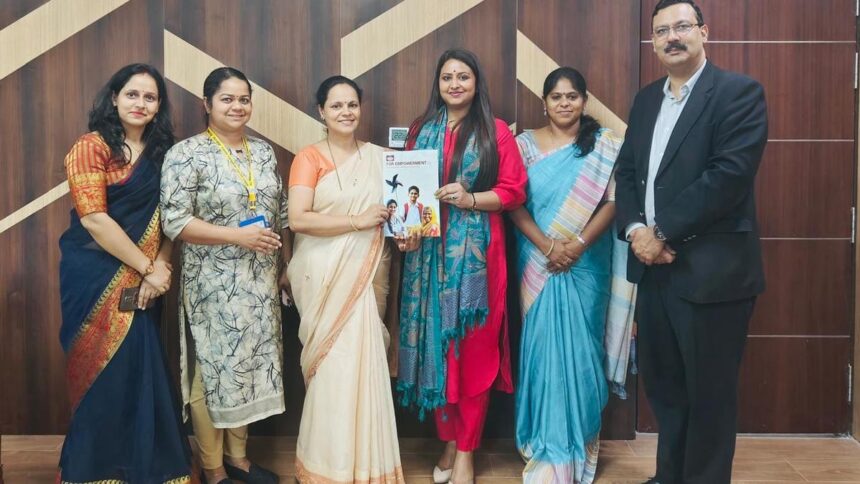





Telangana has been identified as a key focus State in a nationwide push to eliminate child marriage, with 26 districts marked for intensive intervention over the next year.
The effort is part of an initiative, announced by the Just Rights for Children (JRC), a coalition of more than 250 NGOs, which aims to make 1 lakh villages across India child-marriage free within the next one year. These villages fall within the districts identified as high-prevalence areas under the National Family Health Survey (NFHS) V (2019-21).
The announcement coincides with the first anniversary of the Union Government’s “Bal Vivah Mukt Bharat” campaign. Data from NFHS-V shows that 23.5% of women in Telangana are married before 18, slightly above the national average of 23.3%. The situation varies sharply across districts, with prevalence rates above 30% in eight districts including Vikarabad, Khammam, Jogulamba Gadwal, Wanaparthy, Nagarkurnool, Medak, Kamareddy and Sangareddy. Nine other districts exceed the national average.
JRC, which works with 11 partner organisations in Telangana, prevented 10,518 child marriages in the state in the past year alone. Nationally, the network reports having stopped over 1 lakh child marriages during the same period, making it the largest civil society grouping working in child protection.
Bhuwan Ribhu, founder of JRC, emphasised the need for deeper community engagement in the coming year. “The role of community groups, faith leaders, panchayats and citizens is central to building a child marriage-free India. The Bal Vivah Mukt Bharat campaign has become a model for the world. It also stands as a celebration of our collective work to end this crime against children,” he said.
JRC’s work draws on the 3P model — Protection, Prevention and Prosecution — which it credits for preventing more than 4.35 lakh child marriages across India between April 2023 and November 2025.
To mark one year of Bal Vivah Mukt Bharat, the Ministry of Women and Child Development has launched a 100-day intensive action plan, culminating on March 8, 2026.
The plan is divided into three phases, with the first phase focusing on awareness programmes in educational institutes followed by religious places and marriage-related service providers, including temples, mosques, churches, gurudwaras, wedding halls, and band parties in the second phase. Gram panchayats and municipal wards to strengthen community-level engagement and ownership would be part of the third phase.
Published – December 06, 2025 08:47 pm IST