




It is often and rightly said that scent is the language of inanimate things. Intrinsically associated with memory and emotion, perfumes and aroma play a major role in influencing the mood and atmosphere of any space. In fact, Bengaluru airport recently introduced a special scent ‘Dancing Bamboo’. This was Bengaluru International Airport’s signature scent developed in collaboration with Aéromé around August this year. It is diffused mainly in Terminal 2 (T2) of BLR Airport, in areas like check-in and arrival zones. The scent is described as having a rooted, earthy aroma with notes of wood, leather and spice.
The idea? To make travellers feel relaxed and more at home. Apart from airports, offices, luxury hotels, even homes boast of signature fragrances which elevate the ambience of the space. Scent today is rapidly moving from an optional lifestyle addition to an integral component of high-end and holistic interior design.
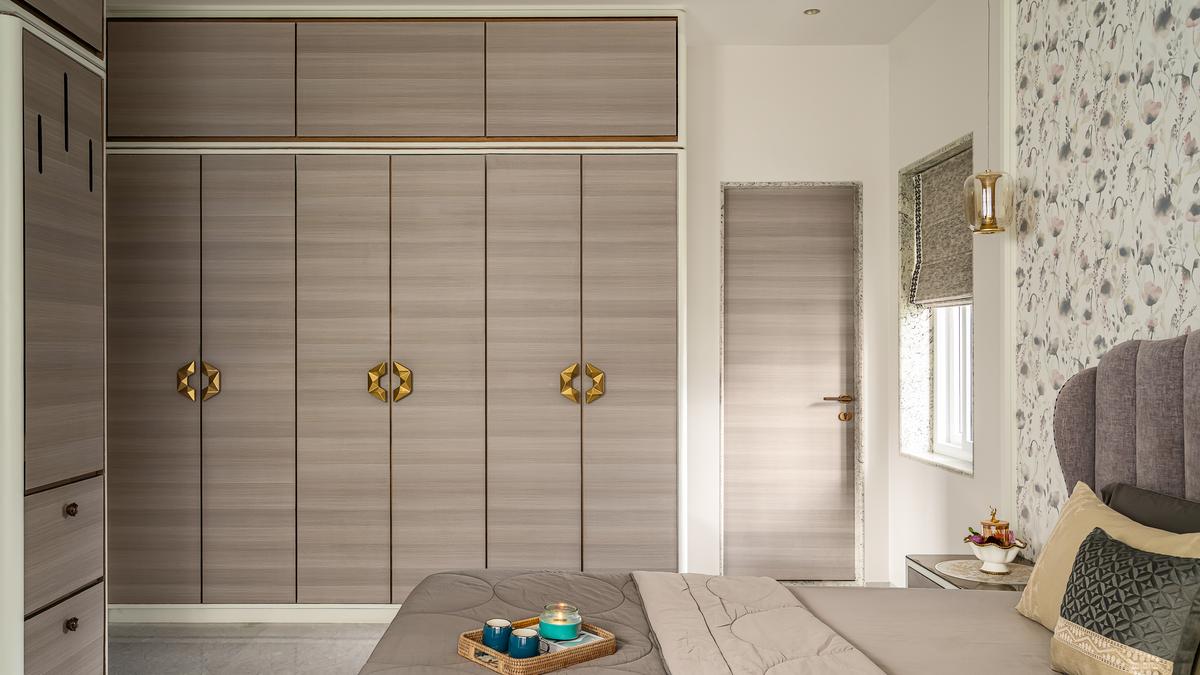
Woody whispers move through the still air, wrapping the space in ease.
| Photo Credit:
Ali Tambawala
Integral part of home interiors
Also called scent scaping, there is an increasing number of designers who are making strategic use of aromas to create spaces that feel as good as they look. “Scent has moved from being a decorative afterthought to a design language of its own. The same way you plan your light temperature or wall texture, scent now defines spatial energy. In India, I’ve been doing this for close to a decade; initially, it was a bit of a task to make people understand the concept, with only a few big corporations adopting scent scaping. But now, it has trickled down to homes as well with architects and private clients consciously wanting to build an olfactory identity that’s as intentional as the furniture or the interior aesthetics,” says Pranav Kapoor, 8th generation perfumer and chef. He further adds that most of their scents are natural, in that they are a combination of essential oils, attars, absolutes and Ruh with each coming from a different process of distillation. For interiors, they use a mix of these natural perfumes as well as synthetics (safe, USFDA & IFFRA approved) as alternatives to some endangered or rare plants and flowers.

Roses ready for the distillery.
| Photo Credit:
Pranav Kapoor
The rise of wellness-oriented design has made scent scaping increasingly relevant; the right fragrance completes the sensory loop, enhancing comfort, focus and emotional connection. “At Custom Design Stories, we view interiors as multi-sensory environments, not just visual compositions. For us, scent is a subtle design layer that ties function, emotion, and memory together,” says Ananya Sharma, co-founder, Custom Design Stories. An intimate and expressive part of interior design, scent today is that invisible essence that lingers long after someone has left a room. “For me, scent completes a home; it gives emotion to architecture and personality to design. At AE Living, we’ve always believed that a home should not only look beautiful but also feel alive, and fragrance is what breathes that soul into it,” says Vrinda Kumari Singh, creative director, AE Living.
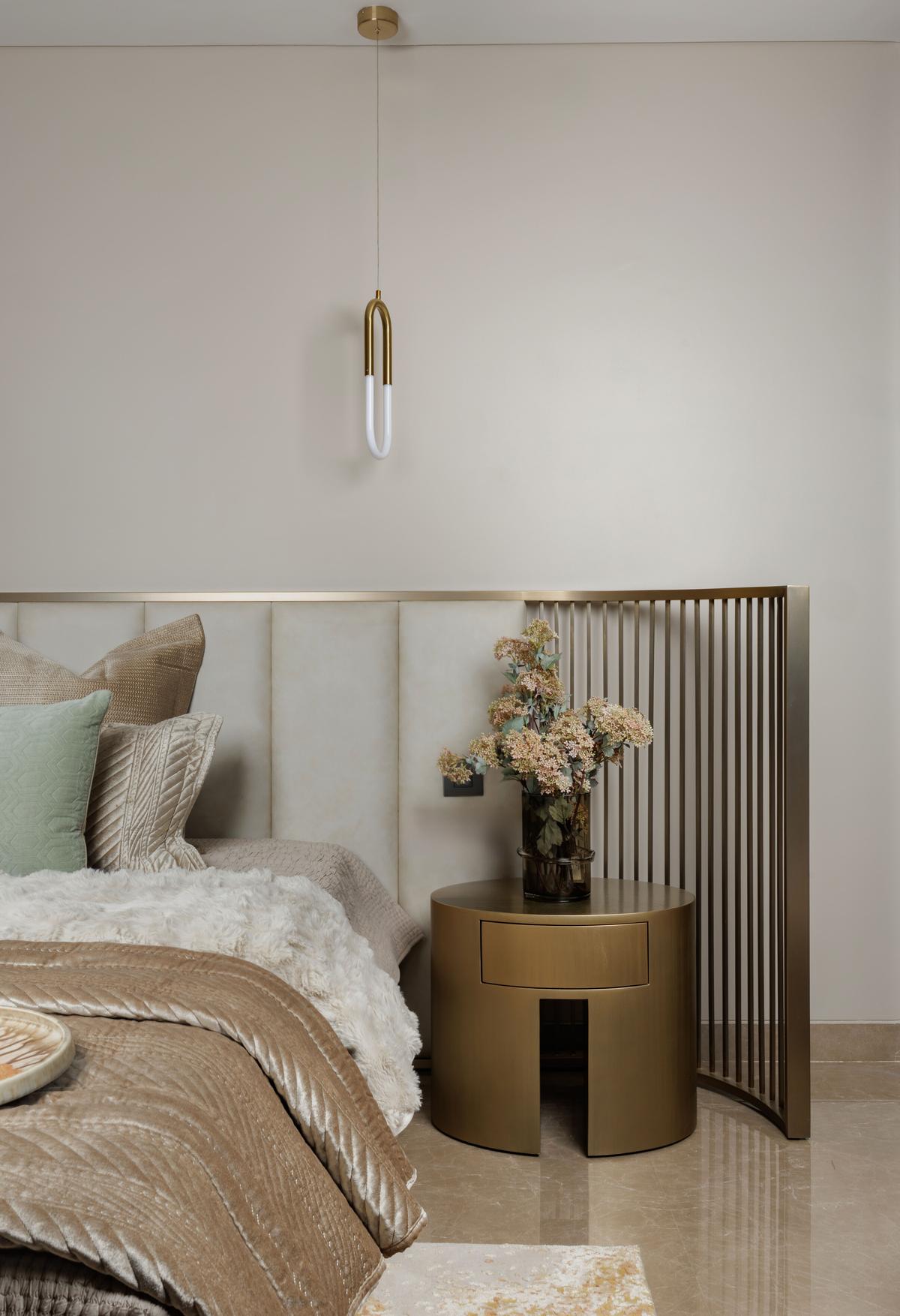
In the hush of neutrals and brass, scent takes over where sight ends.
| Photo Credit:
Manish Kumar
A fragrance does not just pervade the space; it shapes it and also anchors emotion within a space. It can make a room feel expansive or intimate, vibrant or calm, depending on the tone you wish to set. “It can expand, soften, or tighten the perceived volume of a room. I have designed scents that make marble-heavy interiors feel warmer, or minimal homes feel alive. For example, at a recent project in Gujarat, I created a scent giving the illusion of water fresh, aqua, and moss, which lends a vibe of wilderness and nature without overpowering the space,” adds Kapoor. He adds that the number of scent scaping requests he receives has seen a sharp rise in the recent past. “Clients want something unique, personal yet spatially intelligent. One client wanted his study to smell like ‘fresh rain on sandstone’, while another couple wanted their living room to evoke ‘a courtyard in Madurai at dusk’”, mentions Kapoor.
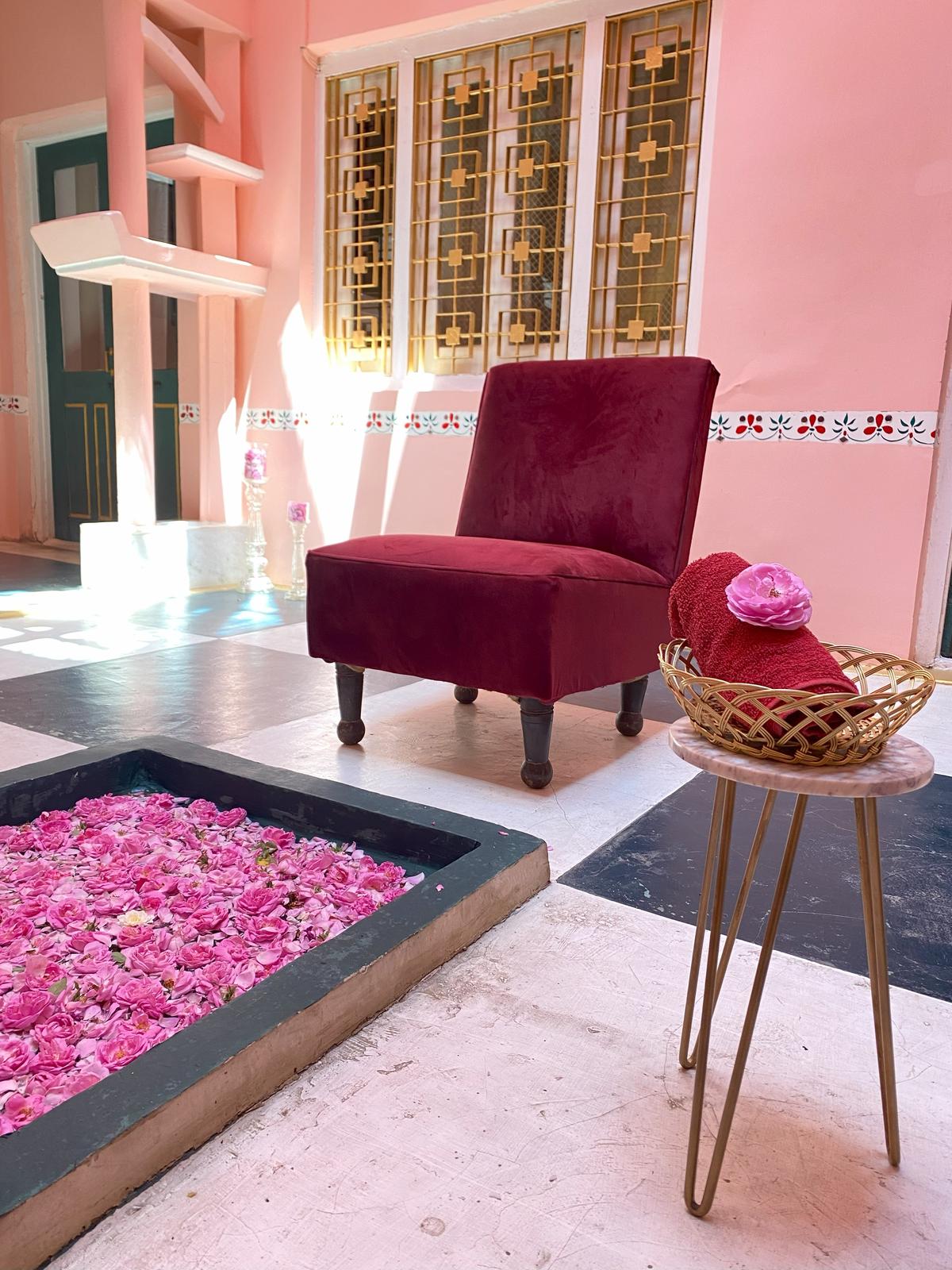
Fragrances can help transform the ambience of a space.
| Photo Credit:
Pranav Kapoor
Designers often draw inspiration from both nature and craftsmanship. “Natural scents, like the raw, earthy aroma of wood veneer or bamboo, are intrinsic to many of our collections, such as the picturesque. These organic notes provide an authentic grounding. Alongside these, intentional fragrances can also be introduced in any space, including carefully chosen essential oils or curated blends that complement the visual narrative of the room. For instance, a nature-inspired mural might pair beautifully with verdant green or mossy undertones, while a heritage-inspired setting like Noor-e-Banaras resonates with hints of sandalwood, rose, or incense,” says Neha Jain, co-founder, UDC Homes.
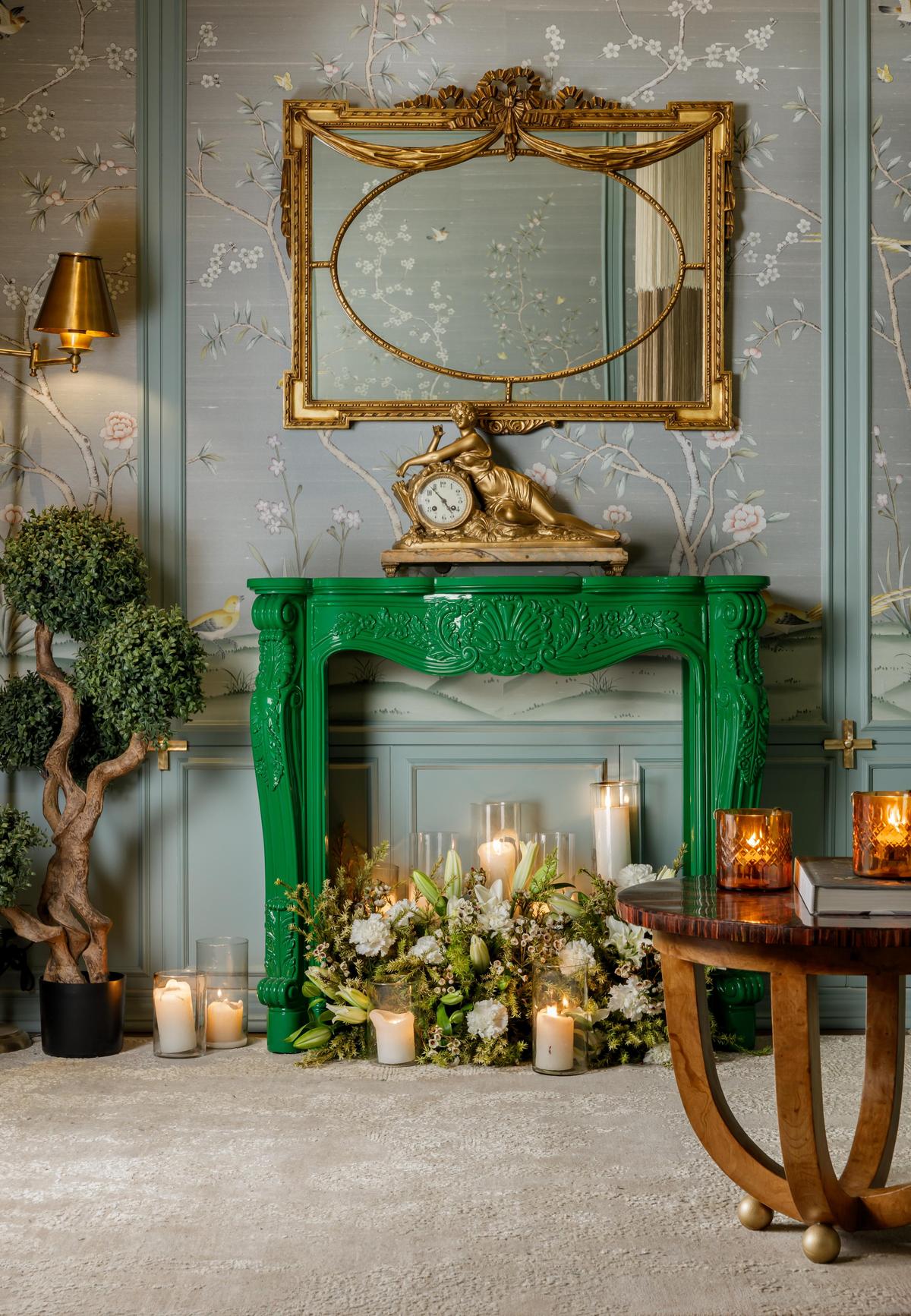
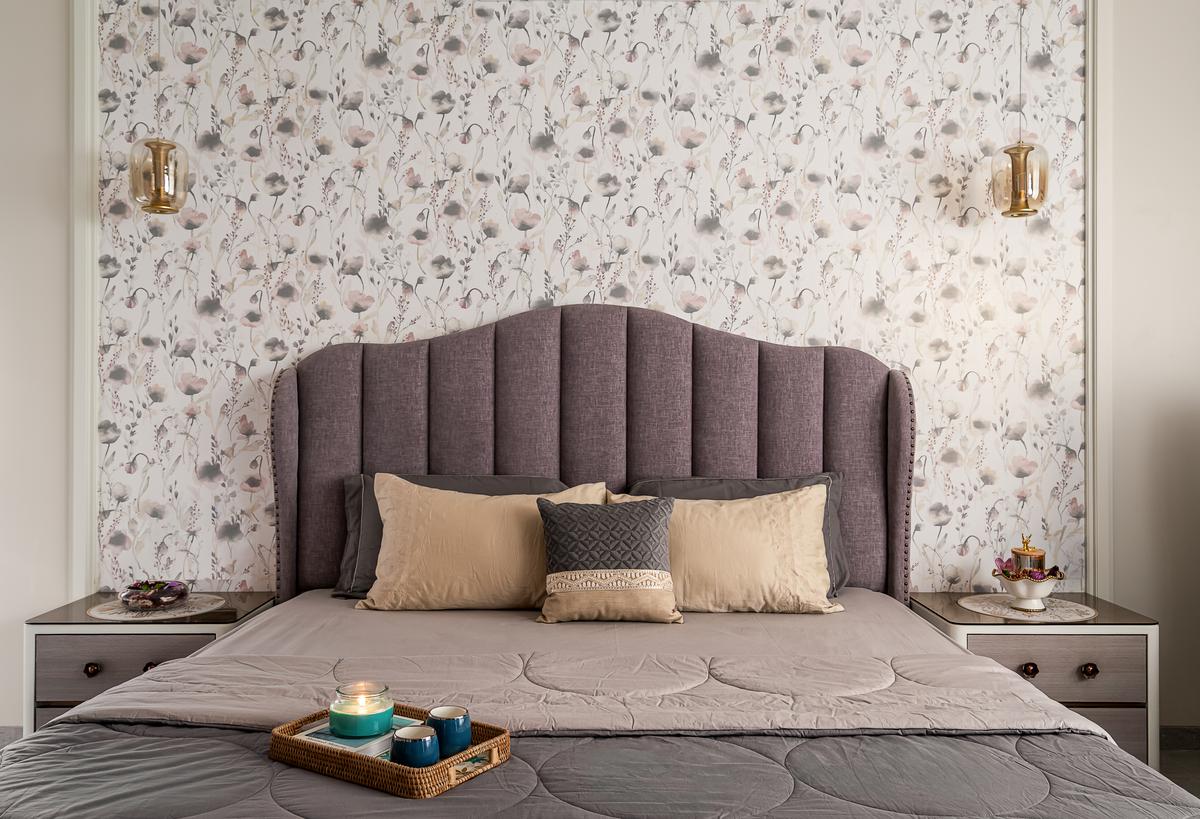
Softly perfumed blooms at the hearth blur the line between décor and emotion. Here, scent completes the story that pattern and colour begin, serene, luminous, and alive.
| Photo Credit:
UDC Homes
Scents galore
While a crisp citrus or floral scent can infuse freshness and vitality, deeper notes like amber, musk, or sandalwood create an aura of intimacy and grounding. The right scent heightens the personality of a room, lending warmth to minimal interiors, tranquillity to bedrooms and energy to communal spaces. “Earthy scents like sandalwood, cedar and vetiver have a luxurious yet grounding effect and are hence common in libraries or study rooms. Invigorating scents like bergamot, grapefruit, lemon and mint are used in areas like kitchens and bathrooms, while spaces like living and guest rooms envisage the use of floral aromas like rose and jasmine,” says Ali Tambawala, founder, Airspace Studio. He also adds that gourmand perfumes like vanilla, cinnamon and coffee are generally used sparingly, while herbal notes like lavender, eucalyptus and chamomile, known for their therapeutic effects, are normally used in spa bathrooms.
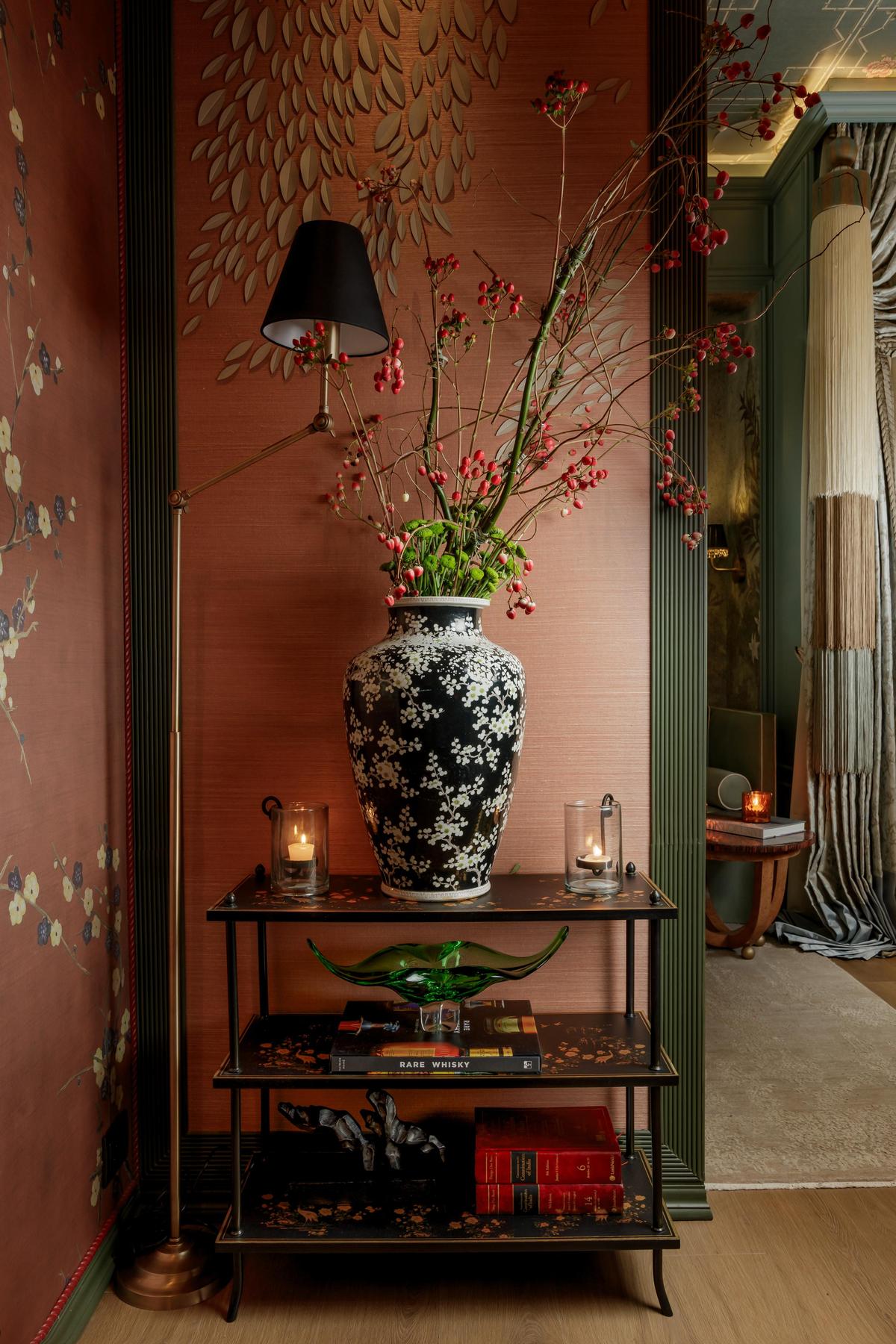
Fragrance finds form in texture and tone, crimson berries, candlelight, and silk walls conjure a scent narrative of warmth and spice, enveloping the corner in quiet opulence.
| Photo Credit:
UDC Homes
It is common to work with both inherent material scents and intentional fragrances. “Natural materials like wood, leather, concrete and lime plaster have distinct olfactory identities that we respect and allow it to lead the experience. Beyond that, we occasionally introduce intentional fragrances using essential oils or diffusers to subtly enhance the existing mood. The goal is not to overpower but to amplify what’s already there, like letting the texture of oak or the mineral note of stone breathe through the design,” adds Sharma.
Singh says that at AE Living, their signature notes are oodh, jasmine and rose. While oodh adds depth, grounding and quiet luxury, jasmine brings peace, balance, and gentle positivity. Further rose infuses romance and grace. “These beautiful blends are specially curated for us by WIKKA fragrance solutions. Together, we have explored how scent can complement design,” adds Singh.
Implementation cues
The format of dispersion depends on the architecture of the home. “For open-plan spaces or villas, I prefer mist diffusers or intelligent HVAC scenting systems that integrate directly with air ducts. For smaller or ritual corners, I use sprays and brass oil burners with controlled heating so the scent diffuses with the right strength. The intent is seamlessness, the scent should breathe with the space, not sit on top of it,” quips Kapoor. Candles are often used in residential settings for soft evening moods, while sprays are reserved for short-term freshness before a gathering or a party. “Reed diffusers are excellent for constant, low-level scent in smaller, defined areas like bathrooms and foyers,” adds Tambawala.
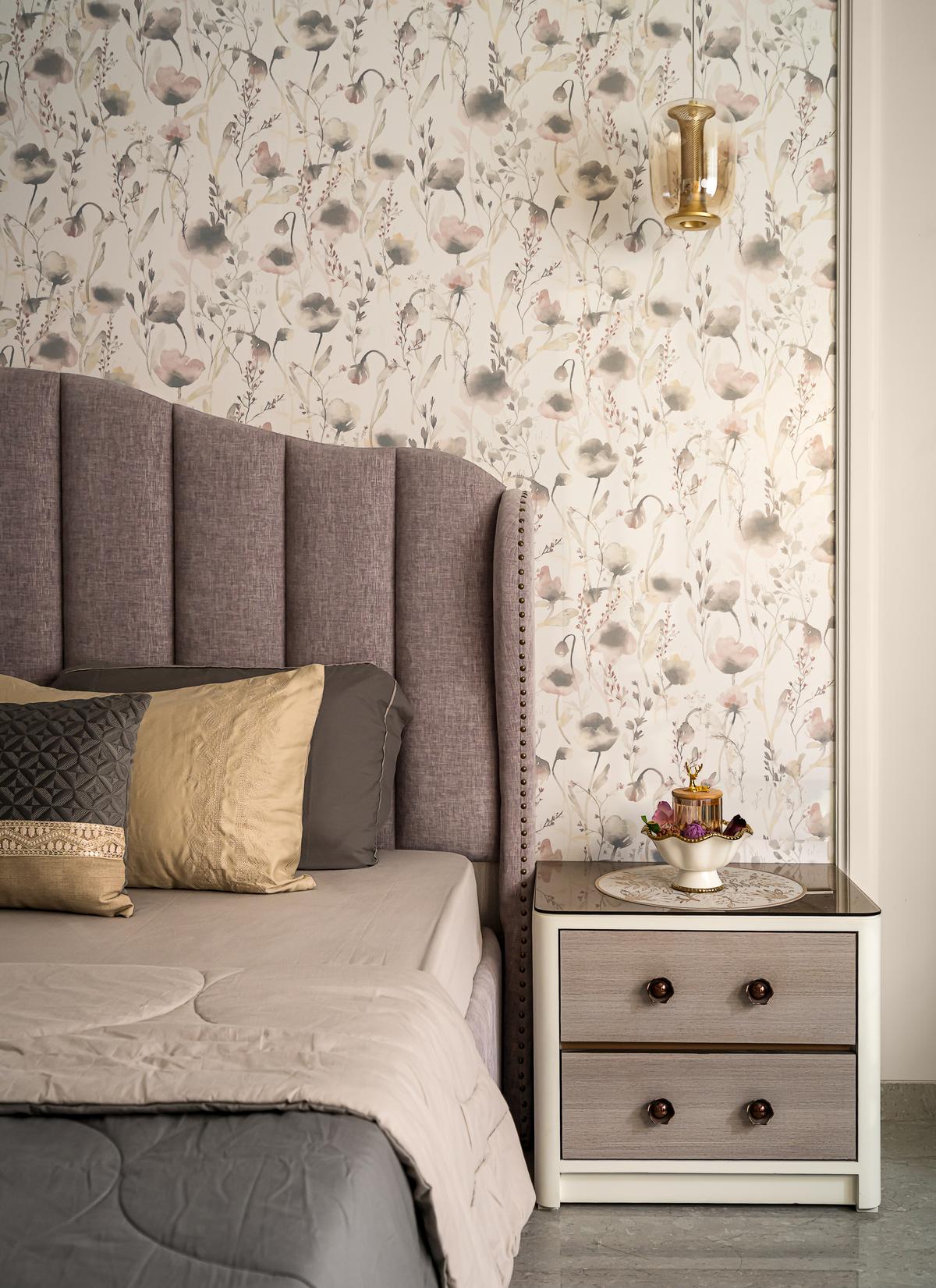
Earthy notes and gentle florals weave a tranquil aura through the space.
| Photo Credit:
Ali Tambawala
Fragrance layering should feel architectural, structured and seamless. “Deeper, resinous fragrances travel better in expansive areas, while softer florals or herbal notes thrive in intimate spaces,” adds Jain. Continuity is important; scents should evolve gently from one space to another, not shift abruptly. “Also, the same fragrance behaves differently in a compact room versus a double-height volume. Fragrance molecules bind differently with stone, fabric, or wood, so the choice should respect material character,” adds Sharma. As with everything, balance is the key, and hence it is important to note that layering and scent scaping is just not about stacking perfumes; it is about composing an experience that develops in harmony, both technically and emotionally.
Price points: Depending on the type of scent and budget, the price range for these fragrances starts from ₹6,000/- per litre and goes upto ₹50,000/- per litre.
The Bengaluru-based freelance writer is passionate about all things design, travel, food, art and culture.