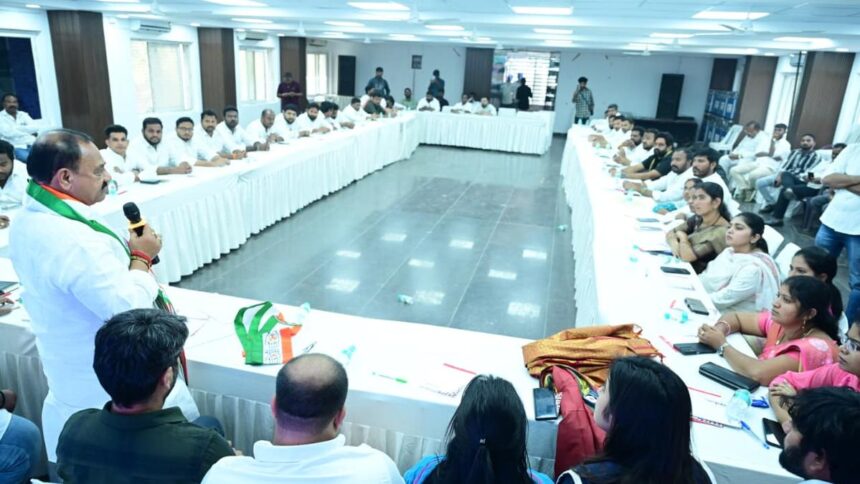






Working women’s wings of trade unions across Tamil Nadu held demonstrations on Saturday against the State government’s draft amendment notification that proposes to allow women to work in hazardous industries.
Employment of women in jobs termed hazardous had been prohibited for more than 75 years on health and safety grounds. These include fibreglass and glass manufacturing units, graphite powder processing, chromate operations known to cause cancer, dye manufacturing, fireworks and matchstick factories, pesticide and fertiliser production, benzene-related industries, and processes involving high noise and vibration.
In a joint statement, the organisations criticised the government for issuing the notification without public consultation and for failing to provide clear reasons for scrapping long-standing safety regulations meant to protect women workers.
Malathi Chittibabu, State Treasurer of CITU, warned that exposure to toxic gases, pesticides, lead-based processes, and industrial chemicals results in serious health consequences for women, both in the short- and long-term.
“Several working women are already known to be anaemic. Such jobs might lead to damage to the nervous system, headaches, respiratory illnesses, skin allergies, kidney damage,” she said, adding that portraying employment in hazardous industries as empowering for women was a false narrative.
In the statement, the unions highlighted risks to reproductive health, including menstrual disorders, infertility, miscarriages, birth defects, and impaired child development. “When the jobs are considered bad for pregnant and young women, it can still have the same ill-effect on women of reproductive age, can’t it? In this case, lifting restrictions on women working in hazardous sectors is entirely inappropriate,” said Ms. Chittibabu.
Pointing to weakening regulatory oversight, the unions said that while industrial activity has increased significantly over the decades, the number of factory inspections has declined and the inspection machinery is not functioning effectively enough to protect women workers.
They also criticised provisions that require women’s written consent for hazardous or night work, calling the process a mere formality. In a climate of job insecurity and lack of wage protection, workers have little real choice to refuse such assignments, the groups said, demanding the immediate withdrawal of the draft amendment notification.
Published – November 30, 2025 12:42 am IST