




The counsel for the Centre and certain social media platforms also took objection to the maintainability of the petition in view of some orders of the Supreme Court and high courts, which refused to entertain petitions on a similar issue
| Photo Credit: Sushil Kumar Verma
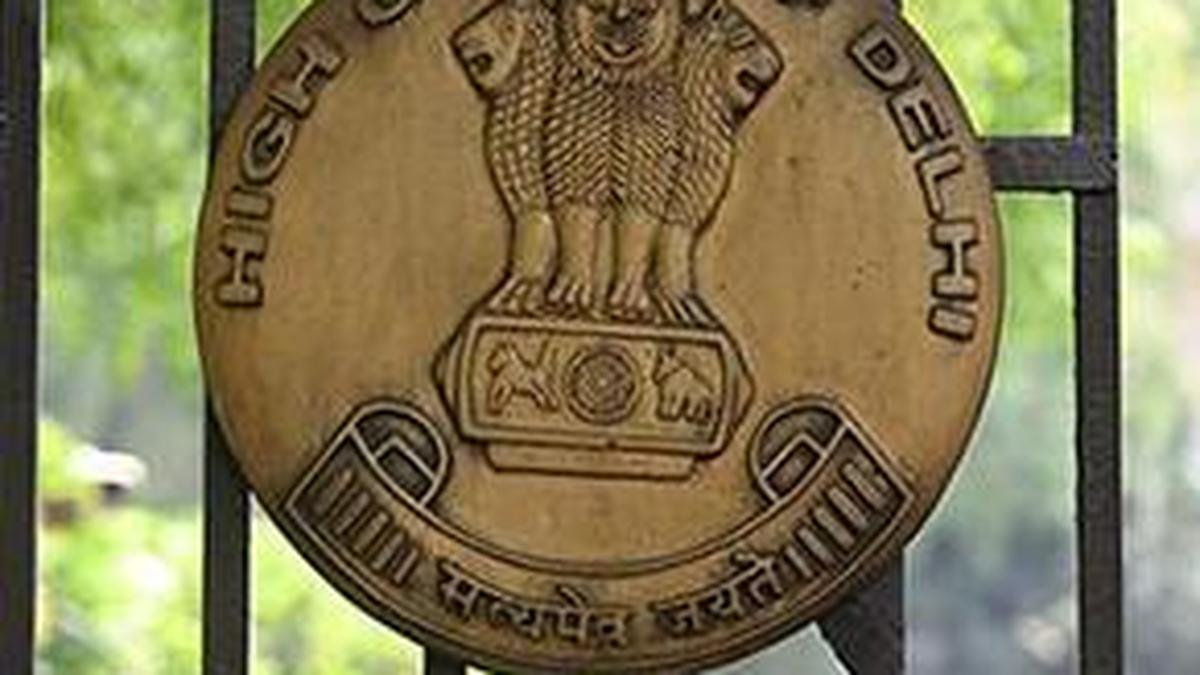
The Delhi High Court on Wednesday (September 16, 2026) asked the Centre to respond on whether it was contemplating a policy to regulate addiction-causing design features on social media platforms like infinite scroll and autoplay.
A bench of Justices Nitin Wasudeo Sambre and Amit Sharma said it would hear, after three weeks, a public interest litigation (PIL) seeking constitution of an expert committee to examine engagement-maximising and addiction-causing design features on social media platforms.

On being asked by the court whether the Centre was contemplating framing a policy on the issue, additional Solicitor General Chetan Sharma said he does not have specific instructions on this.
To this, the bench orally said, “you take instructions whether you are contemplating framing of a policy and we will have the matter after three weeks”.
Mr. Sharma also said that the PIL does raise some issues, but it will be in the domain of the policy makers to consider and suggested that the petition could give a representation to the government.

The counsel for the Centre and certain social media platforms also took objection to the maintainability of the petition in view of some orders of the Supreme Court and high courts which refused to entertain petitions on a similar issue.
Petitioner Vikas Kathuria, a professor of law, said the fulcrum of the issue is not what content social media platforms carry, but how such platforms are architecturally designed to cause addiction through infinite scroll, autoplay, algorithmically curated and personalised feeds, notification systems and variable-reward engagement metrics, such as “likes”, to capture, retain and repeatedly re-stimulate the attention of the user.

The plea said the concern assumes significance in the Indian context as statistics reveal that Indian youths aged 18-24 spend more than 120 minutes on an average every day on social media.
It has been clinically proven that long hours on social media have been linked to suicide and depression among adolescents, the petition filed by advocates Kartika Sharma, Harsha Sadhwani and Subhika Joshi said.

The plea sought the court’s direction to the central government and the National Commission for Protection of Child Rights to restrict, prohibit, or regulate the use of infinite scroll, autoplay, algorithmically curated feeds and persistent notifications.
The petition also sought the constitution of an expert committee to examine engagement-maximising design features on social media platforms and to recommend safeguards.
(Assistance for overcoming suicidal thoughts is available on the State’s health helpline 104, Tele-MANAS 14416. and Sneha’s suicide prevention helpline 044-24640050)
Published – September 16, 2026 03:04 pm IST