







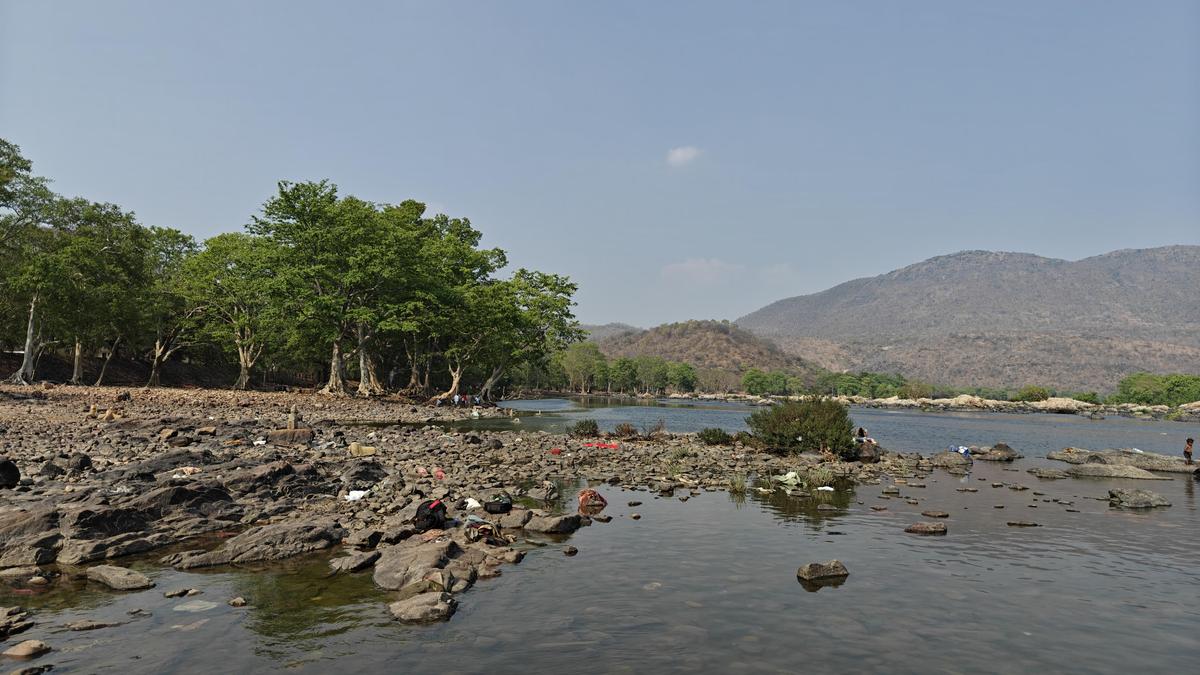

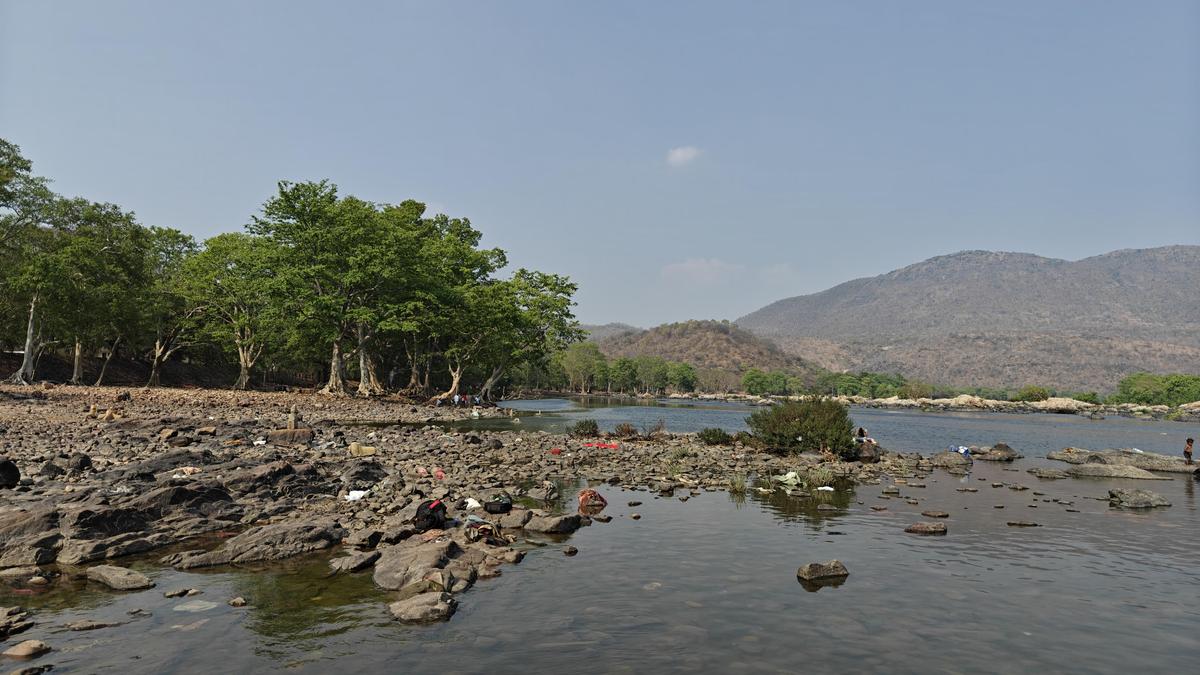
An environmentalist says that heavy machinery is being used to dig pits in Sangama, Halagur, and Mugguru ranges of the sanctuary, causing destruction of the grasslands.
| Photo Credit: K. MURALI KUMAR
Allegations have surfaced that the water harvesting pits dug by the Forest Department inside Cauvery wildlife sanctuary is resulting in loss of natural grasslands.
According to an environmentalist in the region, heavy machinery is being used to dig pits in Sangama, Halagur, and Mugguru ranges of the sanctuary, causing destruction of the grasslands.
“Several heavy machinery have destroyed natural grasslands in the name of digging water harvesting pits in the region. These grasslands are critical for providing fodder for elephants, sambar, spotted deer, gaur, and other herbivores. This destruction of natural grassland will impact fodder availability to wild ungulates ultimately increasing human-wildlife conflict,” he said.
Terming it “illogical and unscientific”, the environmentalist said that the department, on the one hand, has been cutting down trees to grow grasslands, claiming that it would provide fodder for wild herbivores and help reduce human-wildlife conflict, while on the other hand, spending more money to destroy natural grasslands inside the forest.
“The Cauvery sanctuary has woodland savannah habitats that are being destroyed. Several hundreds of pits have been dug using earthmovers. At the same time, in the same sanctuary, the temporary watchers have not been paid salaries for two months,” he said.
‘Scanty rains’
The Forest Department officials, however, denied that the activity is resulting in loss of grasslands.
“The pits are being dug to conserve the soil moisture content in the forest. It will only help in regrowth of grass and plants and might even help to germinate the seeds of trees like Teak which are deep within the soil. Some of these trees at its pole stage is good fodder for elephants,” said Surendra M.C., Deputy Conservator of Forests, Cauvery Wildlife Sanctuary.
He noted that the initiative is being carried out under the MGNREGA scheme and the funds are being provided by the Gram Panchayat.
Mr. Surendra also denied that heavy machinery are being used for the activity and claimed that the job was being done manually.
“Rain is scanty in Chamarajnagar causing soil moisture problems. Even BRT Hills got good rains this year. But it has been scanty in M.M. Hills and Cauvery,” he said, adding that the pits will also help to prevent runoff.
The trenches according to him are around one metre deep and bamboo seeds have been spread inside them.
‘Scientific execution critical’
Siddappa Shetty, ethnobotanist and senior fellow at ATREE, noted that while the activity could help with water conservation for the wildlife, it need to be done scientifically.
“In Cauvery sanctuary, apart from near the Cauvery River, other places do not have so much water in the dry season. So, the activity, if done correctly can help with water conservation inside the forests, especially given that the wildlife population is also increasing,” he said.
“But instead of doing it everywhere and going overboard, the department should ensure that it is done scientifically and based on the contours. There are some lakes and ponds already inside the forest and natural ponds that were historically used by communities in the region. Those can be desilted and revitalised. It is also important that the department ensures community participation,” he added.
Published – December 27, 2025 07:36 pm IST