




The city is back on the examination table as another edition of Swachh Survekshan 2026, the annual survey conducted by the Ministry of Housing and Urban Affairs to rank cities on cleanliness, hygiene and sanitation, is under way.
Those working on the ground with Greater Chennai Corporation say the outcome will depend as much on citizen’s civic sense as on the civic infrastructure, reminding residents that cleanliness starts at home.
The city’s performance has not been promising in the last few editions. From fifth position in 2023, the city slipped to a dismal 104 in 2024. Last year, Chennai’s ranking improved, but still did not prevent it from being a laggard in the area of cleanliness: it was placed in the 38th position.
Before a team from the Central Government visits the city between mid-February and March, a lot of work is intended to be done. The ‘New Swachh Survekshan’ indicators emphasises parameters such as visible cleanliness, waste segregation, collection and transportation, waste processing, dumpsite remediation, waste water treatment, reuse and faecal sludge management
For the last few months, GCC has been getting ready with a number of activities and initiatives. Saturday’s weekly collection of old sofas, mattresses and clothes from residents’ doorsteps was followed by the launch of Kuppai Thiruvizha.
Although the waste collection drive ended on January 23, officials point out this drive might be extended.
Recently, 1,250 metallic compactor bins were ordered for Zones IV, VII and VIII. On its social media handles, GCC is posting details of a flurry of cleanliness drives in different localities.
GCC has already privatised construction, operation and maintenance of public toilets to improve hygiene and for better accountability. Waste segregation at source is another important factor, so the role played by every individual in lessening the burden on conservancy workers counts. Every single sustainability initiative taken by a resident welfare association or individual, featured in the media, is being documented by GCC waste management partners.
What’s new
* Round the year citizen feedback through digital platforms
* Increased weightage of citizen feedback
* Separate matrix for coastal areas
* New indicator for prevention of open defecation and open urination
* Special focus on tourists/heritage/religious and high footfall places
* New indicator on behaviour change programme in schools
Source: Toolkit of 10th edition of Swachh Survekshan 2025-26
Distribution of marks
ODF/ODF+/ ODF++/Water+ — 1,000 Marks
Garbage Free Cities — 1,000 Marks
On-ground assessment including citizen feedback — 10,500 Marks
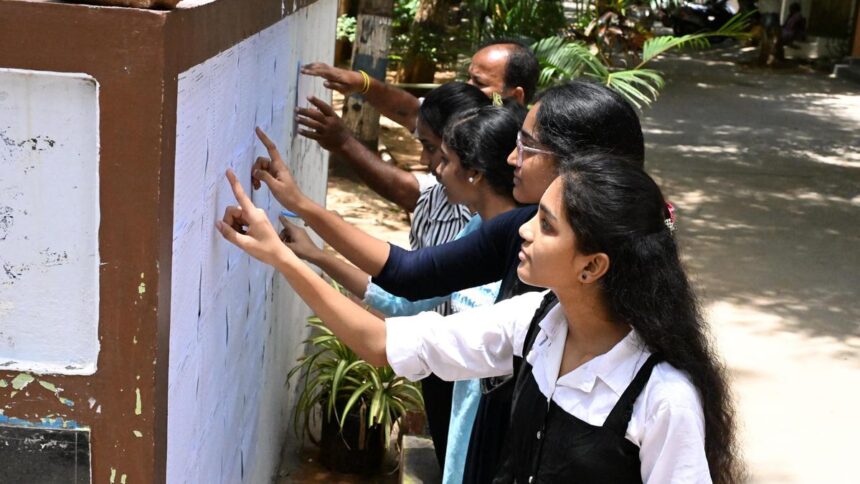
“People do not take the effort to fill the feedback form, and we lose out on account of that. Whatever be the feedback, filling it shows the level of engagement among citizens,” says the superintendent engineer, Solid Waste Management, GCC.
This time, feedback is being sought through the year, including through digital platforms. The effectiveness of the grievance redressal mechanism is also counted, accounting for 10% of the total marks.
Citizens can share feedback through multiple platforms, including the Vote For My City App and Portal, MyGov App, Swachhata App and QR codes.
An independent agency verifies the data and validates the progress of each city through on-call/ on-field interaction with citizens and randomly assesses areas in cities, while movement of assessors are geo-tagged.
Published – January 31, 2026 11:09 pm IST