








The IMF criticised the government’s decision earlier this month to reinstate a $126 million diesel subsidy, saying fuel prices should continue to adjust in line with international markets while protecting vulnerable households. File
| Photo Credit: Reuters
The International Monetary Fund (IMF) said on Monday (October 5, 2026) that it had reached a preliminary agreement with Sri Lanka that will allow it to access about $345 million from its $2.9 billion bailout programme.
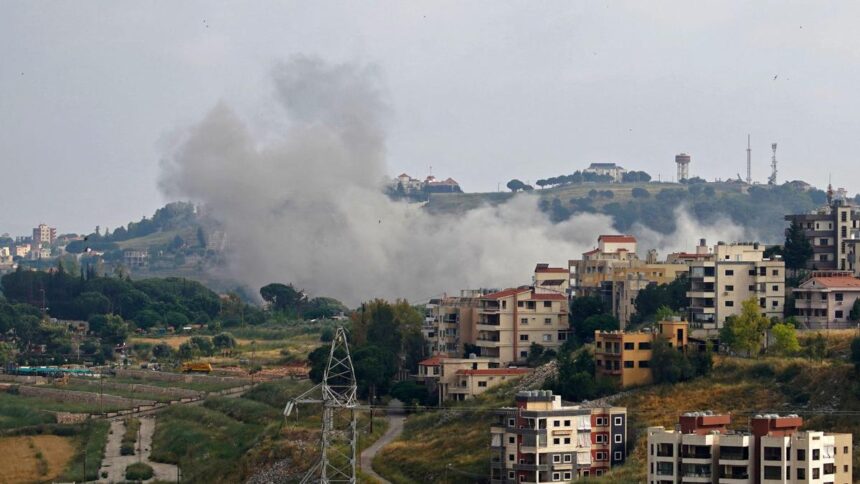
The Washington-based lender also warned that higher energy prices, the El Niño climate phenomenon and the conflict in West Asia could threaten the country’s economic recovery.
The agreement marks the latest milestone in Sri Lanka’s recovery from its worst economic crisis, which culminated in a sovereign default on $46 billion of external debt in 2022. The South Asian nation secured a four-year, $2.9 billion IMF rescue package in 2023.

“Sri Lanka’s economy has proved remarkably resilient to successive shocks,” the IMF said in a statement, noting the economy had recorded 11 consecutive quarters of expansion after contracting 7.3% in 2022. But the country “continues to face downside risks from uncertainty over the duration and intensity of the Middle East war, global trade policy, and the impact of El Nino,” it added.
The IMF also criticised the government’s decision earlier this month to reinstate a $126 million diesel subsidy, saying fuel prices should continue to adjust in line with international markets while protecting vulnerable households. It said the central bank should be prepared to tighten monetary policy further if higher energy prices triggered a second round of inflation.

Sri Lanka’s central bank recently raised interest rates by 100 basis points, to 8.75%, but has resisted calls for further increases, arguing they could undermine growth.
The latest agreement clears the way for what is expected to be the penultimate disbursement under the programme, which is due to expire in March 2027. Sri Lankan authorities have yet to decide whether they will seek a new arrangement with the IMF when the programme ends.
Published – October 05, 2026 01:26 pm IST