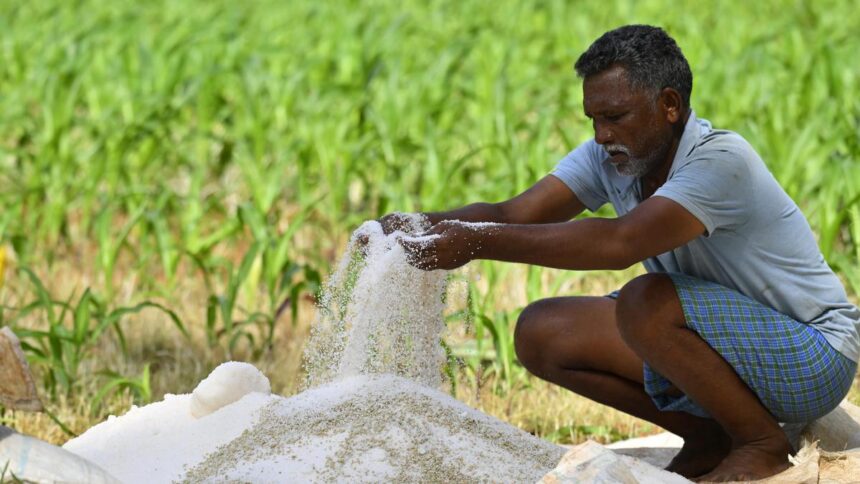







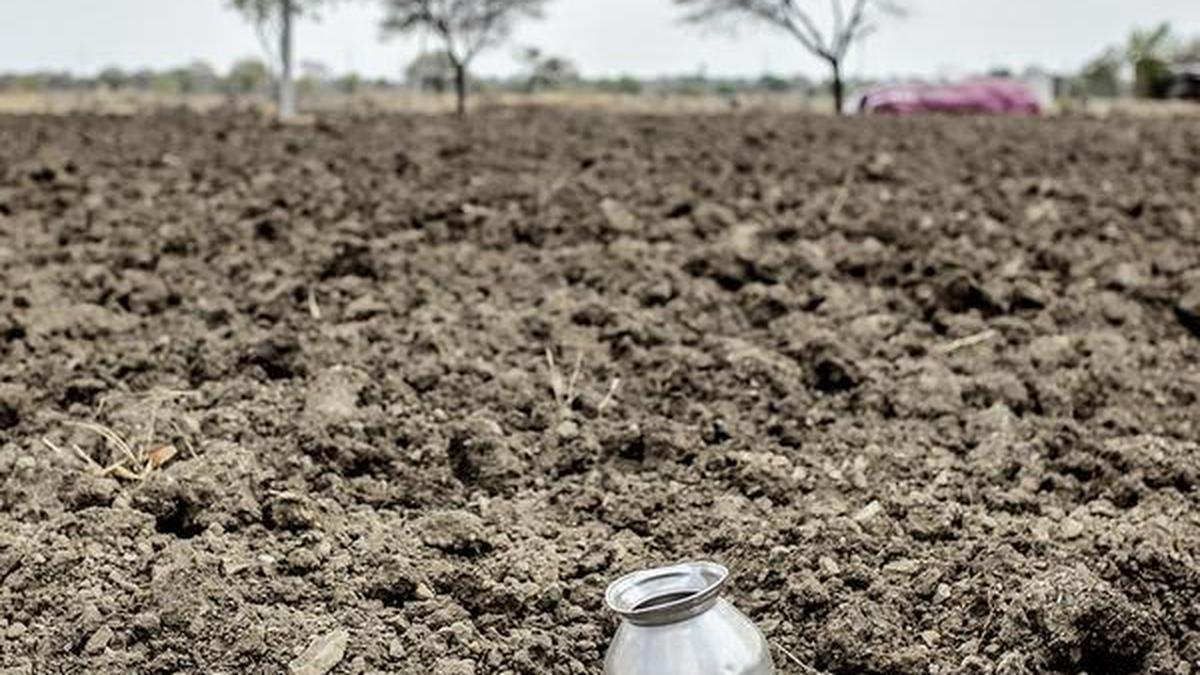


The Karnataka government has already declared 177 taluks drought-affected, while ground-truthing is under way in 40 more.
| Photo Credit: file photo
Karnataka has estimated crop losses of ₹46,324 crore owing to deficit rainfall, with 220 of the State’s 240 taluks likely to be declared drought-affected by the end of the Southwest monsoon, Deputy Chief Minister G. Parameshwara has said.
The government has already declared 177 taluks drought-affected, while ground-truthing is under way in 40 more. The number of drought-affected taluks could rise to 220, accounting for nearly 91% of the State’s total, he said.
Letter to Shah
In letters to Union Home Minister Amit Shah and Union Agriculture Minister Shivraj Singh Chouhan, Dr. Parameshwara, who also holds the Revenue portfolio, said crop losses had been reported across approximately 47.09 lakh hectares in the 177 drought-affected taluks. The estimated economic loss, calculated on the basis of the cost of cultivation, stood at ₹46,324.5 crore.
The major agricultural crops affected include toor, maize, cotton, sugarcane, soybean and green gram. Among horticultural crops, onion, arecanut and red chilli have suffered damage.
Stating that “Karnataka is confronting an exceptional scale drought”, the government said it had already submitted a memorandum seeking aid of ₹3,705.30 crore for 101 drought-hit taluks.
“Based on the ongoing assessment, it is likely that the overall crop loss during kharif 2026 may exceed 55 lakh hectares,” he said, adding that the extensive damage had caused severe distress among farmers and significantly affected agricultural livelihoods across the State.
An inter-ministerial Central team is scheduled to visit Karnataka on October 3 to assess the damage on the ground.
Dr. Parameshwara urged Mr. Chouhan to expedite the drought assessment process to enable the timely consideration and release of assistance to affected farmers.
Revision of norms
In his letter to Mr. Shah, he also sought a revision of the assistance norms under the State Disaster Response Fund (SDRF) and the National Disaster Response Fund (NDRF).
The existing input subsidy norms were “substantially inadequate” in relation to the prevailing cost of agricultural inputs and covered only a fraction of the losses incurred by farmers, he said, calling for an upward revision to ensure meaningful support to those affected.
Published – October 02, 2026 07:00 am IST