








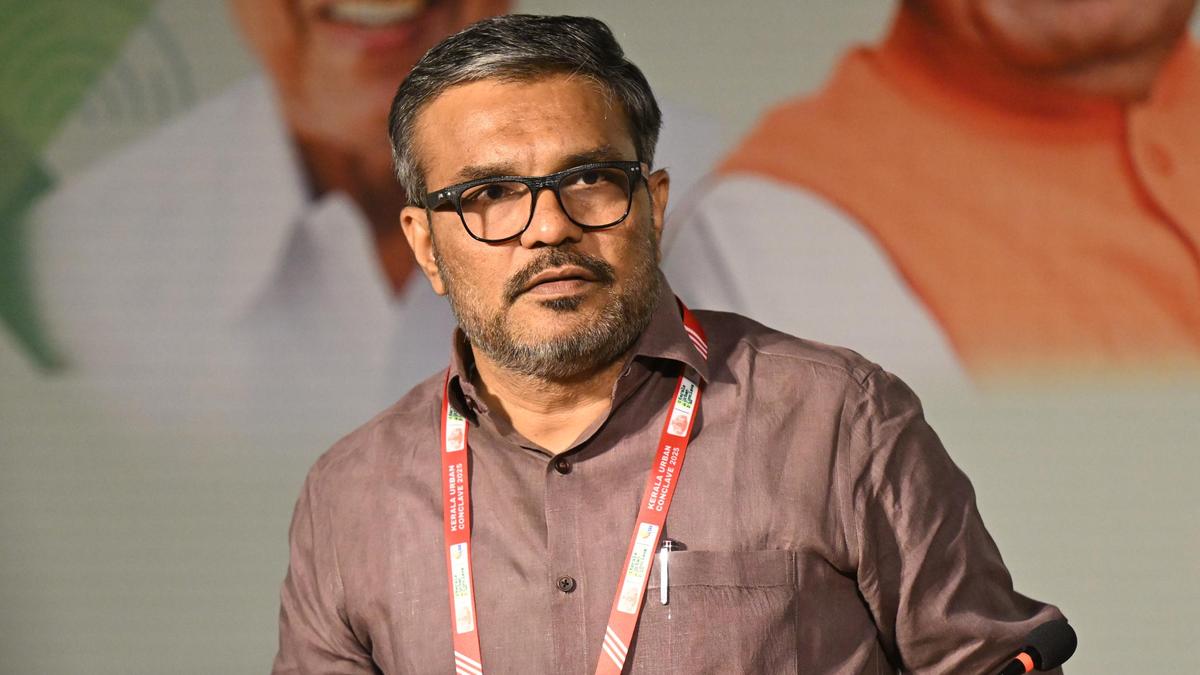
M.B. Rajesh
| Photo Credit: File Photo
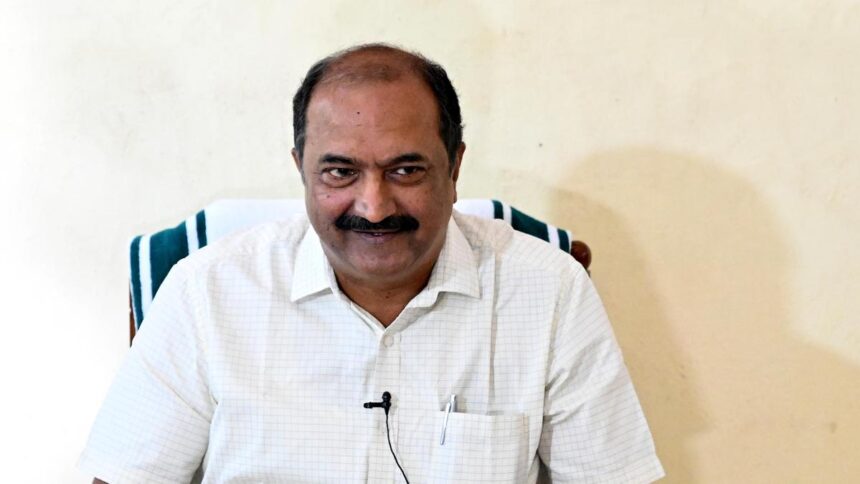
Minister for Local Self-Governments M.B. Rajesh said on Tuesday that Kerala will soon become India’s first State with a comprehensive urban policy.
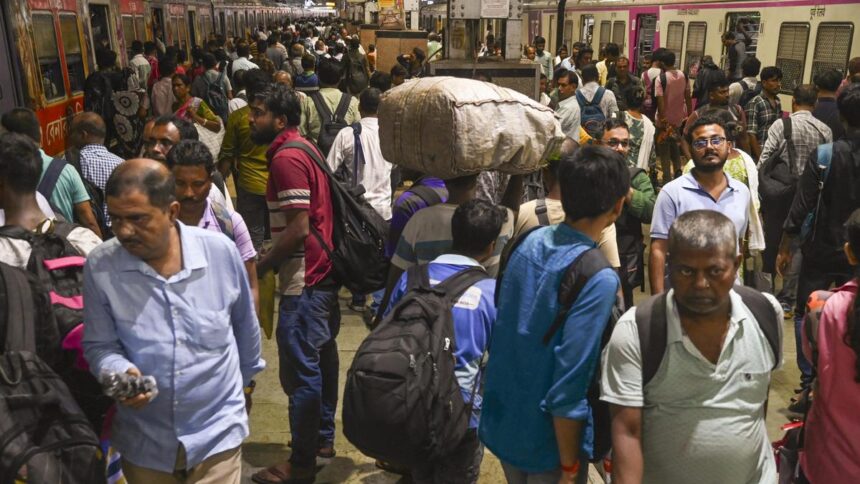
The policy will outline development priorities for the next 25 years. Highlighting the distinct nature of Kerala’s urbanisation, he said the State could emerge as one continuous urban region from Kasaragod to Thiruvananthapuram spread across major highways.
Addressing the Assembly during Question Hour, Mr. Rajesh said the Kerala Urban Policy Commission, chaired by M. Satheesh Kumar, a Senior Associate Professor at Queen’s University, Belfast, had submitted its final report to the Chief Minister in March last year. The policy is in its final stage and will be announced before the end of the government’s term, he pointed out.
Citing available census data, the Minister said that Kerala is among the fastest urbanising States in the country. The State’s urban population increased from 26.44% in 1991 to 47.22% in 2011. It was projected that Kerala’s urban population has already crossed 60%, while estimates indicated that it could reach 80% by 2051.
The urban policy, he added, would be based on the vision of inclusive cities with special focus given to women, senior citizens, children, workers, and marginalised sections in line with Kerala’s social justice-oriented development model.
According to Mr. Rajesh, urban transportation, waste management, and housing are expected to be among the biggest challenges for the State. He highlighted the relevance of projects such as high-speed rail and national highways which have been planned with long-term urban growth in mind. Emphasising the need for affordable and safe housing, he cited the LIFE Mission, under which agreements have been signed with over six lakh beneficiaries.
He added that the State has made significant progress in solid waste management, citing the handling of the Brahmapuram waste crisis as an example. A 150-tonne compressed biogas plant at Brahmapuram is set to be commissioned soon.
Underscoring the economic potential of urbanisation, Mr. Rajesh added that cities globally contribute the largest share to Gross Domestic Product (GDP). The government aims to transform its cities into growth hubs which drive employment, income generation, and local economic development.
Published – January 27, 2026 06:43 pm IST