





Many workers said they feel they were targeted because of their ‘family size’. Others described how the process had left them in cycles of debt, repeatedly travelling to West Bengal to establish their identities.
| Photo Credit: Special Arrangement
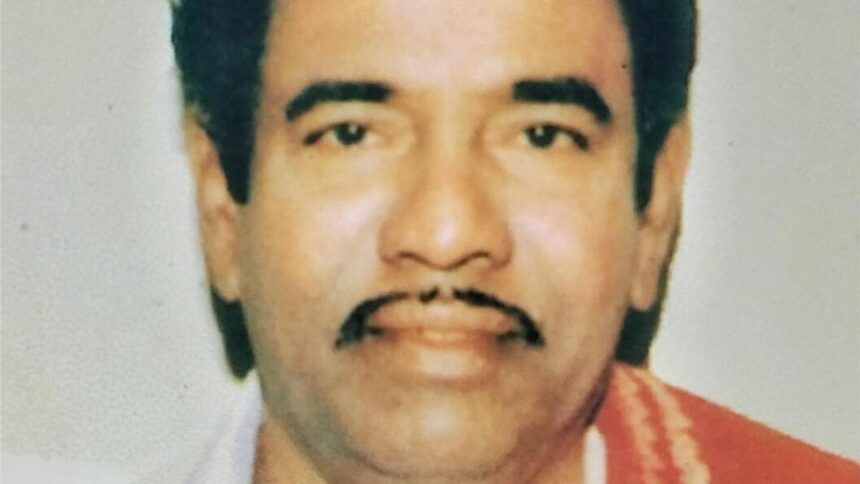
“We are four siblings, but we were issued an SIR notice saying more than six progeny are linked to the same person (father), who we have also mapped ourselves with. What followed were multiple loans, totalling more than a lakh, that I took to make repeated trips to my native village, running pillar to post, but the name, they (officials) say, is ‘under adjudication’,” lamented Rafiul Mohammed. “Our neighbours say we (his family) will be sent to Bangladesh because we could not prove ourselves. But we did whatever we were asked.”
In Bengaluru’s Varthur-Balagere, at least five such areas are located where, besides gated apartments and tech parks, Bengali migrants have been living in makeshift tents for ₹3,000–₹4,000 per month. Women go to these apartments as cooks or helpers, while male members work as cleaners, scrap collectors or delivery partners for instant food and service apps.

Bengali migrants have been living in makeshift tents for ₹3,000–₹4,000 per month.
| Photo Credit:
Special Arrangement
Like Rafiul, more than 3,500 people, according to the Karnataka Bengali Kalyan Samiti, formed by and for West Bengal-based workers in Bengaluru, are “under adjudication for logical discrepancy”, even as the enrolment drive has started across States by the Election Commission of India (ECI), where deleted and left-out voters can reapply via Form-6 to seek inclusion.
In West Bengal, more than 20 lakh names will not be part of this enrolment drive as these cases are currently pending before the appellate tribunals.
Many of these workers told The Hindu that they feel they were targeted because of their “family size”. Others described how the process had left them in cycles of debt, repeatedly travelling to West Bengal to establish their identities.
“I got to know about the hearing three days before, but train seats were available only through agents here because all workers were heading back for the SIR. I had to go at least four times and the charges kept increasing, only to see that the process was made online for migrant workers,” said Saleem Islam. “Even here, I continued to pay ₹4,000 rent though we were not here, but there was no income in this period.”

Some said that even after submitting documents, their names were deleted from the rolls.
| Photo Credit:
Special Arrangement
Some said that even after submitting documents, their names were deleted from the rolls, leaving them uncertain about the voter-linked welfare benefits their families received back home.
Samina, from Purba Bardhaman district, alleged that the process was a targeted effort to reduce government benefits and remove beneficiaries within the family. “I have eight siblings. I am 32, the youngest, while my father is 86 years old. My brother and I were flagged for logical discrepancy because the age gap between me and my father is more than 50. We provided our birth certificates, attended the hearing, yet they deleted the name,” she said, pointing out that she did not even know her name had been removed from the draft rolls until she went to vote this time.
People like Sania Bibi and Roopali Khatoon, who have been working as cooks in the city for the past 12 years, said the ₹1,500 they received under the then West Bengal government’s Lakshmir Bhandar scheme helped them meet expenses such as buying medicines. “Now, that scheme has changed to the Annapurna Yojana scheme and even the amount has been doubled, but we’re removed as beneficiaries, and even the ration has been reduced,” said Sania, adding that these benefits had been reduced without any prior information, while in some cases, people continue to receive all their benefits as before, even though their cases are under adjudication.
Published – October 15, 2026 06:01 am IST