





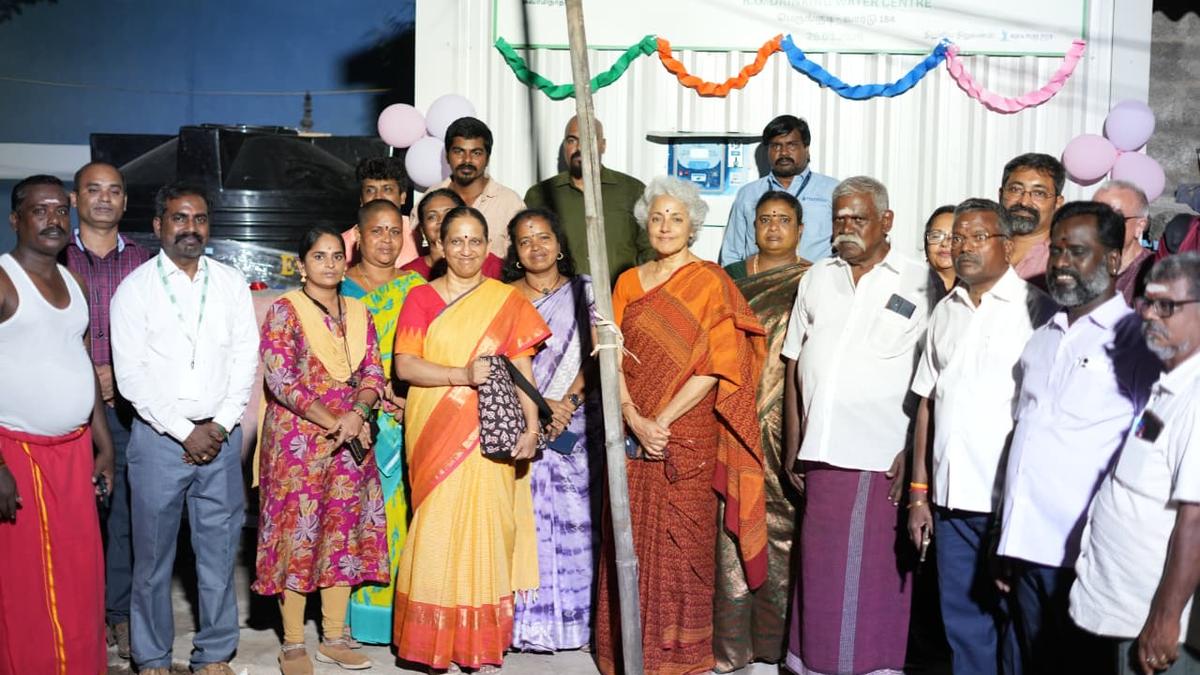


The 3,000-litre water ATM can dispense 20-litre cans at ₹5 each.
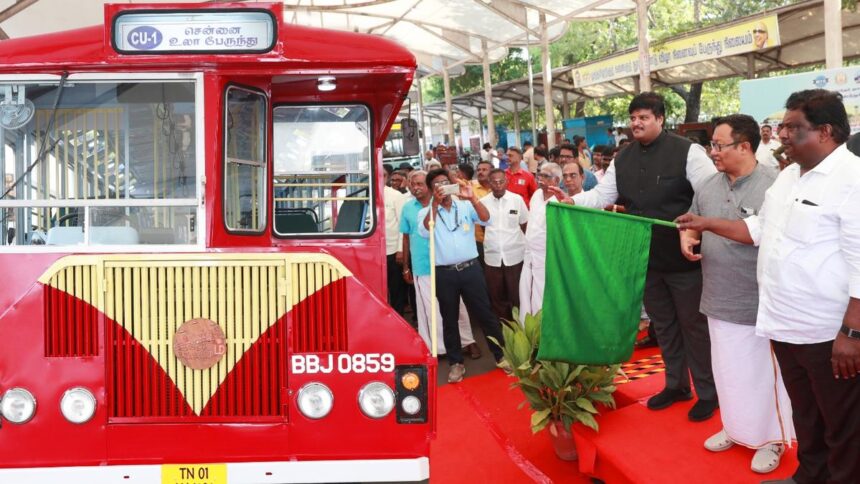
The M.S. Swaminathan Research Foundation (MSSRF) has inaugurated a water ATM at its heat stress study site in Perungudi, to improve access to drinking water. The 3,000-litre water ATM can dispense 20-litre cans at ₹5 each.
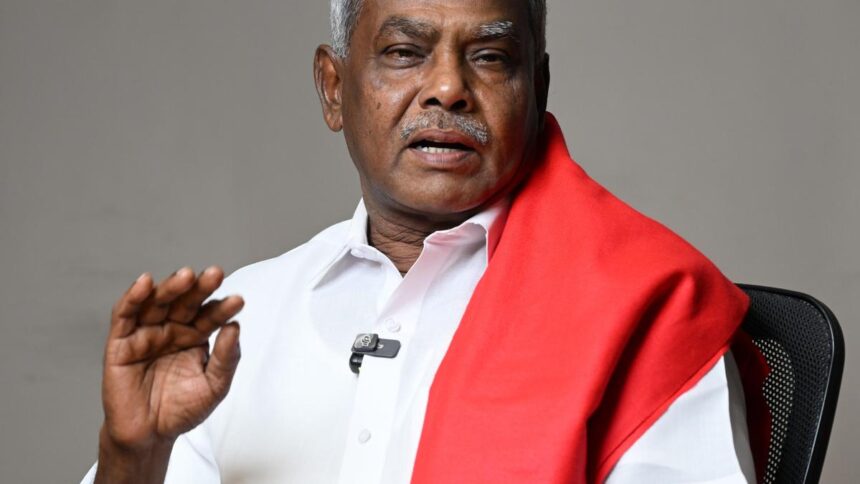
Mohan Kumar, director, Health Systems and Nutrition, MSSRF, said the initiative followed feedback from residents during field visits about the lack of access to drinking water.
The foundation is conducting a four-year longitudinal study across four sites in Tamil Nadu and Karnataka to assess the impact of heat on physical and mental health. Perungudi and Poompuhar in Mayiladuthurai are the two study sites in Tamil Nadu, while Sirwar in Raichur district, and Challakere in Chitradurga district are the sites in Karnataka.
“We wanted to make an immediate contribution to the community we are working with. Unlike water ATMs that dispense smaller quantities, this allows residents to collect 20 litres at a time at a minimal cost,” Dr. Kumar said. MSSRF plans to set up similar facilities at its other study sites.
MSSRF chairperson Soumya Swaminathan, who inaugurated the facility, said the foundation would assess its usefulness and explore other practical interventions based on the findings of the study.
The inauguration also featured an exhibition of photographs taken by local youngsters, as part of a photovoice study on heat and nutrition.
The broader heat study aims at assessing household and individual heat exposure, heat-related illnesses, coping mechanisms, mental health and well-being, and the preparedness of health systems to respond to heat-related situations. It will also examine the possibility of developing early warning systems at individual, sub-district, and district levels.
Speaking about the study, Dr. Swaminathan said the researchers were examining how changing weather patterns affect nutrition, heart rate, sleep, and overall well-being, particularly among vulnerable groups such as new-borns, older people, and those living with diabetes and hypertension.
Published – September 28, 2026 12:15 am IST