




(This article is part of the View From India newsletter curated by The Hindu’s foreign affairs experts. To get the newsletter in your inbox every Monday, subscribe here.)
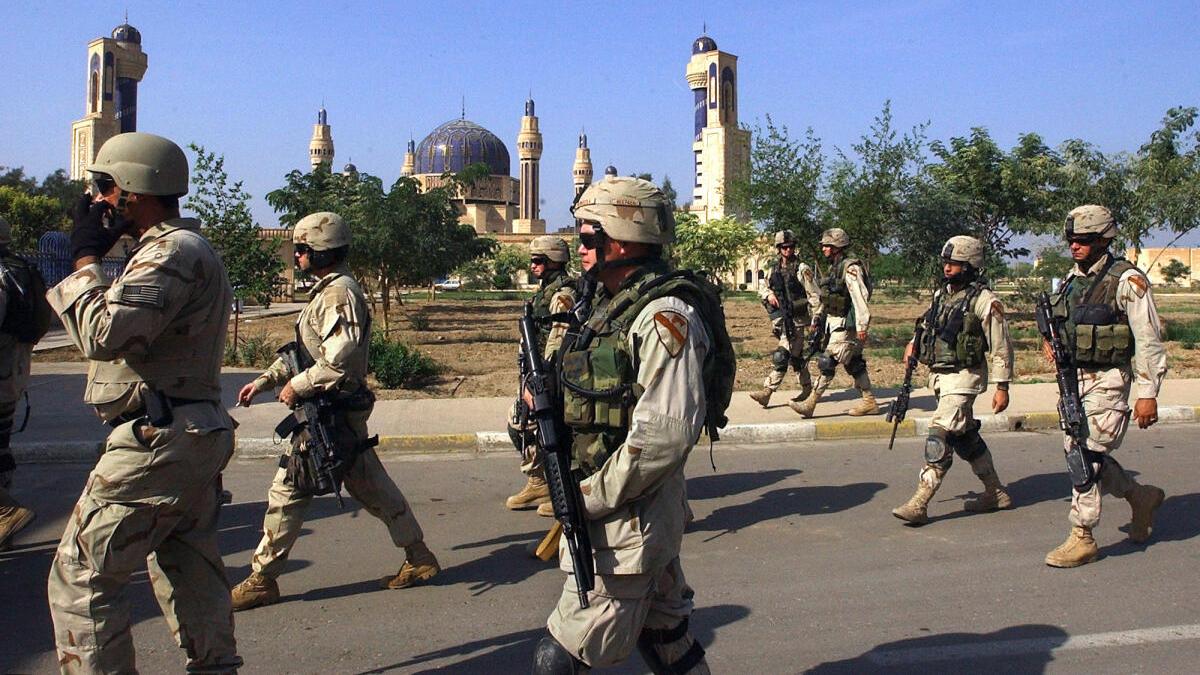
On September 30, 2026, more than 23 years after the invasion, U.S. troops finally left Iraq, amid another American war in the region. The basis for the United States’ March 2003 invasion was that “Saddam Hussein’s regime possessed weapons of mass destruction (WMD) and harboured terrorist groups”. Over two decades later, the world knows that the WMD claim turned out to be false, if not an outright lie, while al-Qaeda built one of its most violent branches in post-war Iraq, The Hindueditorial notes today.
Calling the invasion “one of the gravest strategic and humanitarian disasters of the 21st century”, it contends: “It is an irony that the U.S. is leaving Iraq at a time when it is trying to defeat Iran in a major regional war. But beneath the irony lies everything that went wrong with America’s regime-change wars, which destabilised parts of West Asia, gave rise to militias and jihadists and exposed the limits of American power in the region.”
Did the U.S. meet its originally stated goals? Evidently, no. “If in Afghanistan the U.S. exited after 20 years of war leaving the country in the hands of the same Taliban that it had toppled in 2001, in Iraq, America is leaving behind a war-ravaged country in the hands of a weak government and powerful militias backed by a resurgent Iran,” as the editorial points out. In these 23 years, the U.S. spent close to $1.7 trillion and lost 4,500 troops in Iraq. Hundreds of thousands of Iraqis were killed during the war.
Connecting the U.S.’s war on Iraq, with its current war on Iran, our Foreign Affairs Editor Stanly Johny, who has been closely tracking developments in West Asia, writes that American troops leaving Iraq, could further tilt the balance in Iran’s favour. Read his analysis on why the United States might find it increasingly harder to keep a large group of troops in an increasingly hostile region.
Gaza after three years

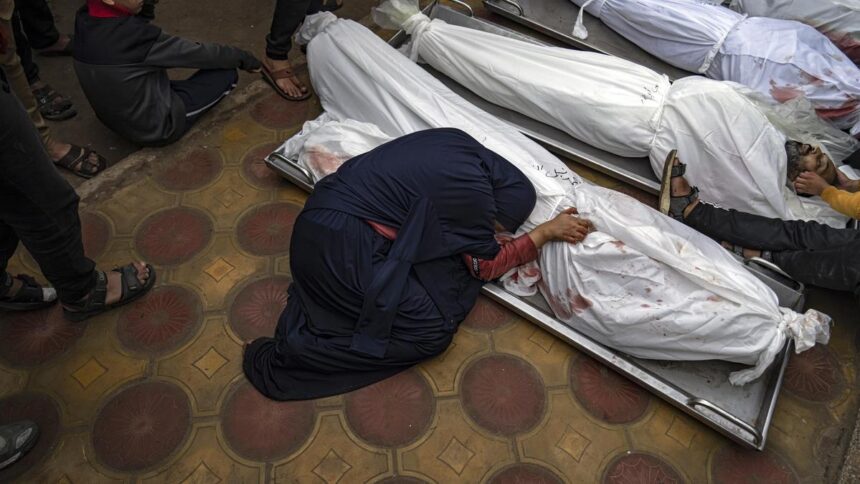
As we near three years of the U.S.-Israel combine’s bloody war on Gaza — following Hamas’s brutal attack on Israel on October 7, 2023, killing nearly 1,400 people — Gaza’s Health Ministry has confirmed that Palestinian death toll has crossed 74,000 .
More than 64,000 children were either killed or injured in Gaza between October 7, 2023, and October 7, 2025, according to the UN. UNICEF estimates that at least 300 children have been reportedly killed in Gaza in the 300 days since the October 2025 ceasefire. “This amounts to an average of one child every day, despite an agreement for the suspension of military operations,” the agency pointed out in August 2026. A UN expert has warned that checkpoints in the occupied West Bank are “choking Palestinian life”.
While a ceasefire that took effect about a year ago paused heavy fighting, Israeli strikes have only continued, with the world watching what experts and scholars of international law have termed a genocide.
Significantly, we are seeing more reports that the U.A.E. and Egypt ), among others, warned Israeli Prime Minister Benjamin Netanyahu of an impending attack, days ahead of the Hamas attack.
However, damage of enormous proportions is done. An updated Google Maps capture of the region has revealed the extent of devastation during the three-year Gaza war. Taken in June 2026, the images show the mass scale of destruction, of homes, businesses, places of worship and infrastructure. “Any available open space in Gaza city is packed with shacks, tents and huts,” The Guardianreported.
A turn?
Days ago, visuals of 94-year-old Jewish human rights lawyer Margaret Owen being arrested in the United Kingdom for protesting in support of Palestine Action went viral on social media. “I’ve been trying to get arrested for quite some time,” she told Al Jazeera. “I’m rather proud and glad to have finally joined the club,” she said. Many Jewish activists, like her, have been steadfast in their opposition to Israel’s war on Gaza. It is only some of the most powerful states that have remained at best, tentative. Ahead of Mr. Netanyahu’s address at the UNGA, we saw delegates boo and walk out.
There appears to be a turn, especially in the United Kingdom, even if belatedly. Addressing pro-Palestine activists, British Foreign Secretary Edward Miliband recently said: “We hear you, you were right”.
This weekend, Britain’s Green Party voted to categorise Zionism as a form of racism. Adopting a motion that sets out the party’s opposition to Zionism, defined as an ethnonationalist political project, it stated that anti-Zionism should not be equated with antisemitism.
Published – October 05, 2026 07:02 pm IST