




The implementation of new Waqf laws, rollout of the UMEED portal, and the tragic road accident near Medina in Saudi Arabia that claimed the lives of 45 Umrah pilgrims, kept agencies of the Minorities Welfare Department under sustained pressure, frequently placing officials and stakeholders through anxious moments.
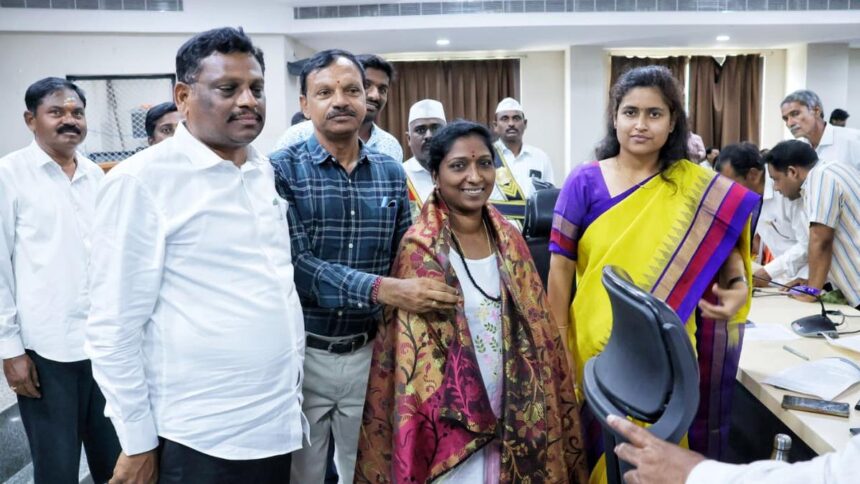
Budgetary expenditure also remained a concern amid continuing financial constraints as acknowledged by the government. Adding to the churn, the Congress government finally handed over the Minorities Welfare portfolio to former Indian cricket captain Mohammed Azharuddin, who assumed office on November 10, bringing an end to months of speculation.
Against this backdrop, the fate of over 33,000 gazette-notified Waqf institutions, along with several thousand others, hung in balance. Stakeholders, including mutawallis, managing these properties, expressed distrust over the new laws and were reluctant to upload documents on the portal, which sought details such as cases against them, a requirement many viewed as intrusive.
The All India Muslim Personal Law Board (AIMPLB) rejected the portal and moved the Supreme Court challenging its implementation. Symbolic protests were peppered throughout the year. The Muslim panel, comprising politicians, lawyers, religious scholars and activists, after initial hesitation, eventually but quietly opened up to the idea of registering properties on the portal.
This hesitation partly resulted in a race against time for the Telangana State Waqf Board and for mutawallis and individuals attempting to comply within the narrow window available. The Waqf Board, an agency of the Minorities Welfare Department, heaved a sigh of relief when the Waqf Tribunal granted a three-month extension for uploading details on the portal.
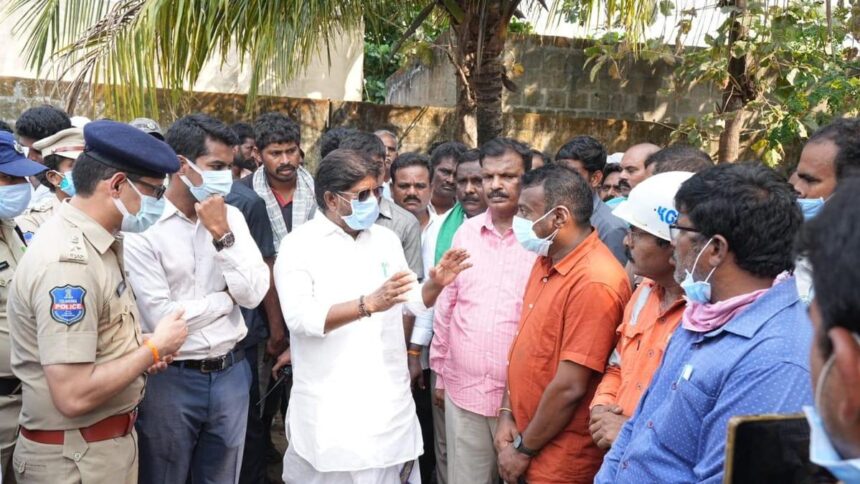
Even as the government was grappling with the implications of the new Waqf legislation, tragedy struck on November 17 when pilgrims from various parts of Hyderabad were charred to death after a diesel tanker rammed into the bus in which they were travelling, shattering families and sending shockwaves across the city. The government machinery, including the Telangana State Haj Committee and other agencies, swung into action immediately. Mr Azharuddin led a three-member delegation to Saudi Arabia to coordinate important formalities, including flying the next of kin to the Kingdom, securing death certificates, and engaging with Saudi authorities to facilitate the burial of the victims at the sacred Jannatul Baqi graveyard. An ex gratia of ₹5 lakh was announced for the families of the deceased, while the sole survivor, Mohammed Abdul Shoaib, was assured employment at the Telangana Minorities Residential Institutions Society.
Amid these developments, budgetary pressures continued to loom large. The Minority Welfare Department was allocated ₹3,591 crore for the financial year 2025-26, up from ₹2,997.01 crore in the previous year. While the increase was substantial, concerns persisted over actual spending, particularly on education. Under the heads ‘reimbursement of tuition fee’ and ‘maintenance of tuition fee’, an allocation of ₹420 crore was made. Representations for the release of funds to ease the hardship faced by students. These demands were backed by prominent faith leaders. The Students Islamic Organisation, an affiliate of the Jamaat-e-Islami Hind, approached the Telangana High Court, citing financial distress among students, the withholding of certificates by educational institutions, and seeking the immediate disbursal of pending funds.
Published – December 24, 2025 08:52 pm IST