





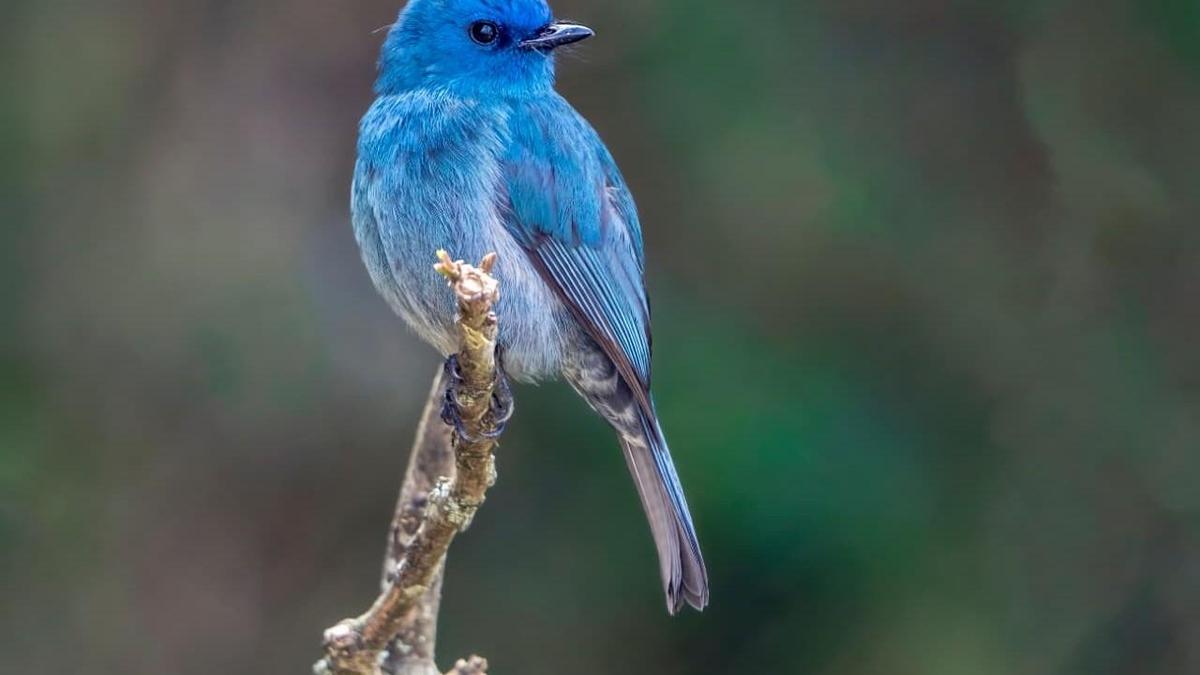


A Nilgiri flycatcher photographed in Sringeri during researcher V.V. Bala Subramanyam’s findings for his study titled The Avian Aura of Sringeri Western Ghats.
| Photo Credit: Brig. Antonny Grossy
A researcher from Sri Krishnadevaraya University (SKU) at Anantapur in Andhra Pradesh has identified the forest areas around Sringeri as a major refuge for endemic and threatened bird species of the Western Ghats, while cautioning that unchecked development activities pose a growing threat to their survival.
V.V. Bala Subramanyam, assistant professor of zoology at SKU, has studied the birds of Sringeri and documented his findings in The Avian Aura of Sringeri Western Ghats, a comprehensive volume on the region’s bird life, co-authored with professor M. Jagadish Naik.
During his research, Mr. Subramanyam recorded several Western Ghats endemics, including the Malabar grey hornbill, Malabar trogon, white-cheeked barbet, Malabar parakeet, rufous babbler, and yellow-browed bulbul. He also sighted the Nilgiri wood pigeon, Nilgiri flycatcher, and black-and-orange Flycatcher — species classified as “vulnerable” or “near threatened” on the International Union for Conservation of Nature (IUCN) Red List.
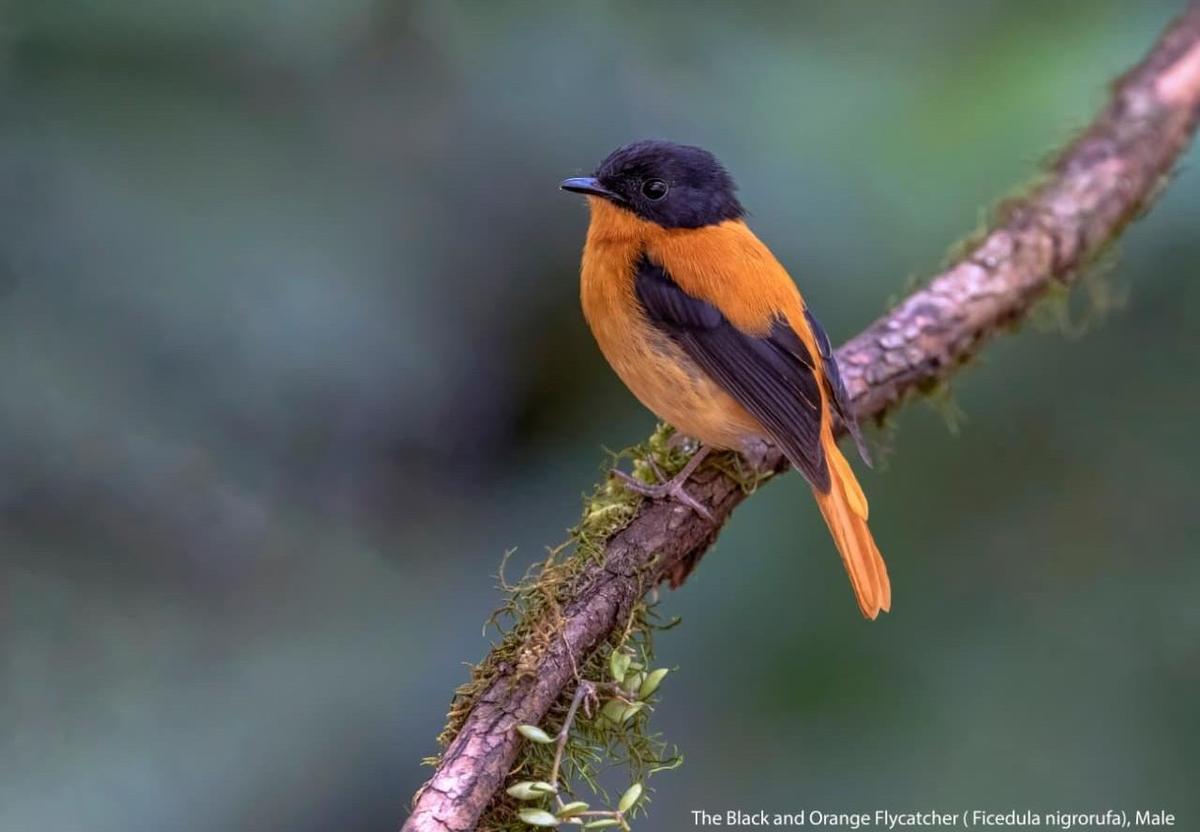
A black-and-orange flycatcher photographed in Sringeri.
| Photo Credit:
Brig. Antonny Grossy
He attributed the region’s rich birdlife to its heavy rainfall, undisturbed canopy cover, and pristine riverine ecosystems, which together create ideal conditions for these habitat-sensitive species. Beyond their ecological value, he noted, these birds play a vital role in seed dispersal, insect population control, and natural forest regeneration — all essential to maintaining the health of the Western Ghats.
However, Mr. Subramanyam expressed concern that recent developmental pressures, particularly illegal tree felling and unregulated tourism, are beginning to disturb critical habitats. He recommended strict protection of existing natural forests, active habitat restoration, and continuous scientific monitoring of bird populations to safeguard the region’s exceptional biodiversity.
Speaking to The Hindu, Mr. Subramanyam, a native of Andhra Pradesh, said he had done an extensive study of birds found in and around Sringeri for about six years. He, along with his team, documented the birds as part of his research. He expressed worry about the birds’ habitats following the recent developments. “Many trees are being cut in the name of road widening. Similarly, there have been unregulated tourist activities in the region. Such activities might disturb the birds’ habitats, he stated.
Published – May 17, 2026 07:09 pm IST