







The CAG found that 49 out of the 100 Water Level Sensors installed in Bengaluru remained non-functional.
| Photo Credit:
The report of the Comptroller and Auditor General (CAG) of India has highlighted the vulnerabilities, inadequate preparedness in disaster management system of Karnataka, amid increasing natural disasters.
Analysing the efforts from 2017-18 to 2022-23 in managing calamities and risk reduction, the report pointed out that although Karnataka State Disaster Management Authority (KSDMA) was established in 2008, the State Disaster Management Policy was published after 12 years, only in 2020.
It said that the State Emergency Operation Centre was under-equipped in terms of human resources and infrastructure, which affected its functioning. The Disaster Response Force Units had huge vacancies — ranging from 67% to 96% — of the sanctioned strength resulting in the units facing difficulties in carrying out duties and rescue operations.
Defective TWSs
KSNMDC had installed Telemetric Rain Guages (TRGs) and Telemetric Weather Stations (TWSs) in a phased manner between 2009 and 2015, but as of December 2023, it was found that 43% of TRGs and 52% of TWSs were defective, the report said.
It has also pointed out that the funds released by the State were not calamity-specific, complicating monitoring of NDRF/SDRF grants. The CAG has found misappropriation of ₹18.59 lakh at Chintamani in Chikkaballapura district, unutilised funds of ₹7.69 crore in Fire Emergency Department, and taluks of Haveri district spending ₹1.81 crore out of SDRF for reasons not related to natural calamities/disasters.
On the drought management front, CAG has found that the State had not framed region-specific guidelines for drought management and Karnataka Groundwater Authority failed to control illegal groundwater extraction for commercial purposes through private water tanks.
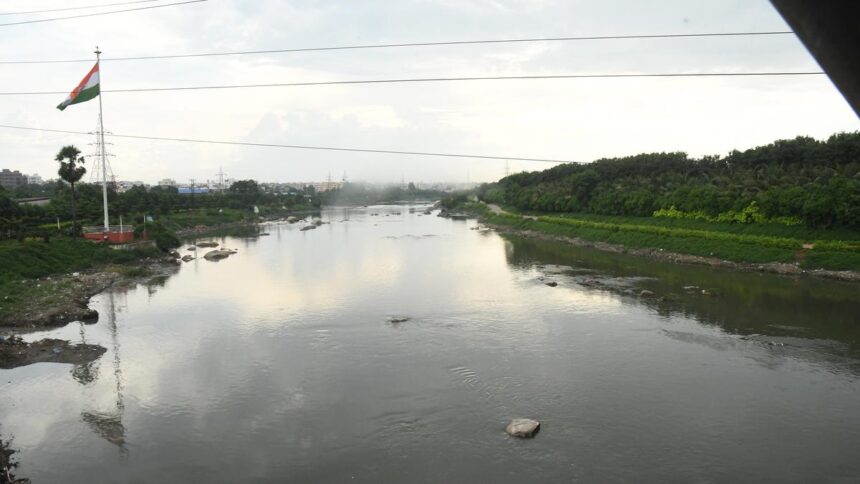
The CAG has pointed out that although the State Action Plan for Flood Risk was established in 2021, it lacked preparation for flood management in critical sectors. It found that 49 out of the 100 Water Level Sensors installed in Bengaluru remained non-functional as on December 2023. The State has not established a legal framework for flood infrastructure.
On the compensation front also, CAG has found discrepancies. It has said that compensation for damages was inconsistent and the verification processes were inadequate. It also found that there were 22,496 cases of house damage reconstruction pending despite ₹213.94 crore disbursed.
The CAG has recommended revamping Emergency Operation Centre and enhancing training for officials, among other things.
Published – December 17, 2025 09:08 pm IST